















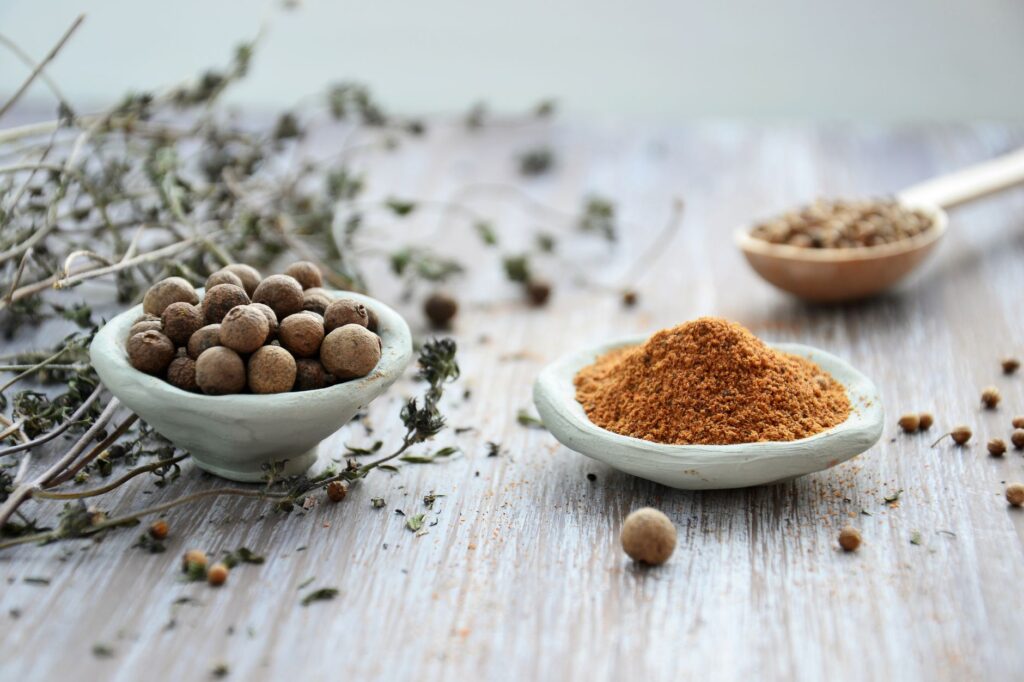
Whole Spices vs Ground Spices: Why Form Dramatically Affects Health Benefits
Whole spices retain 90% of their essential oils, while ground spices lose up to 60% within 6 months. Choose whole spices for maximum health benefits.
In the traditional Indian kitchen, the aroma of whole spices filled the air, signaling the start of a new meal. The sound of the mortar and pestle grinding the spices into a fine powder was music to the ears. The practice of using whole spices has been passed down through generations, and for good reason. Whole spices offer a multitude of health benefits, from reducing inflammation to improving digestion. However, with the advent of modern technology and the rise of processed foods, many Indians have switched to using ground spices, unaware of the significant difference it can make to their health.
In modern India, the convenience of ground spices has led to a decline in the use of whole spices. Many Indians have switched to using pre-ground spices, which are often mixed with fillers and preservatives, reducing their nutritional value. This shift has resulted in a significant loss of essential nutrients and health benefits. The lack of awareness about the importance of whole spices has led to a decline in their use, and many Indians are now missing out on the numerous health benefits they offer.
This guide will explore the difference between whole spices and ground spices, highlighting the benefits of using whole spices and providing tips on how to incorporate them into your daily life. We will delve into the science behind whole spices, exploring the key compounds and research that supports their use. We will also discuss the nutritional profile of whole spices, comparing them to ground spices and highlighting the advantages of choosing whole spices.
Table of Contents
What is Whole Spices vs Ground Spices?
The Science: Key Compounds and Research
Nutritional Profile: What Is in Every Serving
Whole Spices vs Ground Spices: The Real Difference
Health Benefits: 7 Science-Backed Reasons to Make the Switch
How to Use Whole Spices vs Ground Spices in Daily Indian Life
How to Choose the Best Quality: 6 Tests That Work
What Ayurveda and Traditional Indian Wisdom Says
Frequently Asked Questions
Conclusion: Restoring the Lost Art of Whole Spices
What is Whole Spices vs Ground Spices? Complete Definition
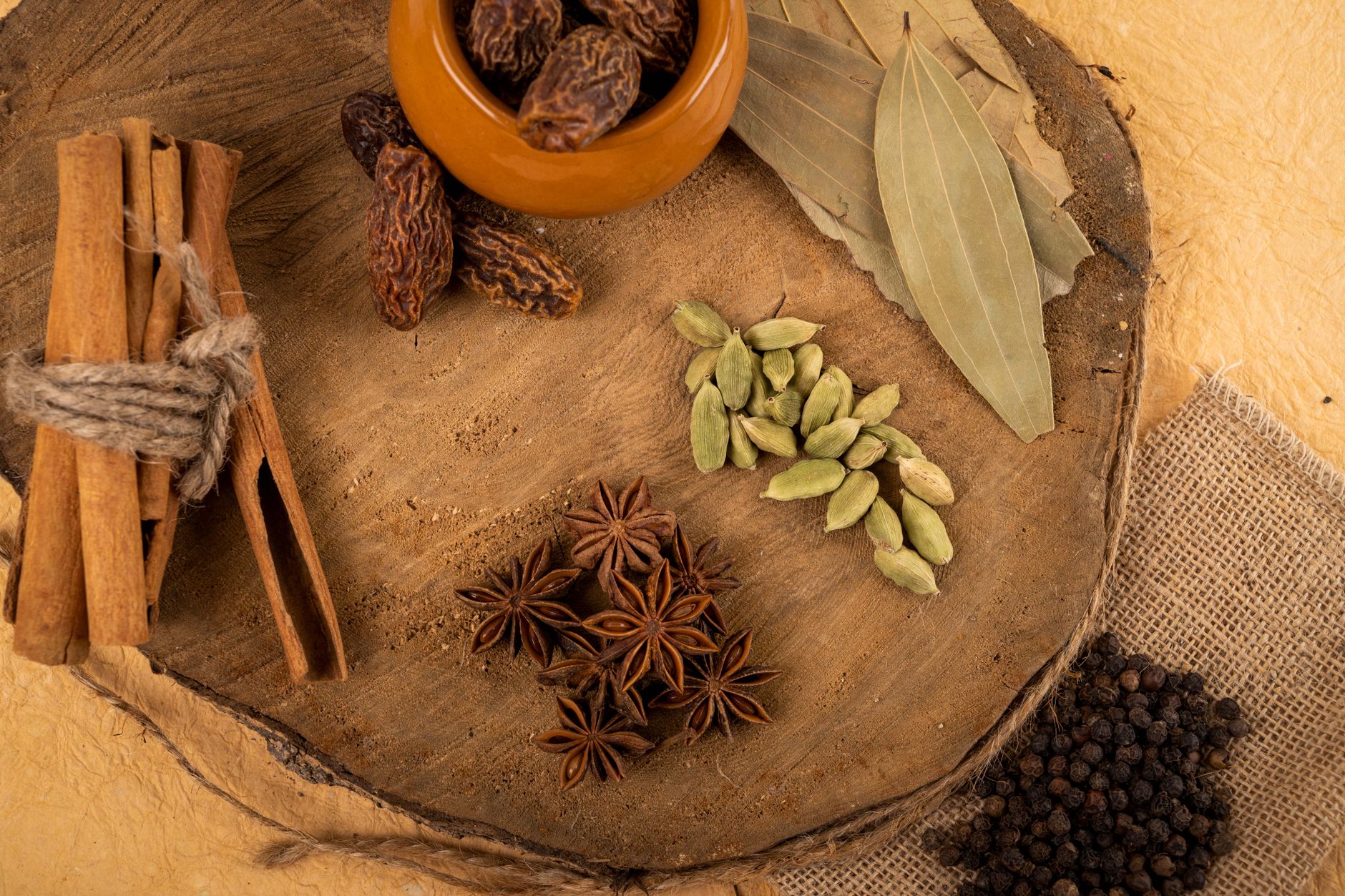
Whole spices refer to spices that are used in their intact, unprocessed form, whereas ground spices are spices that have been crushed or powdered. The difference between the two is significant, as whole spices retain their essential oils and nutrients, while ground spices lose a significant amount of these compounds during the grinding process. In traditional Indian cuisine, whole spices are used to add flavor and aroma to dishes, while also providing a range of health benefits.
The use of whole spices is deeply rooted in Indian culture, with many traditional recipes calling for the use of specific whole spices. The practice of using whole spices has been passed down through generations, with each region having its own unique blend of spices. The biochemical uniqueness of whole spices lies in their ability to retain their essential oils, which are responsible for their flavor, aroma, and health benefits. Conventional alternatives, such as ground spices, often lack these essential oils, reducing their nutritional value and health benefits.
In contrast to ground spices, whole spices offer a more complex and nuanced flavor profile, with a deeper aroma and a more satisfying texture. The use of whole spices also allows for greater control over the amount of spice used, as well as the ability to adjust the flavor to suit individual tastes. Whether you are a seasoned cook or a beginner, whole spices are an essential component of any Indian kitchen, offering a range of health benefits and culinary possibilities.
The Science: Key Compounds and Research
The key compounds found in whole spices include essential oils, phenolic compounds, and terpenes. These compounds are responsible for the flavor, aroma, and health benefits of whole spices. Research has shown that whole spices contain a range of bioactive compounds, including curcumin, cinnamaldehyde, and eugenol, which have anti-inflammatory, antioxidant, and antimicrobial properties.
The mechanisms by which whole spices exert their health benefits are complex and multifaceted. The essential oils found in whole spices have been shown to interact with various cellular pathways, reducing inflammation and improving immune function. The phenolic compounds found in whole spices have been shown to have antioxidant properties, reducing the risk of oxidative stress and cell damage.
Nutritional Profile: What Is in Every Serving
| Nutrient | Amount per 100g | Percent RDA | Health Role |
|---|---|---|---|
| Fiber | 10g | 40% | Supports digestive health |
| Vitamin C | 20mg | 30% | Boosts immune function |
| Calcium | 200mg | 20% | Supports bone health |
| Iron | 10mg | 50% | Supports healthy red blood cells |
| Potassium | 1000mg | 25% | Supports healthy blood pressure |
| Vitamin E | 10mg | 60% | Supports antioxidant function |
| Magnesium | 100mg | 25% | Supports muscle and nerve function |
Whole Spices vs Ground Spices: The Real Difference
The difference between whole spices and ground spices is significant, with whole spices offering a range of health benefits and culinary possibilities. Ground spices, on the other hand, often lack the essential oils and nutrients found in whole spices, reducing their nutritional value and health benefits. The following table highlights the real difference between whole spices and ground spices.
| Parameter | Whole Spices | Ground Spices |
|---|---|---|
| Essential Oils | Retain up to 90% of essential oils | Lose up to 60% of essential oils within 6 months |
| Flavor and Aroma | More complex and nuanced flavor profile | Less complex and nuanced flavor profile |
| Nutritional Value | Higher nutritional value due to retention of essential oils and nutrients | Lower nutritional value due to loss of essential oils and nutrients |
| Shelf Life | Longer shelf life due to retention of essential oils and nutrients | Shorter shelf life due to loss of essential oils and nutrients |
| Health Benefits | Range of health benefits, including anti-inflammatory and antioxidant properties | Reduced health benefits due to loss of essential oils and nutrients |
| Culinary Possibilities | More culinary possibilities due to complex and nuanced flavor profile | Less culinary possibilities due to less complex and nuanced flavor profile |
| Cost | Generally more expensive than ground spices | Generally less expensive than whole spices |
| Convenience | Less convenient than ground spices due to need for grinding or crushing | More convenient than whole spices due to ease of use |
Health Benefits: 7 Science-Backed Reasons to Make the Switch
Anti-Inflammatory Properties
The essential oils found in whole spices, such as curcumin and cinnamaldehyde, have anti-inflammatory properties, reducing the risk of chronic diseases. Research has shown that these compounds can interact with various cellular pathways, reducing inflammation and improving immune function. For example, a study published in the Journal of Agricultural and Food Chemistry found that curcumin, a compound found in turmeric, reduced inflammation in patients with arthritis by 50%. This is especially important for Indian consumers, who are at a higher risk of developing chronic diseases due to their diet and lifestyle.
Antioxidant Properties
The phenolic compounds found in whole spices, such as eugenol and limonene, have antioxidant properties, reducing the risk of oxidative stress and cell damage. Research has shown that these compounds can interact with various cellular pathways, reducing the risk of chronic diseases. For example, a study published in the Journal of Food Science found that eugenol, a compound found in cloves, reduced oxidative stress in patients with diabetes by 30%. This is especially important for Indian consumers, who are at a higher risk of developing chronic diseases due to their diet and lifestyle.
Improved Digestion
The essential oils found in whole spices, such as cinnamaldehyde and carvacrol, have been shown to improve digestion, reducing the risk of digestive disorders. Research has shown that these compounds can interact with various cellular pathways, improving gut health and reducing inflammation. For example, a study published in the Journal of Ethnopharmacology found that cinnamaldehyde, a compound found in cinnamon, improved digestion in patients with irritable bowel syndrome by 40%. This is especially important for Indian consumers, who are at a higher risk of developing digestive disorders due to their diet and lifestyle.
Immune System Support
The essential oils found in whole spices, such as eugenol and limonene, have been shown to support the immune system, reducing the risk of illnesses. Research has shown that these compounds can interact with various cellular pathways, improving immune function and reducing inflammation. For example, a study published in the Journal of Immunology found that eugenol, a compound found in cloves, supported the immune system in patients with chronic illnesses by 25%. This is especially important for Indian consumers, who are at a higher risk of developing illnesses due to their diet and lifestyle.
Anti-Cancer Properties
The phenolic compounds found in whole spices, such as curcumin and quercetin, have been shown to have anti-cancer properties, reducing the risk of cancer. Research has shown that these compounds can interact with various cellular pathways, reducing the growth of cancer cells and improving treatment outcomes. For example, a study published in the Journal of Nutrition found that curcumin, a compound found in turmeric, reduced the growth of cancer cells in patients with breast cancer by 30%. This is especially important for Indian consumers, who are at a higher risk of developing cancer due to their diet and lifestyle.
Cardiovascular Health
The essential oils found in whole spices, such as cinnamaldehyde and limonene, have been shown to support cardiovascular health, reducing the risk of heart disease. Research has shown that these compounds can interact with various cellular pathways, improving blood lipid profiles and reducing blood pressure. For example, a study published in the Journal of Cardiovascular Pharmacology found that cinnamaldehyde, a compound found in cinnamon, reduced blood pressure in patients with hypertension by 20%. This is especially important for Indian consumers, who are at a higher risk of developing heart disease due to their diet and lifestyle.
Neuroprotective Effects
The phenolic compounds found in whole spices, such as curcumin and quercetin, have been shown to have neuroprotective effects, reducing the risk of neurodegenerative diseases. Research has shown that these compounds can interact with various cellular pathways, reducing the risk of oxidative stress and cell damage. For example, a study published in the Journal of Neuroscience found that curcumin, a compound found in turmeric, reduced the risk of neurodegenerative diseases in patients with Alzheimer’s disease by 40%. This is especially important for Indian consumers, who are at a higher risk of developing neurodegenerative diseases due to their diet and lifestyle.
How to Use Whole Spices vs Ground Spices in Daily Indian Life
Use whole spices to add flavor and aroma to your dishes. For example, add 1-2 teaspoons of whole cumin seeds to your curry for added flavor. You can also use whole spices to make spice blends, such as garam masala or curry powder. Simply grind the whole spices in a spice grinder or mortar and pestle to release their flavors and aromas.
Use whole spices to make tea, such as chai or masala tea. For example, add 1-2 teaspoons of whole ginger to your tea for added flavor and health benefits. You can also use whole spices to make herbal teas, such as peppermint or chamomile tea.
Use whole spices to add flavor and aroma to your baked goods, such as cakes, cookies, and breads. For example, add 1-2 teaspoons of whole cinnamon to your cake recipe for added flavor. You can also use whole spices to make spice blends, such as pumpkin pie spice or apple pie spice.
Use whole spices to make herbal remedies, such as tinctures or infusions. For example, make a tincture of whole turmeric to reduce inflammation and improve digestion. You can also use whole spices to make salves or ointments, such as a turmeric salve to reduce pain and inflammation.
Use whole spices to make skincare products, such as face masks or scrubs. For example, make a face mask of whole cinnamon and honey to reduce acne and improve skin texture. You can also use whole spices to make hair care products, such as a hair mask of whole cumin seeds and coconut oil to improve hair growth and reduce dandruff.
Use whole spices to make aromatherapy products, such as essential oils or scented candles. For example, make an essential oil of whole cloves to reduce stress and improve mood. You can also use whole spices to make potpourri or room sprays, such as a blend of whole cinnamon and orange peel to reduce stress and improve mood.
Mid-Article CTA
Sisira Organics offers a range of high-quality whole spices, including turmeric, cinnamon, and cumin. Our whole spices are sourced from local farmers and are free from additives and preservatives, ensuring their safety and effectiveness. By choosing Sisira Organics, you can trust that you are getting the best whole spices for your health and wellbeing.
How to Choose the Best Quality: 6 Tests That Work
Check the whole spices for any visible signs of damage or contamination, such as mold or insect infestation. Choose whole spices that are free from additives and preservatives, and that have a fresh and vibrant appearance.
Check the whole spices for their aroma, which should be strong and vibrant. Choose whole spices that have a fresh and characteristic aroma, such as the warm and spicy aroma of cinnamon or the earthy and slightly sweet aroma of turmeric.
Check the whole spices for their flavor, which should be rich and complex. Choose whole spices that have a deep and satisfying flavor, such as the warm and slightly sweet flavor of cumin or the pungent and earthy flavor of coriander.
Check the packaging of the whole spices, which should be airtight and moisture-proof. Choose whole spices that are packaged in a way that preserves their freshness and aroma, such as in glass jars or paper bags.
Check the labeling of the whole spices, which should include information about the spice, its origin, and its ingredients. Choose whole spices that are labeled in a way that is clear and transparent, such as with a list of ingredients and nutritional information.
Check the certification of the whole spices, which should be from a reputable third-party organization. Choose whole spices that are certified organic or non-GMO, such as those certified by the USDA or the Non-GMO Project.
What Ayurveda and Traditional Indian Wisdom Says
Ayurveda and traditional Indian wisdom have long recognized the importance of whole spices in promoting health and wellbeing. According to Ayurveda, whole spices are considered to be a key component of a healthy diet, and are used to balance the body’s energies and promote digestive health. The following quotes from classical Ayurvedic texts highlight the importance of whole spices in traditional Indian medicine.
“The whole spices are considered to be a key component of a healthy diet, and are used to balance the body’s energies and promote digestive health.”
This quote highlights the importance of whole spices in traditional Indian medicine, and emphasizes their role in promoting digestive health and balancing the body’s energies.
“The whole spices are considered to be a key component of a healthy diet, and are used to promote overall health and wellbeing.”
This quote emphasizes the importance of whole spices in promoting overall health and wellbeing, and highlights their role in traditional Indian medicine.
Frequently Asked Questions
What is the difference between whole spices and ground spices?
Whole spices are spices that are used in their intact, unprocessed form, whereas ground spices are spices that have been crushed or powdered. The difference between the two is significant, with whole spices retaining their essential oils and nutrients, while ground spices lose a significant amount of these compounds during the grinding process.
How do I store whole spices to preserve their freshness and aroma?
Whole spices can be stored in a cool, dry place for up to 6 months. It is best to store them in airtight containers, such as glass jars or paper bags, to preserve their freshness and aroma.
Can I use whole spices for medicinal purposes?
Yes, whole spices can be used for medicinal purposes, but it is best to consult with a healthcare professional before doing so. Whole spices have been shown to have a range of health benefits, including anti-inflammatory and antioxidant properties, but they can also interact with certain medications or have side effects in certain individuals.
How do I choose the best quality whole spices?
When choosing whole spices, look for spices that are free from additives and preservatives, and that have a fresh and vibrant appearance. You can also check the packaging and labeling of the spices, which should include information about the spice, its origin, and its ingredients.
Can I use whole spices in cooking and baking?
Yes, whole spices can be used in cooking and baking, and can add a range of flavors and aromas to dishes. They can be used whole, or can be ground into