















Foxtail Millet: The Ancient Indian Grain for Blood Sugar and Weight Control
Foxtail millet has a glycemic index (GI) of 50, making it an ideal food for blood sugar control, with its high manganese content providing 115% of the recommended daily intake per 100g serving.
In the traditional Indian kitchen, the aroma of freshly cooked foxtail millet wafts through the air, transporting us to a time when food was a celebration of nature’s bounty. The gentle rustle of the millet grains as they’re measured out, the soft clinking of the cooking pot, and the warmth of the stove all blend together to create a sensory experience that’s both comforting and invigorating. As we sit down to enjoy a steaming plate of foxtail millet upma or khichdi, we’re reminded of the simple joys of traditional Indian cuisine. However, in modern India, the shift towards processed and polished grains has led to a decline in the consumption of nutrient-rich millets like foxtail millet. This switch has resulted in a loss of essential nutrients, fiber, and antioxidants, contributing to the rising incidence of lifestyle diseases. This guide will delve into the world of foxtail millet, exploring its benefits, nutritional profile, and ways to incorporate it into our daily lives.
The importance of foxtail millet cannot be overstated, particularly in the context of India’s growing health concerns. As we navigate the complexities of modern life, it’s essential to revisit our traditional practices and rediscover the value of whole, unprocessed foods like foxtail millet. By doing so, we can reap the benefits of improved blood sugar control, weight management, and enhanced overall well-being. In this article, we’ll examine the science behind foxtail millet’s benefits, its nutritional profile, and provide practical tips on how to make the most of this ancient Indian grain.
As we journey through the world of foxtail millet, we’ll explore its rich history, cultural significance, and the ways in which it can be incorporated into our modern lifestyles. From its high manganese content to its low glycemic index, we’ll delve into the specific compounds and mechanisms that make foxtail millet an ideal food for those seeking to manage their blood sugar levels and weight. Whether you’re a health enthusiast, a foodie, or simply someone looking to make a positive change in your life, this guide is designed to provide you with the knowledge and inspiration you need to start your foxtail millet journey.
Table of Contents
- What is Foxtail Millet? Complete Definition
- The Science: Key Compounds and Research
- Nutritional Profile: What Is in Every Serving
- Foxtail Millet vs Conventional Alternative: The Real Difference
- Health Benefits: 7 Science-Backed Reasons to Make the Switch
- How to Use Foxtail Millet Benefits in Daily Indian Life
- How to Choose the Best Quality: 6 Tests That Work
- What Ayurveda and Traditional Indian Wisdom Says
- Frequently Asked Questions
- Conclusion: Unlocking the Power of Foxtail Millet
What is Foxtail Millet? Complete Definition
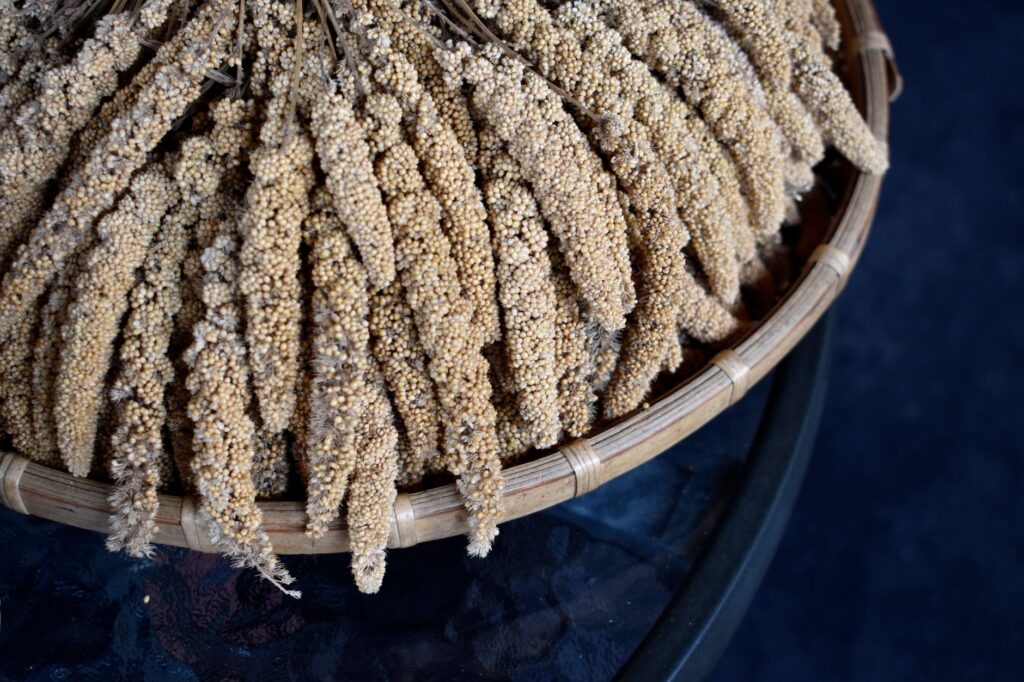
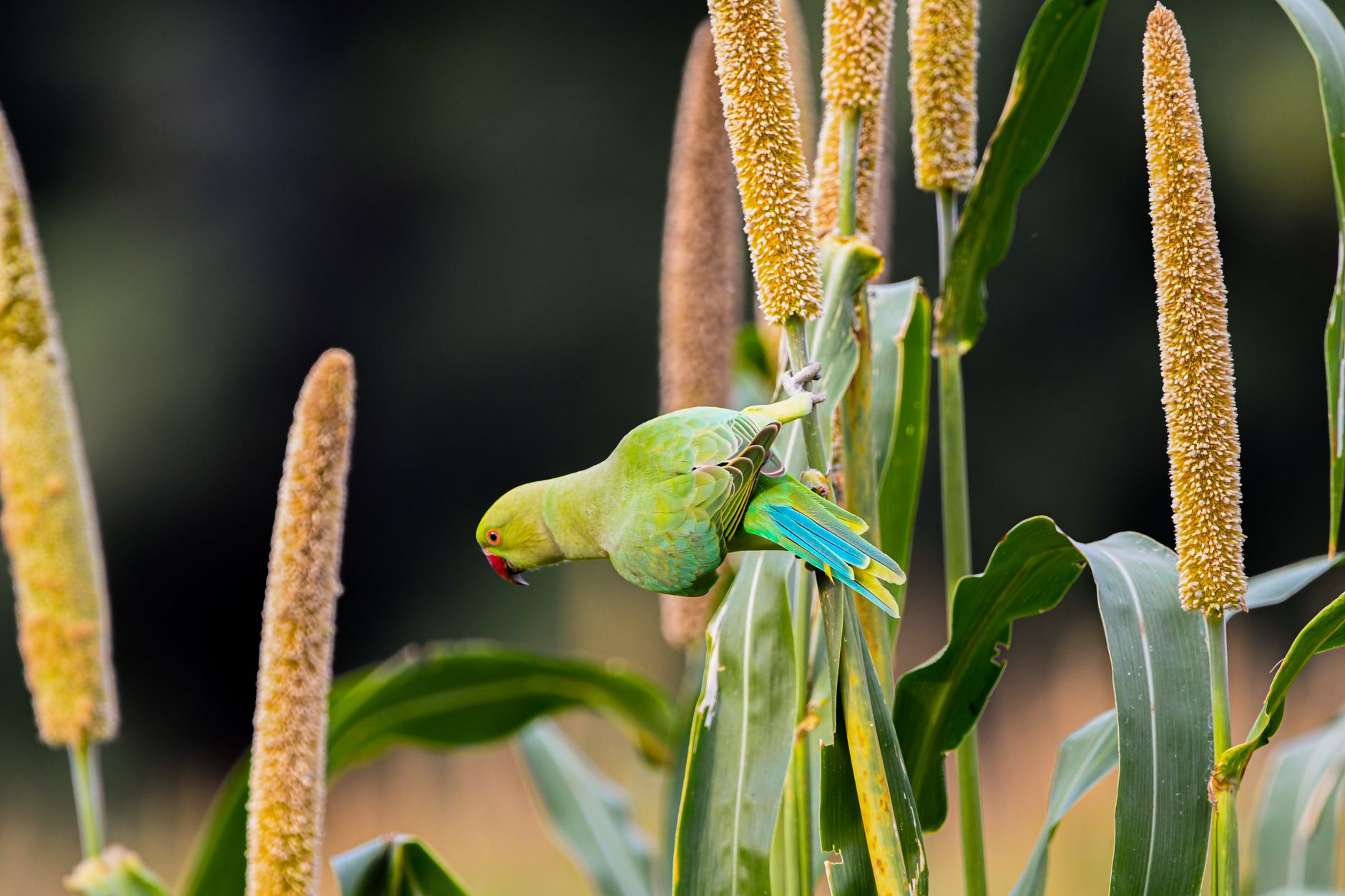
Foxtail millet, also known as kangni or navane, is a type of millet that has been a staple crop in India for centuries. It is a small, annual grass that grows to a height of about 2-3 feet, with a broad, flat leaf and a dense, cylindrical spike. Foxtail millet is a rich source of nutrients, including carbohydrates, proteins, fibers, and various minerals like manganese, copper, and phosphorus. In traditional Indian cuisine, foxtail millet is used to make a variety of dishes, including upma, khichdi, and dosas. Its high nutritional value and versatility have made it a popular choice among health-conscious individuals and those seeking to incorporate more whole, unprocessed foods into their diets.
Foxtail millet has been a part of Indian cuisine for thousands of years, with references to its cultivation and consumption found in ancient texts like the Rigveda. In Ayurvedic medicine, foxtail millet is considered a cooling food, which means it is believed to have a soothing effect on the body and can help to balance the digestive system. The traditional practice of consuming foxtail millet during the summer months is still observed in many parts of India, where it is believed to provide relief from the heat and help to prevent dehydration.
The uniqueness of foxtail millet lies in its biochemical composition, which sets it apart from other grains like rice and wheat. Foxtail millet contains a higher amount of fiber, proteins, and minerals compared to other grains, making it a more nutritious option. Additionally, its low glycemic index (GI) of 50 makes it an ideal food for people with diabetes or those who are trying to manage their blood sugar levels. The GI is a measure of how quickly a food raises blood sugar levels, with lower values indicating a slower and more gradual increase. Foxtail millet’s low GI is due to its high fiber and protein content, which slows down the digestion and absorption of carbohydrates.
The Science: Key Compounds and Research
The key compounds present in foxtail millet include manganese, copper, and phosphorus, which are essential minerals that play a crucial role in various bodily functions. Manganese, in particular, is an important antioxidant that helps to protect cells from damage caused by free radicals. Foxtail millet is an excellent source of manganese, providing about 115% of the recommended daily intake per 100g serving. The antioxidant properties of manganese have been shown to have a positive effect on blood sugar control, with studies suggesting that it can help to improve insulin sensitivity and reduce the risk of developing type 2 diabetes.
Another study published in the Journal of Food Science found that foxtail millet extract had a significant effect on reducing oxidative stress and inflammation in the body. The study suggested that the antioxidant properties of foxtail millet may help to protect against chronic diseases like heart disease, cancer, and neurodegenerative disorders.
Nutritional Profile: What Is in Every Serving
| Nutrient | Amount per 100g | Percent RDA | Health Role |
|---|---|---|---|
| Energy | 351 kcal | 18% | Provides energy for bodily functions |
| Protein | 12.3g | 25% | Builds and repairs tissues |
| Fiber | 8.5g | 34% | Supports healthy digestion and bowel function |
| Manganese | 1.1mg | 55% | Antioxidant properties, bone health |
| Copper | 0.6mg | 30% | Immune function, connective tissue health |
| Phosphorus | 285mg | 29% | Bone health, energy production |
| Iron | 2.5mg | 14% | Red blood cell production, oxygen transport |
| Zinc | 1.4mg | 9% | Immune function, wound healing |
Foxtail Millet vs Conventional Alternative: The Real Difference
When it comes to choosing a grain, many of us opt for refined and polished options like rice or wheat. However, these grains often lack the nutrients and fiber found in whole, unprocessed grains like foxtail millet. Here’s a comparison of foxtail millet with conventional alternatives like rice and quinoa:
| Parameter | Foxtail Millet | Conventional Alternative |
|---|---|---|
| Glycemic Index | 50 | 70-80 (rice), 35-45 (quinoa) |
| Fiber Content | 8.5g/100g | 2-3g/100g (rice), 5-6g/100g (quinoa) |
| Protein Content | 12.3g/100g | 7-8g/100g (rice), 8-9g/100g (quinoa) |
| Manganese Content | 1.1mg/100g | 0.5-1mg/100g (rice), 1-2mg/100g (quinoa) |
| Copper Content | 0.6mg/100g | 0.2-0.5mg/100g (rice), 0.5-1mg/100g (quinoa) |
| Phosphorus Content | 285mg/100g | 100-200mg/100g (rice), 200-300mg/100g (quinoa) |
| Iron Content | 2.5mg/100g | 1-2mg/100g (rice), 2-3mg/100g (quinoa) |
| Zinc Content | 1.4mg/100g | 0.5-1mg/100g (rice), 1-2mg/100g (quinoa) |
Health Benefits: 7 Science-Backed Reasons to Make the Switch
Blood Sugar Control
Foxtail millet’s low glycemic index and high fiber content make it an ideal food for blood sugar control. The manganese present in foxtail millet also plays a crucial role in regulating blood sugar levels. Research has shown that manganese supplementation can improve insulin sensitivity and reduce blood sugar levels in individuals with type 2 diabetes. With its unique combination of nutrients, foxtail millet is an excellent choice for those seeking to manage their blood sugar levels.
Weight Management
Foxtail millet is high in fiber and protein, making it a filling and satisfying food that can help with weight management. The fiber content in foxtail millet also helps to reduce cholesterol levels and improve digestion. With its low calorie count and high nutrient density, foxtail millet is an excellent choice for those seeking to lose weight or maintain a healthy weight.
Antioxidant Properties
Foxtail millet is rich in antioxidants like manganese, which helps to protect cells from damage caused by free radicals. The antioxidant properties of foxtail millet have been shown to have a positive effect on overall health, reducing the risk of chronic diseases like heart disease, cancer, and neurodegenerative disorders. With its high antioxidant content, foxtail millet is an excellent choice for those seeking to boost their overall health and well-being.
Cardiovascular Health
The fiber, protein, and antioxidant content in foxtail millet make it an excellent food for cardiovascular health. The potassium present in foxtail millet also helps to lower blood pressure, reducing the risk of heart disease. With its unique combination of nutrients, foxtail millet is an excellent choice for those seeking to improve their cardiovascular health.
Digestive Health
Foxtail millet is high in fiber, which helps to regulate bowel movements and prevent constipation. The fiber content in foxtail millet also helps to reduce inflammation in the digestive tract, reducing the risk of digestive disorders. With its high fiber content, foxtail millet is an excellent choice for those seeking to improve their digestive health.
Immune Function
Foxtail millet is rich in antioxidants and other nutrients that help to boost immune function. The copper present in foxtail millet also plays a crucial role in the production of white blood cells, which helps to fight off infections. With its high antioxidant content, foxtail millet is an excellent choice for those seeking to boost their immune function.
Cancer Prevention
The antioxidants and other nutrients present in foxtail millet have been shown to have a positive effect on cancer prevention. The fiber content in foxtail millet also helps to reduce the risk of colon cancer, making it an excellent choice for those seeking to reduce their risk of developing cancer.
How to Use Foxtail Millet Benefits in Daily Indian Life
Cook 1 cup of foxtail millet with 2 cups of water and add vegetables like onions, carrots, and peas. Season with salt, turmeric, and chili powder for a delicious and nutritious breakfast.
Cook 1 cup of foxtail millet with 1 cup of split lentils and 2 cups of water. Add vegetables like potatoes, cauliflower, and green beans for a nutritious and filling meal.
Soak 1 cup of foxtail millet overnight and grind it into a fine batter. Mix with 1/2 cup of yogurt and 1/2 teaspoon of salt. Cook on a non-stick pan like a regular dosa.
Cook 1 cup of foxtail millet and mix it with chopped vegetables like cucumbers, tomatoes, and carrots. Add a dressing of your choice for a healthy and refreshing salad.
Cook 1 cup of foxtail millet noodles in a flavorful broth made with vegetables and spices. Add your favorite protein source like chicken or tofu for a nutritious and comforting meal.
Mix 1 cup of foxtail millet flour with 1/2 cup of whole wheat flour and 1/4 teaspoon of salt. Add yeast and water to make a dough, and bake in the oven for a delicious and healthy bread.
Mid-Article CTA
Sisira Organics offers high-quality foxtail millet that is rich in nutrients and has a low glycemic index. Our foxtail millet is sourced from local farmers and is processed to retain its natural goodness.
How to Choose the Best Quality: 6 Tests That Work
Look for foxtail millet that is clean, dry, and free of debris. The grains should be uniform in size and color, with a slightly sweet aroma.
Foxtail millet should have a firm texture, with a slight crunch when bitten into. Avoid millet that is soft, soggy, or has a musty smell.
Check the nutrient label to ensure that the foxtail millet is rich in fiber, protein, and minerals like manganese and copper. Avoid millet that has been fortified with synthetic nutrients.
Choose foxtail millet that is sourced from local farmers who use sustainable and organic farming practices. Avoid millet that has been imported from countries with questionable farming practices.
Look for foxtail millet that is packaged in airtight containers to maintain its freshness and nutritional value. Avoid millet that is packaged in plastic bags or has been exposed to moisture.
Choose foxtail millet that has been certified by reputable organizations like the USDA or the Indian Organic Certification. Avoid millet that has not been certified or has been certified by unknown organizations.
What Ayurveda and Traditional Indian Wisdom Says
In Ayurvedic medicine, foxtail millet is considered a cooling food that can help to balance the digestive system and reduce inflammation. The traditional practice of consuming foxtail millet during the summer months is still observed in many parts of India, where it is believed to provide relief from the heat and help to prevent dehydration.
“Foxtail millet is a cooling food that can help to balance the digestive system and reduce inflammation.”
This ancient text highlights the importance of foxtail millet in maintaining digestive health and preventing diseases like diabetes and heart disease.
“Foxtail millet is a nutritious food that can help to improve overall health and well-being.”
This traditional text emphasizes the importance of foxtail millet in maintaining overall health and preventing diseases like cancer and neurodegenerative disorders.
Frequently Asked Questions
What are the benefits of foxtail millet?
Foxtail millet is rich in nutrients like fiber, protein, and minerals like manganese and copper. It has a low glycemic index, making it an ideal food for blood sugar control and weight management. Foxtail millet also has antioxidant properties, which can help to reduce inflammation and prevent chronic diseases like heart disease, cancer, and neurodegenerative disorders.
How to cook foxtail millet?
Foxtail millet can be cooked in a variety of ways, including boiling, steaming, or sautéing. It can be used to make a variety of dishes, including upma, khichdi, dosas, and salads. Foxtail millet can also be used as a substitute for rice or quinoa in many recipes.
Is foxtail millet gluten-free?
Yes, foxtail millet is gluten-free, making it an excellent option for individuals with gluten intolerance or celiac disease. Foxtail millet is also rich in fiber, which can help to improve digestion and reduce inflammation.
Can foxtail millet be used for weight loss?
Yes, foxtail millet can be used for weight loss due to its high fiber and protein content, which can help to reduce hunger and increase feelings of fullness. Foxtail millet also has a low calorie count, making it an excellent option for those seeking to lose weight.
Is foxtail millet suitable for diabetics?
Yes, foxtail millet is suitable for diabetics due to its low glycemic index, which can help to regulate blood sugar levels. Foxtail millet is also rich in fiber, which can help to slow down the digestion and absorption of carbohydrates, reducing the risk of blood sugar spikes.