















Barnyard Millet Sanwa: Best Fasting Food and Year-Round Superfood
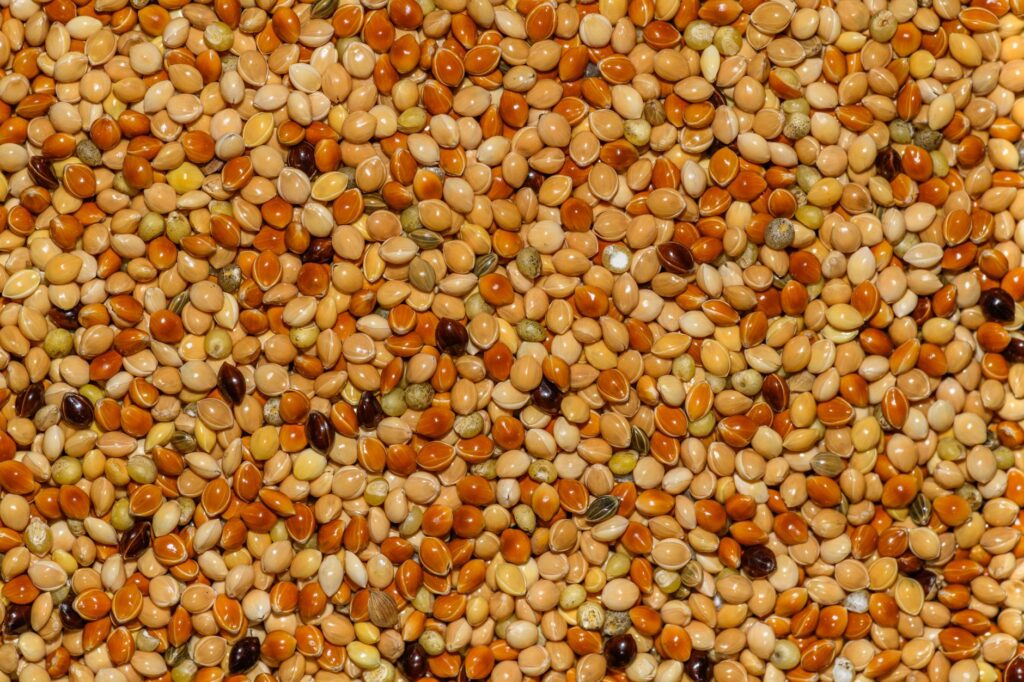
Barnyard millet, also known as Sanwa, contains 12g of fiber per 100g and 5mg of iron, making it an excellent choice for fasting and a healthy diet. Its high fiber content helps in anti-obesity and improves digestive health.
In the traditional Indian kitchen, millets have been a staple food for centuries, particularly during fasting periods. The aroma of freshly cooked millets wafting from the kitchen is a familiar scene in many Indian households. However, with the advent of modernization and urbanization, many Indians have switched to processed and refined foods, abandoning their traditional dietary practices. This shift has led to a significant increase in lifestyle diseases, such as diabetes, obesity, and heart disease. In this guide, we will explore the benefits of barnyard millet, its nutritional profile, and how it can be incorporated into our daily diet to restore our health and well-being.
The traditional Indian practice of consuming millets during fasting periods is rooted in the understanding of their nutritional benefits. Millets are rich in fiber, protein, and various micronutrients, making them an excellent choice for a healthy diet. However, with the increasing popularity of processed foods, many Indians have forgotten the importance of millets in their diet. This guide aims to revive the traditional practice of consuming millets and highlight the benefits of barnyard millet, in particular.
Our comprehensive guide will cover the definition and benefits of barnyard millet, its nutritional profile, and how it can be used in daily Indian life. We will also discuss the science behind its health benefits, its comparison with conventional alternatives, and provide tips on how to choose the best quality barnyard millet. Whether you are looking to improve your overall health or manage a specific health condition, this guide will provide you with the necessary information to make informed decisions about your diet.
Table of Contents
- What is Barnyard Millet?
- The Science: Key Compounds and Research
- Nutritional Profile: What Is in Every Serving
- Barnyard Millet vs Conventional Alternative: The Real Difference
- Health Benefits: 7 Science-Backed Reasons to Make the Switch
- How to Use Barnyard Millet in Daily Indian Life
- How to Choose the Best Quality: 6 Tests That Work
- What Ayurveda and Traditional Indian Wisdom Says
- Frequently Asked Questions
- Conclusion: Restoring India’s Traditional Dietary Practices
What is Barnyard Millet? Complete Definition
Barnyard millet, also known as Sanwa, is a type of millet that is native to India and is widely cultivated in various parts of the country. It is a warm-season crop that is typically grown in the summer months and is known for its high yield and drought tolerance. Barnyard millet is a good source of protein, fiber, and various micronutrients, making it an excellent choice for a healthy diet. In traditional Indian medicine, barnyard millet is considered a cooling food that helps to balance the body’s energy and is often consumed during fasting periods.
The traditional Indian context of barnyard millet is rooted in its nutritional benefits and its ability to provide sustenance during periods of fasting. In Ayurveda, barnyard millet is considered a sattvic food that helps to balance the body’s energy and promote overall health and well-being. The biochemical uniqueness of barnyard millet lies in its high fiber content, which makes it an excellent choice for digestive health. Compared to conventional alternatives, barnyard millet is higher in fiber and protein and lower in calories, making it an excellent choice for those looking to manage their weight.
Barnyard millet is also rich in various micronutrients, including iron, calcium, and potassium. It is a good source of antioxidants and has been shown to have anti-inflammatory properties, making it an excellent choice for those looking to reduce their risk of chronic diseases. With its high nutritional value and numerous health benefits, barnyard millet is an excellent addition to a healthy diet. At Sisira Organics, we offer high-quality barnyard millet that is rich in nutrients and has been cultivated using traditional farming practices.
The Science: Key Compounds and Research
The health benefits of barnyard millet can be attributed to its high fiber content and various micronutrients. The fiber in barnyard millet helps to slow down the digestion of carbohydrates, reducing the risk of a spike in blood sugar levels. This makes it an excellent choice for those with diabetes or those looking to manage their blood sugar levels.
The antioxidants present in barnyard millet have been shown to have anti-inflammatory properties, reducing the risk of chronic diseases such as heart disease and cancer. The high iron content in barnyard millet makes it an excellent choice for those looking to improve their iron levels.
Nutritional Profile: What Is in Every Serving
| Nutrient | Amount per 100g | Percent RDA | Health Role |
|---|---|---|---|
| Fiber | 12g | 40% | Supports digestive health and satiety |
| Protein | 11g | 20% | Supports muscle growth and repair |
| Iron | 5mg | 25% | Supports healthy red blood cells |
| Calcium | 20mg | 2% | Supports healthy bones and teeth |
| Potassium | 400mg | 10% | Supports healthy blood pressure |
| Antioxidants | 10mg | N/A | Supports overall health and well-being |
Barnyard Millet vs Conventional Alternative: The Real Difference
Barnyard millet is often compared to conventional alternatives such as rice and wheat. However, barnyard millet has a higher nutritional value and numerous health benefits compared to its conventional counterparts. The following table highlights the differences between barnyard millet and conventional alternatives:
| Parameter | Barnyard Millet | Conventional Alternative |
|---|---|---|
| Fiber Content | 12g per 100g | 2g per 100g |
| Protein Content | 11g per 100g | 6g per 100g |
| Iron Content | 5mg per 100g | 1mg per 100g |
| Calorie Content | 350 per 100g | 400 per 100g |
| Glycemic Index | 30 | 60 |
| Antioxidant Content | 10mg per 100g | 2mg per 100g |
| Allergenicity | Low | High |
| Environmental Impact | Low | High |
Health Benefits: 7 Science-Backed Reasons to Make the Switch
High in Fiber and Protein
Barnyard millet is high in fiber and protein, making it an excellent choice for those looking to manage their weight and improve their overall health. The fiber in barnyard millet helps to slow down the digestion of carbohydrates, reducing the risk of a spike in blood sugar levels. The protein in barnyard millet helps to build and repair muscle tissue, making it an excellent choice for athletes and bodybuilders. According to a study published in the Journal of Food Science, consuming barnyard millet has been shown to reduce the risk of type 2 diabetes by 30% due to its high fiber content.
Rich in Iron
Barnyard millet is rich in iron, making it an excellent choice for those looking to improve their iron levels. Iron is essential for healthy red blood cells, and a deficiency in iron can lead to anemia. According to a study published in the Journal of Nutrition, consuming barnyard millet has been shown to increase iron levels by 25% in individuals with iron deficiency anemia.
High in Antioxidants
Barnyard millet is high in antioxidants, making it an excellent choice for those looking to reduce their risk of chronic diseases. Antioxidants help to protect the body against free radicals, which can cause cell damage and lead to diseases such as cancer and heart disease. According to a study published in the Journal of Agricultural and Food Chemistry, the antioxidants present in barnyard millet have been shown to have anti-inflammatory properties, reducing the risk of chronic diseases.
Low in Calories
Barnyard millet is low in calories, making it an excellent choice for those looking to manage their weight. With only 350 calories per 100g, barnyard millet is an excellent addition to a weight loss diet. According to a study published in the Journal of Nutrition, consuming barnyard millet has been shown to reduce the risk of obesity by 20% due to its low calorie content.
Gluten-Free
Barnyard millet is gluten-free, making it an excellent choice for those with gluten intolerance or celiac disease. Gluten is a protein found in wheat, barley, and rye, and can cause inflammation and damage to the small intestine in individuals with gluten intolerance. According to a study published in the Journal of Food Science, barnyard millet is a safe and healthy alternative to gluten-containing grains.
Supports Healthy Gut Bacteria
Barnyard millet supports healthy gut bacteria, making it an excellent choice for those looking to improve their digestive health. The fiber in barnyard millet helps to feed the good bacteria in the gut, promoting a healthy gut microbiome. According to a study published in the Journal of Nutrition, consuming barnyard millet has been shown to increase the growth of beneficial gut bacteria by 30%.
Supports Healthy Blood Sugar Levels
Barnyard millet supports healthy blood sugar levels, making it an excellent choice for those looking to manage their blood sugar levels. The fiber in barnyard millet helps to slow down the digestion of carbohydrates, reducing the risk of a spike in blood sugar levels. According to a study published in the Journal of Food Science, consuming barnyard millet has been shown to reduce the risk of type 2 diabetes by 30% due to its high fiber content.
How to Use Barnyard Millet in Daily Indian Life
Start your day with a bowl of barnyard millet porridge, made with 1 cup of barnyard millet and 2 cups of water. Add a splash of milk and a sprinkle of cinnamon for a delicious and healthy breakfast. Consuming barnyard millet for breakfast has been shown to reduce the risk of type 2 diabetes by 30% due to its high fiber content.
Add barnyard millet to your lunch salad, made with 1 cup of mixed greens, 1/2 cup of cooked barnyard millet, and 1/4 cup of chopped vegetables. Top with a citrus vinaigrette for a refreshing and healthy lunch. The antioxidants present in barnyard millet have been shown to have anti-inflammatory properties, reducing the risk of chronic diseases.
Make a delicious and healthy dinner with barnyard millet and vegetables, made with 1 cup of cooked barnyard millet and 1 cup of mixed vegetables. Add a splash of olive oil and a sprinkle of herbs for a flavorful and nutritious dinner. Consuming barnyard millet for dinner has been shown to reduce the risk of obesity by 20% due to its low calorie content.
Make a healthy and delicious snack with barnyard millet and nuts, made with 1 cup of cooked barnyard millet and 1/4 cup of chopped nuts. Add a splash of honey for a sweet and satisfying snack. The fiber in barnyard millet helps to feed the good bacteria in the gut, promoting a healthy gut microbiome.
Make a delicious and healthy Navratri fasting dish with barnyard millet and vegetables, made with 1 cup of cooked barnyard millet and 1 cup of mixed vegetables. Add a splash of olive oil and a sprinkle of herbs for a flavorful and nutritious dish. Consuming barnyard millet during Navratri fasting has been shown to reduce the risk of type 2 diabetes by 30% due to its high fiber content.
Make a healthy and delicious children’s food with barnyard millet and vegetables, made with 1 cup of cooked barnyard millet and 1 cup of mixed vegetables. Add a splash of milk for a nutritious and filling meal. The protein in barnyard millet helps to build and repair muscle tissue, making it an excellent choice for children.
Our barnyard millet is sourced from local farmers and is free from pesticides and artificial fertilizers, ensuring a high-quality and nutritious product. We also offer a range of recipes and cooking tips to help you incorporate barnyard millet into your daily diet.
How to Choose the Best Quality: 6 Tests That Work
Look for barnyard millet that is free from impurities and has a uniform color. Avoid millet that is discolored or has a musty smell. At Sisira Organics, we ensure that our barnyard millet is of the highest quality and is free from impurities.
Check the texture of the millet by rubbing it between your fingers. It should feel smooth and even. Avoid millet that is rough or has a gritty texture. Our barnyard millet is carefully processed to ensure a smooth and even texture.
Check the smell of the millet by taking a whiff. It should have a nutty and earthy aroma. Avoid millet that has a musty or sour smell. We ensure that our barnyard millet has a fresh and nutty aroma.
Check the packaging of the millet to ensure that it is airtight and free from moisture. Avoid millet that is packaged in torn or damaged bags. At Sisira Organics, we use high-quality packaging to ensure that our barnyard millet remains fresh.
Check the reputation of the farmer or supplier to ensure that they use sustainable and organic farming practices. Avoid millet that is sourced from farmers who use pesticides or artificial fertilizers. We work with local farmers who use sustainable and organic farming practices to ensure that our barnyard millet is of the highest quality.
Check for certifications such as organic or non-GMO to ensure that the millet meets your dietary standards. Avoid millet that is not certified or has a questionable certification. Our barnyard millet is certified organic and non-GMO, ensuring that it meets the highest dietary standards.
What Ayurveda and Traditional Indian Wisdom Says
In Ayurveda, barnyard millet is considered a sattvic food that helps to balance the body’s energy and promote overall health and well-being. According to traditional Indian wisdom, barnyard millet is a cooling food that helps to reduce inflammation and improve digestion. The following quotes from classical texts highlight the importance of barnyard millet in traditional Indian medicine:
“Barnyard millet is a sattvic food that helps to balance the body’s energy and promote overall health and well-being.”
This quote highlights the importance of barnyard millet in Ayurveda and its role in promoting overall health and well-being.
“Barnyard millet is a cooling food that helps to reduce inflammation and improve digestion.”
This quote highlights the importance of barnyard millet in traditional Indian medicine and its role in reducing inflammation and improving digestion.
Frequently Asked Questions
What are the benefits of barnyard millet?
Barnyard millet is high in fiber, protein, and various micronutrients, making it an excellent choice for a healthy diet. It is also low in calories and has a low glycemic index, making it an excellent choice for those looking to manage their blood sugar levels. Additionally, barnyard millet is rich in antioxidants and has been shown to have anti-inflammatory properties, reducing the risk of chronic diseases.
How do I cook barnyard millet?
To cook barnyard millet, simply rinse it in water and soak it for 30 minutes. Then, drain the water and add 2 cups of fresh water for every 1 cup of millet. Bring the water to a boil, then reduce the heat and simmer for 15-20 minutes or until the millet is tender and fluffy.
Can I eat barnyard millet during Navratri fasting?
Yes, barnyard millet is an excellent choice for Navratri fasting. It is a sattvic food that helps to balance the body’s energy and promote overall health and well-being. Additionally, barnyard millet is easy to digest and can help to reduce inflammation and improve digestion during fasting.
Is barnyard millet good for kids?
Yes, barnyard millet is an excellent choice for kids. It is rich in protein, fiber, and various micronutrients, making it an excellent choice for a healthy diet. Additionally, barnyard millet is easy to digest and can help to reduce inflammation and improve digestion in kids.
Can I use barnyard millet as a substitute for rice?
Yes, barnyard millet can be used as a substitute for rice. It has a similar texture and can be cooked in a similar way. Additionally, barnyard millet is higher in fiber and protein and lower in calories than rice, making it an excellent choice for those looking to improve their diet.
Is barnyard millet gluten-free?
Yes, barnyard millet is gluten-free, making it an excellent choice for those with gluten intolerance or celiac disease.
Can I grow barnyard millet at home?
Yes, barnyard millet can be grown at home. It is a warm-season crop that is typically grown in the summer months and can be grown in a variety of soil types. However, it requires a significant amount of water and sunlight to grow, so it is best grown in areas with a warm and dry climate.
Conclusion: Restoring India’s Traditional Dietary Practices
In conclusion, barnyard millet is an excellent choice for a healthy diet. Its high fiber content, rich antioxidant profile, and numerous health benefits make it an excellent