















Why This Guide Exists – The PCOS‑Millet Gap
Polycystic Ovary Syndrome (PCOS) affects 1 in 5 Indian women of reproductive age. Insulin resistance, hormonal imbalance and chronic low‑grade inflammation are the three pillars that drive the condition. While doctors prescribe metformin, hormonal pills or lifestyle changes, the food you put on your plate can either fuel the problem or help tame it.
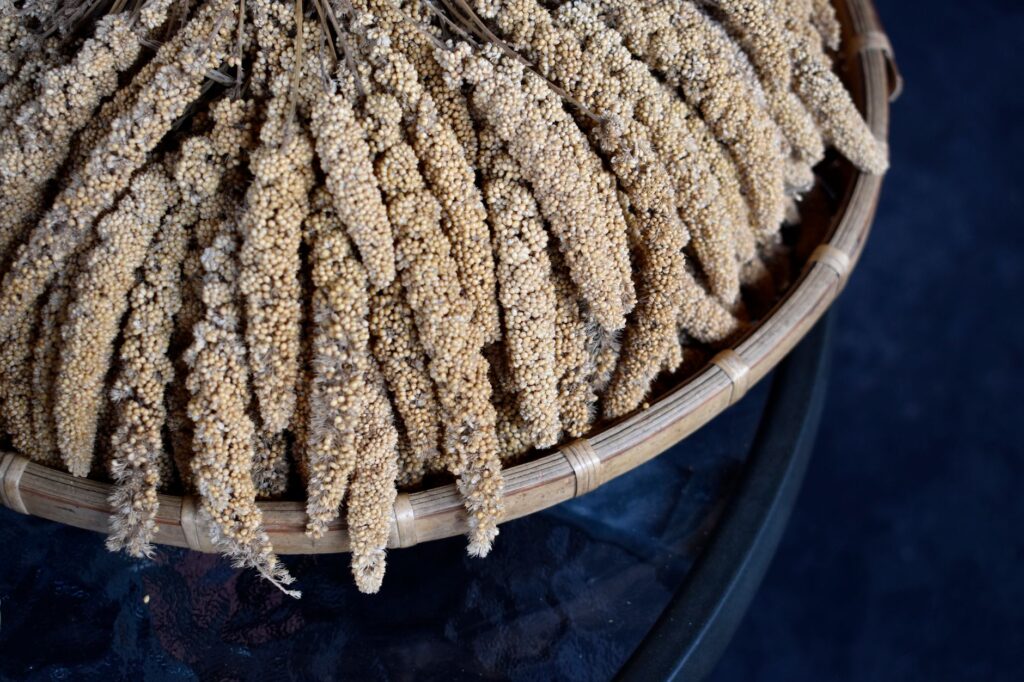
Millets—finger millet (ragi), pearl millet (bajra), foxtail millet (kangni), little millet (kutki), kodo millet (kodon) and barnyard millet (sanwa)—are naturally low‑glycaemic, rich in soluble fibre, magnesium, zinc and antioxidants. Yet, the Indian market is flooded with sub‑standard, adulterated or poorly packaged millets that can defeat the purpose of a PCOS‑friendly diet.
This guide cuts through the noise, giving you a **practical, evidence‑backed buying and usage roadmap** so you can confidently pick the best millets for PCOS and reap their hormonal‑balancing benefits.
- Millets lower post‑prandial glucose spikes, a key factor in insulin‑resistant PCOS.
- High fibre content improves gut microbiota, which in turn modulates estrogen metabolism.
- Minerals like magnesium and zinc support ovarian function and reduce oxidative stress.
- Choosing certified organic millets minimizes pesticide load—a hidden endocrine disruptor.
What to Look for When Buying – 6 Crucial Factors
1. Certification & Authenticity
– **FSSAI Organic Logo** (or NOP/India Organic) guarantees no synthetic pesticides or GMOs.
– **APEDA (Agricultural and Processed Food Products Export Development Authority)** certification adds a layer of export‑grade quality, often reflecting stricter testing.
2. Grain Integrity (Whole vs. Broken)
– Whole grains retain the bran and germ, the richest sources of fibre, iron and B‑vitamins.
– Broken or “pearled” millets have a lower nutritional profile and may be cheaper, but they also have a higher glycaemic index.
3. Moisture Content & Shelf‑Life
– Ideal moisture <12 %; higher moisture encourages mould, mycotoxins and rancidity. Look for “dry, crisp” grains that produce a faint “nutty” aroma.
4. Source & Region
– Ragi from **Madhya Pradesh** or **Karnataka**; Bajra from **Rajasthan** or **Madhya Pradesh**; Little millet from **Maharashtra**. Traditional growing zones often mean heirloom varieties with better nutrient density.
5. Packaging – Airtight & UV‑Protected
– Multi‑layer laminated pouches with a zip lock or vacuum‑sealed jars protect against oxidation and pest infestation.
– Transparent plastic bags are a red flag (light degrades carotenoids, especially in ragi).
6. Price‑to‑Quality Ratio
– Extremely low prices (< ₹30 /kg for ragi) often indicate bulk‑blended, low‑grade or even counterfeit grain.
– A modest premium (₹40‑₹70 /kg for certified organic) usually translates into genuine quality and traceability.
| Millet | GI (Glucose) | Fiber (g/100 g) | Iron (mg/100 g) | Key PCOS Benefit |
|---|---|---|---|---|
| Finger millet (Ragi) | 55 | 3.6 | 3.9 | High calcium & magnesium – improves insulin sensitivity |
| Pearl millet (Bajra) | 50 | 2.9 | 3.6 | Rich in polyphenols – reduces ovarian inflammation |
| Foxtail millet (Kangni) | 55 | 2.2 | 2.1 | Low‑fat, high protein – supports lean body mass |
| Little millet (Kutki) | 55 | 3.0 | 2.8 | High zinc – essential for hormone synthesis |
| Kodo millet (Kodon) | 55 | 2.5 | 2.5 | Prebiotic fibre – balances gut microbiome |
| Barnyard millet (Sanwa) | 55 | 2.8 | 2.2 | Fast cooking, good for weight‑management diets |
Red Flags & Adulteration Signs – Protect Your Health
1. **Color Mismatch** – Ragi should be deep reddish‑brown; a pale or grey hue suggests bleaching or mixing with cheaper cereals like wheat or rice.
2. **Uniformly Small Particles** – Indicates that the grain has been *ground* and re‑pelleted, losing fibre and adding hidden starch.
3. **Unpleasant Odour** – Musty, sour or “stale” smells point to fungal growth (aflatoxins).
4. **Excessive Dust or Fine Powder** – Sign of *adulteration with husk, broken shells or even sand* to increase weight.
5. **Missing Batch/Lot Information** – Reputable brands print batch numbers, manufacturing/expiry dates and a QR code linking to traceability data.
6. **Price Too Good to Be True** – Below‑market rates often hide *synthetic fillers* like maize or sorghum.
If any of these appear, discard the product. Remember, **quality beats quantity** when managing PCOS.
How to Use, Cook & Store Millets for Maximum PCOS Benefits
1. Basic Preparation Steps
– **Rinse**: Place millets in a fine‑mesh strainer, rinse under cold water for 30 seconds.
– **Soak (optional)**: Soaking 30 minutes reduces anti‑nutrients (phytates) and speeds cooking. For ragi and bajra, a 4‑hour soak is ideal.
– **Roast Lightly**: Dry‑roast 2‑3 minutes on low flame; this enhances aroma and reduces residual moisture.
2. Cooking Methods
| Millet | Water Ratio | Cooking Time | Ideal Recipes for PCOS |
|——–|————-|————–|————————|
| Ragi | 1 : 3 | 15‑20 min (pressure cooker 1 whistle) | Ragi dosa, ragi upma, ragi porridge with cinnamon |
| Bajra | 1 : 2.5 | 20‑25 min (pressure cooker 2 whistles) | Bajra khichdi with moong, bajra roti with fenugreek |
| Kangni | 1 : 2.5 | 12‑15 min (pot) | Kangni pulao with mixed veg, millet salad |
| Kutki | 1 : 3 | 18‑20 min | Kutki khichdi, millet laddoo (sweetened with jaggery) |
| Kodon | 1 : 2.5 | 15‑18 min | Kodon upma, millet idli batter |
| Sanwa | 1 : 2 | 10‑12 min | Sanwa khichdi, quick millet porridge |
*Tip*: Use a **pressure cooker** for 1‑2 whistles to preserve nutrients and reduce cooking time—a boon for busy Indian women.
3. Storage Best Practices
– Transfer millets from original packaging into **air‑tight glass jars** or BPA‑free PET containers.
– Store in a **cool, dark pantry** (below 25 °C).
– Add a **silica gel packet** (food‑grade) to absorb residual moisture.
– Shelf‑life: **12 months** for whole grain, **6 months** for roasted or pre‑cooked millets.
Price Range in INR – From Value to Premium
| Quality Tier | Typical Price (per kg) | What You Get |
|————–|———————–|————–|
| **Budget** (non‑organic, broken) | ₹20 – ₹35 | Basic carbohydrate, higher GI, possible adulterants |
| **Mid‑range** (FSSAI organic, whole) | ₹40 – ₹70 | Certified organic, whole grain, good shelf‑life |
| **Premium** (APEDA, heirloom, cold‑processed) | ₹80 – ₹130 | Traceable farm source, minimal processing, superior nutrient retention |
| **Ultra‑Premium** (single‑origin, hand‑sorted, eco‑pack) | ₹150 – ₹200+ | Small‑batch, farmer‑direct, often includes value‑added blends (e.g., millet‑seed mix with nuts) |
For PCOS management, aim for the **mid‑range to premium** tier. The modest extra cost is justified by lower pesticide residues and higher fibre content.
Recommended Brands & Sources in India
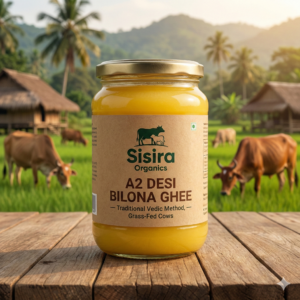
1. **Sisira Organics** – Certified organic ragi, bajra, and little millet; vacuum‑sealed pouches; QR traceability.
2. **24 Mantra Organic** – APEDA‑certified; offers millet blends (e.g., Ragi+Foxtail) for quick cooking.
3. **Organic India** – Known for millet powders (ragi flour) ideal for smoothies and rotis.
4. **Pure & Sure** – Direct‑farm sourced kodo millet, sold in reusable glass jars.
5. **Nature’s Field** – Small‑batch barnyard millet, packaged in UV‑protected sachets; great for instant porridge.
**Local Sources**: Visit state agricultural fairs (e.g., *Madhya Pradesh Krishi Mela*), cooperative societies, or *Mandis* in Maharashtra and Rajasthan for freshly harvested, un‑blended millets at fair prices. Always ask for **certificate of analysis**.
Common Mistakes to Avoid – Protect Your PCOS Journey
– **Over‑cooking**: Prolonged boiling destroys heat‑sensitive antioxidants (e.g., polyphenols in bajra).
– **Using Refined Flour**: Switching to millet *flour* that is heavily refined defeats the fibre advantage.
– **Skipping Soaking**: Leads to poor digestibility and higher phytate load, which can impede iron absorption—critical for PCOS‑related anemia.
– **Relying Solely on Millets**: They are a *tool*, not a cure. Combine with balanced protein, healthy fats and regular exercise.
– **Ignoring Portion Sizes**: Even low‑GI foods can cause weight gain if consumed in excess; aim for ½ cup cooked millet per meal.
FAQ – Quick Answers for Busy Readers
Quick Summary Checklist – Your PCOS‑Millet Action Plan
- Choose **FSSAI/APEDA‑organic, whole‑grain millets** with <12 % moisture.
- Prefer **mid‑range to premium brands** (Sisira, 24 Mantra, Organic India).
- Check packaging: airtight, UV‑protected, batch‑coded.
- Rinse, soak (30 min‑4 hr), dry‑roast, then cook with correct water ratio.
- Store in glass jars with silica packets; use within 12 months.</li