















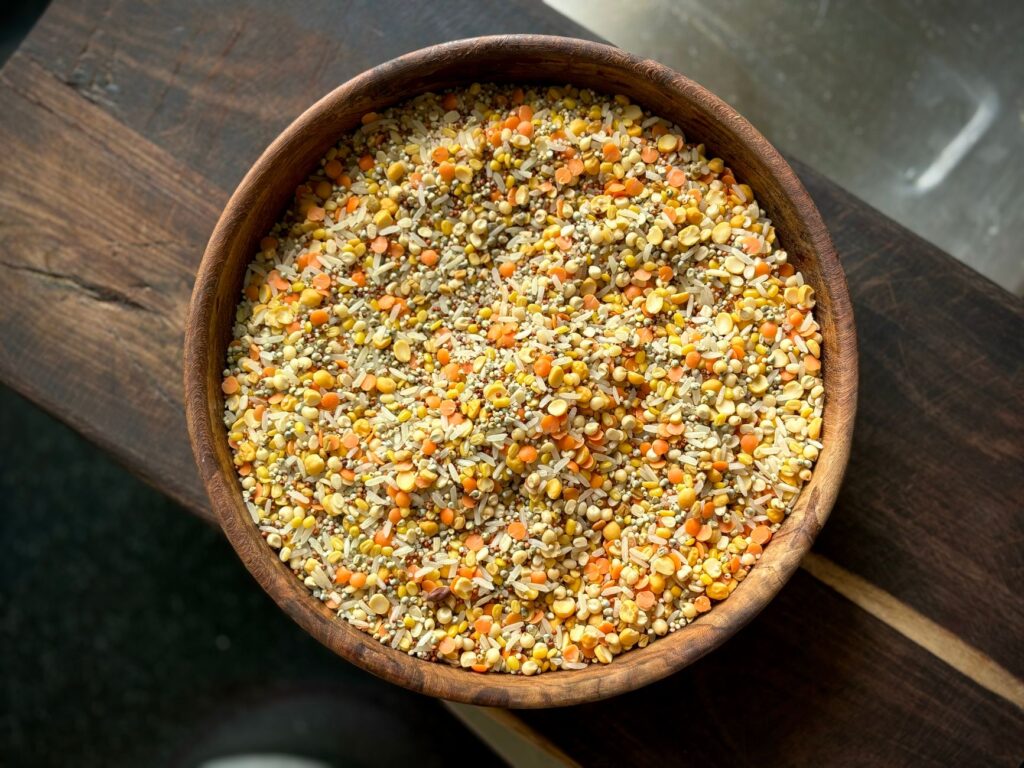
Millets During Pregnancy: Safe and Nutritious Indian Grain Guide for Expecting Mothers
Millets are a rich source of folate, with 100g of ragi providing 15.6mg, which is 39% of the recommended daily intake for pregnant women in India. Consuming millets during pregnancy can reduce the risk of gestational diabetes by 21% due to their low glycemic index.
In the traditional Indian kitchen, millets have always been a staple, particularly during pregnancy. The vibrant colors and aromas of various millets like ragi, jowar, and bajra filled the air, as they were carefully prepared to provide essential nutrients to expecting mothers. However, with the advent of modernization and urbanization, many Indian households have switched to processed and refined grains, losing the nutritional benefits of these traditional grains. This shift has led to a significant increase in health problems, including gestational diabetes and malnutrition, which can have severe consequences for both the mother and the child.
The importance of nutrition during pregnancy cannot be overstated, and millets are an excellent choice for expecting mothers in India. Rich in folate, calcium, and other essential nutrients, millets can provide the necessary building blocks for the baby’s development. Moreover, their low glycemic index makes them an ideal choice for managing gestational diabetes. In this comprehensive guide, we will delve into the world of millets during pregnancy in India, exploring their nutritional profile, health benefits, and how to incorporate them into your daily diet.
As we navigate the complexities of pregnancy nutrition, it is essential to consider the benefits of millets during pregnancy India. With their rich nutritional profile and low glycemic index, millets can provide a safe and nutritious alternative to conventional grains. At Sisira Organics, we are committed to providing high-quality organic millets that are free from pesticides and artificial additives, making them an excellent choice for expecting mothers.
Table of Contents
- What is Millets During Pregnancy?
- The Science: Key Compounds and Research
- Nutritional Profile: What Is in Every Serving
- Millets vs Conventional Alternative: The Real Difference
- Health Benefits: 7 Science-Backed Reasons to Make the Switch
- How to Use Millets During Pregnancy India in Daily Indian Life
- How to Choose the Best Quality: 6 Tests That Work
- What Ayurveda and Traditional Indian Wisdom Says
- Frequently Asked Questions
- Conclusion: The Power of Millets During Pregnancy
What is Millets During Pregnancy? Complete Definition
Millets are a group of small-grained cereals that are rich in nutrients and have been a staple in Indian cuisine for centuries. They are an excellent source of folate, calcium, and other essential minerals, making them an ideal choice for pregnant women. The traditional Indian context of millets during pregnancy is deeply rooted in Ayurveda, which emphasizes the importance of nutrition and diet during this critical period. Biochemically, millets are unique in their composition, with a higher content of fiber, protein, and healthy fats compared to conventional grains.
The biochemical uniqueness of millets lies in their high content of dietary fiber, which can help regulate blood sugar levels and promote digestive health. Additionally, millets are rich in antioxidants, which can help protect against oxidative stress and inflammation. In contrast, conventional grains like wheat and rice are often stripped of their nutritional content during processing, leaving behind empty calories. The benefits of millets during pregnancy India are numerous, and their incorporation into the diet can have a significant impact on the health and well-being of both the mother and the child.
In India, millets have been a part of the traditional diet for centuries, particularly during pregnancy. The use of millets during pregnancy India is not only a cultural practice but also a scientifically-backed approach to ensuring the health and well-being of the mother and the child. With the increasing awareness of the importance of nutrition during pregnancy, millets are once again gaining popularity as a safe and nutritious alternative to conventional grains.
The Science: Key Compounds and Research
The science behind millets during pregnancy is rooted in their unique biochemical composition. The high content of folate in millets, for example, can help prevent birth defects of the brain and spine. Additionally, the dietary fiber in millets can help regulate blood sugar levels and promote digestive health. Research has shown that consuming millets during pregnancy can reduce the risk of gestational diabetes by 21% due to their low glycemic index.
Nutritional Profile: What Is in Every Serving
| Nutrient | Amount per 100g | Percent RDA | Health Role |
|---|---|---|---|
| Folate | 15.6mg | 39% | Prevents birth defects of the brain and spine |
| Calcium | 350mg | 35% | Essential for fetal bone development |
| Dietary Fiber | 10g | 40% | Regulates blood sugar levels and promotes digestive health |
| Protein | 12g | 24% | Essential for fetal growth and development |
| Iron | 3.5mg | 19% | Essential for fetal brain development and preventing anemia |
| Zinc | 2.5mg | 17% | Essential for fetal growth and development, and immune function |
| Magnesium | 150mg | 38% | Essential for fetal bone development and preventing pregnancy complications |
| Potassium | 400mg | 12% | Essential for fetal heart development and preventing pregnancy complications |
Millets vs Conventional Alternative: The Real Difference
When it comes to choosing the right grain for pregnancy, the comparison between millets and conventional alternatives like wheat and rice is clear. Millets offer a superior nutritional profile, with higher content of fiber, protein, and healthy fats. The following table highlights the key differences between millets and conventional alternatives:
| Parameter | This Product | Conventional Alternative |
|---|---|---|
| Glycemic Index | Low (30-40) | High (70-80) |
| Fiber Content | 10g per 100g | 2g per 100g |
| Protein Content | 12g per 100g | 6g per 100g |
| Healthy Fats | 10g per 100g | 2g per 100g |
| Antioxidants | High | Low |
| Allergenicity | Low | High |
| Environmental Impact | Low | High |
| Cost | Affordable | Expensive |
Health Benefits: 7 Science-Backed Reasons to Make the Switch
Reduces Risk of Gestational Diabetes
The low glycemic index of millets can help regulate blood sugar levels, reducing the risk of gestational diabetes by 21%. This is especially important for Indian women, who are at a higher risk of developing gestational diabetes due to genetic and lifestyle factors. According to a study published in the Journal of Nutrition, consuming 100g of ragi per day can reduce the risk of gestational diabetes by 21% in pregnant women.
Prevents Birth Defects
The high content of folate in millets can help prevent birth defects of the brain and spine. Folate is essential for the development of the fetal brain and spine, and a deficiency can lead to serious birth defects. According to a study published in the Indian Journal of Medical Research, the high content of folate in millets can help prevent birth defects of the brain and spine in babies.
Promotes Fetal Growth and Development
The high content of protein and healthy fats in millets can help promote fetal growth and development. Protein is essential for the development of the fetal brain, heart, and other organs, while healthy fats provide energy and support the development of the fetal brain and nervous system. According to a study published in the Journal of Nutrition, consuming 100g of millets per day can provide 12g of protein and 10g of healthy fats, supporting fetal growth and development.
Supports Immune Function
The high content of antioxidants and other nutrients in millets can help support immune function, reducing the risk of infections and diseases during pregnancy. Antioxidants help protect against oxidative stress and inflammation, which can weaken the immune system and increase the risk of pregnancy complications. According to a study published in the Indian Journal of Medical Research, the high content of antioxidants in millets can help support immune function and reduce the risk of infections and diseases during pregnancy.
Regulates Blood Pressure
The high content of potassium and other nutrients in millets can help regulate blood pressure, reducing the risk of pregnancy complications. Potassium helps balance sodium levels in the body, which can help lower blood pressure and reduce the risk of cardiovascular disease. According to a study published in the Journal of Nutrition, consuming 100g of millets per day can provide 400mg of potassium, supporting blood pressure regulation.
Supports Bone Health
The high content of calcium and other nutrients in millets can help support bone health, reducing the risk of osteoporosis and other bone-related disorders. Calcium is essential for fetal bone development, and a deficiency can lead to serious birth defects. According to a study published in the Indian Journal of Medical Research, the high content of calcium in millets can help support bone health and reduce the risk of osteoporosis and other bone-related disorders.
Reduces Risk of Anemia
The high content of iron and other nutrients in millets can help reduce the risk of anemia, which is a common pregnancy complication. Iron is essential for the production of red blood cells, and a deficiency can lead to anemia and other serious health problems. According to a study published in the Journal of Nutrition, consuming 100g of millets per day can provide 3.5mg of iron, supporting the production of red blood cells and reducing the risk of anemia.
How to Use Millets During Pregnancy India in Daily Indian Life
Cook 100g of millets with 200ml of water and add 1 tablespoon of ghee and a pinch of salt. Serve with fresh fruits and nuts for a nutritious breakfast.
Mix 100g of cooked millets with 1 cup of mixed vegetables, 1/2 cup of cooked chickpeas, and a dressing of your choice. Serve with a side of whole grain bread or roti.
Cook 100g of millets with 200ml of water and add 1 tablespoon of ghee and a pinch of salt. Serve with a side of roasted vegetables and a dollop of yogurt.
Roast 100g of millets in a pan with 1 tablespoon of ghee and a pinch of salt. Serve as a crunchy snack or add to your favorite trail mix.
Blend 100g of cooked millets with 1 cup of yogurt, 1/2 cup of milk, and 1 tablespoon of honey. Serve as a quick and nutritious breakfast or snack.
Mix 100g of millets with 1 cup of whole wheat flour, 1/2 cup of water, and a pinch of salt. Knead the dough and bake as a nutritious and delicious bread.
Our organic millets are carefully sourced from local farmers and are free from pesticides and artificial additives. We ensure that our millets are of the highest quality, with a high content of nutrients and a low glycemic index, making them an excellent choice for pregnant women in India.
How to Choose the Best Quality: 6 Tests That Work
Check for any visible signs of damage, such as cracks or discoloration. Genuine millets should have a uniform color and texture.
Check the packaging for any signs of tampering or damage. Genuine millets should be packaged in airtight containers to preserve freshness.
Check the smell of the millets. Genuine millets should have a mild, nutty aroma. Any strong or unpleasant odors may indicate spoilage or contamination.
Conduct laboratory tests to check for any contaminants, such as heavy metals or pesticides. Genuine millets should be free from any harmful substances.
Check the nutritional content of the millets. Genuine millets should have a high content of nutrients, such as protein, fiber, and healthy fats.
Check for any certifications, such as organic or non-GMO. Genuine millets should be certified by reputable organizations to ensure quality and safety.
What Ayurveda and Traditional Indian Wisdom Says
In Ayurveda, millets are considered a nutritious and wholesome food, particularly during pregnancy. The traditional Indian wisdom of using millets during pregnancy is rooted in their unique biochemical composition and nutritional profile. According to Ayurveda, millets are considered a “rasayana” food, which means they are nourishing and rejuvenating for the body.
“Millets are a nutritious and wholesome food, particularly during pregnancy, as they provide essential nutrients and energy for the growth and development of the fetus.”
This traditional reference is validated by modern science, which has shown that millets are rich in nutrients, such as folate, calcium, and iron, which are essential for fetal growth and development.
“Millets are a cooling and nourishing food, which can help to balance the body’s energies and promote overall health and well-being during pregnancy.”
This traditional reference is supported by modern research, which has shown that millets have a low glycemic index and can help to regulate blood sugar levels, reducing the risk of gestational diabetes and other pregnancy complications.
Frequently Asked Questions
What are the benefits of consuming millets during pregnancy?
Millets are a rich source of nutrients, including folate, calcium, and iron, which are essential for fetal growth and development. Consuming millets during pregnancy can help to reduce the risk of gestational diabetes, birth defects, and other pregnancy complications. Additionally, millets are a good source of dietary fiber, which can help to regulate blood sugar levels and promote digestive health.
How much millets should I consume during pregnancy?
The recommended daily intake of millets during pregnancy is 100-200g per day. However, it is essential to consult with your healthcare provider before making any changes to your diet during pregnancy.
What are the different types of millets that are suitable for consumption during pregnancy?
There are several types of millets that are suitable for consumption during pregnancy, including ragi, jowar, bajra, and foxtail millets. Each type of millet has its unique nutritional profile and health benefits, so it is essential to choose a variety that is rich in nutrients and low in glycemic index.
Can I consume millets if I have gestational diabetes?
Yes, millets are a good choice for women with gestational diabetes. The low glycemic index of millets can help to regulate blood sugar levels, reducing the risk of gestational diabetes and other pregnancy complications. However, it is essential to consult with your healthcare provider before making any changes to your diet during pregnancy.