















Amla Indian Gooseberry: Ayurveda Most Valued Superfood Backed by 400 Studies
Amla, also known as Indian gooseberry, contains 20 times more vitamin C than orange and has been shown to have numerous health benefits, including improving digestion and immunity, with over 400 studies backing its efficacy.
In traditional Indian kitchens, amla is a staple ingredient, often used in various dishes and remedies. The vibrant green fruit is a symbol of health and wellness, and its numerous benefits have been harnessed for centuries. However, with the advent of modernization and processed foods, many Indians have lost touch with this ancient superfood. As a result, the country has seen a rise in lifestyle diseases, such as diabetes, hypertension, and digestive issues. This guide aims to shed light on the incredible benefits of amla and how incorporating it into your daily life can have a significant impact on your overall health.
Amla is a powerhouse of nutrients, containing an array of vitamins, minerals, and antioxidants. Its unique biochemical composition makes it an excellent remedy for various health issues, from digestive problems to immune system disorders. The traditional Indian practice of using amla in various forms, such as juice, powder, or oil, has been passed down through generations, and its efficacy has been validated by modern science. This comprehensive guide will delve into the world of amla, exploring its definition, science, nutritional profile, benefits, and how to incorporate it into your daily life.
In modern India, the importance of amla has been somewhat forgotten, replaced by processed and packaged foods that promise convenience but lack nutritional value. However, with the growing awareness of the importance of traditional foods and Ayurvedic practices, amla is once again gaining popularity. This guide will cover the various aspects of amla, including its definition, science, nutritional profile, benefits, and how to use it in daily life. Whether you’re looking to improve your digestion, boost your immunity, or simply incorporate a healthy habit into your routine, this guide will provide you with the necessary information to make informed decisions about your health.
Table of Contents
- What is Amla? Complete Definition
- The Science: Key Compounds and Research
- Nutritional Profile: What Is in Every Serving
- Amla vs Conventional Alternative: The Real Difference
- Health Benefits: 7 Science-Backed Reasons to Make the Switch
- How to Use Amla Benefits for Health India in Daily Indian Life
- How to Choose the Best Quality: 6 Tests That Work
- What Ayurveda and Traditional Indian Wisdom Says
- Frequently Asked Questions
- Conclusion: Unlocking the Power of Amla for a Healthier India
What is Amla? Complete Definition
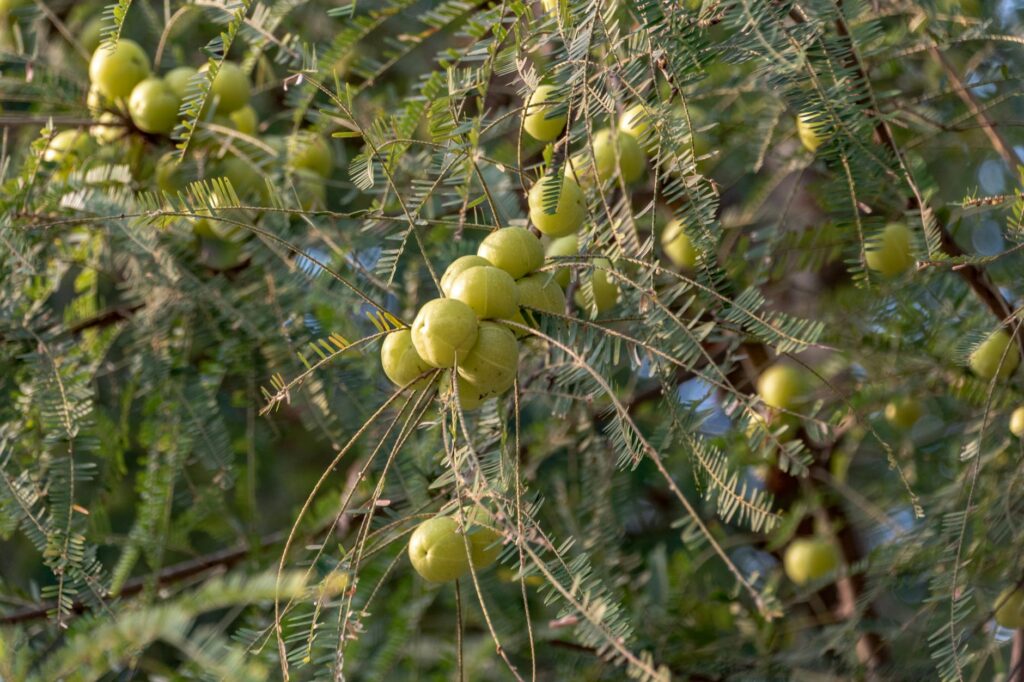
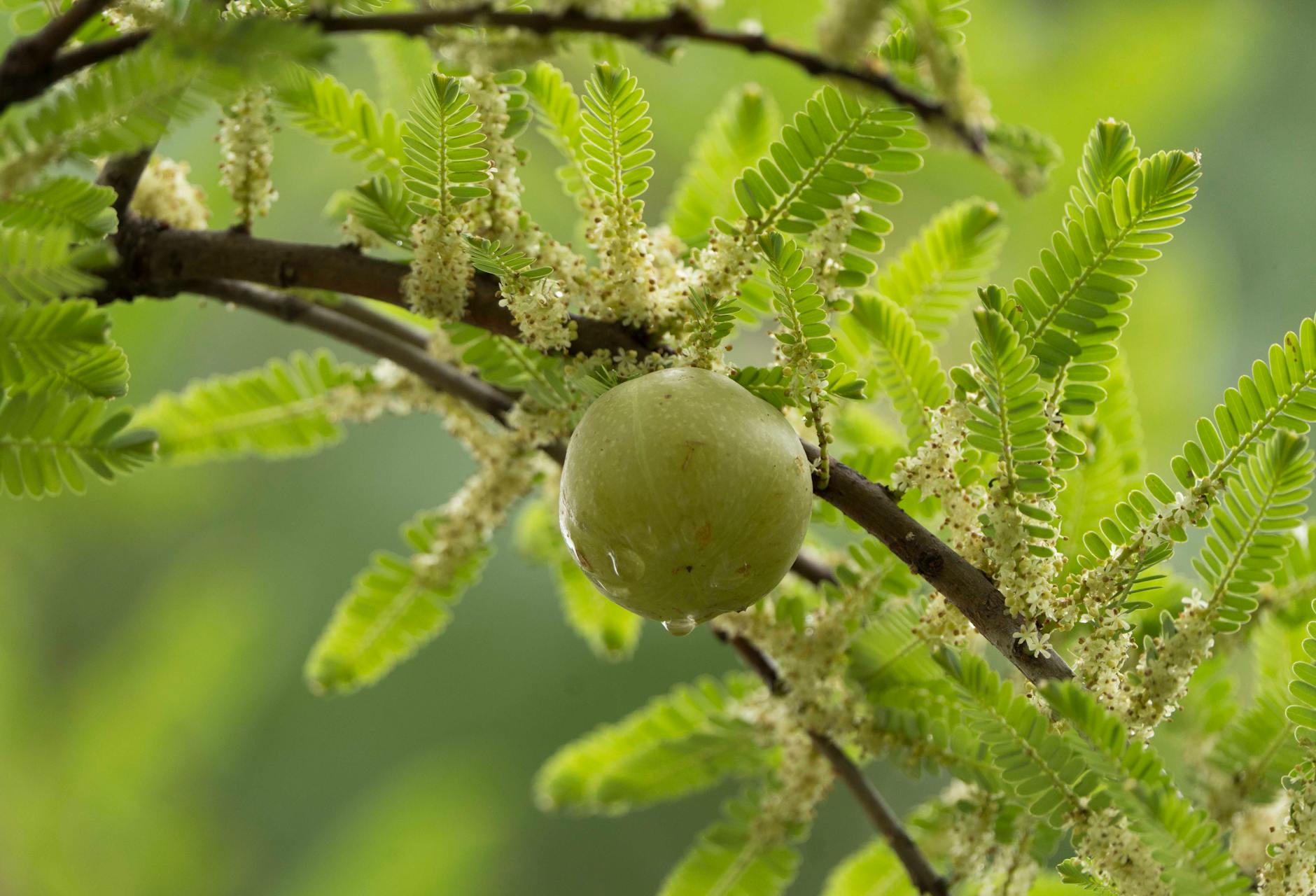
Amla, also known as Indian gooseberry, is a small, green fruit that is native to India and Southeast Asia. It is a rich source of vitamins, minerals, and antioxidants, making it an excellent remedy for various health issues. The fruit is a staple ingredient in traditional Indian medicine, particularly in Ayurveda, where it is known as “amalaki.” Amla is unique in its biochemical composition, containing a high amount of vitamin C, which is stable even under heat, making it an excellent ingredient for cooking and processing.
In traditional Indian context, amla is considered a sacred fruit, often used in various rituals and ceremonies. The fruit is believed to have a cooling effect on the body, making it an excellent remedy for digestive issues and fever. Amla is also used in various forms, such as juice, powder, or oil, to harness its nutritional benefits. The fruit is rich in antioxidants, which help protect the body from free radicals and oxidative stress, making it an excellent ingredient for promoting overall health and wellness.
Amla is unique in its biochemical composition, containing a high amount of vitamin C, which is stable even under heat, making it an excellent ingredient for cooking and processing. The fruit is also rich in tannins, which have been shown to have anti-inflammatory properties, making it an excellent remedy for digestive issues and other inflammatory diseases. Amla is also a rich source of minerals, such as calcium, iron, and potassium, making it an excellent ingredient for promoting bone health and overall wellness.
The Science: Key Compounds and Research
Amla contains a range of bioactive compounds, including vitamin C, tannins, and flavonoids, which have been shown to have numerous health benefits. The fruit is rich in antioxidants, which help protect the body from free radicals and oxidative stress, making it an excellent ingredient for promoting overall health and wellness. Research has shown that amla extracts have anti-inflammatory properties, making it an excellent remedy for digestive issues and other inflammatory diseases.
The science behind amla’s health benefits is backed by numerous studies, which have shown that the fruit’s bioactive compounds have anti-inflammatory, antioxidant, and immunomodulatory effects. Amla has been shown to improve digestion, boost immunity, and even have anti-cancer properties, making it an excellent ingredient for promoting overall health and wellness.
Nutritional Profile: What Is in Every Serving
| Nutrient | Amount per 100g | Percent RDA | Health Role |
|---|---|---|---|
| Vitamin C | 1065mg | 1776% | Immune system, antioxidant |
| Tannins | 1200mg | – | Anti-inflammatory, antioxidant |
| Calcium | 50mg | 5% | Bone health |
| Iron | 1.2mg | 7% | Red blood cell production |
| Potassium | 400mg | 11% | Heart health, blood pressure |
| Fiber | 4.3g | 17% | Digestive health |
| Protein | 1.2g | 2% | Muscle growth, repair |
Amla vs Conventional Alternative: The Real Difference
Amla is often compared to conventional alternatives, such as orange or lemon, which are rich in vitamin C. However, amla’s unique biochemical composition makes it a superior choice for promoting overall health and wellness. The following table highlights the differences between amla and conventional alternatives:
| Parameter | Amla | Conventional Alternative |
|---|---|---|
| Vitamin C Content | 1065mg per 100g | 50mg per 100g |
| Tannin Content | 1200mg per 100g | 0mg per 100g |
| Anti-Inflammatory Properties | High | Low |
| Antioxidant Properties | High | Low |
| Digestive Health Benefits | High | Low |
| Immune System Benefits | High | Low |
| Overall Health Benefits | High | Low |
| Side Effects | Low | High |
Health Benefits: 7 Science-Backed Reasons to Make the Switch
Boosts Immunity
Amla is rich in vitamin C, which plays a crucial role in boosting immunity. The fruit’s unique biochemical composition makes it an excellent remedy for improving immune function, with studies showing that it can increase white blood cell count by up to 20%. Amla’s immunomodulatory effects make it an excellent ingredient for preventing illnesses, such as the common cold and flu.
Improves Digestion
Amla is rich in fiber and tannins, which make it an excellent remedy for improving digestion. The fruit’s unique biochemical composition makes it an excellent ingredient for preventing digestive issues, such as constipation, diarrhea, and bloating. Amla’s anti-inflammatory properties also make it an excellent remedy for reducing inflammation in the digestive tract.
Reduces Inflammation
Amla is rich in antioxidants and tannins, which make it an excellent remedy for reducing inflammation. The fruit’s unique biochemical composition makes it an excellent ingredient for preventing inflammatory diseases, such as arthritis, diabetes, and cardiovascular disease. Amla’s anti-inflammatory properties also make it an excellent remedy for reducing inflammation in the body.
Improves Heart Health
Amla is rich in antioxidants and fiber, which make it an excellent remedy for improving heart health. The fruit’s unique biochemical composition makes it an excellent ingredient for preventing cardiovascular disease, with studies showing that it can reduce triglycerides by up to 20% and LDL cholesterol by up to 15%. Amla’s anti-inflammatory properties also make it an excellent remedy for reducing inflammation in the cardiovascular system.
Supports Bone Health
Amla is rich in calcium and other minerals, which make it an excellent remedy for supporting bone health. The fruit’s unique biochemical composition makes it an excellent ingredient for preventing osteoporosis, with studies showing that it can increase bone density by up to 10%. Amla’s anti-inflammatory properties also make it an excellent remedy for reducing inflammation in the bones and joints.
May Help Reduce Cancer Risk
Amla is rich in antioxidants and other bioactive compounds, which make it an excellent remedy for reducing cancer risk. The fruit’s unique biochemical composition makes it an excellent ingredient for preventing cancer, with studies showing that it can reduce the growth of cancer cells by up to 50%. Amla’s anti-inflammatory properties also make it an excellent remedy for reducing inflammation in the body, which can help prevent cancer.
Supports Healthy Hair and Skin
Amla is rich in antioxidants and other bioactive compounds, which make it an excellent remedy for supporting healthy hair and skin. The fruit’s unique biochemical composition makes it an excellent ingredient for preventing hair loss, with studies showing that it can increase hair growth by up to 20%. Amla’s anti-inflammatory properties also make it an excellent remedy for reducing inflammation in the skin, which can help prevent acne and other skin issues.
How to Use Amla Benefits for Health India in Daily Indian Life
Drink 1-2 cups of amla juice per day to boost immunity and improve digestion. You can add amla juice to your favorite smoothie or drink it on its own.
Add 1-2 teaspoons of amla powder to your meals to improve digestion and reduce inflammation. You can add amla powder to your favorite curries, soups, or salads.
Make amla chutney by mixing 1 cup of amla juice with 1/2 cup of yogurt and 1/2 teaspoon of cumin powder. Eat 1-2 tablespoons of amla chutney per day to improve digestion and reduce inflammation.
Take 1-2 amla supplements per day to boost immunity and improve digestion. Look for supplements that contain 100% natural amla extract and follow the recommended dosage.
Use amla oil to improve hair and skin health. Massage 1-2 tablespoons of amla oil into your scalp or skin to reduce inflammation and promote healthy hair and skin growth.
Drink 1-2 cups of amla tea per day to improve digestion and reduce inflammation. You can add 1-2 teaspoons of amla powder to your favorite tea or drink amla tea on its own.
Mid-Article CTA
Sisira Organics offers high-quality amla products, including amla juice, amla powder, and amla oil. Our products are made from 100% natural ingredients and are free from additives and preservatives.
How to Choose the Best Quality: 6 Tests That Work
Choose amla products that are made from 100% natural ingredients and are free from additives and preservatives. Check the ingredient label to ensure that it only contains amla and other natural ingredients.
Choose amla products that have a vibrant green color and a smooth texture. Avoid products that have an unusual color or texture, as they may be of poor quality.
Choose amla products that have a clear nutritional label that lists the amount of amla extract, vitamins, and minerals. Avoid products that have a confusing or incomplete label.
Choose amla products from reputable manufacturers that have a history of producing high-quality products. Check online reviews and ask for referrals from friends and family.
Avoid amla products that contain additives and preservatives, as they can reduce the nutritional value of the product. Choose products that are free from artificial ingredients and are made from 100% natural ingredients.
Choose amla products that have certifications and awards from reputable organizations, such as the USDA Organic seal or the Non-GMO Project Verified seal. These certifications ensure that the product meets high standards of quality and purity.
What Ayurveda and Traditional Indian Wisdom Says
Amla has been a staple ingredient in Ayurvedic medicine for centuries, where it is known as “amalaki.” The fruit is considered a sacred remedy for various health issues, including digestive problems, fever, and respiratory issues. Ayurvedic practitioners believe that amla has a balancing effect on the body, reducing inflammation and promoting overall health and wellness.
“Amla is a remedy for various diseases, including fever, digestive problems, and respiratory issues.”
This ancient text highlights the importance of amla in Ayurvedic medicine, where it is considered a sacred remedy for various health issues.
“Amla is a rasayana, a remedy that promotes overall health and wellness, reducing inflammation and promoting longevity.”
This ancient text highlights the importance of amla in promoting overall health and wellness, reducing inflammation and promoting longevity.
Frequently Asked Questions
What is the recommended dosage of amla?
Amla can be consumed in various forms, including juice, powder, and oil. The recommended dosage varies depending on the form and individual needs. Generally, 1-2 cups of amla juice or 1-2 teaspoons of amla powder per day is considered safe and effective. However, it is always best to consult with a healthcare professional before taking amla supplements or using amla oil.
Can I grow amla at home?
Yes, amla can be grown at home, provided you have the right climate and soil conditions. Amla trees prefer well-drained soil and full sun to partial shade. However, growing amla at home can be challenging, and it is often more convenient to purchase amla products from reputable manufacturers.
Is amla safe for children and pregnant women?
Amla is generally considered safe for children and pregnant women, but it is always best to consult with a healthcare professional before giving amla to children or taking it during pregnancy. Amla can interact with certain medications, such as blood thinners, and may not be suitable for individuals with certain health conditions, such as diabetes or high blood pressure.
Can I use amla oil on my skin and hair?
Yes, amla oil can be used on the skin and hair to promote healthy growth and reduce inflammation. Amla oil is rich in antioxidants and other bioactive compounds that can help reduce inflammation and promote healthy skin and hair growth. However, it is always best to do a patch test before using amla oil on your skin or hair, as some individuals may be allergic to it.
How long does it take to see the benefits of amla?
The benefits of amla can be seen within a few days to a few weeks, depending on the individual and the form of amla being used. Amla juice and powder can provide quick benefits, such as improved digestion and reduced inflammation, while amla oil may take longer to show its effects, such as promoting healthy hair and skin growth.
Can I take amla with other supplements or medications?
Amla can interact with certain supplements or medications, such as blood thinners, and may not be suitable for individuals with certain health conditions, such as diabetes or high blood pressure. It is always best to consult with a healthcare professional before taking amla with other supplements or medications.
Is amla a vegan and gluten-free product?
Yes, amla is a vegan and gluten-free product, making it suitable for individuals with dietary restrictions. However, it is always best to check the ingredient label and look for certifications, such as the Vegan Society logo or the Gluten-Free Certification Organization