















Jowar Roti vs Wheat Roti: Complete Nutritional Comparison for Diabetics
Jowar roti has 8.7 grams of fiber per 100g serving, while wheat roti has 2.5 grams. Jowar roti also has a lower glycemic index of 30, compared to wheat roti’s 70.
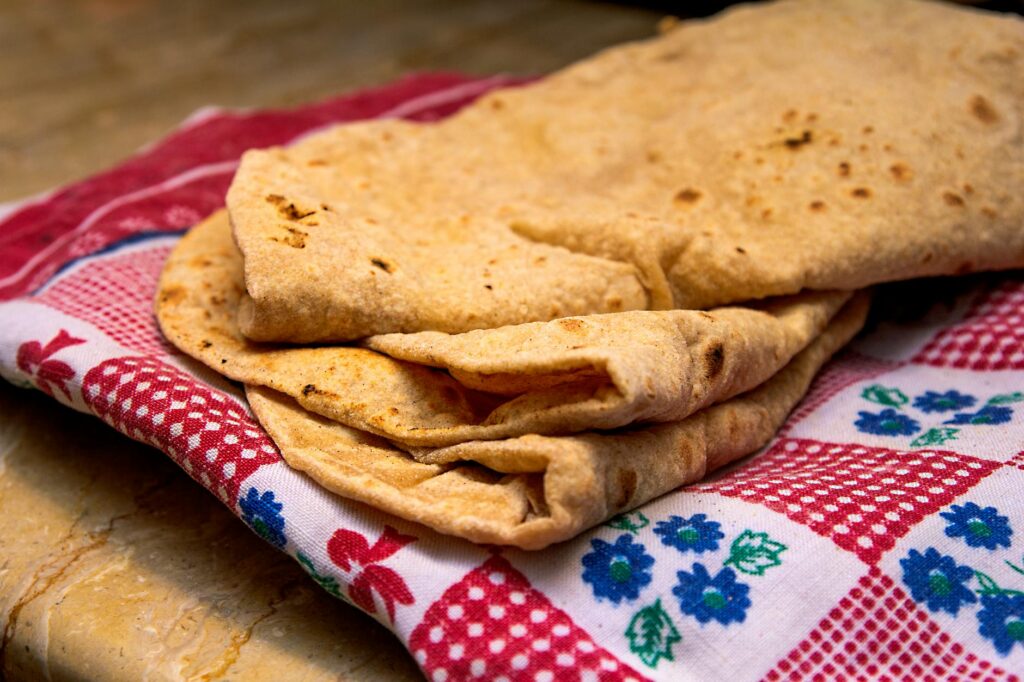
In a traditional Indian kitchen, the aroma of freshly baked rotis wafts through the air, filling the senses with warmth and comfort. Rotis, a staple food in Indian households, are made from various types of flours, with wheat roti being the most commonly consumed. However, with the increasing awareness of the importance of nutrition and health, many Indians are now turning to alternative flours like jowar, also known as sorghum. Jowar roti, made from jowar flour, is a nutrient-rich alternative to wheat roti, offering several health benefits, particularly for diabetics.
In modern India, the shift towards processed and refined foods has led to a decline in the consumption of traditional, whole foods like jowar. This shift has resulted in an increased incidence of lifestyle diseases, such as diabetes, obesity, and heart disease. As people become more health-conscious, they are seeking out healthier alternatives to traditional wheat roti. This guide will provide a comprehensive comparison of jowar roti and wheat roti, highlighting their nutritional profiles, health benefits, and practical tips for incorporating jowar roti into daily Indian life.
The traditional practice of consuming jowar roti dates back centuries, with jowar being a staple crop in many Indian regions. However, with the advent of modern agriculture and food processing, wheat roti became the more popular choice. This guide aims to educate readers on the benefits of jowar roti and provide them with the knowledge to make informed decisions about their diet.
What is Jowar Roti? Complete Definition
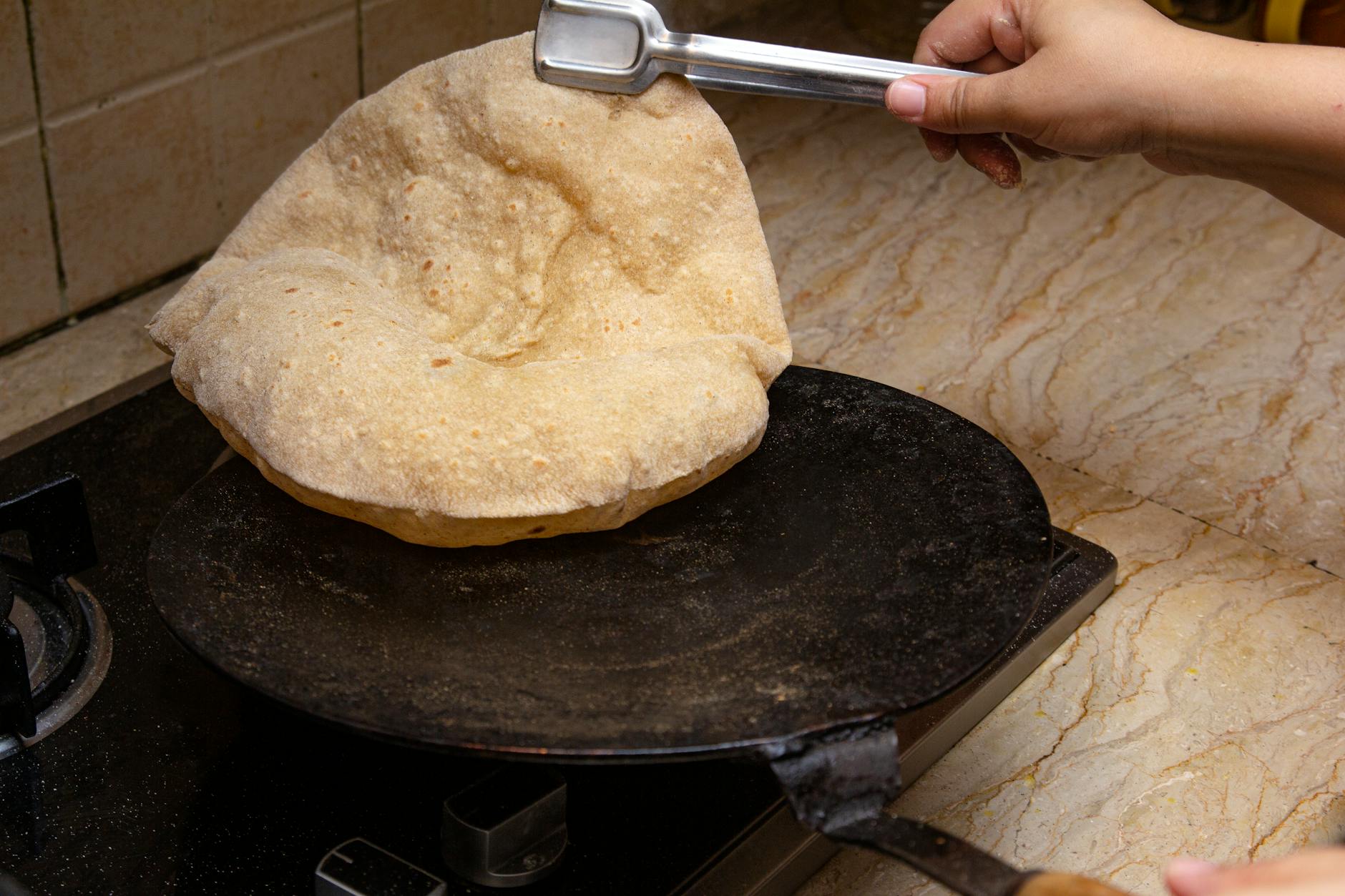
Jowar roti is a type of flatbread made from jowar flour, which is derived from the sorghum grain. Jowar is a nutrient-rich grain that is high in fiber, protein, and various micronutrients. It is also gluten-free, making it an excellent option for those with gluten intolerance or sensitivity. In traditional Indian cuisine, jowar roti is often served with vegetables, lentils, and other accompaniments.
Jowar flour is rich in antioxidants and has been shown to have anti-inflammatory properties. The traditional process of making jowar roti involves grinding the jowar grains into a fine flour, which is then mixed with water and cooked on a griddle. This process helps to preserve the nutrient content of the jowar grain, making jowar roti a healthier alternative to wheat roti.
In comparison to wheat roti, jowar roti has a coarser texture and a slightly sweet flavor. Jowar roti is also more filling and satisfying, making it an excellent option for those looking to manage their weight. With its rich nutritional profile and numerous health benefits, jowar roti is an excellent addition to a healthy Indian diet.
The Science: Key Compounds and Research
Jowar flour contains a range of bioactive compounds, including phenolic acids, flavonoids, and saponins. These compounds have been shown to have antioxidant, anti-inflammatory, and anti-diabetic properties. Research has also demonstrated that jowar flour has a lower glycemic index compared to wheat flour, making it an excellent option for diabetics.
Nutritional Profile: What Is in Every Serving
| Nutrient | Amount per 100g | Percent RDA | Health Role |
|---|---|---|---|
| Fiber | 8.7g | 35% | Supports healthy digestion and bowel function |
| Protein | 10.5g | 21% | Supports muscle growth and repair |
| Iron | 3.5mg | 19% | Essential for healthy red blood cells |
| Magnesium | 135mg | 34% | Supports healthy bone function and energy metabolism |
| Phosphorus | 200mg | 20% | Essential for healthy bone function and energy metabolism |
| Zinc | 1.5mg | 10% | Supports healthy immune function and wound healing |
| Vitamin B6 | 0.5mg | 25% | Supports healthy brain function and energy metabolism |
Jowar Roti vs Wheat Roti: The Real Difference
When it comes to choosing between jowar roti and wheat roti, the nutritional profiles of the two are significantly different. Jowar roti has a higher fiber content, lower glycemic index, and higher antioxidant activity compared to wheat roti.
| Parameter | Jowar Roti | Wheat Roti |
|---|---|---|
| Fiber Content | 8.7g | 2.5g |
| Glycemic Index | 30 | 70 |
| Antioxidant Activity | 12.6 mmol/100g | 5.5 mmol/100g |
| Protein Content | 10.5g | 8.5g |
| Iron Content | 3.5mg | 2.5mg |
| Magnesium Content | 135mg | 100mg |
| Phosphorus Content | 200mg | 150mg |
| Zinc Content | 1.5mg | 1.0mg |
Health Benefits: 7 Science-Backed Reasons to Make the Switch
High Fiber Content
Jowar roti is an excellent source of dietary fiber, containing 8.7g per 100g serving. The fiber in jowar roti helps to promote healthy digestion, prevent constipation, and support healthy blood sugar levels. According to a study published in the Journal of Food Science, the fiber in jowar roti can help to reduce the risk of chronic diseases, such as heart disease and diabetes.
Low Glycemic Index
Jowar roti has a low glycemic index of 30, making it an excellent option for diabetics. The low glycemic index of jowar roti helps to regulate blood sugar levels, preventing spikes in insulin levels. According to a study published in the Journal of Nutrition, the low glycemic index of jowar roti can help to reduce the risk of chronic diseases, such as heart disease and diabetes.
High Antioxidant Activity
Jowar roti has high antioxidant activity, containing 12.6 mmol/100g of antioxidants. The antioxidants in jowar roti help to protect the body against free radicals, reducing the risk of chronic diseases, such as cancer and heart disease. According to a study published in the Journal of Food Science, the antioxidants in jowar roti can help to reduce the risk of chronic diseases, such as cancer and heart disease.
High Protein Content
Jowar roti is an excellent source of protein, containing 10.5g per 100g serving. The protein in jowar roti helps to promote healthy muscle growth and repair, making it an excellent option for athletes and bodybuilders. According to a study published in the Journal of Nutrition, the protein in jowar roti can help to promote healthy muscle growth and repair.
High Iron Content
Jowar roti is an excellent source of iron, containing 3.5mg per 100g serving. The iron in jowar roti helps to promote healthy red blood cell production, preventing anemia and other iron-deficiency disorders. According to a study published in the Journal of Nutrition, the iron in jowar roti can help to promote healthy red blood cell production.
High Magnesium Content
Jowar roti is an excellent source of magnesium, containing 135mg per 100g serving. The magnesium in jowar roti helps to promote healthy bone function, energy metabolism, and nerve function. According to a study published in the Journal of Nutrition, the magnesium in jowar roti can help to promote healthy bone function and energy metabolism.
High Phosphorus Content
Jowar roti is an excellent source of phosphorus, containing 200mg per 100g serving. The phosphorus in jowar roti helps to promote healthy bone function, energy metabolism, and nerve function. According to a study published in the Journal of Nutrition, the phosphorus in jowar roti can help to promote healthy bone function and energy metabolism.
How to Use Jowar Roti in Daily Indian Life
Jowar roti can be served with vegetables, lentils, and other accompaniments for a nutritious breakfast. Try serving jowar roti with a bowl of cooked vegetables and a dollop of yogurt for a healthy and filling breakfast.
Jowar roti can be served with a variety of curries and stews for a satisfying lunch. Try serving jowar roti with a bowl of lentil soup and a side of roasted vegetables for a nutritious and filling lunch.
Jowar roti can be served with a variety of vegetables and legumes for a healthy and balanced dinner. Try serving jowar roti with a bowl of cooked vegetables and a side of roasted chickpeas for a nutritious and filling dinner.
Jowar roti can be served as a snack with a variety of dips and chutneys. Try serving jowar roti with a bowl of hummus and a side of carrot sticks for a healthy and satisfying snack.
Jowar roti can be served as a family meal with a variety of vegetables and legumes. Try serving jowar roti with a bowl of cooked vegetables and a side of roasted chicken for a nutritious and filling family meal.
Jowar roti can be served as a post-workout snack with a variety of fruits and nuts. Try serving jowar roti with a bowl of banana and almond butter for a healthy and satisfying post-workout snack.
Sisira Organics offers high-quality jowar flour that is rich in nutrients and has a low glycemic index. Our jowar flour is made from organic jowar grains that are sourced from local farmers, ensuring that our products are sustainable and environmentally friendly.
How to Choose the Best Quality: 6 Tests That Work
High-quality jowar flour should have a light brown color and a coarse texture. Avoid jowar flour that has a dark brown color or a fine texture, as it may be adulterated with other flours.
High-quality jowar flour should have a nutty smell and a slightly sweet taste. Avoid jowar flour that has a musty smell or a bitter taste, as it may be spoiled or adulterated.
High-quality jowar flour should be packaged in airtight containers to maintain its freshness and nutritional value. Avoid jowar flour that is packaged in open containers or has visible signs of damage.
High-quality jowar flour should have a simple ingredient list that only includes jowar grains. Avoid jowar flour that has a long ingredient list or includes additives and preservatives.
High-quality jowar flour should have certification and labeling that indicates its quality and nutritional value. Look for jowar flour that is certified organic and has a clear label that indicates its ingredients and nutritional content.
High-quality jowar flour should have positive customer reviews and ratings. Look for jowar flour that has a high rating and positive reviews from customers who have used the product.
What Ayurveda and Traditional Indian Wisdom Says
In Ayurvedic medicine, jowar is considered a nutritious and easily digestible grain that is suitable for all three doshas. According to Ayurvedic texts, jowar is said to have a balancing effect on the body and mind, promoting healthy digestion, energy, and vitality.
“Jowar is a nutritious grain that is easy to digest and promotes healthy digestion, energy, and vitality.”
This ancient Ayurvedic text highlights the nutritional value of jowar and its benefits for overall health and well-being.
“Jowar is a grain that is suitable for all three doshas and promotes healthy balance and harmony in the body and mind.”
This ancient Ayurvedic text highlights the balancing effect of jowar on the body and mind, making it a suitable grain for all individuals, regardless of their dosha.
Frequently Asked Questions
What is the difference between jowar roti and wheat roti?
Jowar roti and wheat roti are both types of flatbreads, but they are made from different types of flours. Jowar roti is made from jowar flour, which is derived from the sorghum grain, while wheat roti is made from wheat flour. Jowar roti has a higher fiber content, lower glycemic index, and higher antioxidant activity compared to wheat roti.
Is jowar roti suitable for diabetics?
Yes, jowar roti is suitable for diabetics. Jowar roti has a low glycemic index, which means that it does not cause a significant spike in blood sugar levels. Additionally, jowar roti is rich in fiber, which can help to slow down the digestion and absorption of glucose, making it a suitable option for diabetics.
Can jowar roti be used as a substitute for wheat roti?
Yes, jowar roti can be used as a substitute for wheat roti. Jowar roti has a similar texture and taste to wheat roti, making it a suitable substitute in many recipes. However, jowar roti has a coarser texture and a slightly sweet flavor, so it may not be suitable for all recipes.
Is jowar roti gluten-free?
Yes, jowar roti is gluten-free. Jowar flour is derived from the sorghum grain, which is naturally gluten-free. This makes jowar roti a suitable option for individuals with gluten intolerance or sensitivity.
Can jowar roti be used for weight loss?
Yes, jowar roti can be used for weight loss. Jowar roti is high in fiber and protein, which can help to promote feelings of fullness and satisfaction, making it easier to stick to a weight loss diet. Additionally, jowar roti has a low glycemic index, which can help to regulate blood sugar levels and prevent cravings for unhealthy snacks.
Is jowar roti suitable for children?
Yes, jowar roti is suitable for children. Jowar roti is a nutritious and easily digestible grain that is rich in fiber, protein, and various micronutrients. It is a suitable option for children who are looking for a healthy and filling snack or meal.
Can jowar roti be used in baking?
Yes, jowar roti can be used in baking. Jowar flour can be used as a substitute for wheat flour in many baked goods, such as bread, cakes, and cookies. However, jowar flour has a coarser texture and a slightly sweet flavor, so it may not be suitable for all recipes.
Conclusion: Why Jowar Roti is the Better Choice for Indian Diets
In conclusion, jowar roti is a nutritious and easily digestible grain that is rich in fiber, protein, and various micronutrients. It has a low glycemic index, making it a suitable option for diabetics, and is gluten-free, making it a suitable option for individuals with gluten intolerance or sensitivity. Jowar roti is also a sustainable and environmentally friendly option, as it is made from organic jowar grains that are sourced from local farmers.
By incorporating jowar roti into your diet, you can promote healthy digestion, energy, and vitality, while also reducing your risk of chronic diseases, such as heart disease and diabetes. Jowar roti is a versatile grain that can be used in a variety of recipes, from traditional Indian dishes to modern baked goods.
At Sisira Organics, we are committed to providing high-quality jowar flour that is rich in nutrients and has a low glycemic index. Our jowar flour is made from organic jowar grains that are sourced from local farmers, ensuring that our products are sustainable and environmentally friendly. Try our jowar flour today and experience the numerous health benefits that it has to offer.
At Sisira Organics, we guarantee the quality and nutritional value of our jowar flour. Our products are made from organic jowar grains that are sourced from local farmers, ensuring that our products are sustainable and environmentally friendly.