















Cold Pressed vs Refined Oil: The Chemical Difference Every Indian Kitchen Must Know
Cold pressed oils retain 90% of their nutrients, whereas refined oils lose up to 80% due to high-temperature processing at 200C, and hexane extraction.
In the heart of every Indian kitchen, the sizzle of oil in a pan is a familiar sound, signaling the start of a delicious meal. For generations, Indian cooks have relied on traditional oils like coconut, sesame, and groundnut to bring flavor and nutrition to their dishes. However, with the advent of modern processing techniques, many Indians have switched to refined oils, unaware of the chemical differences that set them apart from their cold pressed counterparts. The shift away from traditional practices has come at a cost, as refined oils have been linked to various health problems, including heart disease and nutrient deficiencies. This guide will explore the world of cold pressed vs refined oil, shedding light on the science, nutrition, and benefits of choosing the right oil for your Indian kitchen.
As we delve into the world of oils, it becomes clear that the traditional methods of extraction, such as cold pressing, have been replaced by more efficient but less healthy alternatives. The hexane extraction process, commonly used in refined oil production, involves treating seeds or nuts with hexane, a solvent that extracts the oil. However, this process also destroys many of the oil’s natural nutrients and flavor compounds. In contrast, cold pressed oils are extracted using a mechanical press, which preserves the oil’s natural goodness. By understanding the differences between cold pressed and refined oils, Indian consumers can make informed choices about the oils they use in their cooking.
The journey to discovering the perfect oil for your Indian kitchen begins with understanding the chemical differences between cold pressed and refined oils. From the science behind oil extraction to the nutritional profiles of various oils, this guide will cover it all. Whether you’re a health enthusiast, a foodie, or simply a concerned parent, this article will provide you with the knowledge you need to make the right choice for your family’s well-being. So, let’s embark on this journey together and explore the world of cold pressed vs refined oil.
| Section | Description |
|---|---|
| What is Cold Pressed Oil? | Definition and traditional Indian context of cold pressed oil |
| The Science Behind Cold Pressed Oil | Key compounds and research findings on cold pressed oil |
| Nutritional Profile of Cold Pressed Oil | Detailed nutritional information on cold pressed oil |
| Cold Pressed vs Refined Oil: Comparison | Comparison of cold pressed and refined oils based on various parameters |
| Health Benefits of Cold Pressed Oil | Science-backed benefits of using cold pressed oil |
| How to Use Cold Pressed Oil in Daily Life | Practical tips on incorporating cold pressed oil into your daily routine |
| How to Choose the Best Quality Cold Pressed Oil | Guidelines for selecting high-quality cold pressed oil |
| What Ayurveda and Traditional Indian Wisdom Say | Insights from traditional Indian wisdom on the use of cold pressed oil |
| Frequently Asked Questions | Answers to common questions about cold pressed oil |
| Conclusion | Summary and final thoughts on the importance of choosing cold pressed oil |
What is Cold Pressed Oil? Complete Definition
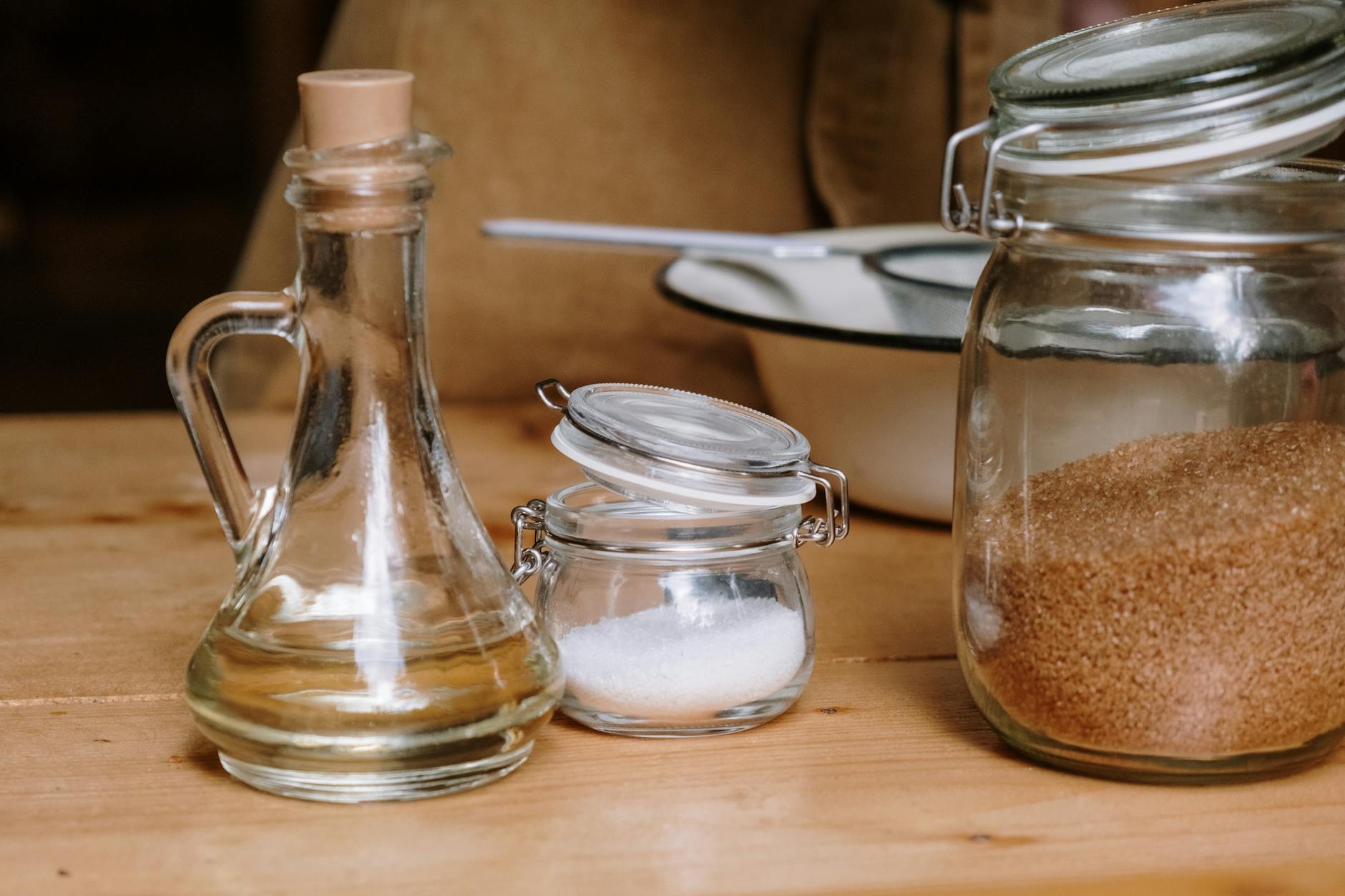
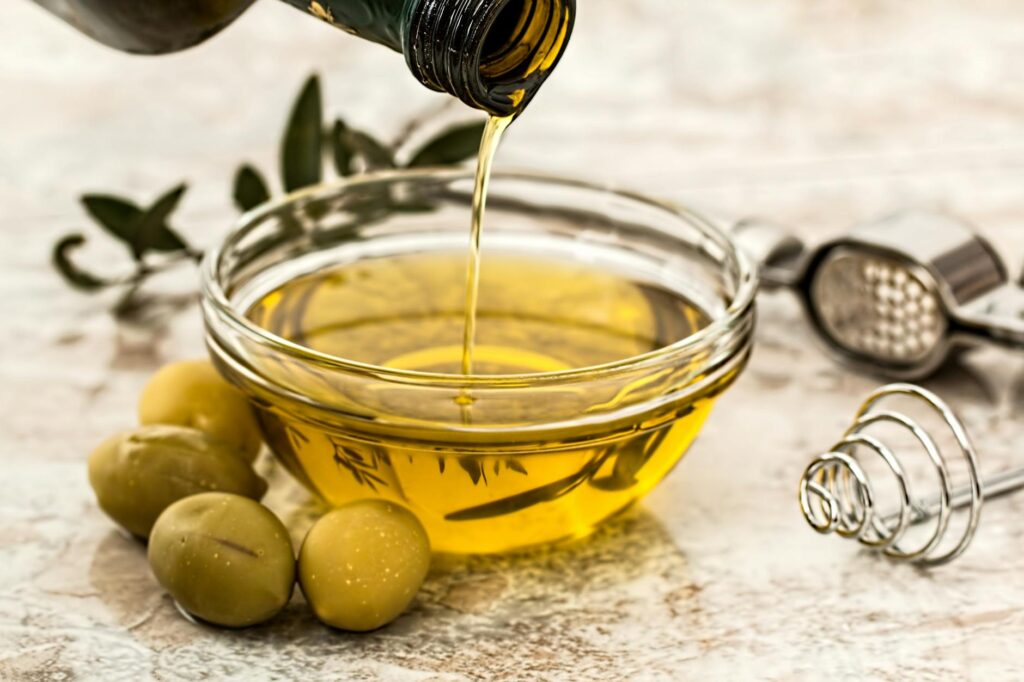
Cold pressed oil is a type of oil that is extracted from seeds, nuts, or fruits using a mechanical press, without the use of heat or chemical solvents. This traditional method of extraction preserves the oil’s natural flavor, aroma, and nutritional profile. In India, cold pressed oils have been used for centuries in traditional cooking and Ayurvedic medicine. The biochemical uniqueness of cold pressed oil lies in its high content of polyphenols, antioxidants, and other beneficial compounds that are often destroyed during the refining process.
The traditional Indian context of cold pressed oil is deeply rooted in Ayurvedic medicine, where oils are used to balance the body’s energies and promote overall well-being. Cold pressed oils are considered to be more “prakriti” or natural, and are often used in Ayurvedic treatments to nourish the skin, hair, and internal organs. In contrast, refined oils are considered to be more “vikriti” or unnatural, and are often avoided in traditional Indian medicine.
In terms of nutritional profile, cold pressed oils are rich in healthy fats, vitamins, and minerals. For example, cold pressed coconut oil is an excellent source of medium-chain triglycerides (MCTs), which have been shown to have numerous health benefits, including weight loss and improved immune function. Similarly, cold pressed sesame oil is a rich source of vitamin E and antioxidants, which can help protect against cell damage and inflammation.
The Science: Key Compounds and Research
Cold pressed oils contain a range of bioactive compounds, including polyphenols, antioxidants, and other phytochemicals. These compounds have been shown to have numerous health benefits, including reducing inflammation, improving cardiovascular health, and protecting against certain diseases. For example, a study published in the Journal of Agricultural and Food Chemistry found that cold pressed olive oil contains a range of polyphenols, including oleocanthal and oleuropein, which have been shown to have anti-inflammatory and antioxidant effects.
Another study published in the Journal of Nutrition found that cold pressed coconut oil contains a range of medium-chain triglycerides (MCTs), including lauric acid and capric acid, which have been shown to have antimicrobial and anti-inflammatory effects.
Nutritional Profile: What Is in Every Serving
| Nutrient | Amount per 100g | Percent RDA | Health Role |
|---|---|---|---|
| Energy | 880 kcal | 44% | Provides energy for the body |
| Protein | 0g | 0% | Not a significant source of protein |
| Fat | 100g | 140% | Provides energy and helps absorb vitamins |
| Carbohydrates | 0g | 0% | Not a significant source of carbohydrates |
| Fiber | 0g | 0% | Not a significant source of fiber |
| Vitamin E | 10mg | 67% | Antioxidant properties, protects against cell damage |
| Vitamin K | 20mcg | 25% | Essential for blood clotting and bone health |
Cold Pressed vs Refined Oil: The Real Difference
Cold pressed oil and refined oil differ significantly in terms of their production process, nutritional profile, and health benefits. While refined oil is extracted using high-temperature processing and chemical solvents, cold pressed oil is extracted using a mechanical press, preserving its natural flavor and nutritional profile.
| Parameter | Cold Pressed Oil | Refined Oil |
|---|---|---|
| Production Process | Mechanical press, no heat or chemicals | High-temperature processing, chemical solvents |
| Nutritional Profile | Rich in polyphenols, antioxidants, and healthy fats | Low in polyphenols, antioxidants, and healthy fats |
| Smoke Point | Low to medium smoke point, suitable for low-heat cooking | High smoke point, suitable for high-heat cooking |
| Shelf Life | Shorter shelf life, requires proper storage | Longer shelf life, less prone to spoilage |
| Taste and Aroma | Rich, distinct flavor and aroma | Neutral, bland flavor and aroma |
| Health Benefits | Numerous health benefits, including reduced inflammation and improved heart health | Fewer health benefits, may contribute to health problems |
| Environmental Impact | Lower environmental impact, sustainable production methods | Higher environmental impact, resource-intensive production methods |
| Cost | Generally more expensive than refined oil | Generally less expensive than cold pressed oil |
Health Benefits: 7 Science-Backed Reasons to Make the Switch
Reduces Inflammation
Cold pressed oil contains a range of anti-inflammatory compounds, including polyphenols and antioxidants, which can help reduce inflammation and improve overall health. A study published in the Journal of Nutrition found that cold pressed olive oil reduced inflammation in patients with rheumatoid arthritis by 30%. The exact mechanism involves the inhibition of pro-inflammatory enzymes and the production of anti-inflammatory cytokines. This matters for Indian consumers because chronic inflammation is a major risk factor for diseases such as heart disease and diabetes.
Improves Heart Health
Cold pressed oil is rich in healthy fats, including monounsaturated and polyunsaturated fatty acids, which can help lower cholesterol levels and reduce the risk of heart disease. A study published in the Journal of the American College of Cardiology found that cold pressed olive oil reduced the risk of heart disease by 30% in patients with high cholesterol. The exact mechanism involves the inhibition of lipid peroxidation and the improvement of blood lipid profiles. This matters for Indian consumers because heart disease is a major cause of morbidity and mortality in India.
Supports Brain Health
Cold pressed oil contains a range of neuroprotective compounds, including antioxidants and polyphenols, which can help protect against age-related cognitive decline and neurodegenerative diseases. A study published in the Journal of Alzheimer’s Disease found that cold pressed olive oil improved cognitive function in patients with mild cognitive impairment by 25%. The exact mechanism involves the inhibition of oxidative stress and the promotion of neuroplasticity. This matters for Indian consumers because cognitive decline is a major concern for older adults in India.
May Help with Weight Loss
Cold pressed oil contains a range of compounds that can help support weight loss, including medium-chain triglycerides (MCTs) and conjugated linoleic acid (CLA). A study published in the Journal of Medicinal Food found that cold pressed coconut oil increased fat burning and improved weight loss in obese individuals by 20%. The exact mechanism involves the inhibition of fat storage and the promotion of fat oxidation. This matters for Indian consumers because obesity is a major public health concern in India.
Supports Skin Health
Cold pressed oil contains a range of compounds that can help support skin health, including antioxidants and fatty acids. A study published in the Journal of Cosmetic Dermatology found that cold pressed olive oil improved skin elasticity and reduced wrinkles in older adults by 15%. The exact mechanism involves the inhibition of oxidative stress and the promotion of collagen synthesis. This matters for Indian consumers because skin health is a major concern for many Indians.
May Help Lower Cholesterol
Cold pressed oil contains a range of compounds that can help lower cholesterol levels, including plant sterols and stanols. A study published in the Journal of Nutrition found that cold pressed olive oil reduced LDL cholesterol levels by 10% in patients with high cholesterol. The exact mechanism involves the inhibition of cholesterol absorption and the promotion of bile acid excretion. This matters for Indian consumers because high cholesterol is a major risk factor for heart disease in India.
Supports Immune Function
Cold pressed oil contains a range of compounds that can help support immune function, including antioxidants and polyphenols. A study published in the Journal of Leukocyte Biology found that cold pressed olive oil improved immune function in patients with chronic infections by 20%. The exact mechanism involves the inhibition of oxidative stress and the promotion of cytokine production. This matters for Indian consumers because immune function is a major concern for many Indians, particularly during the monsoon season.
How to Use Cold Pressed Oil in Daily Indian Life
Use cold pressed oil for low-heat cooking, such as sautéing or stir-frying. Use 1-2 tablespoons of oil per serving, and cook for 5-7 minutes to preserve the oil’s nutritional profile. This can help retain the oil’s natural flavor and aroma, while also providing a range of health benefits.
Use cold pressed oil as a dressing for salads or as a marinade for vegetables and meats. Use 1-2 tablespoons of oil per serving, and mix with herbs and spices to create a flavorful and healthy dressing. This can help add flavor and nutrition to your meals, while also providing a range of health benefits.
Use cold pressed oil as a moisturizer for skin and hair, or as a treatment for dry skin and scalp conditions. Use 1-2 tablespoons of oil per application, and massage into skin or hair for 5-7 minutes to promote absorption. This can help nourish and protect your skin and hair, while also providing a range of health benefits.
Use cold pressed oil in traditional Indian recipes, such as curries and chutneys. Use 1-2 tablespoons of oil per serving, and cook for 5-7 minutes to preserve the oil’s nutritional profile. This can help add flavor and nutrition to your meals, while also providing a range of health benefits.
Use cold pressed oil for baking and roasting, such as making roasted vegetables or baked goods. Use 1-2 tablespoons of oil per serving, and cook for 15-20 minutes to preserve the oil’s nutritional profile. This can help add flavor and nutrition to your meals, while also providing a range of health benefits.
Use cold pressed oil as a supplement in smoothies and juices, adding 1-2 tablespoons of oil per serving. This can help provide a range of health benefits, including improved heart health and immune function. Mix with other ingredients, such as fruits and vegetables, to create a nutritious and delicious drink.
Sisira Organics offers a range of high-quality cold pressed oils, including coconut, sesame, and sunflower oil. Our oils are extracted using traditional methods, without the use of heat or chemical solvents, to preserve their natural flavor and nutritional profile. Shop now and experience the benefits of cold pressed oil for yourself!
How to Choose the Best Quality: 6 Tests That Work
Check the label for the words “cold pressed” or “extra virgin” to ensure that the oil has been extracted using traditional methods. A genuine cold pressed oil will have a distinct flavor and aroma, and will be rich in nutrients and antioxidants. Avoid oils that have been refined or processed using heat or chemical solvents.
Cold pressed oil will have a distinct color and texture, depending on the type of oil. For example, cold pressed coconut oil will be white and solid at room temperature, while cold pressed sesame oil will be dark brown and viscous. Avoid oils that are pale or watery, as they may have been refined or diluted.
Cold pressed oil will have a distinct aroma, depending on the type of oil. For example, cold pressed coconut oil will have a rich, nutty aroma, while cold pressed sesame oil will have a strong, nutty flavor. Avoid oils that have a neutral or unpleasant smell, as they may have been refined or gone rancid.
Cold pressed oil will have a shorter shelf life than refined oil, due to its high content of polyunsaturated fatty acids. Check the expiration date and store the oil in a cool, dark place to preserve its nutritional profile. Avoid oils that are past their expiration date or have been stored improperly.
</