

Siridhanya Positive Millets Complete Guide
In this article
- Why This Guide Exists – The Real Problem with Millets in India
- What to Look for When Buying – 6 Essential Factors
- Red Flags & Adulteration Signs – Protect Your Health
- How to Use, Cook, & Store Millets – Practical Tips for Indian Kitchens
- Price Range in INR Across Quality Tiers
- Recommended Brands & Sources in India (2024)
- Common Mistakes to Avoid – Stay on the Right Track
- FAQ – Your Top Five Queries Answered
- Quick Summary Checklist – Your Millets Buying & Usage Cheat Sheet
Why This Guide Exists – The Real Problem with Millets in India
India’s resurgence of millets—foxtail (kangni), pearl (bajra), finger (ragi), little (kutki), and proso (cheena)—is a welcome antidote to the over‑processed, refined‑grain diet that fuels diabetes, obesity, and micronutrient deficiencies. Yet, the rapid market growth has also created a confusing landscape:
* **Misinformation** – Many “millet” packets are simply mixed rice‑flour or contain hidden additives.
* **Adulteration** – Cheap fillers (e.g., wheat bran, maize) and chemical bleaching are common, especially in low‑price bulk packs.
* **Inconsistent quality** – From farm‑gate to supermarket, storage conditions vary wildly, affecting taste, nutrition, and shelf‑life.
The result? Health‑conscious shoppers either overpay for sub‑standard product or, worse, unknowingly consume nutritionally compromised millets. This guide cuts through the noise, giving you a practical, evidence‑backed roadmap to **buy**, **store**, **cook**, and **value‑check** millets in India.
- Millets are nutritionally dense but vulnerable to adulteration.
- Five to seven buying criteria help you spot genuine, high‑quality millets.
- Proper storage (cool, dry, airtight) preserves nutrients for up to 12 months.
- Cooking methods differ per grain; pre‑soaking and roasting can boost digestibility.
- Price tiers reflect farming practices, certification, and processing technology.
What to Look for When Buying – 6 Essential Factors
1. Certification & Label Transparency
* **FSSAI licence** – Mandatory for all packaged foods. Look for the licence number on the pack.
* **Organic certification** – NPOP (India) or USDA‑Organic logos guarantee no synthetic pesticides.
* **Varietal declaration** – Genuine packs specify the millet type (e.g., “Foxtail millet – Kangni”) and origin (state, district).
2. Grain Integrity & Size Uniformity
* Authentic millets have a **consistent, slightly elongated shape** and a natural ivory‑to‑light‑brown hue.
* Avoid packs where grains appear **oversized, broken, or overly powdery** – signs of milling or mixing with cheaper cereals.
3. Moisture Content & Shelf‑Life
* Ideal moisture: **10‑12 %**. Higher moisture encourages mold and aflatoxin growth.
* Look for a **“Best Before”** date that’s at least 12 months from the production date; this indicates proper drying and storage.
4. Processing Method
* **Stone‑ground or cold‑pressed** milling retains more fibre, vitamins, and minerals compared with high‑heat roller milling.
* Some brands advertise **“parboiled”** millets – this is a processing step that reduces antinutrients but can also leach minerals; choose based on your health goal.
5. Packaging Material
* **Multi‑layer metallised pouches** with a zip lock are best for barrier protection against moisture and oxygen.
* Avoid single‑layer polyethylene bags for long‑term storage; they allow humidity ingress.
6. Price‑Quality Correlation
* Extremely low prices (< ₹30 /kg for foxtail) often signal **mass‑produced, non‑organic, or blended** millets.
* Premium pricing (₹80‑₹120 /kg) usually reflects **organic, traceable, small‑farm sourcing** and superior processing.
Millet Buying Checklist (Quick Reference)
| Factor | What to Verify | Red Flag |
|---|---|---|
| Certification | FSSAI, NPOP/USDA, Varietal label | No licence number or vague “natural” claim |
| Grain Integrity | Uniform size, whole kernels | Excessive broken pieces or powder |
| Moisture | Best‑before ≥12 months, no clumping | Sticky, clumped grains |
| Processing | Stone‑ground, low‑heat | “Ultra‑refined” or “instant” millets |
| Packaging | Multi‑layer, zip‑lock | Thin plastic only |
| Price | ₹30‑₹120 /kg depending on tier | Too cheap for premium claim |
Red Flags & Adulteration Signs – Protect Your Health
1. **Color Inconsistency** – Millets should be naturally earthy. A **bleached white or overly yellow** appearance suggests chemical whitening agents.
2. **Unusual Odour** – A sour, rancid, or “chemical” smell indicates oxidation or pesticide residues.
3. **Excessive Dust or Powder** – High fine‑particle content often means the product is **mixed with wheat bran, rice husk, or cheap fillers**.
4. **Floating Grains** – In a bowl of water, genuine millets sink after a few seconds. Floating grains may be **lightweight adulterants**.
5. **Missing Batch/Origin Info** – Transparency is a hallmark of trustworthy brands; anonymity can hide sub‑standard sourcing.
If any of these flags appear, discard the pack and report the batch to the FSSAI or consumer helpline.
How to Use, Cook, & Store Millets – Practical Tips for Indian Kitchens
General Preparation Steps
1. **Rinse** – Place millets in a sieve, rinse under running water to remove dust.
2. **Soak (optional but recommended)** – Soak for 30 minutes (finger millet) to 2 hours (foxtail) to reduce antinutrients and cut cooking time by ~30 %.
3. **Drain** – Use a clean cloth or sieve to remove excess water.
Cooking Methods per Millet Type
| Millet | Water Ratio | Typical Cooking Time | Ideal Dishes |
|——–|————-|———————-|————–|
| Foxtail (Kangni) | 1 : 2.5 | 15‑20 min (pressure cooker 2 whistles) | Khichdi, Upma, Roti |
| Pearl (Bajra) | 1 : 3 | 20‑25 min (pressure 3 whistles) | Bajra roti, Litti |
| Finger (Ragi) | 1 : 2 | 10‑12 min (stovetop) | Ragi mudde, Ragi dosa |
| Little (Kutki) | 1 : 2.5 | 12‑15 min | Porridge, Sweet laddus |
| Proso (Cheena) | 1 : 2 | 12‑14 min | Idli batter, Upma |
**Tip:** Adding a pinch of **black salt** or **curry leaves** while cooking improves digestibility and flavor.
Enhancing Digestibility & Nutrient Absorption
* **Roasting (dry‑toast)** – Lightly roast millets before cooking; this imparts a nutty aroma and reduces phytic acid.
* **Fermentation** – Use soaked millets to make batter for dosa or idli; fermentation boosts B‑vitamins and probiotic content.
Storage Guidelines
* Transfer millets from the original pack to an **airtight glass jar** or Mylar bag with a desiccant packet.
* Store in a **cool, dark pantry** ( 6 months), keep the jar in the **refrigerator** or a **deep freezer** (millets tolerate freezing without quality loss).
Price Range in INR Across Quality Tiers
| Tier | Typical Price (per kg) | Characteristics |
|——|————————|—————–|
| **Economy** | ₹25‑₹40 | Non‑organic, bulk‑processed, higher moisture, possible blends. |
| **Mid‑range** | ₹45‑₹80 | Certified organic (NPOP), stone‑ground, single‑varietal, decent packaging. |
| **Premium** | ₹85‑₹130 | Traceable farm‑to‑fork, small‑holder sourced, cold‑pressed milling, multi‑layer zip‑lock, often enriched with pre‑roasted or sprouted variants. |
Prices fluctuate seasonally; monsoon‑harvest millets may see a 10‑15 % dip, while off‑season imports (e.g., proso from Australia) can spike.
Recommended Brands & Sources in India (2024)
| Brand | Millet Types Offered | Certification | Unique Selling Point |
|——-|———————|—————|———————-|
| **Sisira Organics** | Foxtail, Pearl, Finger, Little, Proso | NPOP Organic, FSSAI | Wood‑pressed, stone‑ground, farm‑traceability portal |
| **24 Mantra Organic** | Foxtail, Pearl, Little | NPOP, Fair‑Trade | Wide retail presence, affordable mid‑range |
| **Organic India** | Finger, Pearl | NPOP, GMP | Ayurvedic blend powders for functional drinks |
| **Patanjali** | Foxtail, Pearl | FSSAI (non‑organic) | Budget‑friendly, but verify moisture |
| **Local Krishi Co‑ops (e.g., Maharashtra’s “Maharashtra Millets Board”)** | Region‑specific varieties | State‑level quality assurance | Direct farmer pricing, seasonal freshness |
**How to verify:** Scan the QR code on the pack (if available) to view the batch’s **traceability dashboard** – a feature many premium brands now provide.
Common Mistakes to Avoid – Stay on the Right Track
1. **Skipping the Rinse** – Leads to gritty texture and residual pesticide residues.
2. **Using High Heat Directly** – Can scorch millets, creating acrylamide; always start with moderate simmer.
3. **Storing in Open Containers** – Moisture ingress causes mould and rancidity within weeks.
4. **Mixing Different Millets Unchecked** – Nutrient profiles differ; blending without knowledge may dilute the intended health benefit.
5. **Assuming All “Brown” Grains Are Millets** – Many brown rice or broken wheat products masquerade as millets; check the scientific name on the label (e.g., *Eleusine coracana* for finger millet).
FAQ – Your Top Five Queries Answered
Quick Summary Checklist – Your Millets Buying & Usage Cheat Sheet
- ✅ Verify FSSAI licence and organic (NPOP) seal.
- ✅ Check grain uniformity; avoid broken or powdery packs.
- ✅ Moisture ≤12 %; “Best Before” ≥12 months.
- ✅ Prefer stone‑ground, low‑heat processed millets.
- ✅ Store in airtight, multi‑layer containers; refrigerate for long‑term.
- ✅ Rinse, optionally soak, then cook with correct water ratio.
- ✅ Roast or ferment for better digestibility.
- ✅ Budget: Economy ₹25‑₹40/kg, Mid‑range ₹45‑₹80/kg, Premium ₹85‑₹130/kg.
- ✅ Trusted brands:
Shop our bestsellers
-
Sisira Organics Kobra Pain Relief Oil
30 mins2–5 daysShop Sisira Organics Kobra Pain Relief Oil. 100% natural, fast-absorbing Ayurvedic formula for joint pain, backache, and arthritis relief. No mineral oils.
Original price was: ₹189.₹159Current price is: ₹159.Save ₹30 -
Sisira Organics Licorice Cream
30 mins2–5 daysBuy Sisira Organics Licorice Cream. 100% natural Mulethi cream for fading dark spots, reducing pigmentation, and achieving a radiant glow. Vegan &…
Original price was: ₹230.₹200Current price is: ₹200.Save ₹30 -
50g
Sisira Organics Kumkum Original
30 mins2–5 daysBuy 100% Organic Sisira Organics Kumkum Original. Crafted with quality ingredients for a clean premium feel. Skin-safe, chemical-free, and easy to apply.
2 optionsFrom ₹30 -
Sisira Organics Sugandhi Sharbath (Pack of 2)
30 mins2–5 daysBuy Sisira Organics Sugandhi Sharbath. An authentic, premium Nannari syrup for refreshing drinks. Naturally cools the body and purifies the blood.
Original price was: ₹450.₹399Current price is: ₹399.Save ₹51

Keep reading
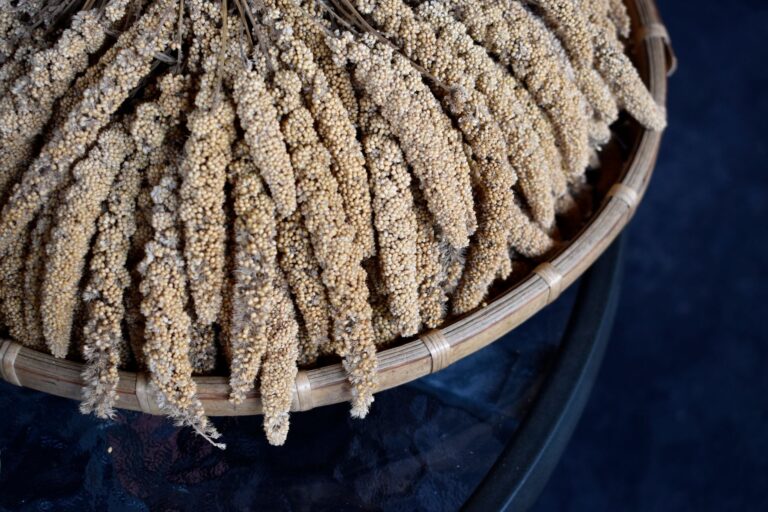
Pearl Millet vs Foxtail Millet
Introduction – Why the Pearl Millet vs Foxtail Millet Debate Matters for Indian Health‑Conscious Consumers India is in the midst of a […]
Ragi (Finger Millet) Benefits
Ragi (Finger Millet) Benefits 1. A Powerful Hook – The “Gold” of Indian Grains Did you know that ragi can contain up […]
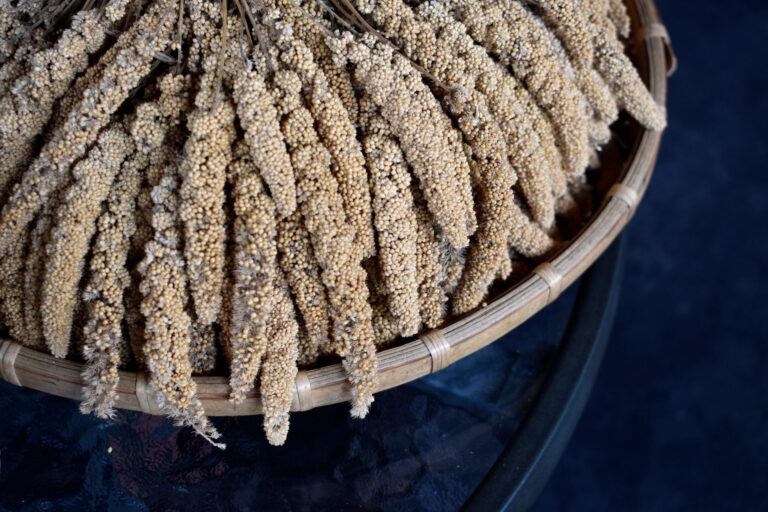
Common Millet Myths Debunked
Hook – Why Millet Myths Can Undermine Your Health Millets have been the backbone of Indian agriculture for millennia, yet a swirl […]
For a faster, smoother experience, install our app
- ⚡Opens in one tap — quicker than the browser
- 📦Track orders and reorder favourites easily
- 🎁Be first to see daily deals and festive offers
Installs straight from our website in seconds.
- Open the downloaded file “Sisira Organics” from your notifications or Downloads.
- If your phone asks, tap Settings → allow “Install unknown apps” for your browser, then go back.
- Tap Install, then Open. Done!
- Tap the Share button ⬆ at the bottom of Safari.
- Choose “Add to Home Screen”, then Add.