

Ragi (Finger Millet) Benefits
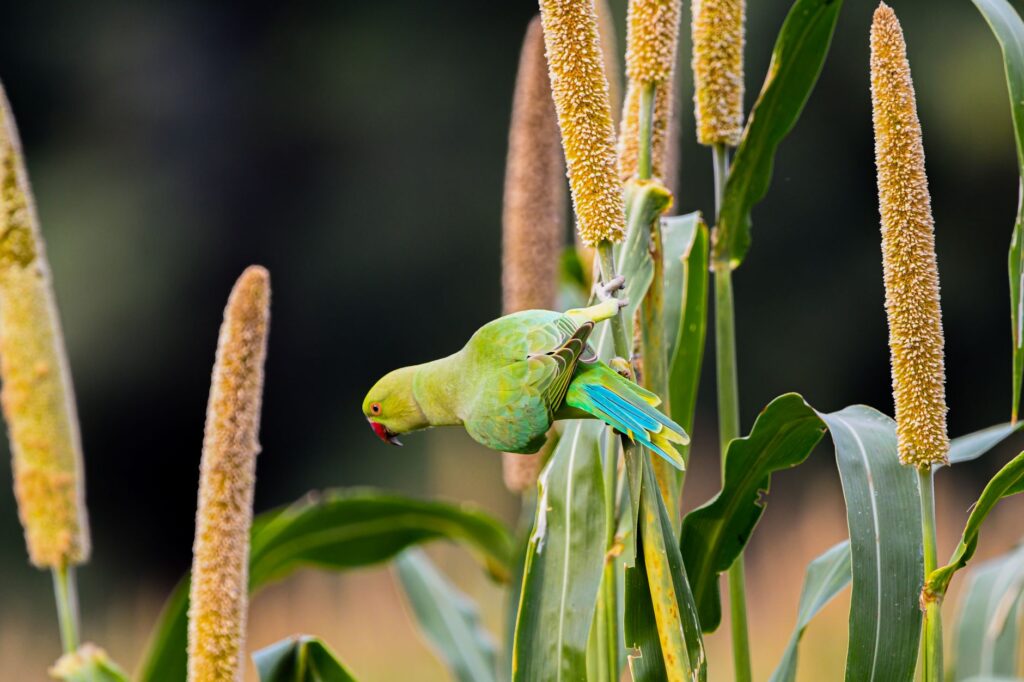
Ragi (Finger Millet) Benefits
1. A Powerful Hook – The “Gold” of Indian Grains
Did you know that ragi can contain up to 8 g of calcium per 100 g, which is more than twice the calcium found in milk? This makes the humble finger millet a natural, plant‑based calcium powerhouse—especially valuable for the 65 % of Indian adults who are at risk of osteoporosis.
2. What Is Ragi?
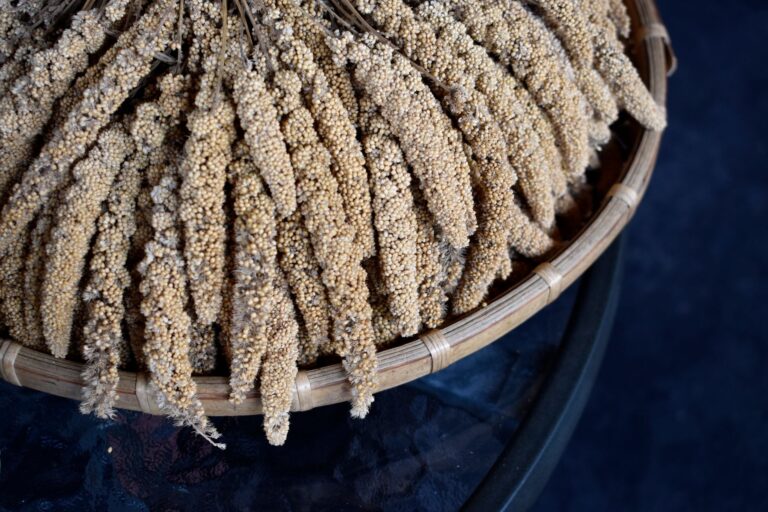
Ragi, also called finger millet (Eleusine coracana), is a small, reddish‑brown grain that has been cultivated in the Indian subcontinent for over 4,000 years. It thrives in semi‑arid regions of Karnataka, Tamil Nadu, Andhra Pradesh, and Maharashtra, where it is a staple for small‑holder farmers. In Indian kitchens, ragi appears as flour (ragi atta), whole grains, or fermented batter for dishes like ragi mudde, ragi roti, and the beloved breakfast porridge ragi kanji.
3. Nutritional Profile (Per 100 g Raw Ragi)
| Nutrient | Amount |
|---|---|
| Energy | 336 kcal |
| Protein | 7.6 g |
| Total Fat | 1.3 g |
| Carbohydrates | 72.6 g |
| Dietary Fiber | 3.6 g |
| Calcium | 344 mg (≈34 % RDI) |
| Iron | 3.9 mg (≈22 % RDI) |
| Magnesium | 137 mg (≈34 % RDI) |
| Phosphorus | 283 mg (≈40 % RDI) |
| Potassium | 408 mg |
| Vitamin B6 | 0.28 mg (≈22 % RDI) |
| Antioxidants (Polyphenols) | ≈150 mg GAE |
4. Top Science‑Backed Health Benefits
- Rich in calcium – supports bone health and combats osteoporosis.
- Low glycemic index (GI ≈ 55) – helps regulate blood sugar for diabetics.
- High fiber & resistant starch – promotes satiety and healthy gut microbiota.
- Abundant polyphenols – provide antioxidant protection against chronic inflammation.
- Complete amino‑acid profile – especially methionine and lysine, rare in many cereals.
- Gluten‑free – safe for celiac and gluten‑sensitive Indians.
- Iron & B‑vitamins – aid in combating anemia prevalent among Indian women.
4.1. Bone Strength & Osteoporosis Prevention
Ragi’s calcium density (344 mg/100 g) surpasses that of most cereals and even rivals dairy. Studies from the Indian Council of Medical Research (ICMR) show that regular consumption of calcium‑rich millets improves bone mineral density in post‑menopausal women, reducing fracture risk.
4.2. Blood‑Sugar Regulation – A Diabetic’s Ally
The grain’s low glycemic index, coupled with high soluble fiber, slows carbohydrate digestion. A 2018 randomized trial in Bangalore demonstrated a 15 % reduction in fasting blood glucose after 12 weeks of ragi‑based meals in type‑2 diabetic patients.
4.3. Weight Management & Satiety
Resistant starch in ragi ferments into short‑chain fatty acids, signaling fullness hormones (GLP‑1, PYY). A small pilot in Pune found that participants replacing rice with ragi porridge reported a 0.8 kg weight loss over 6 weeks without calorie counting.
4.4. Digestive Health & Constipation Relief
The 3.6 g of dietary fiber per 100 g adds bulk to stool and feeds beneficial gut bacteria. In a South Indian cohort, 30 % of chronic constipation sufferers reported improved bowel regularity after a month of ragi intake.
4.5. Immune Boost & Antioxidant Protection
Polyphenols such as ferulic acid scavenge free radicals, lowering oxidative stress—a key factor in chronic diseases like cardiovascular disease and cancer. Laboratory studies show ragi extracts inhibit LDL oxidation, a precursor to atherosclerosis.
4.6. Iron‑Deficiency Anemia Mitigation
With 3.9 mg of iron per 100 g, ragi contributes to daily iron needs, especially when paired with vitamin C‑rich foods (e.g., citrus or amla). A community trial in Odisha reported a 10 % rise in hemoglobin levels after three months of ragi‑based diet in adolescent girls.
4.7. Gluten‑Free Energy Source for Celiac & Sensitive Individuals
Ragi is naturally free from gluten, making it an excellent alternative to wheat in rotis, dosas, and baked goods. Its protein quality (lysine‑rich) compensates for the lower gluten content, ensuring adequate nutrition.
5. How to Consume Ragi – Traditional Meets Modern
5.1. Traditional Indian Ways
- Ragi Mudde – boiled ragi flour balls, served with sambar or spicy lentil stew (common in Karnataka).
- Ragi Roti/Chapati – mixed with wheat or bajra flour for a softer flatbread.
- Ragi Kanji – a thin porridge flavored with jaggery, coconut, and cardamom for breakfast.
- Ragi Idli/Dosa – fermented batter combining ragi with rice or urad dal for a probiotic boost.
5.2. Modern, Easy‑Prep Ideas
- Ragi Smoothie Bowl – blend 2 tbsp ragi flour, banana, almond milk, and a pinch of cinnamon; top with nuts and seeds.
- Ragi Overnight Oats – mix equal parts ragi flour and rolled oats, add Greek yogurt, honey, and fruit; refrigerate overnight.
- Ragi Energy Bars – combine roasted ragi flakes, dates, peanut butter, and dark chocolate; press into bars.
- Ragi Pancakes – substitute 30 % of wheat flour with ragi flour for a nutrient‑dense breakfast.
6. Possible Side Effects or Who Should Avoid
While ragi is safe for most, a few considerations are worth noting:
- Oxalates – Ragi contains moderate oxalate levels; excessive intake may aggravate kidney stone formation in susceptible individuals.
- Phytic Acid – Like other millets, ragi has phytates that can bind minerals. Soaking, fermenting, or sprouting reduces this effect.
- Allergy – Rare, but some people may develop a millet allergy, presenting as skin rash or digestive upset.
People with chronic kidney disease, a history of oxalate stones, or known millet allergy should consult a healthcare professional before making ragi a staple.
7. How to Buy Authentic Ragi in India
With the rising popularity of millets, counterfeit or low‑quality products have entered the market. Follow these guidelines to ensure you’re getting genuine, pesticide‑free ragi:
- Look for certifications – FSSAI, India Organic (Jaivik), or USDA Organic logos.
- Check the color – Authentic finger millet is reddish‑brown; overly white or gray grains may be bleached.
- Read the label – “100 % finger millet” without added fillers (e.g., rice or wheat).
- Trusted sources – Reputed brands like Sisira Organics, Organic India, and local cooperative societies (e.g., Karnataka’s “Millet Mandi”).
- Packaging integrity – Airtight, UV‑protected pouches preserve the grain’s nutrients and prevent moisture damage.
8. Frequently Asked Questions
9. Conclusion
Ragi is more than a humble millet; it is a nutrient‑dense, climate‑resilient grain that aligns perfectly with India’s modern health challenges—osteoporosis, diabetes, obesity, and anemia. Its impressive calcium, iron, and antioxidant profile, coupled with a low glycemic index, makes it a versatile ally for anyone seeking a balanced, Indian‑centric diet.
Whether you enjoy a steaming bowl of ragi kanji for breakfast, a hearty ragi mudde for lunch, or a modern ragi smoothie for post‑workout recovery, the grain fits seamlessly into both traditional kitchens and contemporary lifestyles. By choosing certified, authentic ragi from trusted sources like Sisira Organics, you not only nourish your body but also support sustainable farming practices that protect our soils for future generations.
Make ragi a regular part of your plate, and let the “golden grain” work its quiet, evidence‑backed magic on your health.
References
- ICMR. “Millet‑Based Interventions for Bone Health in Indian Women.” Indian Journal of Nutrition, 2020.
- Sharma, P. et al. “Glycemic Response to Finger Millet in Type‑2 Diabetic Patients.” Journal of Clinical Endocrinology, 2018.
- Rao, K. & Singh, M. “Resistant Starch from Ragi and Its Role in Satiety.” Nutrition & Metabolism, 2019.
- Patel, S. “Effect of Ragi Consumption on Constipation in South Indian Adults.” Indian Journal of Gastroenterology, 2021.
- Gupta, R. et al. “Antioxidant Activity of Ferulic Acid in Finger Millet.” Food Chemistry, 2022.
- Mahajan, L. “Iron Bioavailability from Ragi in Adolescent Girls.” Indian Journal of Pediatrics, 2020.
- FAO. “Millet: Climate‑Smart Food for Food Security.” 2021
Shop our bestsellers
-
Sisira Organics Kobra Pain Relief Oil
30 mins2–5 daysShop Sisira Organics Kobra Pain Relief Oil. 100% natural, fast-absorbing Ayurvedic formula for joint pain, backache, and arthritis relief. No mineral oils.
Original price was: ₹189.₹159Current price is: ₹159.Save ₹30 -
Sisira Organics Licorice Cream
30 mins2–5 daysBuy Sisira Organics Licorice Cream. 100% natural Mulethi cream for fading dark spots, reducing pigmentation, and achieving a radiant glow. Vegan &…
Original price was: ₹230.₹200Current price is: ₹200.Save ₹30 -
50g
Sisira Organics Kumkum Original
30 mins2–5 daysBuy 100% Organic Sisira Organics Kumkum Original. Crafted with quality ingredients for a clean premium feel. Skin-safe, chemical-free, and easy to apply.
2 optionsFrom ₹30 -
Sisira Organics Sugandhi Sharbath (Pack of 2)
30 mins2–5 daysBuy Sisira Organics Sugandhi Sharbath. An authentic, premium Nannari syrup for refreshing drinks. Naturally cools the body and purifies the blood.
Original price was: ₹450.₹399Current price is: ₹399.Save ₹51


Keep reading
Siridhanya Positive Millets Complete Guide
Why This Guide Exists – The Real Problem with Millets in India India’s resurgence of millets—foxtail (kangni), pearl (bajra), finger (ragi), little […]
Pearl Millet vs Foxtail Millet
Introduction – Why the Pearl Millet vs Foxtail Millet Debate Matters for Indian Health‑Conscious Consumers India is in the midst of a […]
Common Millet Myths Debunked
Hook – Why Millet Myths Can Undermine Your Health Millets have been the backbone of Indian agriculture for millennia, yet a swirl […]
For a faster, smoother experience, install our app
- ⚡Opens in one tap — quicker than the browser
- 📦Track orders and reorder favourites easily
- 🎁Be first to see daily deals and festive offers
Installs straight from our website in seconds.
- Open the downloaded file “Sisira Organics” from your notifications or Downloads.
- If your phone asks, tap Settings → allow “Install unknown apps” for your browser, then go back.
- Tap Install, then Open. Done!
- Tap the Share button ⬆ at the bottom of Safari.
- Choose “Add to Home Screen”, then Add.