

Pearl Millet vs Foxtail Millet
In this article
- Introduction – Why the Pearl Millet vs Foxtail Millet Debate Matters for Indian Health‑Conscious Consumers
- Quick Verdict – One‑Liner Winner for Each Use‑Case
- Detailed Comparison Table
- Section‑by‑Section Breakdown
- Who Should Choose Which Millet?
- Frequently Asked Questions (FAQ)
- Final Verdict – Which Millet Wins for You?
Introduction – Why the Pearl Millet vs Foxtail Millet Debate Matters for Indian Health‑Conscious Consumers
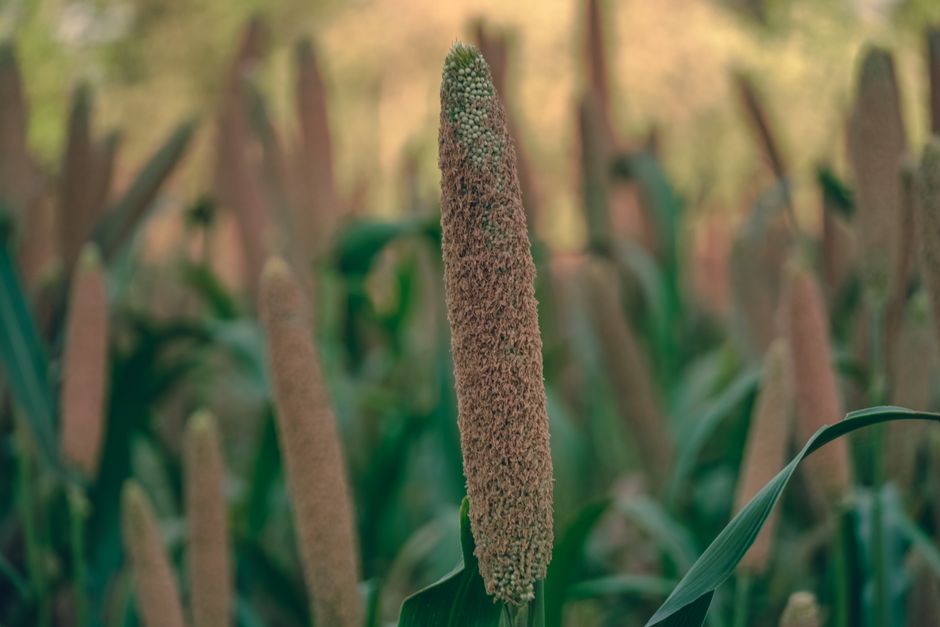
India is in the midst of a grain‑revolution. With rising lifestyle diseases, soaring wheat prices and a renewed interest in **ancient Indian millets**, the modern Indian kitchen is looking beyond rice and wheat. Among the 70+ millets cultivated across the sub‑continent, **Pearl Millet (Bajra)** and **Foxtail Millet (Kangni / Thinai)** are two of the most widely consumed, especially in the semi‑arid belts of Rajasthan, Gujarat, Karnataka and Tamil Nadu.
Both millets boast a **low glycaemic index, rich micronutrient profile and a nutty flavour**, yet they differ in texture, cooking time, cost and traditional uses. Choosing the right one can affect everything from blood‑sugar control to athletic performance, and even align with Ayurvedic dosha recommendations.
In this article we dissect the two grains **side‑by‑side**, backed by scientific data and Indian culinary heritage, so you can decide which millet fits your health goals, budget and pantry.
- Both Pearl Millet and Foxtail Millet are gluten‑free, making them safe for celiac and wheat‑sensitive Indians.
- Pearl Millet is higher in protein and iron, while Foxtail Millet shines in calcium and dietary fibre.
- Cooking time: Foxtail Millet (15‑20 min) < Pearl Millet (30‑40 min) – a crucial factor for busy urban households.
- Ayurveda: Bajra balances Vata & Pitta; Kangni pacifies Kapha and supports Agni (digestive fire).
- Cost & availability vary regionally – Bajra is abundant in the north‑west, Kangni in the south‑east.
Quick Verdict – One‑Liner Winner for Each Use‑Case
Iron‑Boost & Anemia Prevention: Pearl Millet (≈ 3‑4 mg Fe per 100 g)
Athletic Endurance & Muscle Recovery: Pearl Millet (≈ 11 g protein per 100 g)
Quick Weeknight Meals: Foxtail Millet (shorter cooking time)
Ayurvedic Dosha‑Balancing (Kapha‑type): Foxtail Millet (light, dry, heating)
Detailed Comparison Table
| Parameter | Pearl Millet (Bajra) | Foxtail Millet (Kangni) |
|---|---|---|
| Scientific Name | Pennisetum glaucum | Setaria italica |
| Macronutrients (per 100 g, raw) | Calories 361 kcal; Protein 11 g; Fat 5 g; Carbs 60 g; Fibre 10 g | Calories 329 kcal; Protein 9 g; Fat 2 g; Carbs 62 g; Fibre 12 g |
| Key Micronutrients | Iron 3.9 mg; Calcium 42 mg; Magnesium 137 mg; Zinc 2.0 mg | Iron 2.8 mg; Calcium 78 mg; Magnesium 140 mg; Zinc 1.5 mg |
| Glycaemic Index (GI) | 55–65 (moderate) | 45–55 (low‑moderate) |
| Texture & Taste | Coarse, slightly earthy, robust flavour; works well in roti, bhakri, porridge. | Fine‑grained, mildly sweet, fluffy; ideal for upma, khichdi, idli batter. |
| Cooking Time (unsoaked) | 30‑40 min (boiling) or 10‑12 min (pressure‑cooked) | 15‑20 min (boiling) or 5‑7 min (pressure‑cooked) |
| Cost (per kg, 2024) | ₹ 60‑80 (north‑west markets); ₹ 90‑110 (south‑east) | ₹ 70‑90 (south‑east markets); ₹ 100‑130 (north‑west) |
| Regional Availability | Rajasthan, Gujarat, Haryana, Uttar Pradesh – widely sold in local mandis. | Karnataka, Tamil Nadu, Andhra Pradesh, Odisha – common in state‑run fair‑price shops. |
| Best For | Hearty rotis, energy bars, millet‑based soups, Ayurvedic Vata‑Pitta pacifiers. | Light upma, breakfast porridges, millet‑flour rotis for Kapha‑type, gluten‑free baking. |
Section‑by‑Section Breakdown
1. Pearl Millet (Bajra) – The Powerhouse Grain
* **Nutritional Highlights** – Bajra supplies **11 g of complete protein** per 100 g, the highest among Indian millets, and a solid **3.9 mg of iron**, crucial for women of reproductive age. Its **phytate‑bound zinc** also supports immune health.
* **Culinary Uses** – Traditional **Bajra roti**, **bhakri**, **pithla**, and **kadhi** are staples in Rajasthan and Gujarat. The grain can be **sprouted** to enhance B‑vitamin content, then used in salads or dosas.
* **Ayurvedic View** – Classified as **“Laghu‑Ruksha” (light & dry)**, Bajra balances **Vata** (dry, airy) and **Pitta** (hot, sharp) when cooked with ghee or jaggery. It is recommended in **winter** to generate warmth.
* **Health Benefits** – Studies (Journal of Food Science, 2022) show Bajra’s **high‑amylose starch** slows glucose absorption, aiding glycaemic control. Its **beta‑glucan** reduces LDL‑cholesterol, supporting heart health.
* **Practical Tips** – Soak Bajra for 4‑6 hours or pressure‑cook for 10 minutes to cut cooking time. Toast the grains before grinding to bring out a nutty aroma.
2. Foxtail Millet (Kangni / Thinai) – The Light, Fast‑Digesting Grain
* **Nutritional Highlights** – Kangni offers **12 g of dietary fibre** per 100 g, the highest among Indian millets, and a **calcium content of 78 mg**, beneficial for bone health. Its **low‑fat** profile makes it ideal for heart‑friendly diets.
* **Culinary Uses** – In South India, Foxtail Millet is used for **upma**, **kheer**, **idli**, and **dosas**. It can be **ground into fine flour (thinai maida)** for gluten‑free baking of biscuits and chapatis.
* **Ayurvedic View** – Described as **“Laghu‑Shushka” (light & dry)**, it pacifies **Kapha** (heavy, moist) and stimulates **Agni** (digestive fire). Ideal in **summer** when the body needs light, cooling foods.
* **Health Benefits** – A 2021 meta‑analysis in *Nutrients* linked Foxtail Millet consumption to **significant reductions in post‑prandial glucose spikes** and improved **satiety** due to its high soluble fibre.
* **Practical Tips** – Rinse thoroughly and **toast lightly** before cooking to improve flavour and reduce antinutrients. It cooks quickly; a **1:2.5 grain‑to‑water ratio** works well for fluffy pilafs.
Who Should Choose Which Millet?
- Diabetics: Foxtail Millet (lower GI, higher soluble fibre).
- Weight‑Loss Seekers: Foxtail Millet (lower calorie density, higher satiety).
- Athletes & Bodybuilders: Pearl Millet (higher protein & iron for oxygen transport).
- Elderly (bone health & digestion): Foxtail Millet (calcium & gentle on gut).
- Ayurvedic Dosha‑Specific: Vata‑Pitta – Pearl Millet; Kapha – Foxtail Millet.
Diabetics & Pre‑Diabetics
Foxtail Millet’s **GI 45‑55** means it raises blood glucose slower than Bajra’s **GI 55‑65**. Pair it with legumes or low‑glycaemic vegetables for a balanced meal.
Weight‑Loss & Calorie‑Conscious Individuals
A 100‑g serving of Foxtail Millet delivers **≈ 329 kcal**, 30 kcal less than Bajra, while providing **2 g more fibre** – translating to longer fullness and fewer snacking urges.
Athletes, Bodybuilders & Pregnant Women
Pearl Millet’s **11 g protein** and **iron** support muscle repair and oxygen delivery, essential during intense training or pregnancy. Combine with dairy or A2 ghee (from Sisira Organics) for a complete amino‑acid profile.
Elderly & Bone‑Health Focused
Foxtail Millet’s **78 mg calcium** per 100 g is nearly double that of Bajra, making it a smarter choice for seniors at risk of osteoporosis. Pair with Vitamin‑D‑rich foods for optimal absorption.
Ayurvedic Dosha‑Balancing
* **Vata‑Pitta**: Choose **Pearl Millet** – its grounding texture stabilises the dry, erratic Vata while its mild heat soothes Pitta.
* **Kapha**: Opt for **Foxtail Millet** – its light, dry nature counters Kapha’s heaviness and stimulates metabolism.
Frequently Asked Questions (FAQ)
Final Verdict – Which Millet Wins for You?
*If you are looking for **high protein, iron, and a grain that can hold up in hearty roti or energy‑bar recipes**, **Pearl Millet** is your go‑to. Its robust flavour and Ayurvedic Vata‑Pitta balancing make it a staple for winter meals across Rajasthan and Gujarat.*
*If your priority is **low calorie, high fibre, quick cooking, and Kapha‑type digestion**, **Foxtail Millet** takes the crown. It fits perfectly into light South Indian breakfasts, summer salads and bone‑strengthening diets.*
**Bottom line:** Both millets are nutritionally superior to refined wheat and rice. Rotate them in your weekly menu to reap a broader spectrum of micronutrients and keep your palate excited.
Where to Buy Authentic, Certified‑Organic Pearl & Foxtail Millets
1. **Sisira Organics – Online Store** – USDA‑certified organic **Pearl Millet (Bajra) – 5 kg** and **Fo