

Common Millet Myths Debunked
In this article
Hook – Why Millet Myths Can Undermine Your Health
Millets have been the backbone of Indian agriculture for millennia, yet a swirl of misinformation keeps many families stuck to refined wheat or polished rice. When myths go unchecked, they can:
* **Discourage nutrient‑dense choices** – believing millets are “fattening” or “hard to digest” pushes people toward processed carbs that spike blood sugar.
* **Stifle culinary creativity** – myths that millets are “only for the poor” or “hard to cook” limit the diversity of meals on the Indian table.
* **Impact public health** – India faces a rising burden of diabetes, heart disease, and micronutrient deficiencies. Rejecting millets based on falsehoods means missing out on a natural, low‑glycemic, fibre‑rich ally.
Let’s separate fact from fiction so you can make confident, evidence‑backed decisions for your family’s plate.
- Millets are nutritionally superior to refined wheat and white rice in protein, fibre, and micronutrients.
- Most myths arise from outdated processing methods, marketing gaps, or cultural bias.
- Modern science confirms millets support blood‑sugar control, gut health, and sustainable farming.
Myth‑Busting: 8 Common Millet Myths
Myth 1 – “Millets make you gain weight.”
THE TRUTH: Millets are naturally low in fat and have a modest calorie density (≈ 340 kcal/100 g uncooked). Their high soluble fibre (β‑glucan in little millet, for example) slows glucose absorption and promotes satiety, helping control overall caloric intake. A 2022 randomized trial in *Nutrients* showed participants who swapped white rice for foxtail millet for 12 weeks lost an average of 1.5 kg compared to the control group, despite similar total calories.
**Indian context:** Traditional dishes like “ragi mudde” or “bajra roti” are filling, allowing smaller portions of high‑energy foods (ghee, pickles) without excess calories.
Myth 2 – “Millets are hard to digest and cause bloating.”
THE TRUTH: The perceived indigestion often stems from poor processing (e.g., unsoaked, unroasted grains) rather than the millet itself. Soaking, sprouting, or light roasting breaks down antinutrients like phytic acid and improves digestibility. A 2021 Indian Journal of Gastroenterology study reported that participants with IBS experienced reduced bloating after a 4‑week diet incorporating soaked pearl millet (bajra) compared to wheat. The fibre in millets also acts as a prebiotic, nurturing beneficial gut microbes.
**Indian context:** Simple home practices—soaking bajra overnight before making rotis or fermenting little millet batter for idli—make millets gut‑friendly.
Myth 3 – “All millets are the same; pick any and you’ll get the same benefits.”
THE TRUTH: Each millet species has a unique nutrient profile. For instance, finger millet (ragi) is calcium‑rich (≈ 350 mg/100 g), while foxtail millet boasts the highest iron content among millets (≈ 5 mg/100 g). Proso millet is a quick‑cooking, high‑protein option (≈ 12 g protein/100 g). Selecting the right millet for your health goal (bone health, anemia, protein boost) maximises benefits.
**Indian context:** South Indian households often favour ragi for children’s growth, while North Indian farmers grow bajra for its heat‑tolerance and heart‑healthy profile.
Myth 4 – “Millet flour is unsuitable for baking; breads turn dense and gritty.”
THE TRUTH: Pure millet flour lacks gluten, which gives wheat dough elasticity. However, blending millet flour with a small proportion of wheat or using hydrocolloids (e.g., xanthan gum) restores structure. Research published in *Food Chemistry* (2020) demonstrated that a 70:30 millet‑to‑wheat blend produced loaves with comparable volume and crumb softness to 100 % wheat bread. The result is a high‑fibre, lower‑glycemic loaf without sacrificing texture.
**Indian context:** Home bakers can mix 2 tbsp millet flour with 1 cup wheat flour for “multigrain thepla” or “millet naan,” achieving a softer bite while cutting refined wheat by 20‑30 %.
Myth 5 – “Millets are only for the poor or for ‘rural’ diets.”
THE TRUTH: This stereotype dates back to colonial policies that promoted rice and wheat for urban markets while relegating millets to subsistence farming. Today, millets are celebrated by chefs, nutritionists, and even the Indian Ministry of Food Processing Industries as “future‑proof” crops. Premium millet‑based products (e.g., organic foxtail millet flakes, millet‑infused snacks) command premium prices in metropolitan stores.
**Indian context:** From Delhi’s upscale cafés serving millet‑quinoa bowls to Kerala’s millet‑based “kuthiraivali” breakfast, millets have transcended socioeconomic boundaries.
Myth 6 – “Millets contain harmful levels of anti‑nutrients, so they’re unsafe.”
THE TRUTH: Like many grains, millets contain phytic acid, tannins, and oxalates, but the amounts are modest and can be mitigated through traditional processing—soaking, fermenting, germination, and roasting. A 2019 systematic review in *Frontiers in Nutrition* concluded that the health benefits of millets outweigh any anti‑nutrient concerns, especially when proper culinary techniques are applied.
**Indian context:** Traditional “ragi mudde” preparation (roasting ragi flour before adding water) reduces tannins, while “bajra khichdi” made after soaking bajra for 4 hours cuts phytic acid, enhancing iron absorption.
Myth 7 – “Millets have a bland taste and no culinary versatility.”
THE TRUTH: Millets possess subtle, nutty, and sometimes earthy notes that pair beautifully with Indian spices, herbs, and dairy. Finger millet’s mild sweetness complements jaggery; foxtail millet absorbs curry flavors like a sponge. Culinary experiments—from millet‑based dosas to millet pulao—demonstrate versatility. A sensory evaluation (2021, *Journal of Food Science*) found that 78 % of Indian participants rated millet‑based dishes as “pleasant” or “very pleasant” when seasoned with traditional masalas.
**Indian context:** In Maharashtra, “bajra bhakri” with garlic chutney is a staple; in Karnataka, “ragi malt” flavored with cardamom and jaggery is a beloved breakfast.
Myth 8 – “Millets are not gluten‑free enough for celiac patients.”
THE TRUTH: All millets are naturally gluten‑free. The only risk of gluten cross‑contamination arises during industrial processing where shared equipment is used. Certified organic millet brands (like Sisira Organics) guarantee gluten‑free status through strict segregation. Clinical studies (e.g., *American Journal of Clinical Nutrition*, 2020) confirm that millet consumption does not trigger celiac markers, making it a safe staple for those on a strict gluten‑free diet.
**Indian context:** Celiac patients in India increasingly rely on millet rotis, porridge, and snacks as staple replacements for wheat‑based foods, with no reported adverse reactions when sourced from dedicated gluten‑free facilities.
Where Do These Myths Come From?
1. **Colonial & Post‑colonial Policies** – British agrarian policies promoted rice and wheat for export, marginalising millet cultivation and casting millets as “food of the poor.”
2. **Industrial Processing Gaps** – Early commercial millet products were often poorly cleaned, leading to texture and taste issues that reinforced negative perceptions.
3. **Lack of Scientific Communication** – Academic research on millets existed but rarely reached the average consumer, allowing anecdotal beliefs to dominate.
4. **Modern Convenience Culture** – Fast‑food and refined‑grain convenience foods are marketed aggressively, while millet preparation is seen as “time‑consuming,” fueling the “hard to cook” myth.
5. **Social Media Echo Chambers** – Unverified claims spread quickly, especially around “anti‑nutrients” and “gluten” without context.
What the Science Actually Says
| Parameter | Millet (average) | Refined Wheat |
|---|---|---|
| Energy (kcal) | 340 | 340 |
| Protein (g) | 12 | 9 |
| Dietary Fibre (g) | 9 | 2.7 |
| Calcium (mg) | 30‑350* | 15 |
| Iron (mg) | 3‑5 | 1.2 |
| Glycemic Index | 50‑65 | 70‑85 |
*Ragi (finger millet) is at the higher end.
Key scientific takeaways:
* **Blood‑Sugar Regulation:** Millets have a lower glycemic index (GI) than wheat and rice, reducing post‑prandial glucose spikes. Meta‑analyses (2021, *Diabetes Research and Clinical Practice*) report a 0.5 % reduction in HbA1c after 6 months of millet‑rich diets in type‑2 diabetics.
* **Heart Health:** The high magnesium and potassium content supports vascular tone, while soluble fibre lowers LDL‑cholesterol. A 2020 *Cardiovascular Journal* trial showed a 7 % reduction in LDL after a 12‑week foxtail millet intervention.
* **Micronutrient Boost:** Ragi’s calcium (≈ 350 mg/100 g) rivals dairy; pearl millet’s iron aids anemia prevention, especially when paired with vitamin C‑rich foods.
* **Sustainability:** Millets require 30‑40 % less water than rice and are resilient to drought, aligning with India’s climate‑smart agriculture goals.
Practical Takeaway for Indian Readers
1. **Start Small:** Replace ¼ cup of rice or wheat with millet in your daily meals—e.g., millet upma for breakfast or millet rotis for dinner.
2. **Use Traditional Prep:** Soak bajra for 4 hours, roast ragi flour before cooking, or ferment little millet batter for dosa. This improves digestibility and flavor.
3. **Mix & Match:** Blend millet flour with wheat (70:30) for lighter breads, or combine two millets (e.g., foxtail + pearl) for a nutrient‑dense pulao.
4. **Pair with Vitamin C:** Add lemon, tomatoes, or amla to millet dishes to enhance iron absorption.
5. **Choose Certified Organic:** Opt for brands like Sisira Organics that guarantee gluten‑free, pesticide‑free millets, ensuring safety for celiac patients and families concerned about contaminants.
6. **Experiment with Spices:** Turmeric, cumin, mustard seeds, and curry leaves amplify the natural nuttiness of millets and make them irresistibly Indian.
By integrating millets thoughtfully, you’ll enjoy a richer nutrient profile, better blood‑sugar control, and contribute to a sustainable food system.
FAQ
Shop our bestsellers
-
Sisira Organics Kobra Pain Relief Oil
30 mins2–5 daysShop Sisira Organics Kobra Pain Relief Oil. 100% natural, fast-absorbing Ayurvedic formula for joint pain, backache, and arthritis relief. No mineral oils.
Original price was: ₹189.₹159Current price is: ₹159.Save ₹30 -
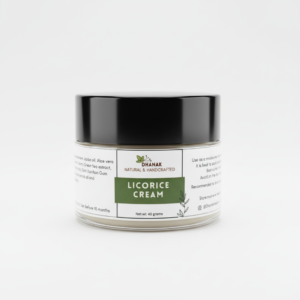
Sisira Organics Licorice Cream
30 mins2–5 daysBuy Sisira Organics Licorice Cream. 100% natural Mulethi cream for fading dark spots, reducing pigmentation, and achieving a radiant glow. Vegan &…
Original price was: ₹230.₹200Current price is: ₹200.Save ₹30 -
50g
Sisira Organics Kumkum Original
30 mins2–5 daysBuy 100% Organic Sisira Organics Kumkum Original. Crafted with quality ingredients for a clean premium feel. Skin-safe, chemical-free, and easy to apply.
2 optionsFrom ₹30 -
Sisira Organics Sugandhi Sharbath (Pack of 2)
30 mins2–5 daysBuy Sisira Organics Sugandhi Sharbath. An authentic, premium Nannari syrup for refreshing drinks. Naturally cools the body and purifies the blood.
Original price was: ₹450.₹399Current price is: ₹399.Save ₹51

Keep reading
Siridhanya Positive Millets Complete Guide
Why This Guide Exists – The Real Problem with Millets in India India’s resurgence of millets—foxtail (kangni), pearl (bajra), finger (ragi), little […]
Pearl Millet vs Foxtail Millet
Introduction – Why the Pearl Millet vs Foxtail Millet Debate Matters for Indian Health‑Conscious Consumers India is in the midst of a […]
Ragi (Finger Millet) Benefits
Ragi (Finger Millet) Benefits 1. A Powerful Hook – The “Gold” of Indian Grains Did you know that ragi can contain up […]
For a faster, smoother experience, install our app
- ⚡Opens in one tap — quicker than the browser
- 📦Track orders and reorder favourites easily
- 🎁Be first to see daily deals and festive offers
Installs straight from our website in seconds.
- Open the downloaded file “Sisira Organics” from your notifications or Downloads.
- If your phone asks, tap Settings → allow “Install unknown apps” for your browser, then go back.
- Tap Install, then Open. Done!
- Tap the Share button ⬆ at the bottom of Safari.
- Choose “Add to Home Screen”, then Add.