

Rice Alternatives for Diabetics
In this article
- Why This Guide Exists – The Diabetes‑Rice Dilemma
- What to Look for When Buying – 6 Critical Factors
- Red Flags & Adulteration Signs – Protecting the Indian Consumer
- How to Use, Cook, and Store Rice Alternatives
- Price Range in INR – From Value to Premium
- Recommended Brands & Trusted Sources in India
- Common Mistakes to Avoid
- FAQ – Quick Answers for Diabetic Readers
- Quick Summary Checklist – Your Diabetes‑Friendly Rice Alternative Playbook
Why This Guide Exists – The Diabetes‑Rice Dilemma
Rice is a staple on Indian plates, but its high glycaemic index (GI) and carbohydrate load can spike blood‑sugar levels, especially for people with type 2 diabetes or pre‑diabetes. The National Institute of Nutrition estimates that the average Indian consumes **≈ 200 g of white rice per day**, translating to **≈ 150 g of digestible carbs** in a single meal. Over time, repeated spikes accelerate insulin resistance and complicate glycaemic control.
Yet, rice isn’t the only grain that can carry a plate. A growing body of research shows that millets, pseudo‑cereals, and certain low‑GI rice alternatives can **lower post‑prandial glucose**, provide **more fibre**, and still satisfy the cultural need for a “rice‑like” base. This guide cuts through the hype, market confusion, and adulteration risks to give Indian diabetics a **practical, evidence‑based roadmap** for selecting, cooking, and storing safe rice alternatives.
- White rice’s GI (70‑89) makes it a rapid‑release carb – not ideal for stable blood‑sugar.
- Millets, broken wheat, and pseudo‑cereals have GI < 55 and higher fibre, protein, and micronutrients.
- Indian markets are rife with mislabeled “organic” or “millet” products; know the red flags.
- Correct cooking methods (e.g., soaking, tempering) can further lower GI.
What to Look for When Buying – 6 Critical Factors
1. Authentic Grain Identity
– **Scientific name** on the pack (e.g., *Pennisetum glaucum* for pearl millet).
– Verify that the label mentions the exact variety (e.g., **Kodo millet (Paspalum scrobiculatum)**) rather than a generic “millet mix”.
2. Certified Organic or FSSAI‑Approved
– Look for **FSSAI Organic Logo** or **India Organic (IO)** certification.
– For millets, the **National Programme for Organic Production (NPOP)** tag ensures no synthetic pesticides.
3. Whole‑grain vs. Refined
– Whole‑grain millets retain the bran and germ, offering **3‑5 g more fibre per 100 g** than de‑hulled versions.
– Check for terms like “**whole grain**, **unpolished**, **unrefined**”.
4. Moisture Content & Shelf‑Life
– Ideal moisture ≤ 12 % for millets and pseudo‑cereals; higher moisture invites mould and aflatoxins.
– Packaged in **multi‑layer, UV‑protected pouches** with a **best‑before** of at least 12 months.
5. Origin & Traceability
– Indian millets thrive in **semi‑arid regions** (Madhya Pradesh, Rajasthan, Karnataka).
– Brands that disclose **farm‑level sourcing** (e.g., “sourced from organic farms in Barmer, Rajasthan”) reduce the risk of adulteration.
6. Price‑to‑Nutrition Ratio
– Cheap bulk millets may be **pesticide‑treated** or mixed with cheaper fillers (e.g., broken wheat).
– A modest premium for a **transparent, certified product** usually guarantees better nutrient density.
Quick Comparison – Glycaemic Index (GI) of Popular Rice Alternatives (per 100 g cooked)
| Grain | GI (Average) | Protein (g) | Fiber (g) |
|---|---|---|---|
| White Basmati Rice | 58‑70 | 2.5 | 0.5 |
| Brown Basmati Rice | 50‑55 | 2.8 | 1.8 |
| Foxtail Millet (Kangni) | 50‑55 | 3.5 | 2.2 |
| Little Millet (Kutki) | 45‑50 | 3.2 | 2.0 |
| Amaranth (Rajgira) | 35‑45 | 4.0 | 2.5 |
| Quinoa (Imported) | 53‑58 | 4.4 | 2.8 |
| Buckwheat (Kuttu) | 45‑55 | 3.1 | 2.7 |
Red Flags & Adulteration Signs – Protecting the Indian Consumer
1. **Missing or vague scientific name** – “millet mix” without specifying varieties often hides fillers like broken wheat or rice bran.
2. **Absence of FSSAI licence number** – Every packaged food must display a 14‑digit licence; missing this is a major red flag.
3. **Unusual colour or texture** – Whole millets are naturally **golden to light brown**. A **pale, chalky** appearance may indicate bleaching or over‑processing.
4. **Odour of chemicals** – A faint **pesticide or solvent smell** suggests improper drying or contamination.
5. **Excessive price discount** – Prices **> 30 % below market average** usually mean bulk, low‑grade, or adulterated stock.
6. **Packaging defects** – Torn seals, absence of **tamper‑evident strip**, or single‑layer plastic bags increase exposure to moisture and pests.
7. **Water test** – Soak 10 g of the grain in 100 ml water for 30 min; if the water turns **milky or dark**, the product may be **excessively polished** or mixed with starch.
How to Use, Cook, and Store Rice Alternatives
General Cooking Principles
– **Rinse** millets under cold water to remove dust.
– **Soak** for 30 min (except quinoa) to reduce antinutrients and lower GI.
– Use a **1:2.5 ratio** (grain:water) for most millets; quinoa needs 1:2.
– **Pressure‑cook** for 5‑7 min on medium flame, then **steam** for 5 min to achieve fluffy texture.
– Add a **pinch of turmeric or cumin** for flavour and added antioxidant benefits.
Specific Grain Tips
*Foxtail Millet (Kangni)* – Ideal for **upma**, **khichdi**, or as a **rice substitute** in biryanis.
*Little Millet (Kutki)* – Works well in **idli batter** (mix 30 % millet with rice).
*Amaranth (Rajgira)* – High protein; use in **pancakes** or **porridge**; it thickens quickly, so add extra water.
*Quinoa* – Rinse thoroughly to remove saponins; cook like rice and use in **salads** or **pilafs**.
*Buckwheat (Kuttu)* – Perfect for **fasting** dishes; roast lightly before cooking to enhance nutty flavour.
Storage Guidelines
– Keep millets in **airtight glass jars** or **Mylar bags** with a desiccant packet.
– Store in a **cool, dark pantry** (≤ 25 °C); for humidity‑prone regions, use a **refrigerator** for up to 6 months.
– **Freeze** cooked millets in portioned bags for up to 3 months – reheating preserves texture better than microwaving directly from frozen.
Price Range in INR – From Value to Premium
| Quality Tier | Typical Price (per kg) | Example Products |
|————–|————————|——————|
| **Economy** (unbranded, bulk) | ₹30 – ₹60 | Local market millets, unlabelled “millet mix” |
| **Mid‑range** (certified organic, branded) | ₹80 – ₹150 | Sisira Organics Foxtail Millet, 24 Mantra Little Millet |
| **Premium** (single‑origin, heirloom, extra‑nutrient) | ₹180 – ₹300+ | Natureland Organic Amaranth (single‑origin Rajasthan), Nourish Organics Quinoa (US‑import, fair‑trade) |
*Note*: Prices fluctuate seasonally; buying in **bulk (5 kg packs)** can shave 10‑15 % off per‑kg cost.
Recommended Brands & Trusted Sources in India
1. **Sisira Organics** – USDA‑certified organic millets, UV‑protected packaging, transparent farm‑level sourcing (Madhya Pradesh).
2. **24 Mantra Organic** – Wide range of millets and pseudo‑cereals, NPOP certified, widely available in supermarkets.
3. **Natureland Organics** – Offers single‑origin amaranth and quinoa, with QR code for traceability.
4. **Nourish Organics** – Premium quinoa and buckwheat, fair‑trade, imported under FSSAI compliance.
5. **Organic India** – Known for herbal teas, also provides **organic foxtail millet** with batch‑wise lab reports.
6. **Local Government‑run Krishi Vigyan Kendra (KVK) Stores** – Often sell **certified millet seeds** at MSP rates; ideal for bulk home‑grown stock.
Common Mistakes to Avoid
– **Cooking millets like rice** (1:1 water ratio) → leads to hard, under‑cooked grains and higher GI.
– **Skipping the soak** – increases antinutrient load (phytates) and can cause digestive discomfort.
– **Mixing millets with refined rice** to “stretch” quantity – defeats the glycaemic benefit.
– **Storing in metal containers** – can oxidise unsaturated fats in millets, causing rancidity.
– **Ignoring portion size** – even low‑GI grains can raise glucose if consumed in excess (> ½ cup cooked).
– **Using low‑quality “organic” labels** without verification – may be green‑washing.
FAQ – Quick Answers for Diabetic Readers
Quick Summary Checklist – Your Diabetes‑Friendly Rice Alternative Playbook
- ✅ Verify scientific name and **FSSAI/IO** certification.
- ✅ Choose **whole‑grain, low‑moisture (<12 %)** millets.
- ✅ Avoid packs lacking licence number, with vague “millet mix”, or unusually cheap.
- ✅ Soak 30 min, use 1:2.5 grain‑to‑water ratio, pressure‑cook 5‑7 min.
- ✅ Store in airtight glass/Mylar, cool dark place; refrigerate if humidity > 70 %.
- ✅ Portion control: 30‑40 g dry grain per meal (≈ ½ cup cooked).
- ✅ Preferred brands: **Sisira Organics, 24 Mantra, Natureland, Nourish Organics**.
- ✅ Skip mixing with refined rice; keep meals balanced with veg, dal, and healthy fats.
References
- India Diabetes Study Group. “Glycaemic Index of Indian Millets.” *Indian J. Endocrinol
Shop our bestsellers
-
Sisira Organics Kobra Pain Relief Oil
30 mins2–5 daysShop Sisira Organics Kobra Pain Relief Oil. 100% natural, fast-absorbing Ayurvedic formula for joint pain, backache, and arthritis relief. No mineral oils.
Original price was: ₹189.₹159Current price is: ₹159.Save ₹30 -
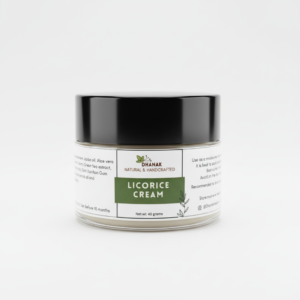
Sisira Organics Licorice Cream
30 mins2–5 daysBuy Sisira Organics Licorice Cream. 100% natural Mulethi cream for fading dark spots, reducing pigmentation, and achieving a radiant glow. Vegan &…
Original price was: ₹230.₹200Current price is: ₹200.Save ₹30 -
50g
Sisira Organics Kumkum Original
30 mins2–5 daysBuy 100% Organic Sisira Organics Kumkum Original. Crafted with quality ingredients for a clean premium feel. Skin-safe, chemical-free, and easy to apply.
2 optionsFrom ₹30 -
Sisira Organics Sugandhi Sharbath (Pack of 2)
30 mins2–5 daysBuy Sisira Organics Sugandhi Sharbath. An authentic, premium Nannari syrup for refreshing drinks. Naturally cools the body and purifies the blood.
Original price was: ₹450.₹399Current price is: ₹399.Save ₹51

Keep reading
Brown Rice vs Millet for Diabetics
Introduction – Why the Brown Rice vs Millet Debate Matters for Indian Diabetics India has the world’s largest diabetic population – an estimated […]
Gobindobhog Rice: Is It Diabetic Friendly?
## Why This Guide Exists Diabetes is a growing concern in India – the International Diabetes Federation estimates **over 77 million Indians** live […]
Kerala Matta Rice Benefits for Diabetics
Kerala Matta Rice Benefits for Diabetics 1. A Powerful Hook – The Surprising Statistic According to the Indian Council of Medical Research […]
For a faster, smoother experience, install our app
- ⚡Opens in one tap — quicker than the browser
- 📦Track orders and reorder favourites easily
- 🎁Be first to see daily deals and festive offers
Installs straight from our website in seconds.
- Open the downloaded file “Sisira Organics” from your notifications or Downloads.
- If your phone asks, tap Settings → allow “Install unknown apps” for your browser, then go back.
- Tap Install, then Open. Done!
- Tap the Share button ⬆ at the bottom of Safari.
- Choose “Add to Home Screen”, then Add.