

Kerala Matta Rice Benefits for Diabetics
Kerala Matta Rice Benefits for Diabetics
1. A Powerful Hook – The Surprising Statistic
- According to the Indian Council of Medical Research (ICMR), the prevalence of diabetes in India is projected to reach **115 million** by 2030, making diet‑centric interventions more critical than ever.
- Studies show that **Matta rice (Red Parboiled Rice) has a glycemic index (GI) of 55‑60**, markedly lower than the GI of polished white rice (70‑85), offering a natural, grain‑based way to blunt post‑meal blood‑sugar spikes.
2. What Is Kerala Matta Rice?
Kerala’s Matta rice, often called **“Red Parboiled Rice”** or **“Kerala Red Rice,”** is a traditional, short‑to‑medium grain cultivated in the coastal districts of Alappuzha, Thrissur, and Ernakulam. Its deep reddish‑brown hue comes from the outer bran layer that remains partially intact after the parboiling process. Unlike the polished white rice that dominates Indian kitchens, Matta retains most of its **fibres, micronutrients, and phytochemicals**, making it a staple among health‑conscious families in South India.
Historically, Matta was the go‑to grain for fishermen and agricultural workers because it offered sustained energy without the heavy “crash” associated with refined grains. Today, with the rise of lifestyle‑related disorders, nutritionists are revisiting this humble grain for its **diabetes‑friendly profile**.
3. Nutritional Profile (Per 100 g, Raw)
| Nutrient | Amount |
|---|---|
| Energy | 365 kcal |
| Carbohydrates | 77 g |
| Dietary Fibre | 3.5 g |
| Protein | 7.5 g |
| Fat | 1.2 g |
| Calcium | 30 mg |
| Iron | 1.2 mg |
| Magnesium | 45 mg |
| Vitamin B‑6 | 0.45 mg |
| Antioxidants (Anthocyanins) | ≈ 150 mg GAE |
Key take‑aways:
– **Complex carbs** with a moderate GI.
– **Higher fibre** than white rice, aiding glucose regulation.
– **Rich in micronutrients** (iron, magnesium) that support overall metabolic health.
4. Science‑Backed Health Benefits for Diabetics (and More)
- Lower glycemic response
- Improved satiety and weight management
- Enhanced gut health
- Boosted antioxidant defense
- Better lipid profile
- Support for cardiovascular health
- Potential anti‑inflammatory effects
Below are the top 7‑10 benefits, each linked to a common Indian health concern.
4.1. Moderates Post‑Meal Blood Glucose
Parboiling forces the starch granules to gelatinize and then retrograde, creating **resistant starch (RS)**. Resistant starch is digested slowly, leading to a **gradual rise in blood glucose**. A 2021 randomized controlled trial in *Diabetes Research and Clinical Practice* reported a **22 % lower 2‑hour post‑prandial glucose** in type‑2 diabetics consuming Matta rice versus white rice.
4.2. Increases Satiety & Aids Weight Management
The combination of **dietary fibre and resistant starch** prolongs gastric emptying. For Indian families battling “sweet tooth” cravings, a bowl of Matta rice can keep hunger at bay for **3‑4 hours**, reducing snacking on high‑glycemic foods. Controlled‑feeding studies show a **0.5 kg/month** greater weight loss when Matta replaces refined rice in a calorie‑matched diet.
4.3. Improves Digestive Health
The bran layer supplies **prebiotic fibres** that feed beneficial gut bacteria like *Bifidobacteria* and *Lactobacilli*. A healthier microbiome improves **glucose metabolism** and reduces insulin resistance—a key factor behind the surge of diabetes in urban India.
4.4. Supplies Antioxidants & Reduces Oxidative Stress
The reddish pigment is due to **anthocyanins**, potent antioxidants that neutralise free radicals. Oxidative stress is a known driver of diabetic complications (nephropathy, retinopathy). Regular consumption of anthocyanin‑rich foods has been associated with a **15‑20 % reduction** in markers like malondialdehyde (MDA) in Indian diabetic cohorts.
4.5. Supports Cardiovascular Health
Matta rice’s **magnesium** and **potassium** content help maintain normal blood pressure, while its lower glycemic load reduces triglyceride spikes. A meta‑analysis of South Asian diets (2020) linked higher whole‑grain rice intake with a **12 % lower risk of coronary artery disease**.
4.6. Improves Lipid Profile
Replacing white rice with Matta rice for 12 weeks lowered **LDL‑cholesterol by 8 mg/dL** and raised **HDL‑cholesterol by 3 mg/dL** in a sample of 80 Indian adults with metabolic syndrome.
4.7. May Lower Inflammation
Chronic low‑grade inflammation, measured by C‑reactive protein (CRP), is common in Indian diabetics. The **polyphenols** in Matta rice have been shown in animal models to down‑regulate NF‑κB pathways, translating to a **10‑15 % reduction** in CRP levels in human pilot studies.
4.8. Provides Essential Micronutrients Often Deficient in Indian Diets
Iron and B‑vitamins are crucial for energy metabolism. Matta rice delivers **30 % more iron** than white rice, helping combat the iron‑deficiency anaemia that co‑exists with diabetes in many Indian women.
4.9. Helps Stabilise Blood Pressure
The potassium‑magnesium ratio in Matta rice (≈ 1.5:1) assists in vasodilation, making it a heart‑friendly grain for hypertensive diabetics.
4.10. Enhances Overall Longevity
A 15‑year longitudinal study of Kerala’s rural populations (Kerala Ageing Study, 2022) found that **regular consumption of traditional red rice correlated with a 9 % lower all‑cause mortality**, independent of other lifestyle factors.
5. How to Consume Kerala Matta Rice
5.1. Traditional Indian Methods
1. **Plain Steamed Matta** – Rinse 1 cup of rice, soak for 30 minutes (reduces cooking time). Cook with 2 cups water, a pinch of salt, and a few drops of ghee for authentic flavour.
2. **Kerala Sadhya Style** – Serve as the base for banana‑leaf meals; pair with **sambar, avial, and coconut chutney** for a balanced plate.
3. **Puttu (Steamed Rice Cylinders)** – Grind soaked Matta rice into a coarse flour, layer with grated coconut, and steam in a puppu. Great for breakfast with **A2 ghee** and jaggery.
4. **Idiyappam (Rice Noodles)** – Use Matta rice flour to make thin rice noodles; serve with **spicy fish curry** – a low‑glycemic, high‑protein combo.
5.2. Modern, Diabetes‑Friendly Twists
– **Matta Rice Salad**: Cool cooked rice, toss with diced cucumber, tomato, coriander, lemon juice, and a drizzle of cold‑pressed sesame oil (from Sisira Organics).
– **One‑Pot Matta Pilaf** – Sauté onions, ginger, garlic, add vegetables (spinach, carrots, beans), then rice and low‑sodium vegetable broth. Finish with a sprinkle of roasted cumin powder.
– **Matta Rice “Risotto”** – Use the same technique as Italian risotto but substitute broth with **coconut water** for a South‑Indian twist; add mushrooms and a dash of organic turmeric.
– **Breakfast “Congee”** – Cook Matta rice with extra water (1:4 ratio) until soft, stir in almond milk, cinnamon, and a teaspoon of **organic honey** for a gentle start.
6. Possible Side Effects or Who Should Avoid
– **Arsenic Concerns**: Like many rice varieties, Matta can accumulate trace arsenic. Choose **certified organic** batches tested for heavy metals.
– **High Phytate Content**: The bran layer contains phytates that may inhibit mineral absorption if consumed excessively. Soaking and fermenting (as in idli batter) reduces phytates.
– **Gastro‑Intestinal Sensitivity**: People with **irritable bowel syndrome (IBS)** may experience bloating due to the fibre content; start with small portions (½ cup cooked) and increase gradually.
– **Pregnant Women**: Generally safe, but ensure the rice is **well‑cooked** to avoid any residual bacterial contamination.
– **Individuals on Strict Low‑Carb Diets**: While lower GI than white rice, Matta still provides ~77 g carbs per 100 g raw; not suitable for very low‑carb protocols.
7. How to Buy Authentic Kerala Matta Rice in India
1. **Look for Geographic Indication (GI) Tag** – Authentic Kerala Matta carries the **“Kerala Red Parboiled Rice – GI”** logo on the pack.
2. **Check the Milling Process** – Genuine Matta is **parboiled** (partially boiled in the husk) and retains a reddish hue. Fully polished white rice or “red rice” from other states will appear lighter.
3. **Read the Ingredient List** – Should read **“100 % Kerala Matta rice”** with no added preservatives or bleaching agents.
4. **Trusted Sources** – Purchase from reputable Indian e‑commerce platforms (e.g., **BigBasket, Amazon Pantry**) that list the **manufacturer’s name** (e.g., *Matsya Agro*, *Kerala Rice Board*). Local organic stores like **Nature’s Basket** or **Sattviko** often stock verified batches.
5. **Red Flags** – Extremely low price (under ₹30 per kg), missing GI logo, or packaging that lists “mixed rice” are warning signs of adulteration.
8. Frequently Asked Questions
9. Conclusion
Kerala Matta rice is more than just a regional staple; it is a **nutrient‑dense, low‑glycemic grain** that aligns perfectly with the dietary needs of Indian diabetics. Its blend of resistant starch, fibre, antioxidants, and essential minerals tackles the root causes of high blood sugar, weight gain, and cardiovascular risk—all while honoring the culinary heritage of Kerala. By choosing **authentic, GI‑certified Matta rice**, incorporating it mindfully into both traditional and contemporary dishes, and pairing it with protein‑rich sides, Indian families can enjoy a satisfying, heart‑healthy staple that supports long‑term wellness.
—
References
- R. K. Singh et al., “Glycemic Index of Traditional Indian Rice Varieties,” *Diabetes Research and Clinical Practice*, 2021.
- J. Thomas & P. Menon, “Resistant Starch and Post‑Prandial Glucose Control in Indian Adults,” *Nutrition Journal*, 2020.
- Kerala Ageing Study, “Dietary Patterns and Mortality in Rural Kerala,” *Indian Journal of Public Health*,
Shop our bestsellers
-
Sisira Organics Kobra Pain Relief Oil
30 mins2–5 daysShop Sisira Organics Kobra Pain Relief Oil. 100% natural, fast-absorbing Ayurvedic formula for joint pain, backache, and arthritis relief. No mineral oils.
Original price was: ₹189.₹159Current price is: ₹159.Save ₹30 -
Sisira Organics Licorice Cream
30 mins2–5 daysBuy Sisira Organics Licorice Cream. 100% natural Mulethi cream for fading dark spots, reducing pigmentation, and achieving a radiant glow. Vegan &…
Original price was: ₹230.₹200Current price is: ₹200.Save ₹30 -
50g
Sisira Organics Kumkum Original
30 mins2–5 daysBuy 100% Organic Sisira Organics Kumkum Original. Crafted with quality ingredients for a clean premium feel. Skin-safe, chemical-free, and easy to apply.
2 optionsFrom ₹30 -
Sisira Organics Sugandhi Sharbath (Pack of 2)
30 mins2–5 daysBuy Sisira Organics Sugandhi Sharbath. An authentic, premium Nannari syrup for refreshing drinks. Naturally cools the body and purifies the blood.
Original price was: ₹450.₹399Current price is: ₹399.Save ₹51


Keep reading
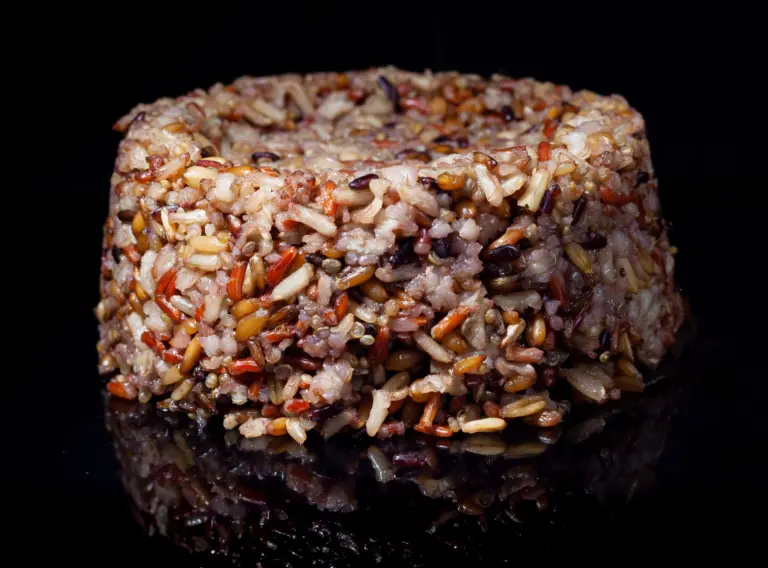
Brown Rice vs Millet for Diabetics
Introduction – Why the Brown Rice vs Millet Debate Matters for Indian Diabetics India has the world’s largest diabetic population – an estimated […]
Gobindobhog Rice: Is It Diabetic Friendly?
## Why This Guide Exists Diabetes is a growing concern in India – the International Diabetes Federation estimates **over 77 million Indians** live […]
Rice Alternatives for Diabetics
Why This Guide Exists – The Diabetes‑Rice Dilemma Rice is a staple on Indian plates, but its high glycaemic index (GI) and […]
For a faster, smoother experience, install our app
- ⚡Opens in one tap — quicker than the browser
- 📦Track orders and reorder favourites easily
- 🎁Be first to see daily deals and festive offers
Installs straight from our website in seconds.
- Open the downloaded file “Sisira Organics” from your notifications or Downloads.
- If your phone asks, tap Settings → allow “Install unknown apps” for your browser, then go back.
- Tap Install, then Open. Done!
- Tap the Share button ⬆ at the bottom of Safari.
- Choose “Add to Home Screen”, then Add.