

Brown Rice vs Millet for Diabetics
In this article
Introduction – Why the Brown Rice vs Millet Debate Matters for Indian Diabetics
India has the world’s largest diabetic population – an estimated 77 million adults are living with type 2 diabetes, and the number is rising fast. For many families, the daily staple – whether it’s rice, roti or millets – isn’t just a matter of taste, it’s a matter of health.
Brown rice and millets (such as finger millet, pearl millet, foxtail millet, and little millet) both claim the title of “diabetes‑friendly grain”. But which one truly keeps blood‑sugar spikes at bay, supports weight management, and fits into Indian culinary traditions?
In this article we break down the science, the nutrition, the cost, and the cultural relevance of each grain, so you can decide the right staple for your plate and your glycaemic goals.
- Best overall for blood‑sugar control: Millet (lower GI, higher fibre).
- Best for a familiar Indian “rice” experience: Brown rice (milder flavour, easy to prepare).
- Best for athletes & high‑energy days: Millet (more protein & minerals).
- Best budget-friendly staple in most Indian markets: Brown rice (widely available, competitive pricing).
- Millets have a lower glycaemic index (GI ≈ 50‑55) compared with brown rice (GI ≈ 68‑73).
- Both are gluten‑free, but millets pack more dietary fibre (≈ 7‑10 g/100 g) than brown rice (≈ 3‑4 g/100 g).
- Millets are richer in calcium, iron, and magnesium – nutrients often deficient in Indian diets.
- Brown rice is easier to find in urban supermarkets, while millets thrive in regional markets (Rajasthan, Karnataka, Gujarat, Odisha).
- From an Ayurvedic perspective, millets are “Satva‑balancing” (cooling, grounding) while brown rice is “Madhura‑Rasa” (sweet, nourishing).
Detailed Comparison Table
| Attribute | Brown Rice (Unpolished) | Millet (Average of Finger, Pearl & Little) |
|---|---|---|
| Energy (kcal) | 111 kcal / 100 g (cooked) | 115 kcal / 100 g (cooked) |
| Carbohydrate | 23 g | 24 g |
| Dietary Fibre | 3.5 g | 8 g |
| Protein | 2.6 g | 3.5 g |
| Fat | 0.9 g | 1.2 g |
| Glycaemic Index (GI) | 68‑73 (medium‑high) | 50‑55 (low‑moderate) |
| Key Micronutrients | Mg ≈ 39 mg, Phosphorus ≈ 83 mg | Ca ≈ 30 mg, Fe ≈ 2.5 mg, Mg ≈ 70 mg, Zn ≈ 2 mg |
| Typical Taste & Texture | Nutty, slightly chewy, grain‑like | Earthy, slightly sweet, fluffy or slightly crunchy depending on variety |
| Cost (per kg, Indian market 2024) | ₹80‑₹110 | ₹70‑₹130 (varies by millet type) |
| Availability | Nation‑wide in supermarkets & online | Regional (Rajasthan, Gujarat, Karnataka, Odisha) and online specialty stores |
| Best For | Quick meals, biryanis, pulao, diabetic-friendly swaps where rice texture is essential | High‑fibre diets, weight‑loss, athletes, Ayurvedic cooling diet, traditional “ragi” roti, “bajra” khichdi |
Brown Rice – The Nutty Whole Grain
What is Brown Rice?
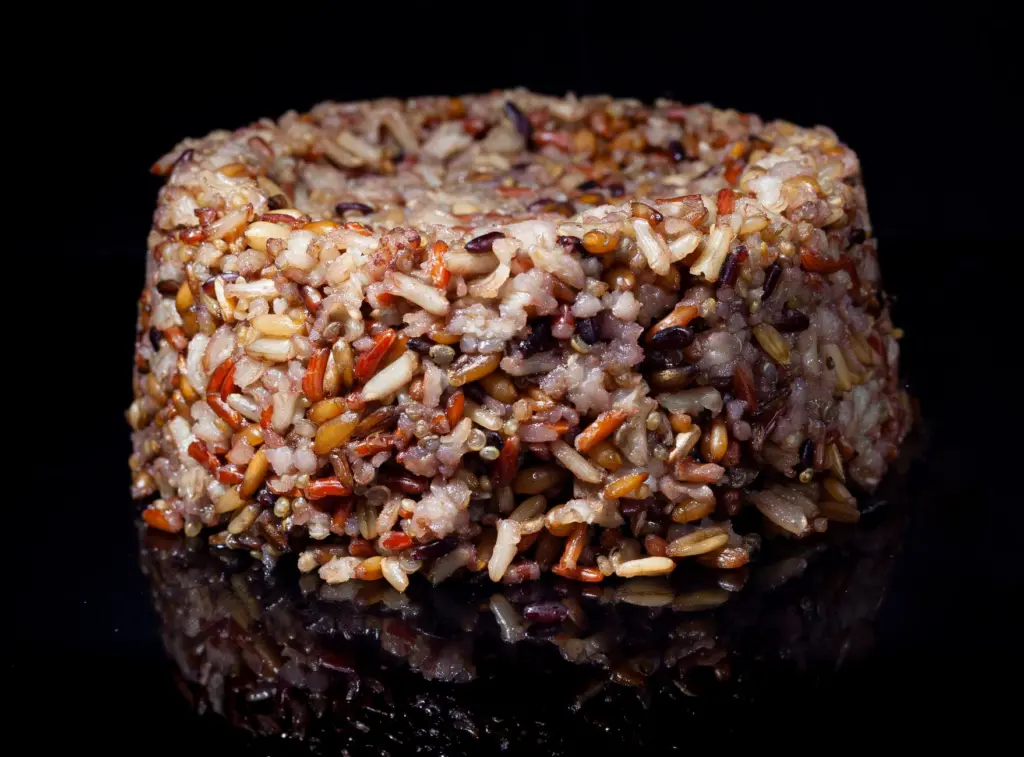
Brown rice is the whole‑grain version of the common white rice, retaining the bran and germ layers that are stripped away during polishing. In India, it is grown extensively in Odisha, West Bengal, and the northeastern states.
Nutritional Highlights for Diabetics
- Medium‑high GI: The intact bran slows digestion but not enough to keep GI low. Pairing with protein or fibre (dal, vegetables) can blunt the spike.
- Fiber content: 3‑4 g per 100 g cooked – modest, but still higher than white rice.
- Magnesium & Selenium: Supports insulin sensitivity and antioxidant defence.
Traditional Indian Uses
– **Brown rice pulao** with mixed vegetables – a modern twist on the classic biryani.
– **Kheer** (sweet rice pudding) using jaggery or palm sugar for a lower‑glycaemic dessert.
– **Idli/Dosa batter:** Soaking brown rice with urad dal creates a probiotic‑rich breakfast that’s gentler on blood sugar when fermented.
Ayurvedic Perspective
Brown rice is considered “Madhura‑Rasa” (sweet taste) and “Guru” (heavy) – nourishing but can increase “Kapha” if over‑consumed. It is best paired with “Tikta” (bitter) and “Katu” (pungent) foods like leafy greens, ginger, and mustard seeds to balance doshas.
Practical Tips for Diabetic Cooking
1. **Rinse & soak** for 30 minutes to reduce phytic acid and improve digestibility.
2. **Cook with a 1:2.5 water ratio** for fluffy grains.
3. **Add a dash of cinnamon or fenugreek seeds** during cooking to lower post‑prandial glucose.
4. **Portion control:** ½ cup cooked (≈ 75 g) provides ~ 80 kcal and 15 g carbs – a safe serving size for most diabetic meal plans.
Millet – The Ancient Indian Superfood
What are Millets?
Millets are a group of small‑seeded grasses cultivated across the Indian subcontinent for millennia. The most popular varieties for Indian kitchens are:
– **Ragi (Finger millet)** – rich in calcium.
– **Bajra (Pearl millet)** – high in iron and magnesium.
– **Kodra (Foxtail millet)** – light texture, quick cooking.
– **Kutki (Little millet)** – low GI, suitable for breakfast porridge.
Nutritional Highlights for Diabetics
- Low GI (50‑55): The high fibre and resistant starch content slow glucose absorption.
- High dietary fibre: 7‑10 g per 100 g cooked, helping satiety and gut health.
- Rich in minerals: Calcium (up to 350 mg/100 g in ragi), iron, magnesium – crucial for bone health and insulin action.
Traditional Indian Uses
– **Ragi mudde** (steamed balls) in Karnataka – paired with sambar or spicy chutney.
– **Bajra roti** in Rajasthan – a staple during winter for its warming effect.
– **Kodo/kodra upma** – a light breakfast in South India.
– **Millet dosa** – fermented batter made from a mix of millets for a crisp, low‑GI snack.
Ayurvedic Perspective
Millets are “Satva‑balancing”, “Cooling” (especially ragi) and “Vata‑pacifying”. They are recommended for “Pitta‑dominant” individuals and for those with “Madhumeha” (diabetes) due to their stabilising effect on blood sugar.
Practical Tips for Diabetic Cooking
1. **Soak millets for 2‑4 hours** (or overnight) to reduce anti‑nutrients and improve texture.
2. **Roast lightly** before cooking for a nutty flavour and lower GI.
3. **Combine with legumes** (e.g., millet‑dal khichdi) for a complete amino‑acid profile.
4. **Portion control:** ½ cup cooked millet (≈ 80 g) delivers ~ 90 kcal and 15‑18 g carbs, with a slower glucose rise.
Who Should Choose Which Grain?
Diabetics – Primary Concern: Glycaemic Control
– **Millet** is the safer bet due to its lower GI and higher fibre.
– **Brown rice** can still fit if paired with high‑protein foods and limited to small portions.
Weight‑Loss Seekers
– **Millet** wins again – the higher fibre promotes satiety, leading to lower overall calorie intake.
– **Brown rice** is acceptable if the diet is overall calorie‑controlled.
Athletes & Active Individuals
– **Millet** provides more protein (3.5 g vs 2.6 g per 100 g) and superior mineral profile for endurance.
– **Brown rice** offers quick‑digesting carbs for post‑workout glycogen replenishment; combine with whey or paneer for a balanced recovery meal.
Elderly & Bone‑Health Focus
– **Ragi (finger millet)** shines with calcium (~ 350 mg/100 g) – excellent for osteoporosis prevention.
– **Brown rice** supplies magnesium but lacks calcium; supplement with dairy or leafy greens.
Regional & Cultural Preference
– In **South India**, ragi and millet‑based dishes are already part of daily cuisine; sticking with millets feels natural.
– In **East & North-East**, brown rice is a staple; a gradual switch to millets can be done via mixed‑grain pulao.
Frequently Asked Questions (FAQ)
Final Verdict – Which Grain Should You Reach For?
If your primary goal is **stable blood‑sugar levels, higher fibre intake, and added minerals**, **millet** (especially ragi or bajra) is the clear winner. Its low GI, calcium‑rich profile, and deep roots in Indian culinary heritage make it a sustainable, health‑boosting staple for diabetics, weight‑loss seekers, and the elderly.
If you crave the familiar **rice texture** for biryanis, idlis, or quick‑cook meals, **brown rice** remains a respectable choice—provided you control portions, pair it with protein/fibre, and perhaps blend it with millets for a balanced glycaemic response.
**Bottom line:**
– **Millet = “Everyday Diabetes‑Friendly Grain.”**
– **Brown rice = “