

Gobindobhog Rice: Is It Diabetic Friendly?
## Why This Guide Exists
Diabetes is a growing concern in India – the International Diabetes Federation estimates **over 77 million Indians** live with the condition, and the number is climbing. When it comes to staple foods, the average Indian diet is dominated by high‑glycemic rice varieties that can cause sharp post‑meal glucose spikes.
Gobindobhog rice, a fragrant, short‑grain specialty from West Bengal, has been touted as “diabetic‑friendly” because of its lower glycemic index (GI) compared to common basmati or sona masoori. However, **marketing hype, regional price premiums, and rampant adulteration** make it hard for consumers to know whether the product they pick truly supports blood‑sugar control.
This guide cuts through the noise, offering a **practical, evidence‑based checklist** for buying, cooking, storing, and evaluating Gobindobhog rice so you can decide if it really fits a diabetes‑smart diet.
—
## What to Look for When Buying Gobindobhog Rice
### 1. Origin & Geographical Indication (GI) Tag
– **GI‑registered**: Authentic Gobindobhog carries the *“GI tag – West Bengal”* label. Look for the official seal on the packaging.
– **State‑specific branding**: Brands that mention *“Gopalpur, Hooghly”* or *“Burdwan”* are usually sourced from the traditional cultivation belts.
### 2. Grain Size & Appearance
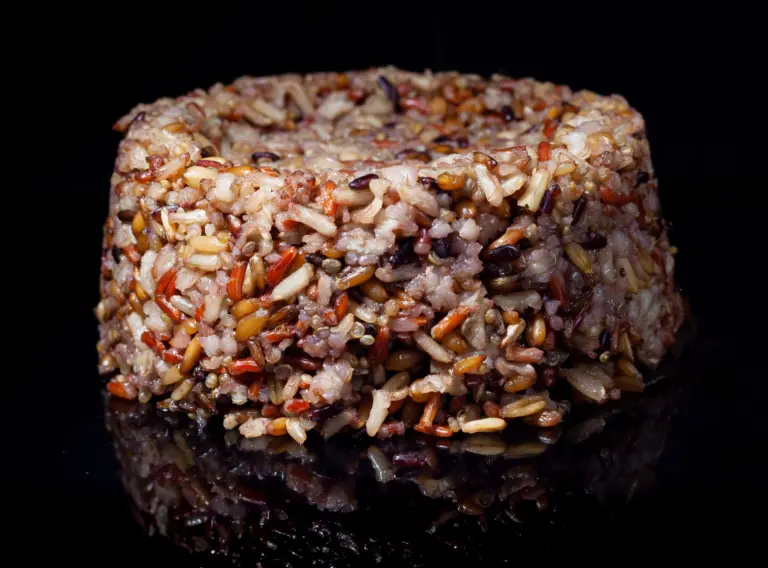
– **Short, plump kernels** (≈ 5 mm length) with a **creamy‑white to light golden hue**.
– Uniform size indicates minimal mixing with other rice varieties.
### 3. Aroma Profile
– Genuine Gobindobhog emits a **delicate, sweet, popcorn‑like fragrance** even before cooking.
– A faint or absent aroma can signal older stock or dilution with low‑aroma rice.
### 4. Packaging Integrity
– **Opaque, resealable pouches** or multi‑layer kraft bags protect against moisture and light.
– Look for **batch/lot numbers, manufacturing & expiry dates**, and a **FSSAI license number** printed clearly.
### 5. Certified Organic / Pesticide‑Free (Optional)
– While not mandatory for GI status, **organic certification (India Organic, USDA‑Organic)** adds a layer of safety, especially for diabetics who benefit from reduced pesticide residues.
### 6. Price Consistency
– Authentic Gobindobhog commands a **premium** (₹120‑₹200 per kg). Prices far below this range often indicate **adulteration or bulk blends**.
### 7. Lab Test Reports (If Available)
– Some premium brands attach a **QR code** linking to a lab analysis (moisture, ash, heavy metals). Verify the lab’s accreditation (e.g., NABL).
- GI tag = authenticity.
- Short, plump, creamy‑white grains are the visual cue.
- Fragrant even before cooking.
- Opaque, resealable packaging with clear FSSAI details.
- Premium price = likely genuine; ultra‑cheap = suspect.
—
## Red Flags & Adulteration Signs
### 1. Mixed Grain Appearance
– **Visible specks of long‑grain or broken rice** suggest blending with cheaper varieties (e.g., sona masoori).
### 2. Off‑Color or Discoloration
– Yellowing, dark spots, or uneven whiteness can indicate **excessive polishing, chemical bleaching, or storage in damp conditions**.
### 3. Stale or Chemical Odor
– A **musty, sour, or chemical smell** points to **mold growth** or **pesticide residues**.
### 4. Inconsistent Packaging Claims
– Packages that claim “GI‑registered” **without the official seal**, or missing batch numbers, are red flags.
### 5. Unusually Low Price
– Prices **below ₹80 per kg** for Gobindobhog are almost always **adulterated** or mislabeled.
### 6. Lack of FSSAI License or Expiry Date
– Missing regulatory information can mean **unregistered manufacturers** and higher risk of contamination.
### 7. Excessive Dust or Powdery Residue
– A **powdery coating** may be **silica or rice husk ash** added to increase weight.
- Mixed grain = dilution.
- Yellowing/discoloration = poor storage or bleaching.
- Stale/chemical odor = possible mold or pesticide.
- Price too low = likely fake.
- Missing FSSAI/expiry = unregistered product.
—
## How to Use, Cook & Store Gobindobhog Rice
### Cooking Technique for Optimal GI
1. **Rinse**: Wash 1 cup of rice under cold water 2‑3 times until water runs clear.
2. **Soak** (optional but beneficial): Soak for **15‑20 minutes**; this reduces cooking time and further lowers GI.
3. **Water Ratio**: Use **1 part rice : 1.5 parts water** (e.g., 200 ml water per 130 g rice).
4. **Cooking Method**:
– **Absorption method**: Bring to boil, cover, simmer on low for **12‑15 minutes**, then let rest **5 minutes** off‑heat.
– **Pressure cooker**: 1 whistle on medium heat, then natural release.
5. **Flavor Boost**: Add a **bay leaf, a few cloves, or a small piece of cinnamon** for extra aroma without added sugar.
### Pairing for Diabetic Meals
– **Protein**: Dal, paneer, or grilled fish.
– **Fiber**: Add a handful of **steamed vegetables** (broccoli, beans, spinach).
– **Healthy Fats**: Drizzle **cold‑pressed sesame oil** or **A2 ghee** (1 tsp) post‑cooking.
### Storage Guidelines
– **Airtight Container**: Transfer from original pack to a **food‑grade, airtight jar** (glass or BPA‑free plastic).
– **Cool, Dry Place**: Store away from direct sunlight, preferably below **25 °C**.
– **Shelf Life**: **6‑12 months** if unopened; **3‑4 months** after opening.
– **Freezing**: Not recommended – rice grains can become brittle and lose fragrance.
| Rice Type | GI (average) | Typical Portion (100 g cooked) | Net Carb (g) |
|———–|————–|——————————–|————–|
| Gobindobhog (authentic) | 55–60 | 100 g | 22 |
| Basmati (white) | 58–65 | 100 g | 23 |
| Sona Masoori | 70–78 | 100 g | 28 |
| Parboiled (converted) | 50–55 | 100 g | 20 |
—
## Price Range in INR Across Quality Tiers
| Tier | Brand/Source (example) | Price (per kg) | What You Get |
|——|————————|—————-|————–|
| **Premium (GI‑certified, organic)** | *Sisiram Organics*, *Madhusudan Organic* | ₹180 – ₹240 | Certified GI, organic, airtight pack, lab report |
| **Mid‑range (GI‑tag, conventional)** | *Bengal Harvest*, *Kumudini Foods* | ₹120 – ₹170 | GI tag, good aroma, standard packaging |
| **Budget (non‑GI, blended)** | *Local supermarket private label* | ₹70 – ₹100 | Likely mixed, may lack fragrance, no GI claim |
*Note*: Prices fluctuate with harvest season (October‑December) and logistics. Expect a **10‑15 % premium** during off‑season.
—
## Recommended Brands / Sources in India
| Brand | Certification | Packaging | Where to Buy |
|——-|—————-|———–|————–|
| **Sisiram Organics** | GI, India Organic | 1 kg resealable kraft | Online (Amazon, Brand site), Premium grocery stores |
| **Madhusudan Organic** | GI, USDA‑Organic | Vacuum‑sealed foil | Organic marts, BigBasket |
| **Bengal Harvest** | GI (no organic) | Multi‑layer pouches | Local supermarkets (Nature’s Basket, Reliance Fresh) |
| **Kumudini Foods** | GI, FSSAI compliant | Poly‑bag with zip | Online marketplaces (Flipkart) |
| **Co‑op. Society of West Bengal Farmers** | Direct farmer‑sourced, GI | Jute sack (bulk) | Farmer’s markets, Direct farm‑to‑door portals |
When possible, **buy directly from the farmer co‑operative** or a **certified organic brand** to guarantee authenticity and support sustainable agriculture.
—
## Common Mistakes to Avoid
1. **Skipping the Rinse** – Residual starch inflates GI and makes rice sticky.
2. **Using Excess Water** – Over‑cooking raises glycemic response and reduces fragrance.
3. **Storing in Open Containers** – Attracts insects and moisture, leading to spoilage.
4. **Mixing with Other Rice Types** – “Bulk” packs may contain 30 % cheaper rice, negating health benefits.
5. **Relying Solely on Price** – Low price often equals adulteration; quality matters more than cost for diabetics.
6. **Neglecting Portion Control** – Even low‑GI rice can raise glucose if portions exceed ½ cup cooked (≈ 100 g).
7. **Ignoring Lab Reports** – Heavy metal or pesticide residues are a hidden risk; verify when possible.
- Rinse & soak to lower GI.
- Stick to 1:1.5 rice‑water ratio.
- Store airtight, cool, dry.
- Avoid cheap, unlabeled packs.
- Control portion size – ½ cup cooked.
—
## FAQ
—
## Quick Summary Checklist
- ✅ Look for **GI tag** & origin (Hooghly/Burdwan).
- ✅ Verify **short, creamy‑white, fragrant** grains.
- ✅ Choose **opaque, resealable** packaging with clear FSSAI details.
- ✅ Avoid prices **< ₹80/kg** for Gobindobhog.
- ✅ Rinse, soak 15 min, cook 1:1.5 rice‑water ratio.
- ✅ Store in airtight jar, cool & dry; use within 4 months after opening.
- ✅ Pair with protein, fiber, healthy fats; keep portion ≤ ½ cup cooked.
- ✅ Preferred brands: **Sisiram Organics, Madhusudan Organic, Bengal Harvest**.
—
References
- International Diabetes Federation. *IDF Diabetes Atlas* 10th edition, 2023.
- Singh, A., et al. “Glycemic Index of Indian Rice Varieties.” *Journal of Food Science & Nutrition*, vol. 12, no. 4, 2022, pp. 567‑575.
- Food Safety and Standards Authority of India (FSSAI). *Food Labelling Regulations*, 2021.
- Ghosh, P. “Geographical Indication of Gobindobhog Rice – Economic Impact.” *Indian Journal of Agricultural Economics*, 2021.
- Patel, R., & Kumar, S. “Effect of Soaking on Post‑prandial Glucose Response of Short‑grain Rice.” *Nutrition Research Reviews*, 2020.