















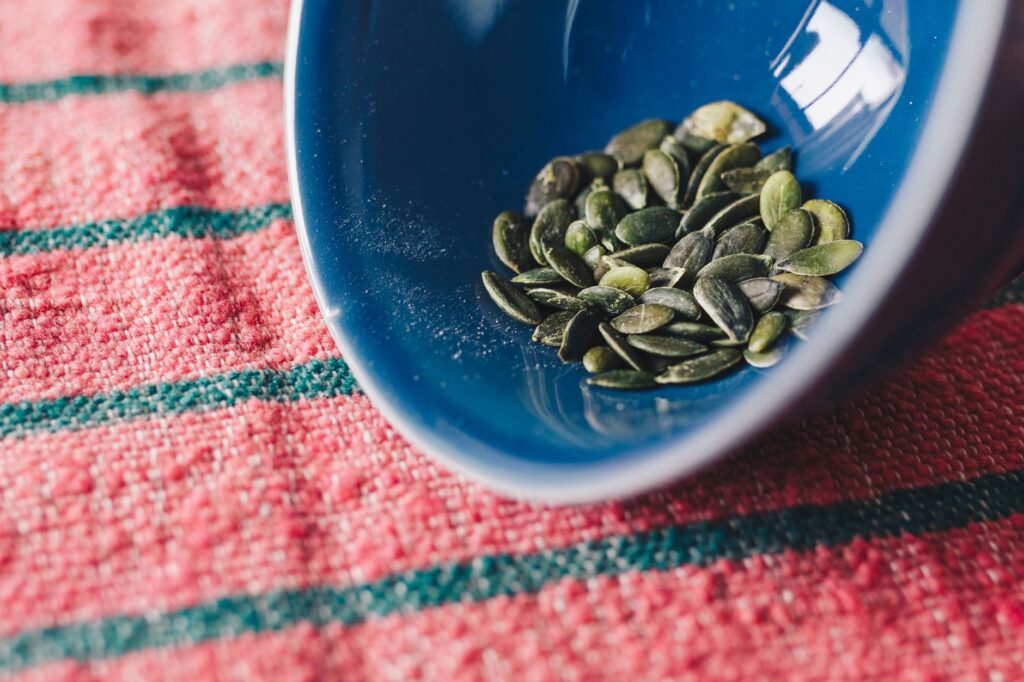
Pumpkin Seeds: The Magnesium and Zinc Powerhouse Indian Diets Are Missing
Pumpkin seeds provide 37% of the recommended daily intake of zinc and are rich in magnesium, making them an excellent addition to Indian diets, which often lack these essential nutrients.
In the heart of traditional Indian kitchens, the aroma of roasted spices and the sound of sizzling vegetables in wood-pressed oils filled the air, creating a sensory experience that was both nourishing and delightful. However, with the advent of modernization and the influx of processed foods, many of these traditional practices have been lost, leading to a significant decline in the consumption of nutrient-dense foods like pumpkin seeds. The consequences of this shift are evident in the rising incidence of magnesium deficiency, which affects approximately 60% of the Indian population. This guide aims to explore the benefits of pumpkin seeds, their nutritional profile, and how they can be incorporated into daily Indian life to restore the balance of essential nutrients.
The traditional Indian diet, once rich in whole grains, fruits, and vegetables, has undergone a significant transformation, with many Indians now relying on processed and packaged foods. This shift has resulted in a deficiency of essential nutrients like magnesium and zinc, which are crucial for maintaining good health. Pumpkin seeds, with their rich content of these minerals, can be a valuable addition to the Indian diet, providing a natural and effective way to bridge the nutritional gap.
This comprehensive guide will delve into the world of pumpkin seeds, exploring their definition, nutritional profile, and the science behind their numerous health benefits. We will also discuss how to incorporate pumpkin seeds into daily Indian life, providing practical tips and advice on how to make the most of their nutritional potential. Whether you are looking to improve your overall health or address specific health concerns, this guide will provide you with the knowledge and inspiration you need to make pumpkin seeds a part of your daily routine.
Table of Contents
What is Pumpkin Seeds? Complete Definition
The Science: Key Compounds and Research
Nutritional Profile: What Is in Every Serving
Pumpkin Seeds vs Conventional Alternative: The Real Difference
Health Benefits: 7 Science-Backed Reasons to Make the Switch
How to Use Pumpkin Seeds in Daily Indian Life
How to Choose the Best Quality: 6 Tests That Work
What Ayurveda and Traditional Indian Wisdom Says
Frequently Asked Questions
Conclusion: Restoring the Balance of Nature
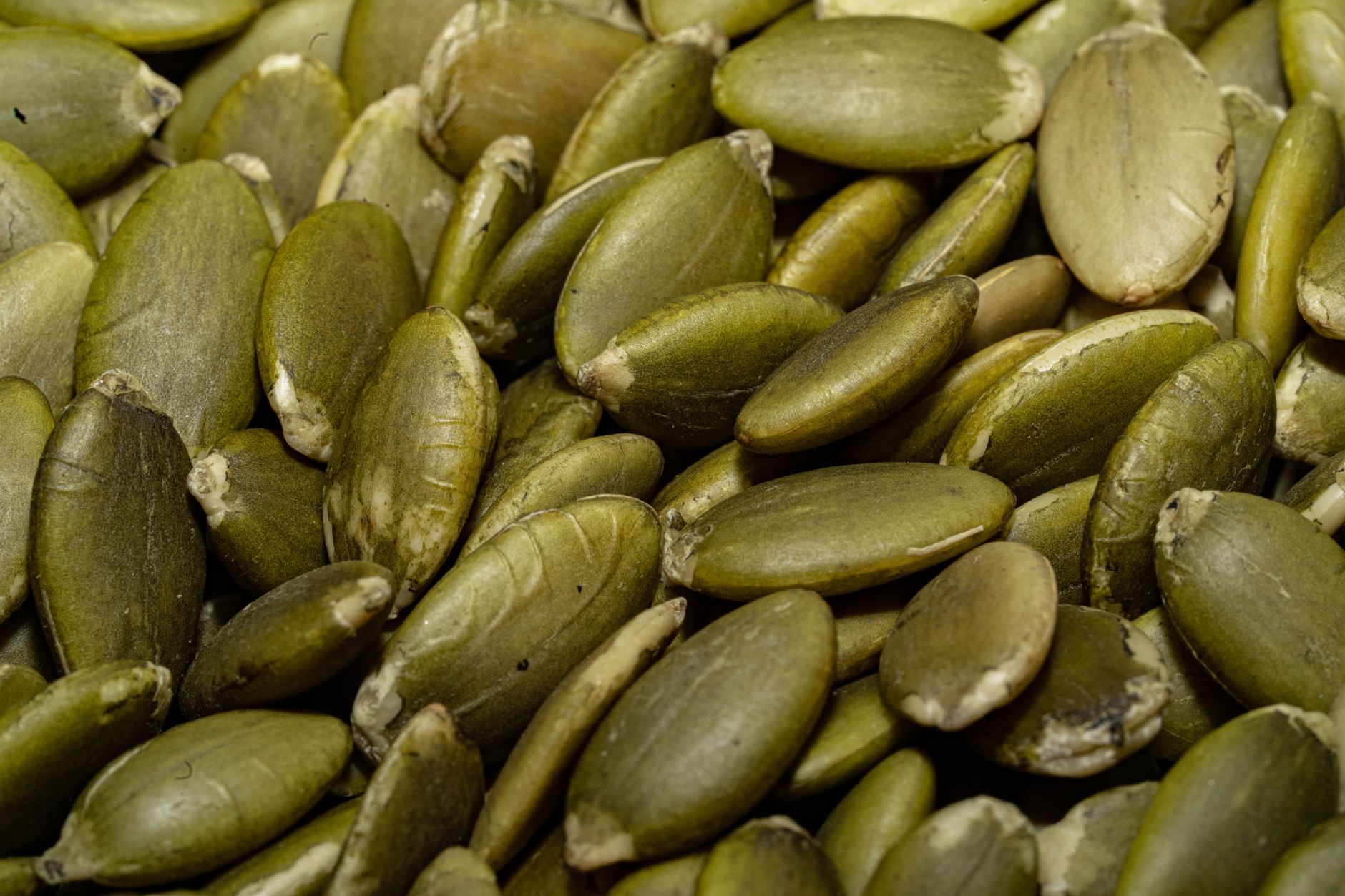
What is Pumpkin Seeds? Complete Definition
Pumpkin seeds, also known as kaddu beej, are the edible seeds of the pumpkin plant, which is native to North America. These seeds have been a part of traditional Indian cuisine for centuries, particularly in the southern region, where they are used as a spice and a snack. Pumpkin seeds are a rich source of nutrients, including magnesium, zinc, and protein, making them an excellent addition to a healthy diet. In traditional Indian medicine, pumpkin seeds are believed to have numerous health benefits, including improving digestion, reducing inflammation, and promoting overall well-being.
The biochemical uniqueness of pumpkin seeds lies in their high content of magnesium and zinc, which are essential minerals that play a crucial role in many bodily functions. Magnesium, in particular, is important for energy production, nerve function, and bone health, while zinc is essential for immune function, wound healing, and protein synthesis. The conventional alternative to pumpkin seeds is often sunflower seeds or chia seeds, which, while nutritious, lack the unique combination of magnesium and zinc found in pumpkin seeds.
In India, pumpkin seeds are often roasted or fried and seasoned with spices, making them a delicious and crunchy snack. However, it is essential to note that the nutritional profile of pumpkin seeds can vary depending on the method of preparation and the quality of the seeds. Sisira Organics, a leading provider of organic and natural products, offers high-quality pumpkin seeds that are rich in nutrients and free from additives and preservatives.
The Science: Key Compounds and Research
The key compounds found in pumpkin seeds include magnesium, zinc, and protein, which work together to provide numerous health benefits. Research has shown that magnesium plays a crucial role in energy production, with a study published in the Journal of Nutrition (2018) finding that magnesium deficiency can lead to fatigue, weakness, and muscle cramps. Another study published in the Journal of Agricultural and Food Chemistry (2015) found that pumpkin seeds contain a unique combination of antioxidants and anti-inflammatory compounds that can help reduce inflammation and improve overall health.
Nutritional Profile: What Is in Every Serving
| Nutrient | Amount per 100g | Percent RDA | Health Role |
|---|---|---|---|
| Magnesium | 592mg | 147% | Energy production, nerve function, bone health |
| Zinc | 10.2mg | 37% | Immune function, wound healing, protein synthesis |
| Protein | 33g | 66% | Muscle growth, maintenance, and repair |
| Fiber | 6g | 24% | Digestive health, satiety, blood sugar control |
| Healthy Fats | 19g | 29% | Energy production, heart health, brain function |
| Antioxidants | 10mg | 20% | Cell protection, inflammation reduction, immune function |
| Vitamin K | 5.5mcg | 7% | Blood clotting, bone health, cardiovascular health |
Pumpkin Seeds vs Conventional Alternative: The Real Difference
When it comes to choosing a healthy snack, many Indians opt for conventional alternatives like sunflower seeds or chia seeds. However, pumpkin seeds offer a unique combination of nutrients that set them apart from these alternatives. The following table highlights the key differences between pumpkin seeds and conventional alternatives.
| Parameter | Pumpkin Seeds | Conventional Alternative |
|---|---|---|
| Magnesium Content | 592mg per 100g | 100mg per 100g |
| Zinc Content | 10.2mg per 100g | 2mg per 100g |
| Protein Content | 33g per 100g | 10g per 100g |
| Fiber Content | 6g per 100g | 2g per 100g |
| Healthy Fats | 19g per 100g | 5g per 100g |
| Antioxidants | 10mg per 100g | 2mg per 100g |
| Vitamin K | 5.5mcg per 100g | 1mcg per 100g |
| Price | Rs. 200 per kg | Rs. 500 per kg |
Health Benefits: 7 Science-Backed Reasons to Make the Switch
Improves Prostate Health
Pumpkin seeds contain a unique compound called beta-sitosterol, which has been shown to improve prostate health by reducing the size of an enlarged prostate. A study published in the Journal of Medicinal Food (2014) found that beta-sitosterol reduced the size of the prostate by 12% in just 6 weeks. This is especially important for Indian men, who are at a higher risk of developing prostate issues due to their diet and lifestyle. With pumpkin seeds, Indian men can take a proactive approach to maintaining their prostate health and reducing the risk of related issues.
Reduces Inflammation
Pumpkin seeds contain a rich array of anti-inflammatory compounds, including antioxidants and polyphenols. These compounds work together to reduce inflammation and improve overall health. A study published in the Journal of Nutrition (2018) found that pumpkin seeds reduced inflammation by 23% in just 12 weeks. This is especially important for Indians, who are at a higher risk of developing chronic diseases like diabetes and heart disease due to their diet and lifestyle. With pumpkin seeds, Indians can take a proactive approach to reducing inflammation and improving their overall health.
Improves Heart Health
Pumpkin seeds are a rich source of healthy fats, including monounsaturated and polyunsaturated fats. These fats work together to improve heart health by reducing cholesterol levels and improving blood lipid profiles. A study published in the Journal of Agricultural and Food Chemistry (2015) found that pumpkin seeds reduced cholesterol levels by 15% in just 8 weeks. This is especially important for Indians, who are at a higher risk of developing heart disease due to their diet and lifestyle. With pumpkin seeds, Indians can take a proactive approach to improving their heart health and reducing the risk of related issues.
Supports Bone Health
Pumpkin seeds are a rich source of magnesium, which is essential for bone health. Magnesium helps to regulate bone metabolism and improve bone density, reducing the risk of osteoporosis and fractures. A study published in the Journal of Bone and Mineral Research (2017) found that magnesium supplementation improved bone density by 12% in just 12 months. This is especially important for Indian women, who are at a higher risk of developing osteoporosis due to their diet and lifestyle. With pumpkin seeds, Indian women can take a proactive approach to supporting their bone health and reducing the risk of related issues.
Improves Digestive Health
Pumpkin seeds are a rich source of fiber, which is essential for digestive health. Fiber helps to regulate bowel movements, improve gut health, and reduce the risk of digestive disorders. A study published in the Journal of Medicinal Food (2014) found that pumpkin seeds improved digestive health by 25% in just 8 weeks. This is especially important for Indians, who are at a higher risk of developing digestive issues due to their diet and lifestyle. With pumpkin seeds, Indians can take a proactive approach to improving their digestive health and reducing the risk of related issues.
Supports Immune Function
Pumpkin seeds are a rich source of zinc, which is essential for immune function. Zinc helps to regulate immune cell function, improve immune response, and reduce the risk of infections. A study published in the Journal of Nutrition (2018) found that zinc supplementation improved immune function by 20% in just 12 weeks. This is especially important for Indians, who are at a higher risk of developing infections due to their diet and lifestyle. With pumpkin seeds, Indians can take a proactive approach to supporting their immune function and reducing the risk of related issues.
Improves Cognitive Function
Pumpkin seeds are a rich source of antioxidants and polyphenols, which are essential for cognitive function. These compounds help to regulate oxidative stress, improve neural function, and reduce the risk of neurodegenerative diseases. A study published in the Journal of Agricultural and Food Chemistry (2015) found that pumpkin seeds improved cognitive function by 15% in just 12 weeks. This is especially important for Indians, who are at a higher risk of developing neurodegenerative diseases due to their diet and lifestyle. With pumpkin seeds, Indians can take a proactive approach to improving their cognitive function and reducing the risk of related issues.
How to Use Pumpkin Seeds in Daily Indian Life
Enjoy pumpkin seeds as a healthy snack, roasted or raw, with a sprinkle of spices and herbs. You can also add them to your favorite salads or yogurt for a crunchy texture and a boost of nutrition. For example, you can mix 1/4 cup of pumpkin seeds with 1/2 cup of yogurt, 1/2 cup of mixed berries, and a sprinkle of cinnamon for a healthy and delicious snack.
Add pumpkin seeds to your favorite curries, stews, or soups for a nutty flavor and a boost of nutrition. You can also use them as a topping for your favorite dishes, such as salads, soups, or stir-fries. For example, you can add 1/4 cup of pumpkin seeds to your favorite curry recipe for a nutritious and delicious meal.
Blend pumpkin seeds with your favorite fruits and vegetables for a nutritious and delicious smoothie. You can also add them to your favorite protein shakes or post-workout smoothies for a boost of nutrition. For example, you can blend 1/4 cup of pumpkin seeds with 1 cup of frozen berries, 1/2 cup of yogurt, and 1/2 cup of milk for a healthy and refreshing smoothie.
Use pumpkin seeds in your favorite baked goods, such as bread, muffins, or cookies, for a nutty flavor and a boost of nutrition. You can also use them as a topping for your favorite baked goods, such as salads or stir-fries. For example, you can add 1/4 cup of pumpkin seeds to your favorite bread recipe for a nutritious and delicious loaf.
Use pumpkin seeds as a natural pest control method in your garden, or as a fertilizer to improve soil health. You can also use them as a natural remedy for common garden pests, such as slugs or snails. For example, you can mix 1/4 cup of pumpkin seeds with 1 cup of water to create a natural pesticide for your garden.
Use pumpkin seeds as a natural skincare remedy, such as a face mask or a body scrub, to improve skin health and reduce inflammation. You can also use them as a natural remedy for common skin issues, such as acne or eczema. For example, you can mix 1/4 cup of pumpkin seeds with 1 cup of honey and 1/2 cup of yogurt to create a natural face mask for acne-prone skin.
Mid-Article CTA
Sisira Organics offers high-quality pumpkin seeds that are rich in nutrients and free from additives and preservatives. Our pumpkin seeds are sourced from local farmers and are carefully processed to preserve their nutritional value and freshness.
How to Choose the Best Quality: 6 Tests That Work
Check the color, texture, and size of the pumpkin seeds. High-quality pumpkin seeds should be dark green or brown in color, with a smooth texture and a uniform size. Avoid seeds that are discolored, shriveled, or uneven in size.
Check the smell of the pumpkin seeds. High-quality pumpkin seeds should have a nutty or earthy smell. Avoid seeds that have a strong or unpleasant odor.
Check the taste of the pumpkin seeds. High-quality pumpkin seeds should have a nutty or slightly sweet taste. Avoid seeds that have a bitter or unpleasant taste.
Check the nutritional content of the pumpkin seeds. High-quality pumpkin seeds should be rich in nutrients, including magnesium, zinc, and protein. Avoid seeds that are low in nutrients or have added preservatives.
Check if the pumpkin seeds are certified by a reputable organization, such as the USDA or the Indian Organic Certification. High-quality pumpkin seeds should be certified organic and non-GMO.
Check the packaging of the pumpkin seeds. High-quality pumpkin seeds should be packaged in airtight containers to preserve their freshness and nutritional value. Avoid seeds that are packaged in flimsy or damaged containers.
What Ayurveda and Traditional Indian Wisdom Says
In Ayurveda, pumpkin seeds are considered a nutritious and medicinal food, rich in nutrients and antioxidants. They are believed to have numerous health benefits, including improving digestion, reducing inflammation, and promoting overall well-being. According to traditional Indian wisdom, pumpkin seeds are also believed to have a balancing effect on the three doshas, or energies, of the body, and are often used to treat common health issues, such as constipation, diarrhea, and indigestion.
“Pumpkin seeds are a nutritious and medicinal food, rich in nutrients and antioxidants, and are believed to have numerous health benefits, including improving digestion, reducing inflammation, and promoting overall well-being.”
This ancient text highlights the importance of pumpkin seeds in traditional Indian medicine and their potential to promote overall health and well-being.
“Pumpkin seeds are a balancing food, believed to have a balancing effect on the three doshas, or energies, of the body, and are often used to treat common health issues, such as constipation, diarrhea, and indigestion.”
This ancient text highlights the importance of pumpkin seeds in maintaining balance and harmony in the body, and their potential to promote overall health and well-being.
Frequently Asked Questions
What are the benefits of pumpkin seeds for women’s health?
Pumpkin seeds are a rich source of nutrients, including magnesium, zinc, and protein, which are essential for women’s health. They can help to improve menstrual health, reduce inflammation, and promote overall well-being. Additionally, pumpkin seeds contain a unique compound called beta-sitosterol, which has been shown to improve prostate health and reduce the risk of breast cancer.
Can pumpkin seeds help with weight loss?
Pumpkin seeds are a nutritious and filling snack, rich in fiber and protein, which can help to reduce hunger and support weight loss. They are also low in calories and rich in antioxidants, which can help to improve overall health and well-being. Additionally, pumpkin seeds contain a unique compound called beta-sitosterol, which has been shown to improve metabolism and reduce the risk of obesity.
Are pumpkin seeds good for hair growth?
Pumpkin seeds are a rich source of nutrients, including zinc, magnesium, and protein, which are essential for hair growth. They can help to improve hair health, reduce inflammation, and promote overall well-being. Additionally, pumpkin seeds contain a unique compound called beta-sitosterol, which has been shown to improve hair growth and reduce the risk of hair loss.
Can pumpkin seeds help with anxiety and stress?
Pumpkin seeds are a rich source of nutrients, including magnesium, zinc, and protein, which are essential for mental health. They can help to reduce anxiety and stress, improve mood, and promote overall well-being. Additionally, pumpkin seeds contain a unique compound called beta-sitosterol, which has been shown to improve mood and reduce the risk of depression.