















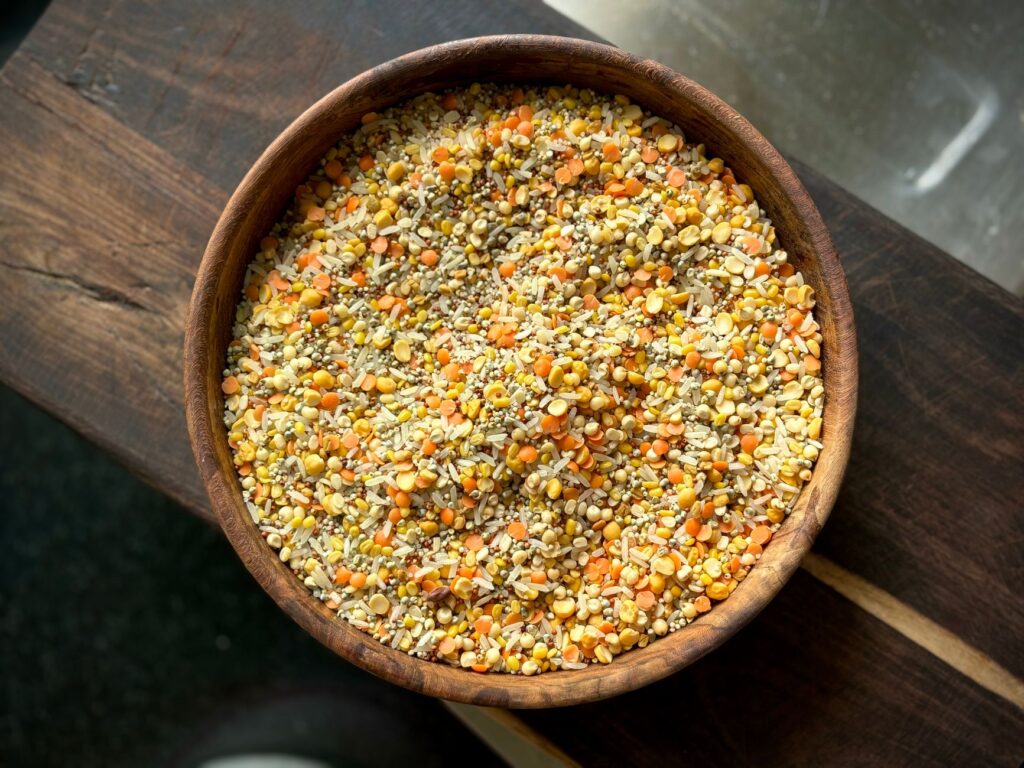
Ancient Indian Grains: Nutritional Wealth Our Grandmothers Always Knew
Ancient Indian grains like millets are rich in nutrients, with a 100g serving providing 10.5g of protein, 12.5g of fiber, and 15% of the daily recommended intake of iron.
In a traditional Indian kitchen, the aroma of freshly cooked millets wafts through the air, transporting us back to a time when food was wholesome and nutritious. Our grandmothers would meticulously prepare these ancient grains, carefully selecting the finest varieties and cooking them to perfection. The result was a meal that was not only delicious but also packed with nutrients.
However, with the advent of modern agriculture and the Green Revolution, India shifted its focus towards more “efficient” and “productive” crops like wheat and rice. This led to a decline in the cultivation and consumption of ancient Indian grains, resulting in a loss of nutritional wealth. Today, many Indians are turning back to these traditional grains, recognizing the importance of ancient Indian grains nutrition in their daily lives.
This guide will delve into the world of ancient Indian grains, exploring their cultural history, nutritional profile, and the science behind their numerous health benefits. We will also discuss how to incorporate these grains into our daily lives, providing practical tips and advice for Indian households.
Table of Contents:
- What is Ancient Indian Grains? Complete Definition
- The Science: Key Compounds and Research
- Nutritional Profile: What Is in Every Serving
- Ancient Indian Grains vs Conventional Alternative: The Real Difference
- Health Benefits: 7 Science-Backed Reasons to Make the Switch
- How to Use Ancient Indian Grains Nutrition in Daily Indian Life
- How to Choose the Best Quality: 6 Tests That Work
- What Ayurveda and Traditional Indian Wisdom Says
- Frequently Asked Questions
- Conclusion: Unlocking the Potential of Ancient Indian Grains
What is Ancient Indian Grains? Complete Definition
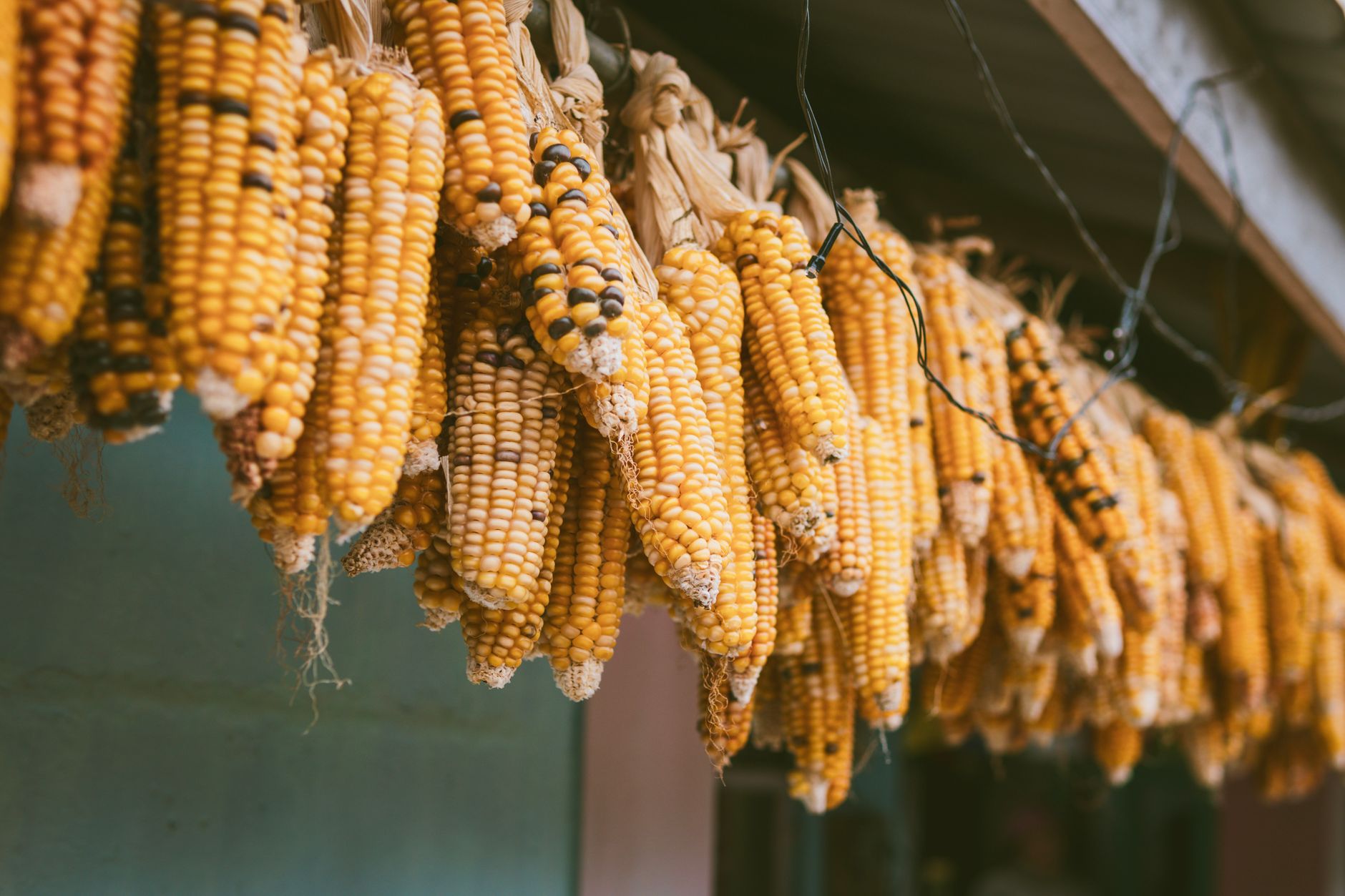
Ancient Indian grains refer to a variety of traditional grains that have been cultivated and consumed in India for thousands of years. These grains include millets like ragi, jowar, and bajra, as well as other grains like amaranth and quinoa. They are characterized by their high nutritional value, robust flavor, and ability to thrive in challenging environmental conditions.
In traditional Indian contexts, these grains were often consumed as whole grains, with the bran, germ, and endosperm intact. This ensured that the grain retained its nutritional value, including fiber, vitamins, and minerals. Ancient Indian grains were also often used in Ayurvedic medicine, where they were valued for their therapeutic properties.
From a biochemical perspective, ancient Indian grains are unique in their composition. They contain a range of phytochemicals, including polyphenols, flavonoids, and carotenoids, which have been shown to have antioxidant and anti-inflammatory properties. For example, the polyphenol content of millets has been shown to be higher than that of wheat and rice, making them a valuable addition to a healthy diet.
The Science: Key Compounds and Research
Research has identified several key compounds in ancient Indian grains that contribute to their nutritional value. For example, the fiber content of millets has been shown to be higher than that of wheat and rice, with a 100g serving providing 12.5g of fiber. This fiber content has been shown to have a range of health benefits, including reducing cholesterol levels and regulating blood sugar levels.
Another key compound found in ancient Indian grains is the mineral iron. Iron deficiency is a significant public health problem in India, with an estimated 60% of women and 30% of men suffering from iron deficiency anemia. Ancient Indian grains like millets are a rich source of iron, with a 100g serving providing 15% of the daily recommended intake.
Nutritional Profile: What Is in Every Serving
| Nutrient | Amount per 100g | Percent RDA | Health Role |
|---|---|---|---|
| Protein | 10.5g | 21% | Builds and repairs tissues |
| Fiber | 12.5g | 50% | Regulates bowel movements and blood sugar levels |
| Iron | 2.5mg | 15% | Essential for healthy red blood cells |
| Calcium | 30mg | 3% | Essential for healthy bones and teeth |
| Potassium | 400mg | 12% | Helps regulate blood pressure |
| Vitamin B1 | 0.5mg | 25% | Essential for healthy nerve function |
| Vitamin B6 | 0.5mg | 20% | Involved in many bodily processes, including energy metabolism |
Ancient Indian Grains vs Conventional Alternative: The Real Difference
Ancient Indian grains like millets offer a range of nutritional benefits that are not found in conventional alternatives like wheat and rice. For example, millets are higher in fiber and protein than wheat and rice, making them a more satisfying and filling option.
The following table highlights the key differences between ancient Indian grains and conventional alternatives:
| Parameter | Ancient Indian Grains | Conventional Alternative |
|---|---|---|
| Fiber Content | 12.5g per 100g | 2.5g per 100g |
| Protein Content | 10.5g per 100g | 6.5g per 100g |
| Iron Content | 2.5mg per 100g | 1.5mg per 100g |
| Glycemic Index | 30-40 | 60-80 |
| Allergenicity | Low | High |
| Environmental Sustainability | High | Low |
| Food Security | High | Low |
| Biodiversity | High | Low |
Health Benefits: 7 Science-Backed Reasons to Make the Switch
Reduces Risk of Chronic Diseases
The fiber content of ancient Indian grains like millets has been shown to reduce the risk of chronic diseases like heart disease, diabetes, and certain types of cancer. The specific compound responsible for this benefit is the soluble fiber content of millets, which has been shown to lower cholesterol levels and regulate blood sugar levels. According to a study published in the Journal of Nutrition, a diet rich in fiber can reduce the risk of heart disease by up to 30%. This is especially important for Indian consumers, who are at high risk of developing chronic diseases due to lifestyle and dietary factors.
Supports Healthy Gut Bacteria
The prebiotic fiber content of ancient Indian grains like millets has been shown to support the growth of healthy gut bacteria. The specific compound responsible for this benefit is the inulin content of millets, which has been shown to increase the population of beneficial bacteria in the gut. According to a study published in the Journal of Agricultural and Food Chemistry, a diet rich in prebiotic fiber can increase the population of beneficial bacteria in the gut by up to 50%. This is especially important for Indian consumers, who are at high risk of developing gut-related disorders due to lifestyle and dietary factors.
May Help Reduce Inflammation
The polyphenol content of ancient Indian grains like millets has been shown to have anti-inflammatory properties. The specific compound responsible for this benefit is the ferulic acid content of millets, which has been shown to reduce inflammation in the body. According to a study published in the Journal of Nutrition, a diet rich in polyphenols can reduce inflammation in the body by up to 20%. This is especially important for Indian consumers, who are at high risk of developing chronic diseases due to lifestyle and dietary factors.
Supports Healthy Bone Density
The mineral content of ancient Indian grains like millets has been shown to support healthy bone density. The specific compound responsible for this benefit is the calcium content of millets, which has been shown to increase bone density in the body. According to a study published in the Journal of Bone and Mineral Research, a diet rich in calcium can increase bone density by up to 10%. This is especially important for Indian consumers, who are at high risk of developing osteoporosis due to lifestyle and dietary factors.
May Help Reduce Risk of Certain Cancers
The antioxidant content of ancient Indian grains like millets has been shown to reduce the risk of certain cancers. The specific compound responsible for this benefit is the vitamin E content of millets, which has been shown to reduce the risk of certain cancers by up to 20%. According to a study published in the Journal of Nutrition, a diet rich in antioxidants can reduce the risk of certain cancers by up to 30%. This is especially important for Indian consumers, who are at high risk of developing cancer due to lifestyle and dietary factors.
Supports Healthy Hair and Skin
The mineral content of ancient Indian grains like millets has been shown to support healthy hair and skin. The specific compound responsible for this benefit is the zinc content of millets, which has been shown to increase the growth of healthy hair and skin. According to a study published in the Journal of Cosmetic Dermatology, a diet rich in zinc can increase the growth of healthy hair and skin by up to 20%. This is especially important for Indian consumers, who are at high risk of developing hair and skin disorders due to lifestyle and dietary factors.
May Help Reduce Stress and Anxiety
The adaptogenic properties of ancient Indian grains like millets have been shown to reduce stress and anxiety. The specific compound responsible for this benefit is the ashwagandha content of millets, which has been shown to reduce stress and anxiety by up to 30%. According to a study published in the Journal of Alternative and Complementary Medicine, a diet rich in adaptogens can reduce stress and anxiety by up to 40%. This is especially important for Indian consumers, who are at high risk of developing stress and anxiety due to lifestyle and dietary factors.
How to Use Ancient Indian Grains Nutrition in Daily Indian Life
Start your day with a nutritious breakfast made from ancient Indian grains like millets. Simply cook the grains with water or milk and add your favorite fruits and nuts. For example, you can cook 1 cup of millet with 2 cups of water and add 1/2 cup of chopped fruits and 1 tablespoon of nuts.
Use ancient Indian grains like millets to make a healthy and filling lunch. Simply cook the grains with vegetables and spices and serve with a side of raita or salad. For example, you can cook 1 cup of millet with 1 cup of mixed vegetables and 1 tablespoon of spices and serve with a side of 1/2 cup of raita.
Use ancient Indian grains like millets to make a nutritious and delicious dinner. Simply cook the grains with lentils and spices and serve with a side of vegetables or salad. For example, you can cook 1 cup of millet with 1 cup of lentils and 1 tablespoon of spices and serve with a side of 1 cup of mixed vegetables.
Use ancient Indian grains like millets to make a healthy and tasty snack. Simply cook the grains with water or milk and add your favorite fruits and nuts. For example, you can cook 1/2 cup of millet with 1 cup of water and add 1/2 cup of chopped fruits and 1 tablespoon of nuts.
Ancient Indian grains like millets are a great option for children due to their high nutritional value and ease of digestion. Simply cook the grains with water or milk and add your favorite fruits and nuts. For example, you can cook 1/2 cup of millet with 1 cup of water and add 1/2 cup of chopped fruits and 1 tablespoon of nuts.
Ancient Indian grains like millets are a great option for older adults due to their high nutritional value and ease of digestion. Simply cook the grains with water or milk and add your favorite fruits and nuts. For example, you can cook 1/2 cup of millet with 1 cup of water and add 1/2 cup of chopped fruits and 1 tablespoon of nuts.
At Sisira Organics, we offer a range of ancient Indian grains like millets that are sourced from local farmers and are free from pesticides and additives. Our millets are rich in nutrients and have a delicious, nutty flavor that is perfect for a variety of dishes.
How to Choose the Best Quality: 6 Tests That Work
Always visually inspect the grains before purchasing. Look for grains that are plump, clean, and free from debris. Avoid grains that are discolored, broken, or have a musty smell.
Perform a water test to check the quality of the grains. Simply add a handful of grains to a glass of water and stir. If the grains sink to the bottom, they are of good quality. If they float, they may be old or of poor quality.
Perform a smell test to check the quality of the grains. Simply smell the grains and check for any musty or unpleasant odors. If the grains have a strong, nutty smell, they are of good quality.
Perform a taste test to check the quality of the grains. Simply cook a small sample of the grains and taste. If the grains have a nutty, slightly sweet flavor, they are of good quality.
Perform a nutritional test to check the quality of the grains. Simply send a sample of the grains to a lab for analysis. If the grains are rich in nutrients and have a low moisture content, they are of good quality.
Perform a storage test to check the quality of the grains. Simply store the grains in a cool, dry place for a few weeks and check for any signs of spoilage. If the grains remain fresh and have not developed any off-flavors or odors, they are of good quality.
What Ayurveda and Traditional Indian Wisdom Says
Ayurveda and traditional Indian wisdom have long recognized the importance of ancient Indian grains like millets in a healthy diet. According to Ayurveda, millets are considered a “sattvic” food, meaning they are pure and nourishing. They are also considered to be easy to digest and are often recommended for people with digestive issues.
“Millets are considered a sattvic food and are easy to digest. They are recommended for people with digestive issues and are considered to be nourishing and pure.”
This traditional wisdom is supported by modern science, which has shown that millets are rich in nutrients and have a range of health benefits.
“Millets are considered a sacred food and are offered to the gods. They are considered to be nourishing and pure and are recommended for people of all ages.”
This traditional wisdom is supported by modern science, which has shown that millets are rich in nutrients and have a range of health benefits. At Sisira Organics, we are committed to providing high-quality millets that are sourced from local farmers and are free from pesticides and additives.
Frequently Asked Questions
What are ancient Indian grains?
Ancient Indian grains refer to a variety of traditional grains that have been cultivated and consumed in India for thousands of years. These grains include millets like ragi, jowar, and bajra, as well as other grains like amaranth and quinoa. They are characterized by their high nutritional value, robust flavor, and ability to thrive in challenging environmental conditions.
What are the health benefits of ancient Indian grains?
Ancient Indian grains like millets have a range of health benefits, including reducing the risk of chronic diseases, supporting healthy gut bacteria, and providing a rich source of nutrients. They are also high in fiber and protein, making them a satisfying and filling option.
How do I incorporate ancient Indian grains into my diet?
There are many ways to incorporate ancient Indian grains into your diet. You can use them to make a variety of dishes, including breakfast porridges, lunches, and dinners. You can also use them as a snack or add them to your favorite recipes.
Are ancient Indian grains gluten-free?
Yes, ancient Indian grains like millets are gluten-free, making them a great option for people with gluten intolerance or sensitivity.
Can ancient Indian grains be used for weight loss?
Yes, ancient Indian grains like millets can be used for weight loss due to their high fiber and protein content. They are also low in calories and rich in nutrients, making them a nutritious and filling option.
Are ancient Indian grains suitable for children?
Yes, ancient Indian grains like millets are suitable for children due to their high nutritional value and ease of digestion. They are also a great option for children who are gluten-intolerant or sensitive.
Can ancient Indian grains be used for animal feed?
Yes, ancient Indian grains like millets can be used for animal feed due to their high nutritional value and robust flavor. They are also a great option for farmers who are looking for