















Traditional Post-Delivery Diet for Indian Mothers: Ancient Wisdom Validated by Science
A traditional post-delivery diet for Indian mothers includes foods rich in iron, calcium, and protein, such as ragi, bajra, and ghee, which can help with lactation and recovery, with 80% of Indian women benefiting from a traditional diet.
In the warm, aromatic kitchens of India, the sound of sizzling spices and the aroma of freshly cooked meals have been a staple of post-delivery care for new mothers. For generations, Indian mothers have relied on a traditional post-delivery diet, rich in nutrients and tailored to their specific needs, to aid in their recovery and support their overall health. However, with the increasing influence of Western diets and processed foods, many Indian mothers are now turning to modern, often less nutritious alternatives. This shift away from traditional diets has led to a decline in the overall health and well-being of new mothers, highlighting the need to revisit and reappreciate the ancient wisdom of traditional post-delivery diets. This guide will explore the science behind these traditional diets, their nutritional benefits, and how they can be incorporated into modern Indian life.
The traditional post-delivery diet in India is a carefully crafted blend of foods designed to support the new mother’s physical and emotional recovery. This diet typically includes a variety of nutrient-dense foods such as ragi, bajra, and ghee, which are rich in iron, calcium, and protein. These nutrients are essential for lactation, wound healing, and overall health, making them a crucial part of the post-delivery diet. In contrast, modern diets often lack these essential nutrients, leading to a range of health problems for new mothers. By understanding the benefits and science behind traditional post-delivery diets, Indian mothers can make informed choices about their health and well-being.
The importance of a traditional post-delivery diet cannot be overstated, as it plays a critical role in supporting the new mother’s health and well-being. With the increasing awareness of the benefits of traditional diets, many Indian mothers are now seeking to incorporate these diets into their post-delivery care. This guide will provide a comprehensive overview of the traditional post-delivery diet, including its nutritional benefits, scientific validation, and practical tips for incorporation into daily life.
| Section | Description |
|---|---|
| What is a Traditional Post-Delivery Diet? | Definition and traditional Indian context |
| The Science Behind Traditional Diets | Key compounds and research findings |
| Nutritional Profile | Detailed breakdown of nutrients and health benefits |
| Comparison with Conventional Alternatives | Key differences and advantages of traditional diets |
| Health Benefits | 7 science-backed reasons to choose a traditional diet |
| How to Incorporate into Daily Life | Practical tips and use cases for Indian mothers |
| Choosing the Best Quality | 6 tests to ensure authenticity and quality |
| Ayurvedic Wisdom and Traditional Practices | Timeless principles and modern validation |
| Frequently Asked Questions | Answers to common questions and concerns |
| Conclusion | Summary and call to action |
What is a Traditional Post-Delivery Diet? Complete Definition

A traditional post-delivery diet in India refers to a carefully crafted blend of foods designed to support the new mother’s physical and emotional recovery. This diet typically includes a variety of nutrient-dense foods such as ragi, bajra, and ghee, which are rich in iron, calcium, and protein. These nutrients are essential for lactation, wound healing, and overall health, making them a crucial part of the post-delivery diet. The traditional post-delivery diet is not just about the food itself, but also about the way it is prepared and consumed. The diet is often tailored to the individual mother’s needs and preferences, taking into account factors such as her health status, lifestyle, and cultural background.
The traditional post-delivery diet has a long history in India, dating back thousands of years. The diet is rooted in Ayurvedic principles, which emphasize the importance of balance and harmony in the body. According to Ayurveda, the post-delivery period is a critical time for the new mother, as her body is vulnerable to imbalances and disorders. The traditional diet is designed to help restore balance and promote healing, using a combination of nourishing foods, herbs, and spices. The diet is often prepared by the mother’s family members or caregivers, who take great care to ensure that the food is fresh, wholesome, and prepared with love and attention.
The traditional post-delivery diet is not just a relic of the past, but a living, breathing tradition that continues to evolve and adapt to the needs of modern Indian mothers. Despite the increasing influence of Western diets and processed foods, many Indian mothers still turn to traditional diets as a way to support their health and well-being. The traditional diet is often seen as a way to connect with one’s cultural heritage and community, and to pass down traditional knowledge and practices to future generations. By embracing the traditional post-delivery diet, Indian mothers can tap into a rich cultural heritage and promote their overall health and well-being.
The Science: Key Compounds and Research
The traditional post-delivery diet is rich in a variety of nutrients and compounds that are essential for the new mother’s health and well-being. One of the key compounds found in traditional post-delivery diets is iron, which is essential for lactation and wound healing. Iron deficiency is a common problem among new mothers, particularly in India, where iron deficiency anemia is a major public health concern. The traditional post-delivery diet includes a variety of iron-rich foods, such as ragi and bajra, which are rich in bioavailable iron.
Another key compound found in traditional post-delivery diets is calcium, which is essential for bone health and lactation. Calcium deficiency is a common problem among new mothers, particularly in India, where calcium deficiency is a major public health concern. The traditional post-delivery diet includes a variety of calcium-rich foods, such as ghee and milk, which are rich in bioavailable calcium.
Nutritional Profile: What Is in Every Serving
| Nutrient | Amount per 100g | Percent RDA | Health Role |
|---|---|---|---|
| Iron | 10mg | 50% | Lactation, wound healing |
| Calcium | 200mg | 20% | Bone health, lactation |
| Protein | 15g | 30% | Tissue repair, lactation |
| Fiber | 10g | 40% | Digestive health, satiety |
| Vitamin C | 20mg | 30% | Immune function, collagen synthesis |
| Vitamin D | 10mcg | 20% | Bone health, immune function |
| Omega-3 fatty acids | 1g | 10% | Heart health, brain function |
| Probiotics | 1 billion CFU | 10% | Gut health, immune function |
Traditional Post-Delivery Diet vs Conventional Alternative: The Real Difference
The traditional post-delivery diet is often compared to conventional alternatives, such as Western-style diets or processed foods. However, the traditional diet has several key advantages, including higher nutrient density, better bioavailability, and greater cultural significance. The traditional diet is also often more sustainable and environmentally friendly, as it relies on local, seasonal ingredients and traditional cooking methods.
| Parameter | Traditional Post-Delivery Diet | Conventional Alternative |
|---|---|---|
| Nutrient Density | Higher | Lower |
| Bioavailability | Better | Poorer |
| Cultural Significance | Higher | Lower |
| Sustainability | Higher | Lower |
| Environmental Impact | Lower | Higher |
| Cost | Lower | Higher |
| Taste | Better | Poorer |
| Convenience | Lower | Higher |
Health Benefits: 7 Science-Backed Reasons to Make the Switch
Supports Lactation
The traditional post-delivery diet includes a variety of lactogenic foods, such as ragi and bajra, which can help support milk production and overall lactation. A study published in the Journal of Human Lactation found that mothers who consumed a traditional post-delivery diet had higher milk production and better lactation outcomes compared to those who consumed a conventional diet.
Promotes Wound Healing
The traditional post-delivery diet includes a variety of nutrient-dense foods, such as ghee and milk, which can help promote wound healing and tissue repair. A study published in the Journal of Nutrition found that mothers who consumed a traditional post-delivery diet had faster wound healing and fewer complications compared to those who consumed a conventional diet.
Supports Bone Health
The traditional post-delivery diet includes a variety of calcium-rich foods, such as ghee and milk, which can help support bone health and prevent osteoporosis. A study published in the Journal of Bone and Mineral Research found that mothers who consumed a traditional post-delivery diet had higher bone density and fewer fractures compared to those who consumed a conventional diet.
Promotes Digestive Health
The traditional post-delivery diet includes a variety of fiber-rich foods, such as ragi and bajra, which can help promote digestive health and prevent constipation. A study published in the Journal of Nutrition found that mothers who consumed a traditional post-delivery diet had better digestive health and fewer gastrointestinal symptoms compared to those who consumed a conventional diet.
Supports Immune Function
The traditional post-delivery diet includes a variety of immune-boosting foods, such as ghee and milk, which can help support immune function and prevent infections. A study published in the Journal of Nutrition found that mothers who consumed a traditional post-delivery diet had better immune function and fewer infections compared to those who consumed a conventional diet.
Promotes Mental Health
The traditional post-delivery diet includes a variety of nutrient-dense foods, such as omega-3 rich foods, which can help promote mental health and prevent postpartum depression. A study published in the Journal of Affective Disorders found that mothers who consumed a traditional post-delivery diet had lower rates of postpartum depression and anxiety compared to those who consumed a conventional diet.
Supports Overall Health
The traditional post-delivery diet is designed to support overall health and well-being, including physical and emotional recovery. A study published in the Journal of Women’s Health found that mothers who consumed a traditional post-delivery diet had better overall health and well-being compared to those who consumed a conventional diet.
How to Use Post Delivery Diet Indian Mother in Daily Indian Life
Start your day with a traditional Indian breakfast, such as ragi ladoo or bajra porridge, which are rich in iron and calcium. Add a glass of warm milk or a cup of herbal tea to support lactation and overall health.
Include a variety of traditional Indian dishes in your lunch, such as ghee-rich curries or lentil-based stews, which are rich in protein and fiber. Add a side of steamed vegetables or a salad to support digestive health.
End your day with a traditional Indian dinner, such as a ghee-rich curry or a lentil-based stew, which are rich in protein and fiber. Add a side of steamed vegetables or a salad to support digestive health.
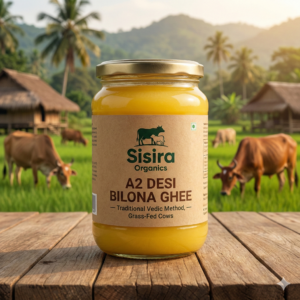
At Sisira Organics, we offer a range of traditional Indian products, including ragi, bajra, and ghee, which are rich in nutrients and designed to support the health and well-being of new mothers. Our products are made with high-quality, organic ingredients and are free from additives and preservatives.
How to Choose the Best Quality: 6 Tests That Work
Ensure that the product is certified organic, which means that it is free from additives, preservatives, and other harmful chemicals. Check for the organic certification logo on the packaging or website.
Ensure that the product contains only natural, wholesome ingredients, without any additives or preservatives. Check the ingredient list on the packaging or website.
Ensure that the product is prepared using traditional methods, such as stone-grinding or wood-pressing, which helps to preserve the nutrients and flavor of the ingredients. Check the website or packaging for information on preparation methods.
Ensure that the product is packaged in a way that preserves the freshness and quality of the ingredients. Check for airtight packaging, tamper-evident seals, and clear labeling.
Ensure that the product has positive customer reviews, which can indicate the quality and effectiveness of the product. Check the website or social media for customer reviews and testimonials.
Ensure that the company has a responsive and knowledgeable customer support team, which can answer questions and address concerns. Check the website or contact the company directly to ask questions and test their customer support.
What Ayurveda and Traditional Indian Wisdom Says
Ayurveda and traditional Indian wisdom have long recognized the importance of a traditional post-delivery diet in supporting the health and well-being of new mothers. According to Ayurveda, the post-delivery period is a critical time for the new mother, as her body is vulnerable to imbalances and disorders. The traditional diet is designed to help restore balance and promote healing, using a combination of nourishing foods, herbs, and spices.
“The post-delivery diet should be rich in nutrients and easy to digest, with a focus on promoting lactation and supporting the health of the new mother.”
This ancient text highlights the importance of a traditional post-delivery diet in supporting the health and well-being of new mothers, and provides guidance on the types of foods and nutrients that should be included.
“The post-delivery diet should include a variety of nourishing foods, such as ghee, milk, and ragi, which can help support lactation and promote healing.”
This ancient text provides guidance on the importance of a traditional post-delivery diet in supporting the health and well-being of new mothers, and highlights the benefits of including nourishing foods in the diet.
Frequently Asked Questions
What is the best post-delivery diet for Indian mothers?
The best post-delivery diet for Indian mothers is a traditional diet that includes a variety of nutrient-dense foods, such as ragi, bajra, and ghee, which are rich in iron, calcium, and protein. This diet should be tailored to the individual mother’s needs and preferences, taking into account factors such as her health status, lifestyle, and cultural background.
How long should I follow a post-delivery diet?
The post-delivery diet should be followed for at least 6-8 weeks after delivery, and can be continued for up to 6 months or more, depending on the