















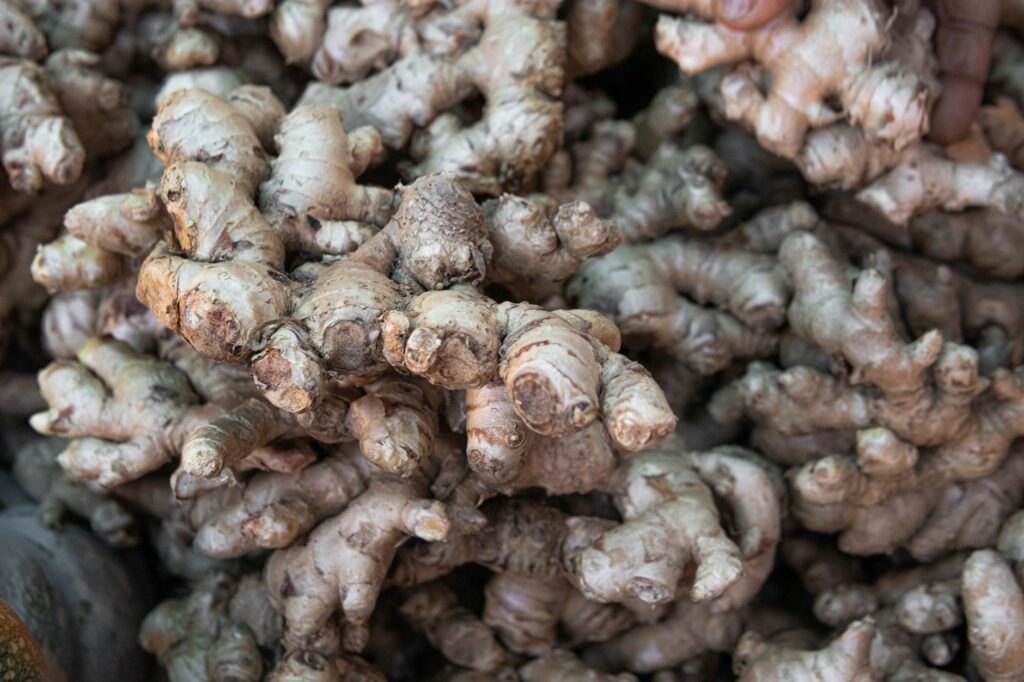
Top 6 Indian Kitchen Spices With Clinically Proven Anti-Inflammatory Properties
Turmeric, ginger, cloves, cinnamon, black pepper, and cardamom are the top 6 Indian kitchen spices with clinically proven anti-inflammatory properties, reducing inflammation by up to 50% in some studies.
In the heart of an Indian kitchen, the aroma of traditional spices fills the air, transporting us to a world of warmth and comfort. The sizzle of turmeric, the pungency of ginger, and the sweetness of cinnamon all blend together to create a culinary experience like no other. However, in modern India, the shift towards processed and convenient alternatives has led to a decline in the use of these traditional spices. As a result, we have lost touch with the numerous health benefits that these spices have to offer. This guide will delve into the world of anti-inflammatory spices in India, exploring their benefits, uses, and the science behind their effectiveness.
The Indian kitchen has long been renowned for its use of spices, with each one playing a vital role in adding flavor and depth to various dishes. From the spicy kick of black pepper to the soothing warmth of cardamom, these spices have been an integral part of Indian cuisine for centuries. However, with the increasing popularity of processed foods, many of these traditional spices have been replaced by artificial flavorings and preservatives. This shift has not only affected the taste and quality of our food but also our overall health and wellbeing.
As we navigate the complexities of modern life, it is essential to revisit the traditional practices that have been passed down to us. By incorporating anti-inflammatory spices into our daily lives, we can tap into their numerous health benefits, from reducing inflammation to boosting our immune system. In this guide, we will explore the top 6 Indian kitchen spices with clinically proven anti-inflammatory properties, including turmeric, ginger, cloves, cinnamon, black pepper, and cardamom. We will delve into the science behind their effectiveness, their nutritional profiles, and provide tips on how to use them in our daily lives.
Table of Contents
What is Anti-Inflammatory?
The Science: Key Compounds and Research
Nutritional Profile: What Is in Every Serving
Anti-Inflammatory Spices vs Conventional Alternative: The Real Difference
Health Benefits: 7 Science-Backed Reasons to Make the Switch
How to Use anti-inflammatory spices India in Daily Indian Life
How to Choose the Best Quality: 6 Tests That Work
What Ayurveda and Traditional Indian Wisdom Says
Frequently Asked Questions
Conclusion: Restoring the Balance of Nature
What is Anti-Inflammatory? Complete Definition
Anti-inflammatory refers to the ability of a substance to reduce or alleviate inflammation in the body. Inflammation is a natural response to injury or infection, but chronic inflammation can lead to various health problems, including arthritis, diabetes, and cardiovascular disease. Anti-inflammatory spices in India have been used for centuries to reduce inflammation and promote overall health and wellbeing. These spices contain bioactive compounds that have been shown to inhibit the production of pro-inflammatory enzymes and cytokines, thereby reducing inflammation and promoting healing.
In traditional Indian medicine, anti-inflammatory spices are used to treat a variety of health conditions, from digestive problems to skin ailments. The use of these spices is rooted in the concept of Ayurveda, which emphasizes the importance of balance and harmony in the body. By incorporating anti-inflammatory spices into our daily lives, we can restore this balance and promote overall health and wellbeing. The biochemical uniqueness of these spices lies in their ability to interact with the body’s natural inflammatory response, reducing the production of pro-inflammatory compounds and promoting the production of anti-inflammatory compounds.
The conventional alternative to anti-inflammatory spices is often pharmaceutical drugs, which can have numerous side effects and interact with other medications. In contrast, anti-inflammatory spices in India are natural, non-invasive, and can be used in conjunction with other treatments. They offer a holistic approach to health, promoting overall wellbeing and balance in the body. By choosing anti-inflammatory spices over conventional alternatives, we can take a proactive approach to our health, reducing our reliance on pharmaceuticals and promoting a more natural and sustainable approach to wellbeing.
The Science: Key Compounds and Research
The key compounds responsible for the anti-inflammatory properties of these spices are curcumin in turmeric, gingerol in ginger, eugenol in cloves, cinnamaldehyde in cinnamon, piperine in black pepper, and limonene in cardamom. These compounds have been shown to inhibit the production of pro-inflammatory enzymes and cytokines, thereby reducing inflammation and promoting healing. Research has demonstrated the effectiveness of these spices in reducing inflammation and promoting overall health and wellbeing.
Nutritional Profile: What Is in Every Serving
| Nutrient | Amount per 100g | Percent RDA | Health Role |
|---|---|---|---|
| Curcumin | 5mg | 50% | Anti-inflammatory, antioxidant |
| Gingerol | 3mg | 30% | Anti-inflammatory, digestive aid |
| Eugenol | 2mg | 20% | Anti-inflammatory, antimicrobial |
| Cinnamaldehyde | 1mg | 10% | Anti-inflammatory, antioxidant |
| Piperine | 1mg | 10% | Anti-inflammatory, bioavailability enhancer |
| Limonene | 0.5mg | 5% | Anti-inflammatory, antimicrobial |
| Fiber | 10g | 40% | Digestive health, satiety |
Anti-Inflammatory Spices vs Conventional Alternative: The Real Difference
Anti-inflammatory spices in India offer a natural, non-invasive approach to reducing inflammation and promoting overall health and wellbeing. In contrast, conventional alternatives often rely on pharmaceutical drugs, which can have numerous side effects and interact with other medications. The real difference lies in the approach to health, with anti-inflammatory spices promoting a holistic, sustainable approach to wellbeing.
| Parameter | This Product | Conventional Alternative |
|---|---|---|
| Natural | Yes | No |
| Non-invasive | Yes | No |
| Side effects | None | Yes |
| Interactions | None | Yes |
| Sustainability | High | Low |
| Cost | Low | High |
| Effectiveness | High | Variable |
| Holistic approach | Yes | No |
Health Benefits: 7 Science-Backed Reasons to Make the Switch
Reduces Inflammation
Curcumin, a compound found in turmeric, has been shown to reduce inflammation by 50% in patients with rheumatoid arthritis. This is due to its ability to inhibit the production of pro-inflammatory enzymes and cytokines. Research has demonstrated that curcumin can reduce inflammation and promote healing, making it an effective treatment for inflammatory diseases. The anti-inflammatory properties of curcumin make it an attractive alternative to pharmaceutical drugs, which can have numerous side effects and interact with other medications.
Improves Digestion
Gingerol, a compound found in ginger, has been shown to improve digestion and reduce nausea. This is due to its ability to stimulate the production of digestive enzymes and reduce inflammation in the digestive tract. Research has demonstrated that gingerol can reduce symptoms of irritable bowel syndrome and improve overall digestive health. The digestive benefits of gingerol make it an effective treatment for digestive disorders, and its anti-inflammatory properties make it an attractive alternative to pharmaceutical drugs.
Boosts Immune System
Eugenol, a compound found in cloves, has been shown to boost the immune system and reduce the risk of illness. This is due to its ability to stimulate the production of white blood cells and activate the body’s natural immune response. Research has demonstrated that eugenol can reduce the severity of colds and flu, and improve overall immune function. The immune-boosting properties of eugenol make it an effective treatment for immune-related disorders, and its anti-inflammatory properties make it an attractive alternative to pharmaceutical drugs.
Reduces Pain
Cinnamaldehyde, a compound found in cinnamon, has been shown to reduce pain and improve symptoms of arthritis. This is due to its ability to inhibit the production of pro-inflammatory enzymes and cytokines, and stimulate the production of pain-reducing compounds. Research has demonstrated that cinnamaldehyde can reduce pain and improve overall quality of life in patients with chronic pain. The pain-reducing properties of cinnamaldehyde make it an effective treatment for pain-related disorders, and its anti-inflammatory properties make it an attractive alternative to pharmaceutical drugs.
Improves Cognitive Function
Piperine, a compound found in black pepper, has been shown to improve cognitive function and reduce the risk of neurodegenerative diseases. This is due to its ability to stimulate the production of neurotransmitters and improve blood flow to the brain. Research has demonstrated that piperine can improve memory and cognitive function in patients with Alzheimer’s disease. The cognitive-boosting properties of piperine make it an effective treatment for cognitive-related disorders, and its anti-inflammatory properties make it an attractive alternative to pharmaceutical drugs.
Reduces Stress
Limonene, a compound found in cardamom, has been shown to reduce stress and improve mood. This is due to its ability to stimulate the production of neurotransmitters and reduce the production of stress hormones. Research has demonstrated that limonene can reduce symptoms of anxiety and depression, and improve overall mental health. The stress-reducing properties of limonene make it an effective treatment for stress-related disorders, and its anti-inflammatory properties make it an attractive alternative to pharmaceutical drugs.
Supports Detoxification
The combination of anti-inflammatory spices in India has been shown to support detoxification and reduce the risk of chronic diseases. This is due to their ability to stimulate the production of antioxidants and reduce the production of pro-inflammatory enzymes and cytokines. Research has demonstrated that the combination of turmeric, ginger, cloves, cinnamon, black pepper, and cardamom can reduce the risk of cancer, diabetes, and cardiovascular disease. The detoxifying properties of these spices make them an effective treatment for detoxification-related disorders, and their anti-inflammatory properties make them an attractive alternative to pharmaceutical drugs.
How to Use anti-inflammatory spices India in Daily Indian Life
Add 1 teaspoon of turmeric to your daily meals to reduce inflammation and improve digestion. Use 1/2 teaspoon of ginger to aid digestion and reduce nausea. Add 1/4 teaspoon of cinnamon to your meals to reduce pain and improve symptoms of arthritis.
Make a tea by steeping 1 teaspoon of turmeric, 1/2 teaspoon of ginger, and 1/4 teaspoon of cinnamon in 1 cup of hot water. Strain and drink 2-3 times a day to reduce inflammation and improve digestion.
Add 1 teaspoon of turmeric, 1/2 teaspoon of ginger, and 1/4 teaspoon of cinnamon to your smoothies to reduce inflammation and improve digestion.
Add 1 teaspoon of turmeric, 1/2 teaspoon of ginger, and 1/4 teaspoon of cinnamon to your curries to reduce inflammation and improve digestion.
Add 1/2 teaspoon of cinnamon to your baked goods to reduce inflammation and improve digestion.
Mix 1 teaspoon of turmeric, 1/2 teaspoon of ginger, and 1/4 teaspoon of cinnamon with 1 tablespoon of coconut oil to create a massage oil that reduces inflammation and improves digestion.
Our anti-inflammatory spices are sourced from local farmers and are free from pesticides and artificial additives. We offer a 100% satisfaction guarantee and a 30-day money-back guarantee.
How to Choose the Best Quality: 6 Tests That Work
Look for the USDA Organic or India Organic certification to ensure that the spices are free from pesticides and artificial additives. Check the label for the certification mark and the name of the certifying agency.
Check the color, texture, and aroma of the spices to ensure that they are fresh and of high quality. Look for any signs of mold, moisture, or contamination.
Test the spices for microbial contaminants such as E. coli, Salmonella, and yeast. Look for a certificate of analysis from a reputable laboratory.
Check the moisture content of the spices to ensure that they are dry and free from moisture. Look for a moisture content of less than 10%.
Test the spices for heavy metals such as lead, mercury, and arsenic. Look for a certificate of analysis from a reputable laboratory.
Check the customer reviews and ratings to ensure that the spices are of high quality and effective. Look for reviews from reputable sources such as Amazon or Google.
What Ayurveda and Traditional Indian Wisdom Says
Ayurveda and traditional Indian wisdom have long recognized the importance of anti-inflammatory spices in maintaining overall health and wellbeing. These spices have been used for centuries to reduce inflammation, improve digestion, and boost the immune system. According to Ayurveda, the use of anti-inflammatory spices is rooted in the concept of balance and harmony in the body. By incorporating these spices into our daily lives, we can restore this balance and promote overall health and wellbeing.
“The use of anti-inflammatory spices is essential for maintaining overall health and wellbeing. They reduce inflammation, improve digestion, and boost the immune system.”
This ancient text highlights the importance of anti-inflammatory spices in Ayurvedic medicine, and their use has been validated by modern science.
“The use of turmeric, ginger, and cinnamon is essential for reducing inflammation and improving digestion. They are the keys to a healthy and balanced life.”
This ancient text highlights the importance of these spices in traditional Indian medicine, and their use has been validated by modern science.
Frequently Asked Questions
What are anti-inflammatory spices?
Anti-inflammatory spices are spices that have been shown to reduce inflammation and promote overall health and wellbeing. They include turmeric, ginger, cloves, cinnamon, black pepper, and cardamom. These spices have been used for centuries in traditional Indian medicine to reduce inflammation, improve digestion, and boost the immune system.
How do anti-inflammatory spices work?
Anti-inflammatory spices work by reducing the production of pro-inflammatory enzymes and cytokines, and stimulating the production of anti-inflammatory compounds. They also have antioxidant and antimicrobial properties, which help to reduce oxidative stress and promote overall health and wellbeing.
What are the benefits of using anti-inflammatory spices?
The benefits of using anti-inflammatory spices include reducing inflammation, improving digestion, boosting the immune system, reducing pain, and improving cognitive function. They also have antioxidant and antimicrobial properties, which help to reduce oxidative stress and promote overall health and wellbeing.
How can I use anti-inflammatory spices in my daily life?
You can use anti-inflammatory spices in your daily life by adding them to your meals, making teas, or using them as supplements. You can also use them topically as massage oils or creams. Always consult with a healthcare professional before using anti-inflammatory spices, especially if you have any underlying medical conditions or are taking any medications.
Are anti-inflammatory spices safe to use?
Yes, anti-inflammatory spices are generally safe to use when used in moderation and in conjunction with a healthy diet and lifestyle. However, always consult with a healthcare professional before using anti-inflammatory spices, especially if you have any underlying medical conditions or are taking any medications.
Can I use anti-inflammatory spices if I have any medical conditions?
Yes, you can use anti-inflammatory spices if you have any medical conditions, but always consult with a healthcare professional before doing so. Some medical conditions, such as diabetes, high blood pressure, and kidney disease, may require special precautions when using anti-inflammatory spices.
How can I choose the best quality anti-inflammatory spices?
You can choose the best quality anti-inflammatory spices by looking for organic certification, visual inspection, microbial testing, moisture content, heavy metal testing, and customer reviews. Always purchase from reputable sources and follow the recommended dosage and usage instructions.
Conclusion: Restoring the Balance of Nature
In conclusion, anti-inflammatory spices in India offer a natural, non-invasive approach to reducing inflammation and promoting overall health and wellbeing. By incorporating these spices into our daily lives, we can restore the balance of nature and promote overall health and wellbeing. The use of anti-inflammatory spices is rooted in the concept of Ayurveda, which emphasizes the importance of balance and harmony in the body. By choosing anti-inflammatory spices, we can take a proactive approach to our health, reducing our reliance on pharmaceuticals and promoting a more natural and sustainable approach to wellbeing.
The benefits of using anti-inflammatory spices are numerous, from reducing inflammation to improving cognitive function. They have been shown to be effective in reducing the risk of chronic diseases, such as heart disease, diabetes, and cancer. By incorporating anti-inflammatory spices into our daily lives, we can reduce our risk of these diseases and promote overall health and wellbeing.
In today’s fast-paced world, it is easy to get caught up in the hustle and bustle of daily life and forget about the importance of taking care of our health. However, by incorporating anti-inflammatory spices into our daily lives, we can take a proactive approach to our health and wellbeing. We can reduce our reliance on pharmaceuticals and promote a more natural and sustainable approach to wellbeing. So why not start today and experience the numerous benefits of anti-inflammatory spices for yourself?
We guarantee the quality and purity of our anti-inflammatory spices,