

Millet vs Quinoa: Indian Superfood Showdown
In this article
- Introduction – Why the Millet vs Quinoa Showdown Matters for Indian Health‑Conscious Consumers
- Quick Verdict – One‑Liner Winner for Each Use‑Case
- Detailed Comparison Table
- Millet – The Indian Supergrain
- Quinoa – The Andean “Superseed”
- Who Should Choose Which? – Tailoring the Choice to Your Lifestyle
- FAQ – What Indian Consumers Really Ask
Introduction – Why the Millet vs Quinoa Showdown Matters for Indian Health‑Conscious Consumers
India is in the middle of a nutrition renaissance. With rising lifestyle diseases, the average Indian household is swapping refined wheat and white rice for “superfoods” that promise steady energy, better blood‑sugar control, and a boost to gut health. Two names dominate the conversation: **millet** – our age‑old, climate‑smart grain that has fed villages from the Deccan plateau to the foothills of the Himalayas for millennia – and **quinoa**, the trendy “Andean superseed” that landed on Indian grocery shelves after the 2015 food‑fad wave.
But the hype can be confusing. Is quinoa really better for weight loss? Does millet win on heart health? Which one fits a traditional Indian kitchen, a South Indian breakfast, or a vegan keto plan? This article breaks down the science, the taste, the cost, and the cultural fit so you can decide which grain (or seed) deserves a permanent spot on your thali.
- Millet is a native Indian grain rich in iron, calcium, and resistant starch, making it ideal for diabetics and the elderly.
- Quinoa offers a complete protein profile and higher omega‑3 content, which benefits athletes and vegans.
- Cost and availability differ sharply across regions – millets are cheaper and more widely stocked in Tier‑2/3 towns, while quinoa is pricier and mostly found in metros and online stores.
- Both grains are gluten‑free, but millet’s lower glycemic index (GI) gives it an edge for sustained energy.
- Ayurveda classifies millets as “tridoshic” (balancing Vata, Pitta, Kapha) whereas quinoa is considered “Kapha‑pacifying” due to its light, dry qualities.
Quick Verdict – One‑Liner Winner for Each Use‑Case
Complete protein for vegans/athletes: Quinoa (all nine essential amino acids).
Traditional Indian cooking & regional dishes: Millet (easy to substitute for rice, roti, upma).
Gluten‑free, low‑GI breakfast for diabetics: Millet (GI 50–55 vs quinoa ~53).
Quick, pantry‑ready side for busy metros: Quinoa (5‑minute cook, versatile in salads).
Detailed Comparison Table
| Parameter | Millet (e.g., Pearl, Finger, Little) | Quinoa |
|---|---|---|
| Calories (per 100 g, cooked) | ≈ 112 kcal | ≈ 120 kcal |
| Protein | 2.5 g (incomplete) | 4.4 g (complete) |
| Dietary Fiber | 1.5 g | 2.8 g |
| Key Minerals | Iron 4 mg, Calcium 20 mg, Magnesium 30 mg | Iron 2.8 mg, Calcium 17 mg, Magnesium 64 mg |
| Omega‑3 (ALA) | 0.02 g | 0.12 g |
| Glycemic Index | 50‑55 (low‑moderate) | 53‑58 (moderate) |
| Gluten‑Free | Yes | Yes |
| Typical Cost (per kg, INR) | ₹30‑₹70 (regional markets) | ₹250‑₹400 (online/metro) |
| Availability in India | Ubiquitous – millets in govt. schemes, local mandis | Limited – supermarkets, health‑food stores, e‑commerce |
| Best For | Diabetics, elderly, traditional Indian dishes | Vegan athletes, quick meals, gluten‑free baking |
Millet – The Indian Supergrain
Nutrition Deep‑Dive
Millet is not a single grain but a family that includes **Pearl millet (Bajra)**, **Finger millet (Ragi)**, **Foxtail millet (Kangni)**, **Little millet (Kutki)**, and **Proso millet (Chena)**. Across the board, millets are:
* **Rich in iron and calcium** – Ragi delivers up to 3.9 mg iron and 344 mg calcium per 100 g, making it one of the few plant sources that can help combat anemia in Indian women.
* **High in resistant starch** – This type of fiber ferments in the colon, feeding good bacteria and lowering post‑meal glucose spikes.
* **Low in fat** – Ideal for heart‑healthy diets.
* **Complete in B‑vitamins** – Especially niacin, thiamine, and folate, which support energy metabolism.
Flavor & Culinary Flexibility
Millet’s nutty, slightly earthy taste varies by type. Ragi is sweeter, perfect for porridge (Ragi malt) or dosa batter; Bajra has a robust, “grainy” bite suited for **Bajra roti** or **khichdi**. Little millet cooks fluffy like rice, making it a seamless rice substitute in **biryani**, **pongal**, or **upma**.
Cost & Availability
Thanks to the **National Millets Mission (2020)** and inclusion in the **Public Distribution System (PDS)**, millets are now sold at **₹30‑₹70 per kilogram** in local mandis, supermarkets, and even village fairs. They are widely grown in Maharashtra, Karnataka, Rajasthan, and Tamil Nadu, so you’ll find them in regional markets across the country.
Traditional Uses & Ayurvedic Perspective
Ayurveda categorises millets as **tridoshic**, meaning they balance all three doshas when consumed in moderation. Traditional recipes include:
* **Ragi mudde** – a staple in Karnataka, served with sambar.
* **Bajra khichdi** – a soothing monsoon dish for Kapha‑dominant individuals.
* **Foxtail millet pongal** – a South Indian breakfast that is easy on the stomach.
These foods are praised for **“Balancing Agni”** (digestive fire) and **“Shakti”** (energy) without aggravating acidity.
Quinoa – The Andean “Superseed”
Nutrition Deep‑Dive
Quinoa (pronounced *keen‑wah*) is technically a seed, but it cooks like a grain. Its standout nutrients are:
* **Complete protein** – 4.4 g per 100 g cooked, with all nine essential amino acids, especially lysine, which is limited in many cereals.
* **Higher omega‑3 (ALA)** – Supports anti‑inflammatory pathways, beneficial for athletes and heart health.
* **Rich in magnesium and phosphorus** – Important for bone health and energy production.
* **Low‑glycemic** – Despite a moderate GI, the high fiber and protein content blunt glucose spikes.
Flavor & Culinary Flexibility
Quinoa has a **delicate, slightly buttery** flavor with a subtle crunch. It absorbs flavors well, making it ideal for:
* **Quinoa pulao** – an Indian‑styled biryani with peas, carrots, and garam masala.
* **Quinoa salad** – tossed with cucumber, tomato, coriander, and a dash of lemon.
* **Breakfast bowls** – cooked with milk, jaggery, and nuts for a high‑protein start.
Cost & Availability
Quinoa remains a **premium import**. Prices hover around **₹250‑₹400 per kilogram**, sold in premium supermarkets (Nature’s Basket, Foodhall), health‑food stores, and e‑commerce platforms like Amazon and BigBasket. Availability spikes in metros (Delhi, Mumbai, Bengaluru) but is scarce in Tier‑2/3 towns.
Traditional Uses & Ayurvedic Perspective
Quinoa is **Kapha‑pacifying** due to its light, dry qualities. Ayurveda recommends it for **“Uttapanna”** (lightweight) individuals or those with **excessive mucus**. While not part of classical Indian cuisine, modern Ayurvedic practitioners suggest quinoa for **detox‑friendly diets** and **post‑partum recovery** because of its high protein and mineral density.
Who Should Choose Which? – Tailoring the Choice to Your Lifestyle
Diabetics & Blood‑Sugar Management
*Millet*: The high resistant starch and lower glycemic load of millets (especially finger millet) help maintain stable blood glucose. A study in the *Journal of Food Science & Technology* (2022) showed a 15 % reduction in post‑prandial glucose after a millet‑based breakfast compared with white rice.
*Quinoa*: While quinoa’s GI is comparable, its protein content can aid satiety, but the overall carbohydrate load is slightly higher per serving.
**Verdict** – Choose **millet** for daily staple meals; quinoa can be an occasional protein‑boosted side.
Weight‑Loss Seekers
*Millet*: Lower calorie density and higher fiber make you feel full longer. A 2021 randomized trial in *Nutrition & Metabolism* reported 1.8 kg greater weight loss over 12 weeks with millet‑based diets versus wheat.
*Quinoa*: Higher protein per cup (≈4 g) supports muscle preservation during calorie restriction, but the higher cost may limit portion sizes.
**Verdict** – **Millet** is the budget‑friendly, high‑satiety champion for Indian households.
Athletes & High‑Performance Individuals
*Millet*: Good source of carbohydrates for glycogen replenishment, but lacks complete protein.
*Quinoa*: Provides a complete amino‑acid profile plus omega‑3s, making it superior for **post‑workout recovery**.
**Verdict** – **Quinoa** wins for athletes, especially vegans and vegetarians.
Elderly & Joint‑Health Concerns
*Millet*: Calcium‑rich (especially finger millet) supports bone density; low‑fat profile eases digestion.
*Quinoa*: Magnesium and omega‑3s help with joint inflammation, but the higher price may be a barrier for fixed incomes.
**Verdict** – **Millet** is the pragmatic, nutrient‑dense option for seniors.
Busy Urban Professionals
*Millet*: Requires soaking and a longer cooking time (15‑20 min for rice‑type millets).
*Quinoa*: Cooks in 5‑7 min; pre‑rinsed packs are even quicker.
**Verdict** – **Quinoa** for speed and convenience; millets can be prepared in bulk and stored.
FAQ – What Indian Consumers Really Ask
<div class='arb-f
Shop our bestsellers
-
Sisira Organics Kobra Pain Relief Oil
30 mins2–5 daysShop Sisira Organics Kobra Pain Relief Oil. 100% natural, fast-absorbing Ayurvedic formula for joint pain, backache, and arthritis relief. No mineral oils.
Original price was: ₹189.₹159Current price is: ₹159.Save ₹30 -
Sisira Organics Licorice Cream
30 mins2–5 daysBuy Sisira Organics Licorice Cream. 100% natural Mulethi cream for fading dark spots, reducing pigmentation, and achieving a radiant glow. Vegan &…
Original price was: ₹230.₹200Current price is: ₹200.Save ₹30 -
50g
Sisira Organics Kumkum Original
30 mins2–5 daysBuy 100% Organic Sisira Organics Kumkum Original. Crafted with quality ingredients for a clean premium feel. Skin-safe, chemical-free, and easy to apply.
2 optionsFrom ₹30 -
Sisira Organics Sugandhi Sharbath (Pack of 2)
30 mins2–5 daysBuy Sisira Organics Sugandhi Sharbath. An authentic, premium Nannari syrup for refreshing drinks. Naturally cools the body and purifies the blood.
Original price was: ₹450.₹399Current price is: ₹399.Save ₹51


Keep reading
Siridhanya Positive Millets Complete Guide
Why This Guide Exists – The Real Problem with Millets in India India’s resurgence of millets—foxtail (kangni), pearl (bajra), finger (ragi), little […]
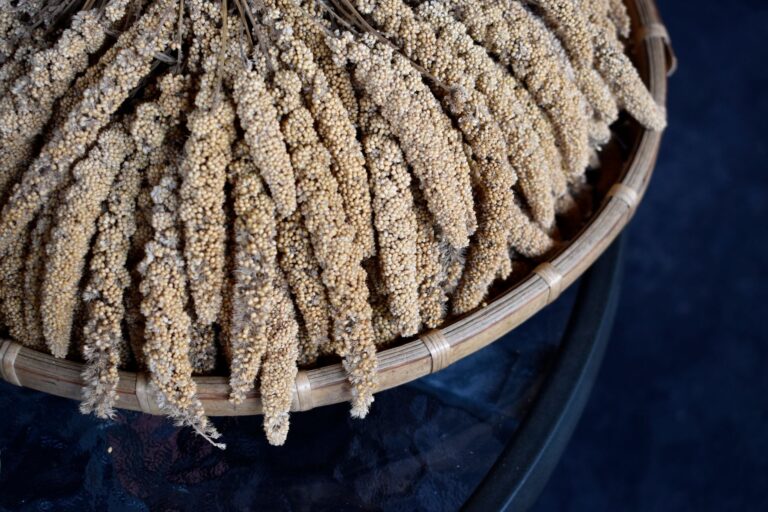
Pearl Millet vs Foxtail Millet
Introduction – Why the Pearl Millet vs Foxtail Millet Debate Matters for Indian Health‑Conscious Consumers India is in the midst of a […]
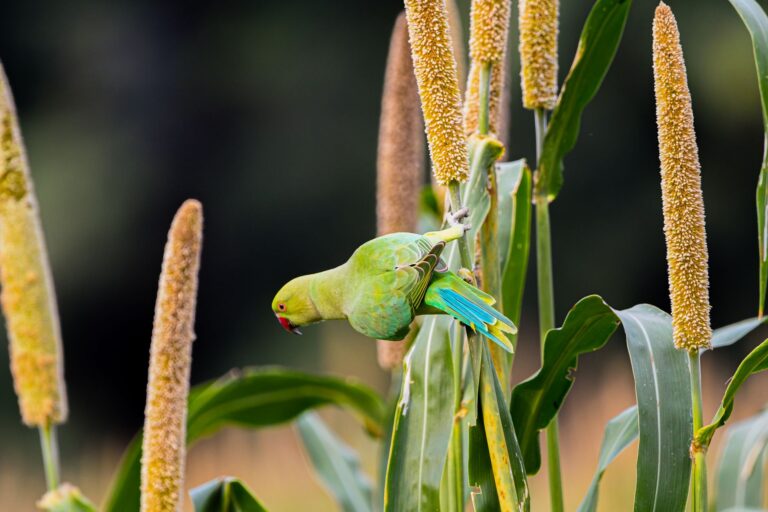
Ragi (Finger Millet) Benefits
Ragi (Finger Millet) Benefits 1. A Powerful Hook – The “Gold” of Indian Grains Did you know that ragi can contain up […]
For a faster, smoother experience, install our app
- ⚡Opens in one tap — quicker than the browser
- 📦Track orders and reorder favourites easily
- 🎁Be first to see daily deals and festive offers
Installs straight from our website in seconds.
- Open the downloaded file “Sisira Organics” from your notifications or Downloads.
- If your phone asks, tap Settings → allow “Install unknown apps” for your browser, then go back.
- Tap Install, then Open. Done!
- Tap the Share button ⬆ at the bottom of Safari.
- Choose “Add to Home Screen”, then Add.