

Low Glycemic Rice Options in India
## Why This Guide Exists – The Problem Statement
India’s staple is rice, but not all rice is created equal. Traditional white basmati, while aromatic, spikes blood glucose within minutes, making it a poor choice for people managing diabetes, metabolic syndrome, or simply trying to maintain steady energy levels. The surge in lifestyle‑related disorders has turned the conversation toward **low‑glycemic rice (LGR)** – varieties that release glucose more slowly, help curb cravings, and support long‑term health.
Unfortunately, the Indian market is flooded with mislabeled “brown rice”, “organic rice” or “low GI” claims that are rarely vetted. Consumers end up buying products that either don’t meet the promised glycemic profile or are contaminated with chemicals, pesticides, or even broken rice kernels from cheaper varieties. This guide cuts through the noise, giving you a **practical, evidence‑backed roadmap** to select, cook, store, and enjoy truly low‑glycemic rice in India.
—
## What to Look for When Buying
Below are the **7 critical factors** to evaluate before adding any rice to your cart.
- Glycemic Index (GI) Rating: Look for a verified GI ≤ 55 (medium to low). Certified lab results or reputable research citations are a must.
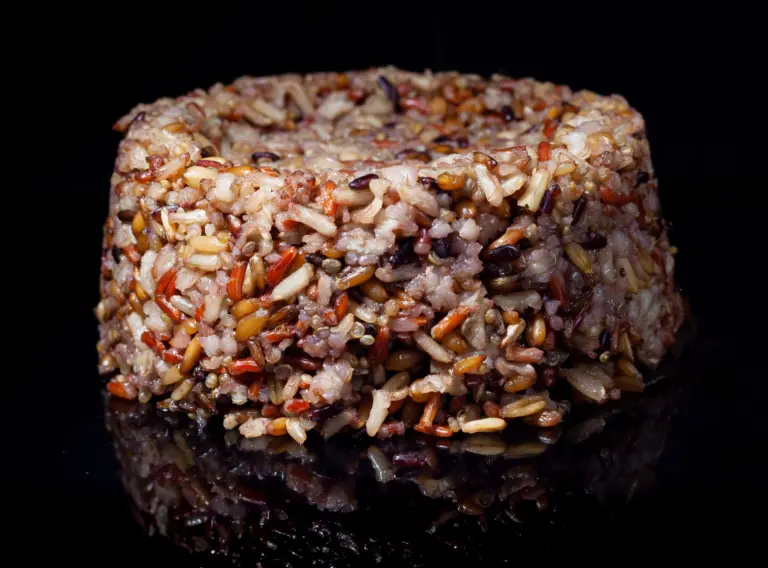
- Varietal Authenticity: True low‑GI varieties include **Red/Black Japonica, Brown Sona Masoori, Red Emmer (Ragi),** and **Kodo (Varagu) rice**. Avoid generic “brown rice” blends that may contain broken basmati.
- Organic Certification: In India, the **India Organic (National Programme for Organic Production – NPOP)** logo or **FSSAI Organic** label ensures no synthetic fertilizers or pesticides.
- Whole‑grain Integrity: Whole‑grain (intact bran and germ) retains fibre that slows glucose absorption. Check for “whole grain” or “unpolished” on the pack.
- Processing Method: Minimal processing (parboiled or lightly milled) retains nutrients. Excessive polishing removes fibre and raises GI.
- Origin & Traceability: Brands that disclose the farm, state, and harvest season (e.g., “Karnataka Red Rice – 2023 Harvest”) are usually more trustworthy.
- Packaging & Shelf‑life: Airtight, UV‑protected pouches prevent oxidation of the bran oil, preserving flavour and preventing rancidity.
### How These Factors Play Out in the Indian Market
| Factor | Typical Indian Scenario | What to Verify |
|——–|————————|—————-|
| GI Rating | Many packs claim “low GI” without lab data. | Look for a **GI certificate** (e.g., from NIN, ICMR) printed on the label. |
| Varietal Authenticity | “Brown rice” often mixes broken basmati with cheap parboiled grains. | Verify the **scientific name** (e.g., *Oryza sativa* Japonica) and **variety**. |
| Organic Certification | Some “organic” tags are self‑declarations. | Ensure **NPOP** or **FSSAI Organic** logo with registration number. |
| Whole‑grain Integrity | Pre‑packaged “instant brown rice” is usually pre‑cooked and stripped of fibre. | Choose **raw, unprocessed** whole‑grain packs. |
| Processing | Parboiling can be beneficial but over‑parboiling raises GI. | Look for **“lightly parboiled”** or **“minimal processing”** claims. |
| Origin | “Made in India” is generic; region matters for quality. | Prefer rice from **Kerala, Karnataka, Tamil Nadu, or Odisha** where low‑GI varieties thrive. |
| Packaging | Transparent plastic bags expose rice to moisture. | Opt for **multi‑layer foil pouches** or **glass jars**. |
—
## Red Flags & Adulteration Signs – Protect Your Health
India’s food supply chain is vast, and adulteration can creep in at any point. Keep an eye out for these warning signs:
1. **Inconsistent Colour or Smell** – A mix of white, brown, and black grains in a single pack suggests blending of cheap basmati with genuine low‑GI rice.
2. **Excessive Dust or Stone Particles** – Indicates poor cleaning and possible inclusion of broken kernels.
3. **Absence of Certification Numbers** – Genuine organic or GI‑certified packs display registration numbers (e.g., NPOP‑2023‑00123).
4. **Over‑bright Packaging** – Ultra‑glossy wrappers often hide inferior quality; they’re more about marketing than protection.
5. **Unrealistically Low Price** – If the price is 30‑40 % lower than the market average for the same variety, it’s likely a blend or sub‑standard batch.
6. **Missing Milling Information** – Reputable brands disclose the degree of milling (e.g., “70 % polished”). Lack of this detail is a red flag.
7. **Presence of Additives** – Some manufacturers coat rice with preservatives or anti‑caking agents; check the ingredient list for anything beyond “rice”.
When in doubt, **buy from trusted retailers** (large supermarket chains, certified organic stores, or directly from the farm’s e‑commerce portal) and **request a batch test report** if you’re buying in bulk.
—
## How to Use, Cook & Store Low‑Glycemic Rice
### Cooking Techniques That Preserve Low GI
| Step | Detail |
|——|——–|
| **Rinse Lightly** | Rinse 1–2 times with cold water to remove surface starch, but avoid over‑washing which strips soluble fibre. |
| **Soak (Optional)** | Soak brown/red varieties for 20‑30 minutes; this reduces cooking time and improves texture without raising GI. |
| **Water Ratio** | Use **1.5 – 1.75 cups water per cup rice** for brown/red rice; for parboiled varieties, 2 cups water works. |
| **Cooking Method** | **Absorption method** (tight‑fitting lid) or **pressure cooker** (5‑7 min) retains nutrients. Avoid excessive boiling which leaches nutrients. |
| **Cooling & Reheating** | **Resistant starch** forms when rice cools; refrigerate cooked rice for at least 4 hours, then reheat gently. This can lower GI by up to 15 %. |
| **Add Fibre & Protein** | Pair with dal, legumes, or vegetables to further blunt glucose spikes. |
### Storage Guidelines
* **Dry Storage:** Keep raw rice in an airtight, opaque container in a cool, dry pantry. Add a **food‑grade silica gel packet** to control humidity.
* **Shelf‑life:** Whole‑grain, unpolished rice retains quality for **12‑18 months** if stored properly; parboiled varieties last up to **24 months**.
* **Cooked Rice:** Store in a shallow, sealed container in the refrigerator for **3‑4 days**. Freeze in portion‑sized bags for up to **2 months**; reheat only once to avoid microbial growth.
—
## Price Range in INR Across Quality Tiers
| Quality Tier | Typical Varieties | Approx. Price (per kg) | What You Get |
|————–|——————-|————————|————–|
| **Budget** | Broken brown Sona Masoori, non‑certified red rice | ₹30 – ₹55 | May lack organic certification; possible admixture with white rice. |
| **Mid‑Range** | Certified organic brown/kodo rice, lightly parboiled red rice | ₹80 – ₹130 | NPOP/FSSAI organic label, whole‑grain integrity, reliable GI (≤55). |
| **Premium** | Single‑origin black Japonica, heirloom red rice from Kerala, specialty parboiled varieties with lab‑tested GI | ₹150 – ₹250 | Full traceability, lab‑verified GI, superior aroma & texture, eco‑friendly packaging. |
*Prices fluctuate with harvest season and import duties (for niche varieties like Japanese black rice). Bulk purchases (≥5 kg) often fetch a 10‑15 % discount.*
—
## Recommended Brands & Sources in India
| Brand / Source | Key Products | Certifications | Where to Buy |
|—————-|————–|—————-|————–|
| **Organic India** | Brown Sona Masoori, Red Kodo Rice | NPOP, FSSAI Organic | Organic stores, Amazon India, Brand website |
| **Nature’s Basket (Premium Line)** | Black Japonica, Red Emmer | ISO 22000, Lab‑tested GI | Nature’s Basket outlets, BigBasket |
| **24 Mantra Organic** | Brown Rice, Red Rice | NPOP, Fairtrade | Supermarkets, 24Mantra.com |
| **Swasthya Organics** | Lightly parboiled Red Rice (Kerala) | FSSAI Organic, GI Certificate | Direct farm‑to‑door portal, local organic marts |
| **Millets & More** (Sisira Organics) | Kodo (Varagu) & Little Millet blends (low GI) | NPOP, Lab‑verified GI | SisiraOrganics.com, select health stores |
| **Local Co‑ops (e.g., Kerala State Agricultural Marketing Board)** | Single‑origin Red Rice (Kochi) | State‑level organic seal | State market stalls, e‑mandi portals |
*Tip:* When buying online, always **check the seller’s rating** and read the “**product authenticity**” section for batch numbers.
—
## Common Mistakes to Avoid
1. **Choosing “Brown Rice” Without Checking GI** – Not all brown rice is low‑GI; some have a GI close to white rice.
2. **Over‑cooking** – Prolonged boiling gelatinises starch, raising the GI dramatically.
3. **Storing in Transparent Containers** – Light accelerates oxidation of the bran oil, causing rancidity and nutrient loss.
4. **Skipping the Rinse** – Residual surface starch can cause the rice to become gummy and increase glycemic response.
5. **Mixing Varieties** – Combining low‑GI rice with high‑GI basmati defeats the purpose. Keep each batch separate.
6. **Ignoring Portion Size** – Even low‑GI rice can raise glucose if consumed in excess; aim for **½ – ¾ cup cooked** per meal.
7. **Neglecting Pairings** – Eating rice alone spikes glucose; always pair with protein/fibre for a balanced meal.
—
## FAQ
—
## Quick Summary Checklist
- ✅ Verify GI ≤ 55 with a certified lab report.
- ✅ Choose whole‑grain, minimally processed varieties (Red/Black Japonica, Kodo, Red Emmer).
- ✅ Look for NPOP/FSSAI Organic logos and clear batch numbers.
- ✅ Inspect packaging – opaque, airtight, UV‑protected.
- ✅ Rinse lightly, use correct water ratio, and avoid over‑cooking.
- ✅ Store raw rice in a cool, dry, dark container; refrigerate cooked rice promptly.
- ✅ Pair with dal, legumes, or vegetables for a balanced glycemic response.
- ✅ Stick to portion sizes (½‑¾ cup cooked) and avoid mixing with high‑GI rice.
—
Glycemic Index Comparison of Popular Indian Rice Varieties
| Rice Variety | GI (Average) | Comments |
|---|---|---|
| White Basmati (30‑day aged) | 58‑62 | Medium‑high GI; aromatic but fast glucose rise. |
| Brown Sona Masoori | 55‑58 | Borderline low; retains bran. |
| Red Kodo (Varagu) | 48‑52 | True low‑GI; high fibre. |
| Black Japonica | 45‑50 | Rich in anthocyanins; low GI. |
| Parboiled Red Rice (Kerala) | 52‑56 | Lightly parboiled; maintains low GI. |
| Instant Brown Rice (pre‑cooked) | 65‑70 | High GI due to pre‑cooking.</
Shop our bestsellers
Keep readingBrown Rice vs Millet for DiabeticsIntroduction – Why the Brown Rice vs Millet Debate Matters for Indian Diabetics India has the world’s largest diabetic population – an estimated […] Gobindobhog Rice: Is It Diabetic Friendly?## Why This Guide Exists Diabetes is a growing concern in India – the International Diabetes Federation estimates **over 77 million Indians** live […] Kerala Matta Rice Benefits for DiabeticsKerala Matta Rice Benefits for Diabetics 1. A Powerful Hook – The Surprising Statistic According to the Indian Council of Medical Research […] 
Sisira OrganicsFree · Fresh from Visakhapatnam
For a faster, smoother experience, install our app
Installs straight from our website in seconds.
|