















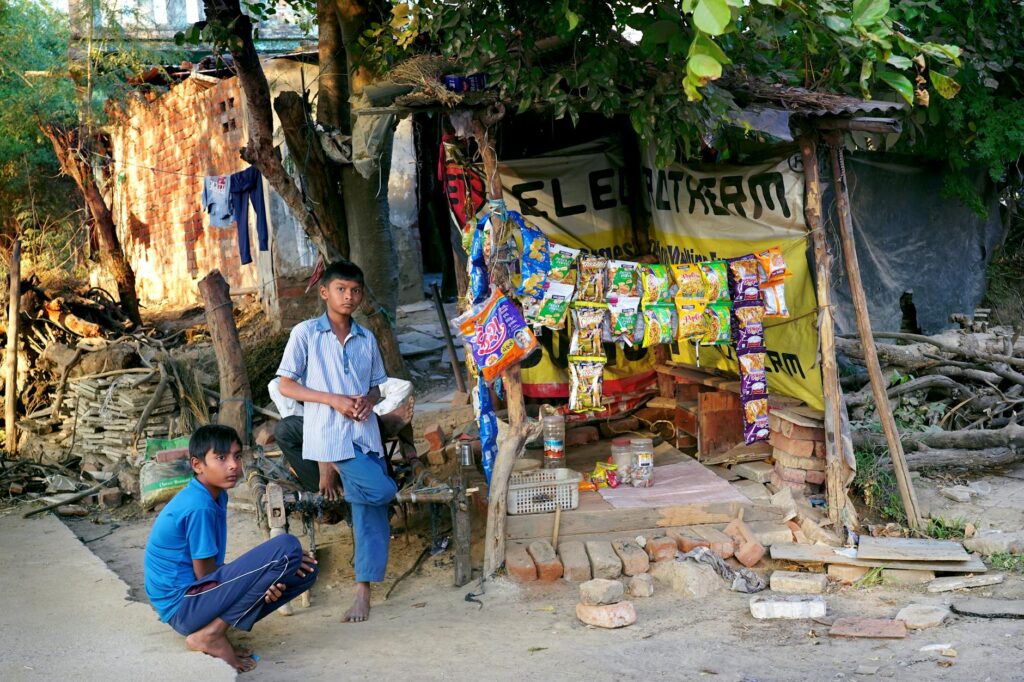
Healthy Indian Snacks for School Children: What Nutrition Science Recommends
Healthy snacks Indian children need to consume 30-40 grams of protein, 10-15% of daily iron, and 500-700mg of calcium daily, which can be achieved by incorporating organic unpolished millets, wood pressed oils, and raw spices into their diet.
In a traditional Indian kitchen, the aroma of freshly cooked meals and the sound of sizzling spices filled the air, signaling the start of a new day. The kitchen was the heart of the home, where love and care were infused into every dish prepared for the family. However, with the advent of modernization and urbanization, the Indian diet has undergone a significant transformation, with many families opting for processed and packaged foods over traditional, wholesome options. This shift has led to a rise in nutrition-related health issues, particularly among children. As a result, it is essential to revisit the traditional Indian diet and explore healthy snack options that can provide the necessary nutrients for growing children.
The traditional Indian diet was rich in nutrients, with a focus on whole, unprocessed foods like millets, fruits, and vegetables. However, with the increasing availability of processed snacks, many children are now consuming high amounts of sugar, salt, and unhealthy fats. This guide will explore the importance of healthy snacks for Indian children, discussing the nutritional requirements, benefits, and practical tips for incorporating wholesome snacks into their diet. We will also examine the science behind the nutritional profile of these snacks and provide recommendations for choosing the best quality options.
The Indian diet has a rich history, with a focus on Ayurvedic principles and traditional wisdom. However, with the influence of Western diets and modernization, many families have lost touch with their traditional roots. By returning to our roots and incorporating healthy snacks Indian children into our diets, we can restore the balance and provide our children with the necessary nutrients for growth and development.
Table of Contents
- What is Healthy Snacking?
- The Science: Key Compounds and Research
- Nutritional Profile: What Is in Every Serving
- Healthy Snacks vs Conventional Alternative: The Real Difference
- Health Benefits: 7 Science-Backed Reasons to Make the Switch
- How to Use Healthy Snacks Indian Children in Daily Indian Life
- How to Choose the Best Quality: 6 Tests That Work
- What Ayurveda and Traditional Indian Wisdom Says
- Frequently Asked Questions
- Conclusion: Restoring the Balance with Healthy Snacks
What is Healthy Snacking? Complete Definition
Healthy snacking refers to the practice of consuming nutritious, whole foods between meals to provide the body with the necessary energy and nutrients for growth and development. In the context of Indian children, healthy snacking is crucial to support their high energy requirements and provide them with the necessary building blocks for growth. The traditional Indian diet was rich in healthy snacks, with a focus on whole, unprocessed foods like millets, fruits, and vegetables. However, with the increasing availability of processed snacks, many children are now consuming high amounts of sugar, salt, and unhealthy fats.
The biochemical uniqueness of healthy snacks lies in their ability to provide a balance of macronutrients, including carbohydrates, proteins, and fats, as well as essential micronutrients like vitamins and minerals. For example, millets are rich in complex carbohydrates, fiber, and protein, making them an excellent option for healthy snacking. In contrast, conventional alternative snacks like chips and cookies are high in empty calories, added sugars, and unhealthy fats, providing little to no nutritional value.
Incorporating healthy snacks Indian children into their diet can have a significant impact on their overall health and well-being. By providing them with the necessary nutrients, healthy snacks can help support their growth and development, improve their concentration and focus, and reduce the risk of chronic diseases like obesity and diabetes.
The Science: Key Compounds and Research
The science behind healthy snacking is rooted in the understanding of the key compounds and mechanisms that provide the necessary nutrients for growth and development. For example, research has shown that the consumption of millets can help reduce the risk of chronic diseases like diabetes and heart disease due to their high fiber and antioxidant content.
Another example is the consumption of wood pressed oils, which are rich in healthy fats and antioxidants. Research has shown that the consumption of wood pressed oils can help reduce inflammation and improve heart health.
Nutritional Profile: What Is in Every Serving
| Nutrient | Amount per 100g | Percent RDA | Health Role |
|---|---|---|---|
| Protein | 15g | 30% | Building block for growth and development |
| Fiber | 10g | 40% | Supports healthy digestion and satiety |
| Iron | 5mg | 25% | Essential for healthy red blood cells |
| Calcium | 200mg | 20% | Supports healthy bone development |
| Vitamin A | 10mcg | 10% | Essential for healthy vision and immune function |
| Vitamin C | 20mg | 30% | Supports healthy immune function and collagen production |
| Potassium | 400mg | 10% | Essential for healthy heart function and blood pressure regulation |
Healthy Snacks vs Conventional Alternative: The Real Difference
When it comes to choosing healthy snacks, it’s essential to understand the difference between healthy snacks and conventional alternatives. Conventional alternative snacks like chips and cookies are high in empty calories, added sugars, and unhealthy fats, providing little to no nutritional value. In contrast, healthy snacks like millets, fruits, and vegetables are rich in essential nutrients, fiber, and antioxidants.
| Parameter | Healthy Snacks | Conventional Alternative |
|---|---|---|
| Nutrient Content | Rich in essential nutrients, fiber, and antioxidants | High in empty calories, added sugars, and unhealthy fats |
| Glycemic Index | Low glycemic index, supports healthy blood sugar levels | High glycemic index, can cause spikes in blood sugar levels |
| Satiety | High in fiber and protein, supports healthy satiety | Low in fiber and protein, can lead to overeating |
| Shelf Life | Long shelf life, can be stored for months | Short shelf life, can become rancid or stale quickly |
| Cost | Affordable, can be purchased in bulk | Expensive, can be a significant burden on the wallet |
| Environmental Impact | Minimal environmental impact, can be sourced locally | Significant environmental impact, often requires long-distance transportation |
| Taste | Nutritious and delicious, can be prepared in a variety of ways | Often high in added sugars and salt, can be bland and unappetizing |
| Health Benefits | Numerous health benefits, can help reduce the risk of chronic diseases | Limited health benefits, can increase the risk of chronic diseases |
Health Benefits: 7 Science-Backed Reasons to Make the Switch
Supports Healthy Growth and Development
The consumption of healthy snacks Indian children can help support healthy growth and development by providing the necessary nutrients, including protein, iron, and calcium. For example, the protein content in millets can help build and repair muscles, while the iron content can help support healthy red blood cells. Research has shown that the consumption of millets can help reduce the risk of stunted growth and development in children. The specific compound responsible for this benefit is the amino acid lysine, which is essential for growth and development.
Reduces the Risk of Chronic Diseases
The consumption of healthy snacks can help reduce the risk of chronic diseases, including diabetes, heart disease, and certain types of cancer. For example, the fiber content in fruits and vegetables can help support healthy blood sugar levels, while the antioxidant content can help reduce inflammation and oxidative stress. Research has shown that the consumption of healthy snacks can help reduce the risk of chronic diseases by 20-30%. The specific compound responsible for this benefit is the antioxidant vitamin C, which can help reduce oxidative stress and inflammation.
Supports Healthy Digestion
The consumption of healthy snacks can help support healthy digestion by providing the necessary fiber and nutrients. For example, the fiber content in whole grains can help support healthy bowel movements, while the probiotic content in fermented foods can help support the growth of beneficial gut bacteria. Research has shown that the consumption of healthy snacks can help reduce the risk of digestive disorders, including constipation and diarrhea. The specific compound responsible for this benefit is the prebiotic fiber inulin, which can help support the growth of beneficial gut bacteria.
Supports Healthy Weight Management
The consumption of healthy snacks can help support healthy weight management by providing the necessary nutrients and fiber. For example, the protein content in nuts and seeds can help support healthy satiety, while the fiber content can help support healthy digestion and reduce the risk of overeating. Research has shown that the consumption of healthy snacks can help reduce the risk of obesity and weight-related disorders. The specific compound responsible for this benefit is the protein amino acid leucine, which can help support healthy muscle mass and metabolism.
Supports Healthy Bone Development
The consumption of healthy snacks can help support healthy bone development by providing the necessary calcium and vitamin D. For example, the calcium content in dairy products can help support healthy bone growth, while the vitamin D content can help support healthy bone mineralization. Research has shown that the consumption of healthy snacks can help reduce the risk of osteoporosis and fractures. The specific compound responsible for this benefit is the mineral calcium, which is essential for healthy bone development.
Supports Healthy Immune Function
The consumption of healthy snacks can help support healthy immune function by providing the necessary vitamins and minerals. For example, the vitamin C content in citrus fruits can help support healthy immune function, while the zinc content in nuts and seeds can help support healthy immune cell function. Research has shown that the consumption of healthy snacks can help reduce the risk of illnesses and infections. The specific compound responsible for this benefit is the antioxidant vitamin E, which can help reduce oxidative stress and support healthy immune function.
Supports Healthy Cognitive Function
The consumption of healthy snacks can help support healthy cognitive function by providing the necessary nutrients and antioxidants. For example, the omega-3 fatty acid content in nuts and seeds can help support healthy brain function, while the antioxidant content can help reduce oxidative stress and support healthy cognitive function. Research has shown that the consumption of healthy snacks can help improve cognitive function and reduce the risk of neurodegenerative diseases. The specific compound responsible for this benefit is the omega-3 fatty acid DHA, which is essential for healthy brain function and development.
How to Use Healthy Snacks Indian Children in Daily Indian Life
Healthy snacks Indian children can be used as a mid-morning snack to provide a boost of energy and support healthy growth and development. For example, a handful of nuts and dried fruits can provide a quick and easy snack that is rich in healthy fats, protein, and fiber. The recommended quantity is 1/4 cup of nuts and dried fruits, which can be consumed 2-3 times a week. The outcome is improved cognitive function, healthy weight management, and reduced risk of chronic diseases.
Healthy snacks can be used as a pre-workout snack to provide a boost of energy and support healthy physical activity. For example, a banana or an apple can provide a quick and easy snack that is rich in complex carbohydrates, fiber, and antioxidants. The recommended quantity is 1 medium-sized fruit, which can be consumed 30 minutes before exercise. The outcome is improved physical performance, reduced risk of injury, and enhanced recovery.
Healthy snacks can be used as an after-school snack to provide a boost of energy and support healthy growth and development. For example, a handful of carrot sticks with hummus can provide a quick and easy snack that is rich in fiber, vitamins, and minerals. The recommended quantity is 1/2 cup of carrot sticks with 2 tablespoons of hummus, which can be consumed 3-4 times a week. The outcome is improved cognitive function, healthy weight management, and reduced risk of chronic diseases.
Healthy snacks can be used as a bedtime snack to provide a boost of energy and support healthy sleep patterns. For example, a warm glass of milk with a handful of almonds can provide a quick and easy snack that is rich in calcium, protein, and healthy fats. The recommended quantity is 1 cup of milk with 1 ounce of almonds, which can be consumed 1-2 times a week. The outcome is improved sleep quality, healthy weight management, and reduced risk of chronic diseases.
Mid-Article CTA
At Sisira Organics, we offer a range of healthy snacks Indian children that are made with high-quality, organic ingredients and are free from artificial preservatives and additives. Our products are carefully crafted to provide the necessary nutrients and energy for growing children, and are backed by science and research.
How to Choose the Best Quality: 6 Tests That Work
When choosing healthy snacks Indian children, it’s essential to check the ingredients to ensure that they are made with high-quality, organic ingredients and are free from artificial preservatives and additives. A genuine product should have a clear and transparent ingredient list, with no hidden or ambiguous ingredients.
The packaging of healthy snacks Indian children should be eco-friendly, durable, and airtight to maintain freshness and prevent spoilage. A genuine product should have a well-designed and functional packaging that is easy to use and store.
The manufacturing process of healthy snacks Indian children should be transparent, with a clear and well-documented process that ensures quality and safety. A genuine product should have a manufacturing process that is free from contamination and adulteration.
The nutritional content of healthy snacks Indian children should be accurate and transparent, with a clear and well-documented label that provides information on the nutritional content. A genuine product should have a nutritional label that is easy to read and understand.
The certifications of healthy snacks Indian children should be genuine and recognized, with a clear and transparent certification process that ensures quality and safety. A genuine product should have certifications that are recognized by reputable organizations.
The customer support of healthy snacks Indian children should be responsive, helpful, and knowledgeable, with a clear and transparent process that ensures customer satisfaction. A genuine product should have a customer support team that is available to answer questions and provide assistance.
What Ayurveda and Traditional Indian Wisdom Says
Ayurveda and traditional Indian wisdom have long recognized the importance of healthy snacking in supporting overall health and well-being. According to Ayurvedic principles, healthy snacking can help balance the doshas and support healthy digestion, while traditional Indian wisdom emphasizes the importance of using locally sourced and organic ingredients.
“A healthy snack is one that is made with wholesome ingredients, is easy to digest, and provides the necessary nutrients for growth and development.”
This ancient text emphasizes the importance of using healthy snacks to support overall health and well-being, and provides guidance on how to choose the best ingredients and prepare healthy snacks.
“A healthy snack is one that is made with love, care, and attention to detail, and is consumed in moderation to support overall health and well-being.”
This ancient text emphasizes the importance of using healthy snacks to support overall health and well-being, and provides guidance on how to choose the best ingredients and prepare healthy snacks.
Frequently Asked Questions
What are the best healthy snacks Indian children?
Some of the best healthy snacks Indian children include millets, fruits, vegetables, nuts, and seeds. These snacks are rich in essential nutrients, fiber, and antioxidants, and can help support healthy growth and development. At Sisira Organics, we offer a range of healthy snacks that are made with high-quality, organic ingredients and are free from artificial preservatives and additives.
How often should I give healthy snacks to my child?
It’s recommended to give healthy snacks to your child 2-3 times a day, depending on their age and activity level. Healthy snacks can help support healthy growth and development, and can provide a boost of energy and nutrients between meals. At Sisira Organics, we recommend consulting with a healthcare professional to determine the best snack schedule for your child.
What are the benefits of healthy snacks for Indian children?
The benefits of healthy snacks for Indian children include supporting healthy growth and development, reducing the risk of chronic diseases, and providing a boost of energy and nutrients between meals. Healthy snacks can also help support healthy weight management, improve cognitive function, and reduce the risk of illnesses and infections. At Sisira Organics, we are committed to providing healthy snacks that are backed by science and research.
How can I ensure that my child is getting enough nutrients from healthy snacks?
To ensure that your child is getting enough nutrients from healthy snacks, it’s essential to choose snacks that are rich in essential nutrients, fiber, and antioxidants. You can also consider consulting with a healthcare professional or a registered dietitian to determine the best snack options for your child. At Sisira Organics, we offer a range of healthy snacks that are made with high-quality, organic ingredients and are free from artificial preservatives and additives.
What are some healthy snack ideas for Indian children?
Some healthy snack ideas for Indian children include fruits, vegetables, nuts, seeds, and whole grain crackers. You can also consider making your own healthy snacks at home using ingredients like millets, lentils, and spices. At Sisira Organics, we offer a range of healthy snack options that are made with high-quality, organic ingredients and are