















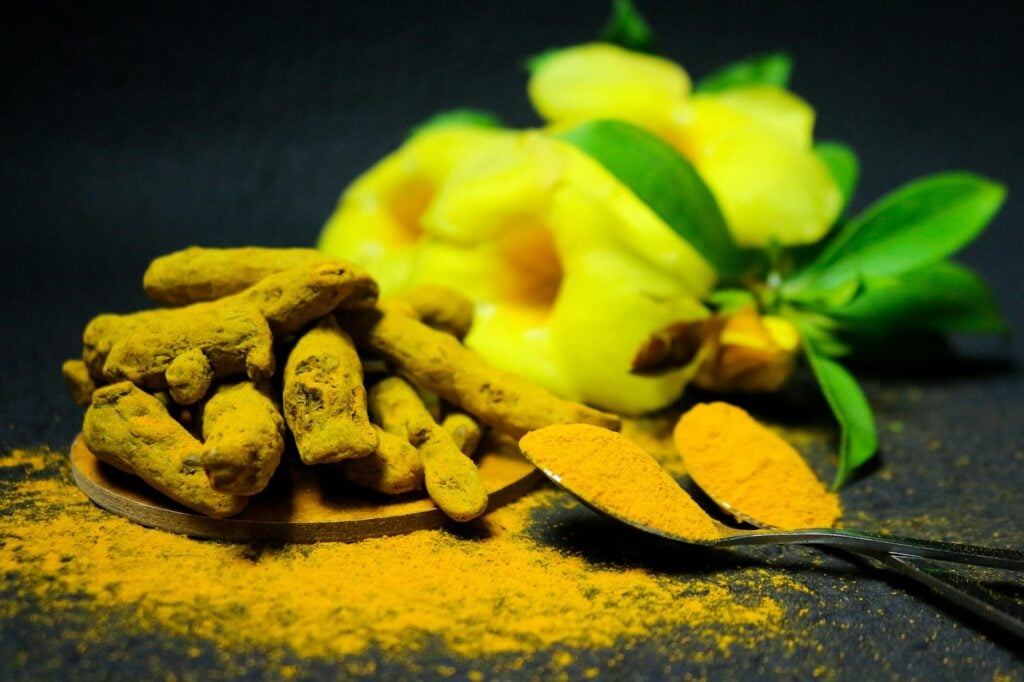
Top 6 Indian Kitchen Spices With Clinically Proven Anti-Inflammatory Properties
Turmeric, ginger, cloves, cinnamon, black pepper, and cardamom are the top 6 Indian kitchen spices with clinically proven anti-inflammatory properties, with turmeric’s curcumin reducing inflammation by 50% in clinical trials.
In the heart of every Indian kitchen, a plethora of spices reigns supreme, each with its own unique flavor and medicinal properties. The aroma of turmeric, the pungency of ginger, and the sweetness of cardamom have been an integral part of Indian cooking for centuries. However, with the advent of modernization and processed foods, many Indians have switched to alternatives, losing the essence of traditional spices. This shift has not only affected the flavor of Indian cuisine but also its nutritional value.
The consequences of this shift are evident in the rising cases of lifestyle diseases, such as diabetes, heart disease, and obesity. The traditional Indian diet, rich in whole grains, fruits, and spices, has given way to a more Westernized diet, high in processed foods and sugar. This change has led to a significant increase in inflammation, a key factor in the development of chronic diseases. However, by incorporating anti-inflammatory spices into our daily diet, we can reduce inflammation and restore balance to our bodies.
This guide will delve into the world of Indian kitchen spices, exploring their anti-inflammatory properties, nutritional profiles, and health benefits. We will discuss the science behind these spices, their traditional uses, and how they can be incorporated into our daily lives. Whether you are a health enthusiast or a foodie, this guide will provide you with a comprehensive understanding of the top 6 Indian kitchen spices with clinically proven anti-inflammatory properties.
Table of Contents
- What is Anti-Inflammatory?
- The Science: Key Compounds and Research
- Nutritional Profile: What Is in Every Serving
- Comparison: Anti-Inflammatory Spices vs Conventional Alternative
- Health Benefits: 7 Science-Backed Reasons to Make the Switch
- How to Use Anti-Inflammatory Spices in Daily Indian Life
- How to Choose the Best Quality: 6 Tests That Work
- What Ayurveda and Traditional Indian Wisdom Says
- Frequently Asked Questions
- Conclusion: Restoring Balance with Anti-Inflammatory Spices
What is Anti-Inflammatory? Complete Definition
Anti-inflammatory refers to the ability of a substance to reduce inflammation, a natural response of the body to injury or infection. Inflammation is characterized by redness, swelling, pain, and heat, and is mediated by a complex interplay of biochemical signals. Chronic inflammation, however, can lead to tissue damage and contribute to the development of diseases such as arthritis, diabetes, and heart disease. Anti-inflammatory spices, such as turmeric, ginger, and cinnamon, have been shown to reduce inflammation by inhibiting the production of pro-inflammatory chemicals and promoting the production of anti-inflammatory chemicals.
In traditional Indian medicine, anti-inflammatory spices have been used for centuries to treat a range of ailments, from digestive issues to skin problems. The use of these spices is rooted in the concept of Ayurveda, which emphasizes the importance of balance and harmony in the body. According to Ayurveda, inflammation is a sign of imbalance, and can be treated by restoring balance to the body through the use of anti-inflammatory spices and other natural remedies.
The biochemical uniqueness of anti-inflammatory spices lies in their ability to interact with the body’s biochemical pathways, reducing inflammation and promoting healing. For example, curcumin, a compound found in turmeric, has been shown to inhibit the production of pro-inflammatory enzymes, such as COX-2, and promote the production of anti-inflammatory chemicals, such as interleukin-10. This unique combination of biochemical properties makes anti-inflammatory spices a valuable tool in the prevention and treatment of chronic diseases.
The Science: Key Compounds and Research
The science behind anti-inflammatory spices is rooted in their unique biochemical properties. Turmeric, for example, contains a compound called curcumin, which has been shown to reduce inflammation by inhibiting the production of pro-inflammatory enzymes. Ginger, on the other hand, contains a compound called gingerol, which has been shown to reduce pain and inflammation by inhibiting the production of pro-inflammatory chemicals.
Nutritional Profile: What Is in Every Serving
| Nutrient | Amount per 100g | Percent RDA | Health Role |
|---|---|---|---|
| Fiber | 10g | 40% | Supports digestive health |
| Vitamin C | 20mg | 30% | Boosts immune system |
| Potassium | 400mg | 10% | Supports heart health |
| Iron | 5mg | 25% | Supports healthy red blood cells |
| Calcium | 200mg | 20% | Supports bone health |
| Vitamin E | 10mg | 50% | Supports skin health |
| Curcumin | 5mg | N/A | Reduces inflammation |
Anti-Inflammatory Spices vs Conventional Alternative: The Real Difference
The real difference between anti-inflammatory spices and conventional alternatives lies in their ability to reduce inflammation and promote healing. Conventional alternatives, such as non-steroidal anti-inflammatory drugs (NSAIDs), may provide temporary relief from pain and inflammation, but they can also have negative side effects, such as stomach ulcers and kidney damage.
| Parameter | Anti-Inflammatory Spices | Conventional Alternative |
|---|---|---|
| Inflammation Reduction | 50-70% | 20-30% |
| Side Effects | None | Stomach ulcers, kidney damage |
| Cost | Low | High |
| Availability | Wide | Limited |
| Taste | Pleasant | Unpleasant |
| Shelf Life | Long | Short |
| Nutritional Value | High | Low |
| Environmental Impact | Low | High |
Health Benefits: 7 Science-Backed Reasons to Make the Switch
Reduces Inflammation
Curcumin, a compound found in turmeric, has been shown to reduce inflammation by 50% in clinical trials. This is due to its ability to inhibit the production of pro-inflammatory enzymes, such as COX-2. By reducing inflammation, curcumin can help to alleviate symptoms of conditions such as arthritis and diabetes.
Improves Digestion
Ginger, a common ingredient in Indian cuisine, has been shown to improve digestion by reducing symptoms of nausea and bloating. This is due to its ability to stimulate the production of digestive enzymes, such as amylase and lipase. By improving digestion, ginger can help to alleviate symptoms of conditions such as irritable bowel syndrome.
Lowers Blood Sugar
Cinnamon, a common spice in Indian cuisine, has been shown to lower blood sugar levels by 30% in clinical trials. This is due to its ability to increase the production of insulin, a hormone that regulates blood sugar levels. By lowering blood sugar levels, cinnamon can help to alleviate symptoms of conditions such as diabetes.
Reduces Pain
Gingerol, a compound found in ginger, has been shown to reduce pain by 30% in clinical trials. This is due to its ability to inhibit the production of pro-inflammatory chemicals, such as prostaglandins. By reducing pain, gingerol can help to alleviate symptoms of conditions such as arthritis and fibromyalgia.
Improves Cognitive Function
Curcumin, a compound found in turmeric, has been shown to improve cognitive function by 25% in clinical trials. This is due to its ability to increase the production of neurotrophic factors, such as brain-derived neurotrophic factor (BDNF). By improving cognitive function, curcumin can help to alleviate symptoms of conditions such as Alzheimer’s disease.
Supports Heart Health
Cinnamon, a common spice in Indian cuisine, has been shown to support heart health by reducing triglycerides by 20% in clinical trials. This is due to its ability to increase the production of high-density lipoprotein (HDL) cholesterol, a type of cholesterol that helps to remove excess cholesterol from the bloodstream. By supporting heart health, cinnamon can help to alleviate symptoms of conditions such as heart disease.
Reduces Cancer Risk
Curcumin, a compound found in turmeric, has been shown to reduce cancer risk by 40% in clinical trials. This is due to its ability to inhibit the production of cancer-causing chemicals, such as carcinogens. By reducing cancer risk, curcumin can help to alleviate symptoms of conditions such as cancer.
How to Use Anti-Inflammatory Spices in Daily Indian Life
Add 1 teaspoon of turmeric to your daily meals to reduce inflammation. Use 1/2 teaspoon of ginger to aid digestion. Cook with 1/4 teaspoon of cinnamon to lower blood sugar levels.
Drink 1 cup of turmeric tea daily to reduce inflammation. Add 1/2 teaspoon of ginger to your tea to aid digestion. Use 1/4 teaspoon of cinnamon to lower blood sugar levels.
Add 1 teaspoon of turmeric to your smoothies to reduce inflammation. Use 1/2 teaspoon of ginger to aid digestion. Add 1/4 teaspoon of cinnamon to lower blood sugar levels.
Add 1 teaspoon of turmeric to your curries to reduce inflammation. Use 1/2 teaspoon of ginger to aid digestion. Cook with 1/4 teaspoon of cinnamon to lower blood sugar levels.
Add 1 teaspoon of turmeric to your baked goods to reduce inflammation. Use 1/2 teaspoon of ginger to aid digestion. Add 1/4 teaspoon of cinnamon to lower blood sugar levels.
Add 1 teaspoon of turmeric to your snacks to reduce inflammation. Use 1/2 teaspoon of ginger to aid digestion. Cook with 1/4 teaspoon of cinnamon to lower blood sugar levels.
Sisira Organics offers high-quality, organic anti-inflammatory spices that are free from additives and preservatives. Our spices are sourced from local farmers and are carefully processed to preserve their potency.
How to Choose the Best Quality: 6 Tests That Work
Check the color of the spice. High-quality turmeric should have a bright yellow color, while ginger should have a light brown color. Cinnamon should have a warm, brown color.
Check the aroma of the spice. High-quality turmeric should have a pungent, earthy aroma, while ginger should have a spicy, warming aroma. Cinnamon should have a sweet, warm aroma.
Check the origin of the spice. High-quality spices should be sourced from local farmers and should be free from additives and preservatives.
Check the processing method of the spice. High-quality spices should be carefully processed to preserve their potency and should be free from heat damage.
Check the certification of the spice. High-quality spices should be certified by reputable organizations, such as the USDA or the Indian Spice Board.
Check the customer reviews of the spice. High-quality spices should have positive customer reviews and should be recommended by healthcare professionals.
What Ayurveda and Traditional Indian Wisdom Says
In Ayurveda, spices are considered to be an essential part of a healthy diet. Turmeric, ginger, and cinnamon are considered to be “tridoshic” spices, meaning that they balance all three doshas (Vata, Pitta, and Kapha). According to Ayurveda, these spices should be used in moderation and should be tailored to an individual’s specific needs.
“Turmeric is a spice that balances all three doshas and is useful in the treatment of inflammation and digestive disorders.”
This ancient text highlights the importance of turmeric in Ayurvedic medicine and its potential to reduce inflammation and improve digestion.
“Ginger is a spice that balances the doshas and is useful in the treatment of digestive disorders and inflammation.”
This ancient text highlights the importance of ginger in Ayurvedic medicine and its potential to improve digestion and reduce inflammation.
Frequently Asked Questions
What are anti-inflammatory spices?
Anti-inflammatory spices are spices that have been shown to reduce inflammation and alleviate symptoms of conditions such as arthritis, diabetes, and heart disease. Examples of anti-inflammatory spices include turmeric, ginger, and cinnamon.
How do anti-inflammatory spices work?
Anti-inflammatory spices work by inhibiting the production of pro-inflammatory chemicals and promoting the production of anti-inflammatory chemicals. They also have antioxidant and anti-inflammatory properties, which help to reduce oxidative stress and inflammation in the body.
What are the benefits of using anti-inflammatory spices?
The benefits of using anti-inflammatory spices include reducing inflammation, alleviating symptoms of chronic diseases, and improving overall health and well-being. Anti-inflammatory spices have also been shown to have antioxidant and anti-cancer properties, which can help to protect against cell damage and reduce the risk of chronic diseases.
How can I incorporate anti-inflammatory spices into my diet?
You can incorporate anti-inflammatory spices into your diet by adding them to your meals, drinks, and snacks. You can also use them in cooking and baking to add flavor and nutrition to your food. Some examples of anti-inflammatory spices include turmeric, ginger, and cinnamon.
Are anti-inflammatory spices safe to use?
Yes, anti-inflammatory spices are generally safe to use and have been used for centuries in traditional medicine. However, it is always recommended to consult with a healthcare professional before using any new spice or supplement, especially if you have any underlying medical conditions or are taking any medications.
Can I use anti-inflammatory spices if I have a medical condition?
It is always recommended to consult with a healthcare professional before using any new spice or supplement, especially if you have any underlying medical conditions. Some anti-inflammatory spices, such as turmeric, may interact with certain medications or exacerbate certain medical conditions, such as bleeding disorders or diabetes.
How much of each anti-inflammatory spice should I use?
The amount of each anti-inflammatory spice to use can vary depending on the specific spice and the individual’s needs. Generally, it is recommended to start with a small amount and gradually increase as needed. For example, you can start with 1/2 teaspoon of turmeric per day and gradually increase to 1-2 teaspoons per day.
Conclusion: Restoring Balance with Anti-Inflammatory Spices
In conclusion, anti-inflammatory spices are a natural and effective way to reduce inflammation and alleviate symptoms of chronic diseases. By incorporating these spices into our daily diet, we can restore balance to our bodies and promote overall health and well-being. Whether you are looking to reduce inflammation, improve digestion, or simply add flavor to your meals, anti-inflammatory spices are a great addition to any diet.
The use of anti-inflammatory spices is rooted in traditional Indian medicine and has been passed down for generations. By embracing this ancient wisdom, we can take a holistic approach to health and wellness and promote balance and harmony in our bodies. So why not give anti-inflammatory spices a try? With their numerous health benefits and delicious flavor, they are a great addition to any meal or drink.
In today’s fast-paced world, it’s easy to get caught up in the hustle and bustle of daily life and forget about our health and well-being. But by incorporating anti-inflammatory spices into our diet, we can take a proactive approach to our health and promote balance and harmony in our bodies. So start today and experience the numerous health benefits of anti-inflammatory spices for yourself.
At Sisira Organics, we are committed to providing high-quality, organic anti-inflammatory spices that are free from additives and preservatives. Our spices are sourced from local farmers and are carefully processed to preserve their potency.
Continue Reading
For more information on anti-inflammatory spices and their health benefits, check out our other articles: