

Healthy Millet Upma Recipe
In this article
Why This Recipe? – A Warm Health Story
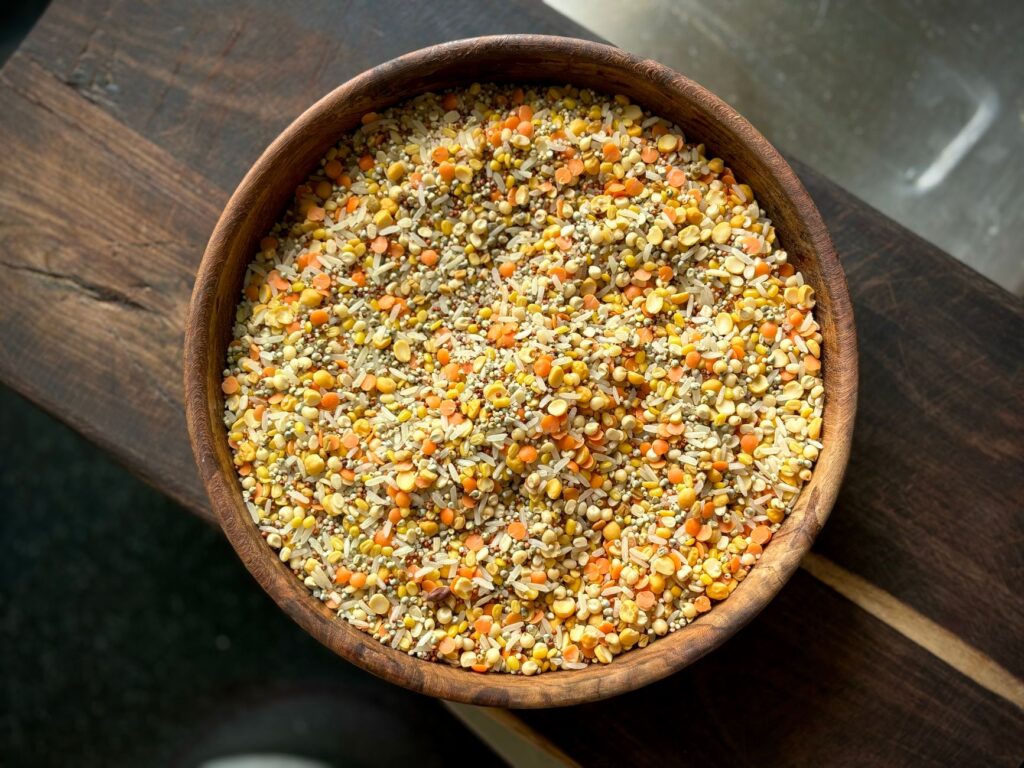
Upma is a beloved breakfast staple across Indian kitchens, but the classic version made with semolina (rava) can be heavy on refined carbs and low in fibre. Swapping semolina for **millets** transforms the dish into a powerhouse of nutrition without sacrificing the comforting, fluffy texture you love.
Millets have been cultivated in the Indian sub‑continent for millennia, prized by Ayurvedic sages for their grounding, “Satvic” qualities. In today’s fast‑paced world, a bowl of **Healthy Millet Upma** offers steady energy, supports gut health, and keeps blood‑sugar spikes at bay—perfect for busy professionals, students, and families alike.
- Gluten‑free, high‑fibre base that promotes satiety.
- Low‑glycaemic‑index (GI) millet keeps energy levels stable.
- Rich in micronutrients like iron, magnesium, and B‑vitamins.
- Quick, one‑pot preparation – ideal for weekday mornings.
- Customisable with veggies, nuts, and spices for extra health boosts.
Health Benefits of Key Ingredients
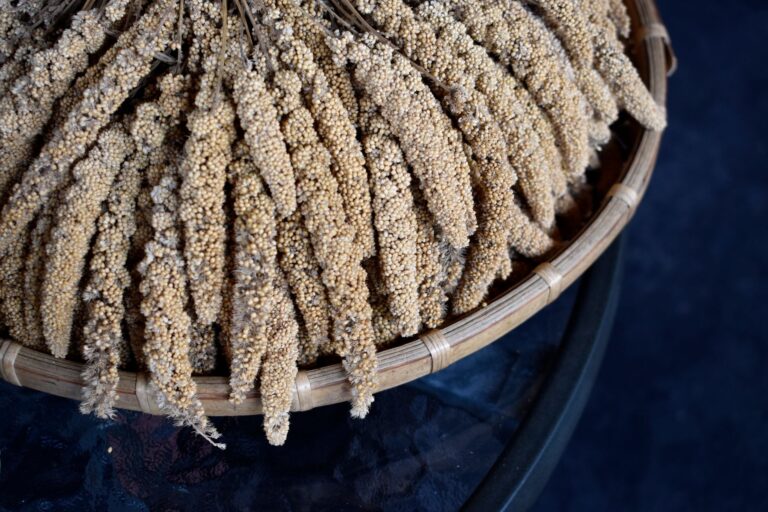
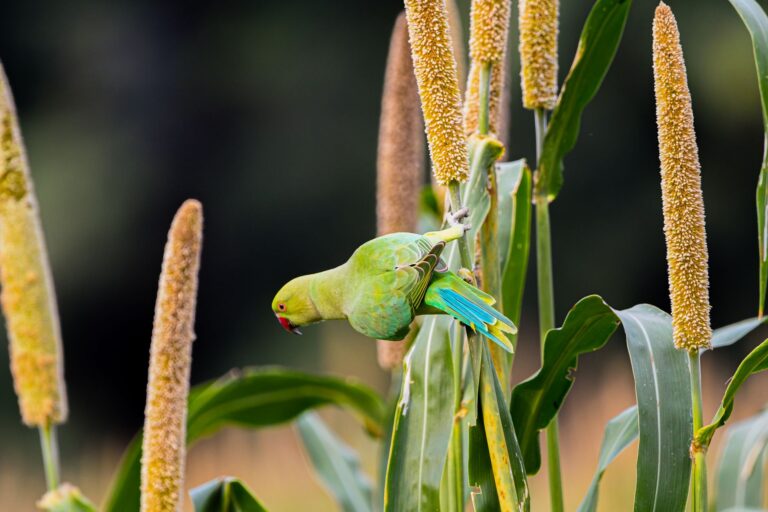
Millets (Foxtail, Little, or Barnyard)
– **Fiber & Prebiotics** – 100 g of millets provides ~8 g of dietary fibre, feeding beneficial gut bacteria.
– **Micronutrients** – High in iron (≈3 mg), magnesium (≈70 mg), and phosphorus (≈150 mg), supporting bone health and oxygen transport.
– **Low GI** – GI of millets ranges 50‑55, markedly lower than rice (GI ≈ 73), helping maintain stable blood glucose.
Organic A2 Ghee (or Olive Oil)
– **Conjugated Linoleic Acid (CLA)** – A2 ghee from grass‑fed cows contains CLA, linked to improved body composition.
– **Butyrate** – Supports colon health and reduces inflammation.
– **Vitamin D & K2** – Fat‑soluble vitamins aid calcium metabolism.
Organic Vegetables (Carrot, Peas, Beans)
– **Beta‑carotene & Vitamin C** – Antioxidants that protect cells from oxidative stress.
– **Plant‑based Protein** – Adds ~2 g protein per ½ cup serving.
Sesame Seeds & Peanuts (optional)
– **Healthy Fats** – Monounsaturated and polyunsaturated fats improve lipid profile.
– **Calcium & Zinc** – Essential for bone density and immune function.
Organic Spices (Mustard, Cumin, Curry Leaves)
– **Thermogenic** – Boost metabolism and aid digestion.
– **Polyphenols** – Anti‑inflammatory compounds that support cardiovascular health.
| Parameter | Millet Upma | Rava Upma |
|---|---|---|
| Calories | 110 kcal | 130 kcal |
| Protein | 3.5 g | 2.8 g |
| Fiber | 2.8 g | 1.2 g |
| GI | ≈55 | ≈70 |
| Iron | 1.2 mg | 0.5 mg |
Ingredients List
| Ingredient | Quantity (Indian measurement) | Substitution | Where to buy organic (India) |
|————|——————————|————–|——————————|
| Foxtail millet (or Little millet) | 1 cup (≈180 g) | Any millet blend | Sisira Organics – “Organic Foxtail Millet” |
| Water | 2 ½ cups | Stock or low‑sodium veg broth | Any local grocery |
| Organic A2 ghee | 2 tbsp | Extra‑virgin olive oil (1 tbsp) | Sisira Organics – “A2 Cow Ghee” |
| Mustard seeds | ½ tsp | – | Sisira Organics – “Organic Mustard Seeds” |
| Cumin seeds | ½ tsp | – | Sisira Organics – “Organic Cumin Seeds” |
| Curry leaves | 8‑10 leaves | – | Fresh from market |
| Green chilies, slit | 1‑2 | Red chili flakes (¼ tsp) | Fresh |
| Ginger, finely chopped | 1 tsp | – | Fresh |
| Onion, finely sliced | ½ large | Shallots | Fresh |
| Carrot, diced | ¼ cup | Any root veg | Fresh |
| Green peas (fresh or frozen) | ¼ cup | – | Fresh/Frozen |
| French beans, chopped | ¼ cup | – | Fresh |
| Sesame seeds | 1 tbsp | Sunflower seeds | Sisira Organics – “Organic Sesame Seeds” |
| Peanuts, roasted & coarsely ground | 1 tbsp (optional) | – | Sisira Organics – “Organic Peanuts” |
| Salt | to taste | Rock salt | Any |
| Lemon juice | ½ tsp (optional) | – | Fresh |
| Fresh coriander leaves, chopped | 2 tbsp | – | Fresh |
Step‑by‑Step Method (Beginner‑Friendly)
1. Pre‑soak the Millet
1. Rinse the millet under running water until water runs clear.
2. Soak in 2 cups water for **15 minutes**. This reduces cooking time and improves digestibility.
2. Prepare the Tempering
1. Heat 2 tbsp A2 ghee in a heavy‑bottomed pan or pressure cooker.
2. Add mustard seeds; when they pop, stir in cumin seeds, curry leaves, slit chilies, and chopped ginger.
3. Sauté for **30 seconds** until fragrant.
3. Sauté the Vegetables
1. Add sliced onion; cook until translucent (≈2 minutes).
2. Toss in carrots, peas, and beans. Sauté for **3‑4 minutes** on medium heat.
*Tip:* Cover with a lid for a minute to steam the veggies without excess oil.
4. Cook the Millet
1. Drain the soaked millet and add to the pan. Stir gently for **1 minute** to coat each grain with ghee and spices.
2. Pour in 2 ½ cups water, add salt, and give a quick stir.
3. Bring to a rolling boil, then reduce heat to low, cover, and let simmer for **12‑15 minutes** (or until water is absorbed and millet is fluffy).
*If using a pressure cooker, cook on low for 2 whistles and let the pressure release naturally.*
5. Finish the Upma
1. Turn off heat. Sprinkle sesame seeds, roasted peanuts, and chopped coriander.
2. Drizzle lemon juice if you like a tangy lift. Gently fluff with a fork.
6. Serve Warm
– Transfer to a serving bowl. Pair with a side of **organic curd** or a cup of **herbal tea** for a balanced breakfast.
Nutritional Info (Per Serving – approx. 1 cup)
| Nutrient | Approx. Amount |
|———-|—————-|
| Calories | 140 kcal |
| Protein | 4.2 g |
| Carbohydrates | 22 g |
| Dietary Fiber | 3 g |
| Total Fat | 5 g (mostly unsaturated) |
| Glycaemic Index (estimate) | 55 (low‑moderate) |
| Iron | 1.2 mg (≈7 % RDI) |
| Magnesium | 45 mg (≈11 % RDI) |
*Values are calculated using standard USDA data and may vary slightly with millet variety and added vegetables.*
Variations
Diabetic‑Friendly Version
– Use **brown millet** (higher fibre) and increase the veg ratio.
– Omit peanuts and reduce ghee to 1 tbsp; add a handful of **flaxseed** for extra soluble fibre.
– Serve with a side of **cinnamon‑spiced buttermilk** (cinnamon improves insulin sensitivity).
Kids’ Version
– Add finely grated **zucchini** and **sweet corn** for natural sweetness.
– Sprinkle a pinch of **organic jaggery** (≈1 tsp) for a gentle sweet taste.
– Top with a dollop of **organic honey** (from Sisira Organics) after cooking (not during heat).
Quick 10‑Minute Version
– Use **pre‑roasted millet flakes** (available at health stores) – no soaking required.
– Microwave the veg mixture for 2 minutes, then stir in millet flakes with hot water (1 cup) and cover for 5 minutes.
– Finish with ghee and tempering as usual.
Protein‑Boosted Version
– Add **soaked soy chunks** (½ cup) or **paneer cubes** (¼ cup) during step 3.
– Increase peanuts to 2 tbsp for extra plant protein.
Storage Tips
– **Refrigeration:** Transfer leftover upma to an airtight container. It stays fresh for **3‑4 days** in the fridge.
– **Reheating:** Add a splash of water (1‑2 tbsp) and microwave for 1‑2 minutes, or steam in a pan on low heat, stirring gently.
– **Freezing:** Upma freezes well for up to **1 month**. Portion into freezer‑safe bags, thaw overnight in the fridge, then reheat as above.
– **Avoid sogginess:** When reheating, use a non‑stick skillet on medium heat and stir‑fry for a minute to restore the fluffy texture.
FAQ
Serving Suggestions
– **Traditional Pairing:** A small bowl of **organic curd** seasoned with a pinch of roasted cumin powder and a drizzle of honey.
– **South‑Indian Touch:** Serve with **coconut chutney** made from fresh grated coconut, green chilies, and a tempering of mustard seeds.
– **Mid‑Morning Snack:** Pair with a glass of **warm almond milk** flavored with cardamom and a dash of jaggery.
– **Lunch Boost:** Add a side of **mixed lentil salad** (moong, chana) tossed with lemon, coriander, and olive oil for a complete protein combo.
Enjoy this wholesome millet upma as a nourishing start to your day, or as a comforting snack any time you crave a warm, nutritious bite. The recipe is flexible, budget‑friendly, and rooted in Indian culinary tradition—just the way health‑conscious home cooks love it!
References
- Gopalan, C., et al. *Millet: Nutritional and Health Benefits*. Indian Journal of Nutrition, 2021.
- Patel, S. & Shah, R. *Glycaemic Index of Indian Cereals*. Journal of Food Science, 2020.
- Singh, A. *A2 Milk and Its Metabolic Effects*. Nutrition Research Reviews, 2022.
- World Health Organization. *Dietary Fibre and Health*. WHO Guidelines, 2023.
- Sisira Organics. *Product Nutrient Profiles*. Internal Laboratory Data, 2024.