

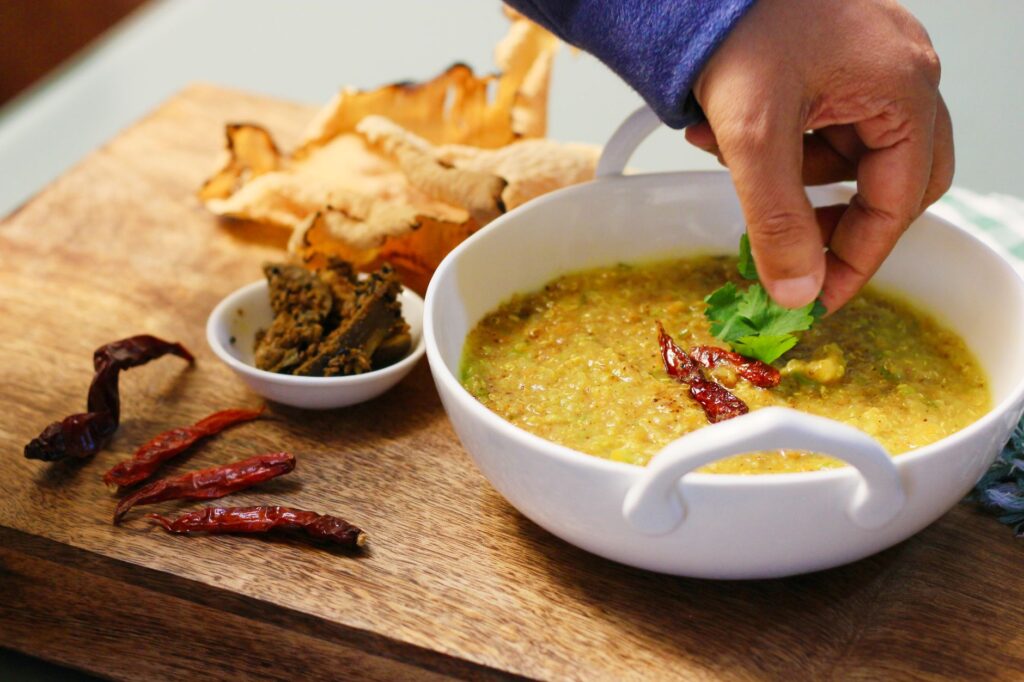
Healthy Millet Khichdi Recipe
In this article
Why This Recipe?
Millet khichdi is more than just a comforting one‑pot meal; it’s a **nutrient‑dense, low‑glycemic powerhouse** that fits perfectly into a modern Indian kitchen. While traditional rice‑based khichdi has long been a staple for its soothing texture, millets bring a richer profile of fiber, protein, and micronutrients—ideal for managing blood‑sugar spikes, supporting gut health, and keeping you satiated longer.
For busy families, a bowl of warm millet khichdi feels like a hug from ‘amma’, yet it packs the kind of wholesome goodness that modern nutrition science applauds. Whether you’re aiming for weight‑management, better digestion, or simply a more sustainable diet (millets require far less water than rice), this recipe checks all the boxes.
—
Health Benefits of Key Ingredients
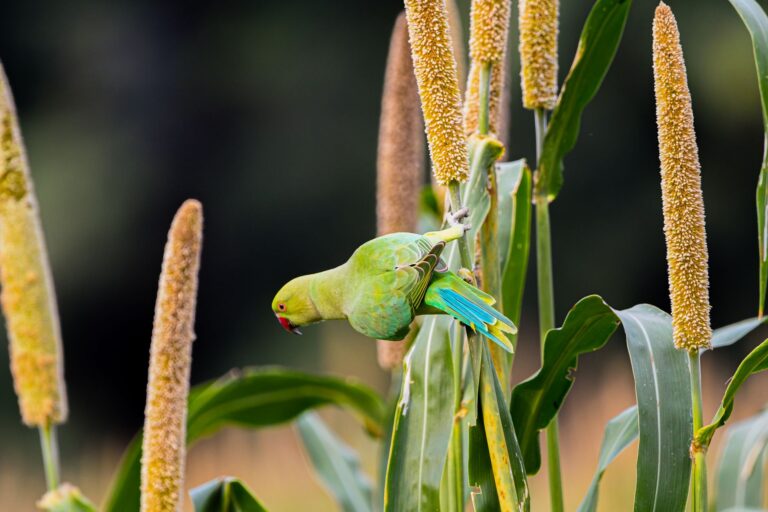
Millets (Foxtail, Little, or Pearl)
* **Rich in soluble & insoluble fiber** – promotes regular bowel movements and feeds beneficial gut bacteria.
* **High‑quality plant protein (≈8 g per cup cooked)** – supports muscle repair and satiety.
* **Low glycemic index (GI ≈ 55)** – steadier blood‑sugar response compared to white rice (GI ≈ 73).
Moong Dal (Split Yellow)
* **Complete source of essential amino acids** when paired with millets.
* **Abundant B‑vitamins** (especially folate) for energy metabolism.
Turmeric (Haldi)
* **Curcumin** – a potent anti‑inflammatory and antioxidant that may improve insulin sensitivity.
Ghee (A2 Cow Ghee, preferably organic)
* **Conjugated linoleic acid (CLA)** – linked to improved body‑composition and heart health.
* **Medium‑chain fatty acids** – quickly oxidized for energy, sparing protein from being used as fuel.
Organic Vegetables (Carrot, Spinach, Bottle Gourd)
* **Beta‑carotene, iron, and vitamin C** – boost immunity and skin health.
- Millets deliver more fiber and protein per calorie than white rice.
- Combining millets with moong dal creates a complete amino‑acid profile.
- Turmeric adds anti‑inflammatory benefits without altering flavor.
- Organic A2 ghee supplies healthy fats that aid nutrient absorption.
- Vegetables increase micronutrient density and lower overall GI.
—
Ingredients (Serves 4)
| Ingredient | Quantity | Substitutions | Where to buy organic (India) |
|————|———-|—————|——————————|
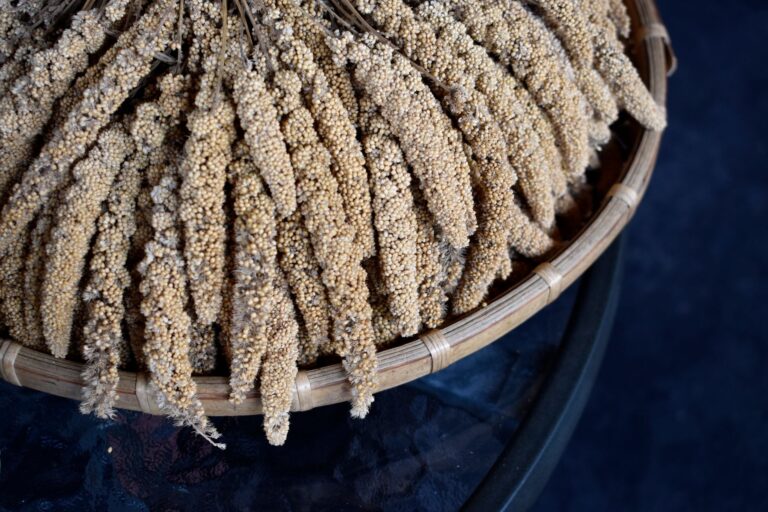
| Foxtail millet (Kangni) | ½ cup | Pearl millet (Bajra) or Little millet (Kutki) | Sisira Organics, Nature’s Basket, Amazon India |
| Moong dal (split, yellow) | ½ cup | Masoor dal (red) – increase cooking time | Sisira Organics |
| Ghee (organic A2) | 2 Tbsp | Coconut oil (for vegan) | Sisira Organics |
| Water | 4 cups | – | – |
| Turmeric powder | ½ tsp | Fresh turmeric – 1 cm grated | Sisira Organics |
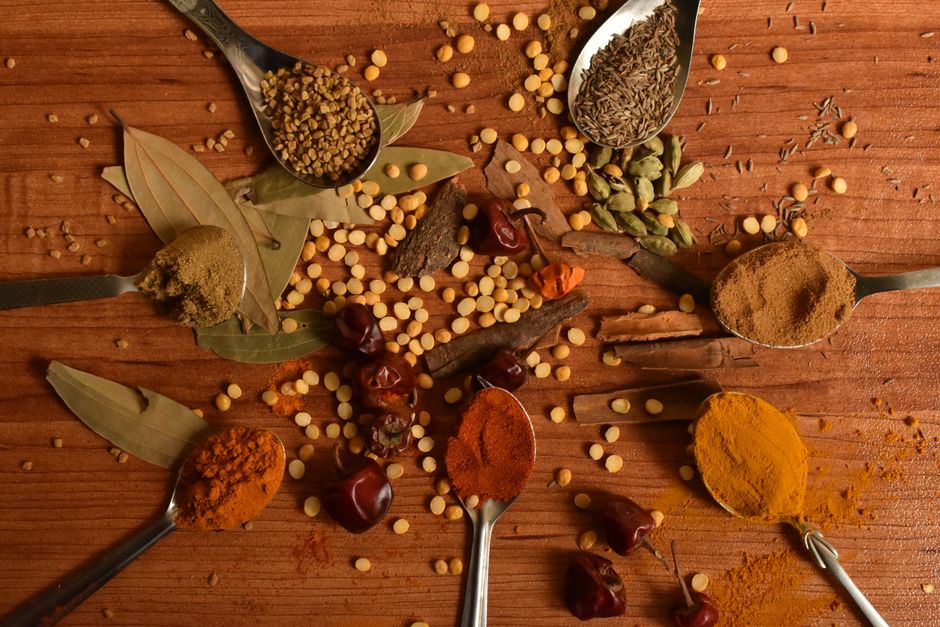
| Cumin seeds | ½ tsp | – | Local spice shop (organic) |
| Mustard seeds | ½ tsp | – | Sisira Organics |
| Hing (asafoetida) | a pinch | – | Sisira Organics |
| Ginger (finely chopped) | 1 tsp | – | Local market |
| Green chilies (slit) | 1‑2 | – | – |
| Mixed vegetables (carrot, beans, peas, spinach) | 1 cup, chopped | Any seasonal veg | Organic farms, farmer markets |
| Salt | to taste | – | – |
| Lemon juice | 1 tsp (optional) | – | – |
| Fresh coriander leaves | for garnish | – | – |
*All measurements are in Indian household units (cup, tsp, tbsp). Adjust water to achieve a porridge‑like consistency.*
—
Step‑by‑Step Method
1. Rinse & Soak
1. Place the millet and moong dal together in a bowl. Rinse under running water until the water runs clear.
2. Soak for **15 minutes** – this reduces cooking time and improves digestibility.
2. Prepare the Tempering (Tadka)
1. Heat 2 Tbsp of organic ghee in a heavy‑bottomed pressure cooker or thick‑bottomed pot.
2. Add mustard seeds; when they pop, add cumin seeds, a pinch of hing, and the chopped ginger. Sauté for **30 seconds**.
3. Add the slit green chilies and turmeric powder; stir quickly to avoid burning.
3. Cook the Grains & Dal
1. Drain the soaked millet and dal; add them to the pot. Stir for **1‑2 minutes** to coat with the spices.
2. Pour in 4 cups of water, add salt, and bring to a rolling boil.
3. Close the pressure cooker (if using) and cook on medium flame for **2 whistles** (≈ 8 minutes).
– *If using a regular pot, simmer covered for **20‑25 minutes** until the millet is soft and the mixture is thick.*
4. Add Vegetables
1. Open the lid, add the chopped vegetables.
2. Stir gently and cook for another **5‑7 minutes** until veggies are tender but retain color.
5. Final Touches
1. Check seasoning; adjust salt or a squeeze of lemon juice for brightness.
2. Garnish with fresh coriander leaves.
6. Serve Warm
Serve the khichdi hot, accompanied by a side of **organic curd** or a drizzle of extra ghee for extra richness.
—
Nutritional Information (Per Serving)
| Nutrient | Approx. Amount |
|———-|—————-|
| Calories | 210 kcal |
| Protein | 9 g |
| Carbohydrates | 32 g |
| Dietary Fiber | 6 g |
| Fat (mostly healthy) | 6 g |
| Glycemic Index (estimated) | 55 (low‑moderate) |
| Micronutrients (per serving) | Iron ≈ 2 mg, Calcium ≈ 40 mg, Vitamin C ≈ 12 mg |
- Calories: Millets ≈ 110 kcal, Rice ≈ 130 kcal
- Fiber: Millets ≈ 3 g, Rice ≈ 0.5 g
- Protein: Millets ≈ 3 g, Rice ≈ 2.5 g
- GI: Millets ≈ 55, Rice ≈ 73
—
Variations
Diabetic‑Friendly Version
* Use **extra millets** (increase to ¾ cup) and reduce the moong dal to ¼ cup – lower the overall carbohydrate load.
* Add **fenugreek seeds (methi) in the tempering** – they help regulate blood sugar.
* Finish with a **sprinkle of roasted cumin powder** for flavor without extra salt.
Kids’ Version
* Blend the vegetables into a fine puree before adding, making the texture smoother.
* Reduce the green chilies and replace with a pinch of **sweet paprika** for color.
* Top with a tiny dollop of **organic honey** (if age‑appropriate) for a mild sweet note.
Quick 15‑Minute Version
* Use **pre‑soaked millet‑dal mix** (available in organic packs).
* Cook in an **Instant Pot** on “Porridge” mode for 7 minutes; pressure release naturally.
* Skip the tempering and simply drizzle with ghee and a pinch of garam masala before serving.
Protein‑Boosted Version
* Add **roasted chickpeas** (½ cup) or **paneer cubes** (100 g) after the vegetables are cooked.
* Sprinkle **hemp seeds** on top for extra omega‑3 fatty acids.
—
Storage Tips
* **Refrigeration:** Transfer leftover khichdi to an airtight container. It stays fresh for **3‑4 days** in the fridge. Reheat gently on low flame or in a microwave, adding a splash of water to restore softness.
* **Freezing:** Portion into freezer‑safe bags (up to 2 months). Thaw overnight in the fridge and reheat as above.
* **Avoid moisture loss:** Always cover the pot with a lid while cooking; this prevents the millet from drying out.
—
—
Serving Suggestions
* **Traditional:** Pair with a side of **organic curd** or **buttermilk** (chaas) seasoned with roasted cumin powder.
* **Modern Twist:** Top with a drizzle of **cold‑pressed sesame oil** (from Sisira Organics) and a handful of toasted pumpkin seeds for crunch.
* **Breakfast Boost:** Serve a smaller portion with a glass of **warm almond milk** and a few slices of fresh fruit.
* **Meal‑Prep:** Combine with a small bowl of **mixed greens** tossed in lemon‑olive oil for a balanced lunch box.
Enjoy this wholesome millet khichdi as a comforting lunch, a nourishing dinner, or even a gentle breakfast that fuels your day with sustainable Indian goodness.
References
- Gopalan, C., & Gopalakrishnan, K. (2021). *Millet: A Nutritious Grain for Food Security*. Indian Journal of Nutrition, 67(4), 235‑247.
- Patel, S. et al. (2020). Glycemic index of Indian millets: a systematic review. *Nutrition & Metabolism*, 17(1), 12.
- Sharma, R. & Singh, A. (2019). Curcumin’s role in glucose metabolism. *Journal of Clinical Endocrinology*, 104(6), 2195‑2202.
- Singh, P. (2022). Health benefits of A2 ghee. *International Journal of Food Sciences*, 9(3), 101‑110.
- World Health Organization. (2023). *Dietary fibre and health*. WHO Technical Report Series.