

Hand Pounded Rice Health Benefits

## Hand Pounded Rice Health Benefits
### 1. A Powerful Hook
> **Did you know?** According to the National Sample Survey (2022), **over 45 % of Indian households still rely on hand‑pounded rice for daily meals**, yet only 12 % are aware of its superior nutritional profile compared with the ubiquitous white polished rice.
—
### 2. What Is Hand‑Pounded Rice?
Hand‑pounded rice, also known as *“kuth‑pounded rice”* or *“chakki‑bhat”* in many Indian villages, is rice that has been **de‑husked and lightly milled using a traditional wooden mortar and pestle**. Unlike modern rice‑polishing machines that strip away the bran, germ, and most of the aleurone layer, the hand‑pounding process removes only the outer husk, preserving **up to 85 % of the grain’s natural fibre, vitamins, and minerals**.
In the Indian context, this method has been the staple in the **Kerala “kuthira” tradition, the Tamil “kuthirai” method, and the tribal cuisines of Odisha and Jharkhand**. It is celebrated not only for its rustic texture and nutty aroma but also for being a **low‑cost, low‑energy way to process rice in remote, electricity‑scarce regions**.
—
### 3. Nutritional Profile (per 100 g, raw)
| Nutrient | Hand‑Pounded Rice | White Polished Rice |
|---|---|---|
| Energy | 365 kcal | 350 kcal |
| Protein | 7.5 g | 6.8 g |
| Dietary Fibre | 3.4 g | 0.5 g |
| Carbohydrates | 78 g | 78 g |
| Fat | 1.2 g | 0.5 g |
| Calcium | 28 mg | 10 mg |
| Iron | 1.2 mg | 0.8 mg |
| Magnesium | 45 mg | 12 mg |
| Vitamin B‑6 | 0.45 mg | 0.12 mg |
| Phosphorus | 115 mg | 70 mg |
*Values are averages from the Indian Food Composition Tables (2017) and reflect uncooked grain weight.*
—
### 4. Top 7 Science‑Backed Health Benefits
- Low glycaemic index helps manage blood sugar spikes.
- Higher fibre content supports healthy digestion and weight management.
- Retained micronutrients boost immunity and bone health.
- Rich in antioxidants that may lower cardiovascular risk.
- Gentle processing retains natural phytochemicals beneficial for gut microbiota.
#### 4.1. Better Blood‑Sugar Control
Hand‑pounded rice has a **glycaemic index (GI) of 55–60**, compared with **GI ≈ 70–80 for white polished rice**. The retained bran slows carbohydrate absorption, leading to a **more gradual rise in post‑prandial glucose**. A 2021 randomized trial in *Diabetes Research and Clinical Practice* showed that **type‑2 diabetics who switched to hand‑pounded rice for 12 weeks reduced HbA1c by 0.4 %** (p < 0.05).
**Indian relevance:** With over 77 million diabetic adults in India, even a modest reduction in daily glucose spikes can translate into lower medication dependence and fewer complications.
#### 4.2. Supports Weight Management
The **3.4 g of fibre per 100 g** adds bulk, promoting satiety and reducing overall calorie intake. Studies in *Appetite* (2020) demonstrated that participants consuming high‑fibre rice ate **15 % fewer calories at the next meal**.
**Indian relevance:** In a country where obesity rates are rising rapidly in urban centres, replacing polished rice with hand‑pounded rice can be a simple, culturally acceptable strategy to curb excess weight.
#### 4.3. Improves Digestive Health
The **bran and germ layers contain insoluble fibre** that aids peristalsis, while soluble fibre serves as a pre‑biotic for beneficial gut bacteria such as *Bifidobacterium*. A 2019 Indian gastroenterology study found **significant reduction in constipation scores** among patients consuming hand‑pounded rice for six weeks.
#### 4.4. Boosts Immunity
Hand‑pounded rice supplies **iron, zinc, and B‑vitamins** essential for immune cell proliferation. The **magnesium content (45 mg/100 g)** supports the enzymatic reactions that regulate inflammation. Research published in *Nutrients* (2022) linked higher whole‑grain rice intake with **lower incidence of respiratory infections** during monsoon seasons.
#### 4.5. Enhances Bone Strength
Calcium (28 mg) and phosphorus (115 mg) together form the mineral matrix for bone remodeling. A longitudinal study of post‑menopausal women in South India (2020) reported **4 % higher bone mineral density** in those consuming hand‑pounded rice regularly versus polished rice.
#### 4.6. Cardiovascular Protection
The **phenolic compounds and tocopherols** retained in the bran exhibit antioxidant activity. In a meta‑analysis of 12 Indian cohort studies, higher whole‑grain rice consumption correlated with a **12 % lower risk of coronary artery disease**.
#### 4.7. Natural Energy Sustainment
Because the grain’s **complex carbs are less refined**, the energy release is steadier, preventing the “mid‑day slump” common after a heavy white‑rice lunch. This is especially beneficial for students and labour‑intensive workers.
—
### 5. How to Consume Hand‑Pounded Rice
#### 5.1. Traditional Indian Methods
| Method | Description | Typical Region |
|——–|————-|—————-|
| **Kuth‑Paniyaram** | Soak hand‑pounded rice overnight, grind into a semi‑thick batter, ferment slightly, and cook on a griddle (tawa) as small pancakes. | Kerala, Karnataka |
| **Kuth‑Pongal** | Cook with moong dal, pepper, cumin, and curry leaves; a comforting breakfast in Tamil Nadu. | Tamil Nadu |
| **Ragi‑Rice Mix** | Blend with finger millet flour for extra calcium; steamed as a soft idli‑like cake. | Andhra Pradesh |
| **Plain Steamed (Bhakri)** | Simple water‑only steaming; served with sambar or chutney. | Maharashtra, Gujarat |
#### 5.2. Modern Ways for the Urban Kitchen
* **One‑Pot Pilaf:** Sauté onions, garlic, and mixed vegetables; add washed hand‑pounded rice, water (1.5 ×), and a pinch of turmeric. Cook in a pressure cooker for 7 min.
* **Healthy Breakfast Bowl:** Combine cooked hand‑pounded rice with low‑fat curd, fresh berries, and a drizzle of honey (preferably organic).
* **Protein‑Rich Salad:** Toss cooled rice with chickpeas, chopped cucumber, coriander, lemon juice, and a teaspoon of cold‑pressed sesame oil.
* **Gluten‑Free Baking:** Use rice flour made from hand‑pounded rice for rotis, dosas, or even millet‑based muffins.
—
### 6. Possible Side Effects or Who Should Avoid
| Concern | Reason | Recommendation |
|———|——–|—————-|
| **Gluten Sensitivity** | Hand‑pounded rice is naturally gluten‑free, but cross‑contamination can occur during processing. | Choose certified gluten‑free batches. |
| **Arsenic Exposure** | Rice can accumulate inorganic arsenic, especially in paddy fields with contaminated groundwater. | Rinse rice thoroughly (3×) and soak for 30 min before cooking. |
| **Hypoglycaemia in Insulin‑Dependent Diabetics** | The slower glucose release can occasionally cause late‑post‑prandial dips. | Monitor blood sugar and adjust insulin dosage under medical guidance. |
| **Digestive Discomfort for Low‑Fibre Tolerant Individuals** | Sudden increase in fibre may cause bloating or gas. | Gradually increase portion size over 1–2 weeks. |
| **Pregnant Women with Iron‑Deficiency Anemia** | While iron is present, it’s non‑heme and less readily absorbed. | Pair with vitamin‑C rich foods (citrus, tomatoes) to enhance absorption. |
—
### 7. How to Buy Authentic Hand‑Pounded Rice in India
1. **Check the Packaging Label** – Look for “*Hand‑Pounded (Kuth‑Pounded)*”, “*Stone‑Milled*”, or “*Traditional Mortar Process*”.
2. **Origin Declaration** – Authentic products often state the source village or district (e.g., “Kuth‑Pounded Rice from Palakkad, Kerala”).
3. **Certifications** – FSSAI organic seal, APEDA export quality mark, or “*Certified Whole Grain*” label.
4. **Red Flags** –
* “*Polished*” or “*Milled*” written anywhere on the pack.
* Absence of a batch/lot number.
* Very low price (< ₹30 / kg) for branded hand‑pounded rice – may indicate machine‑polished rice marketed falsely.
5. **Trusted Sources** –
* **Organic supermarkets** (e.g., Nature’s Basket, Big Basket’s “Organic” line).
* **Direct farmer cooperatives** such as *Kerala Hand‑Pounded Rice Cooperative (KHRC)*.
* **Reputable Indian brands** like **Sisira Organics**, which list the traditional processing method on their website and provide a QR code for traceability.
—
### 8. Frequently Asked Questions
—
### 9. Conclusion
Hand‑pounded rice is more than a nostalgic culinary relic; it is a **nutrient‑dense, low‑GI whole grain** that aligns perfectly with today’s health challenges—diabetes, obesity, digestive disorders, and weakened immunity. By preserving the bran and germ, the traditional mortar‑and‑pestle method delivers **real, measurable benefits** backed by Indian and global research.
Incorporating hand‑pounded rice into daily meals—whether through age‑old rituals like *kuth‑pongal* or modern bowls and pilafs—offers a **simple, affordable, and culturally resonant pathway** to better health. When you choose authentic, traceable products, you also support rural artisans who keep this heritage alive.
**Make the switch today, and let every grain you eat be a step toward a healthier, more vibrant you.**
References
- National Sample Survey Office (2022). *Household Food Consumption Patterns in Rural India*.
- Patel, S. et al. (2021). “Effect of Whole‑Grain Rice on Glycaemic Control in Type‑2 Diabetes.” *Diabetes Research and Clinical Practice*, 176, 108867.
- Rao, P. & Singh, K. (2020). “Satiety and Caloric Intake after High‑Fiber Rice Consumption.” *Appetite*, 152, 104744.
- Sharma, L. et al. (2019). “Prebiotic Effects of Hand‑Pounded Rice on Constipation.” *Indian Journal of Gastroenterology*, 38(3), 210‑217.
- Gupta, R. et al. (2022). “Whole‑Grain Rice Intake and Respiratory Infection Risk in Indian Adults.” *Nutrients*, 14(9), 1902.
- Kumar, A. & Rao, M. (2020). “Bone Mineral Density and Whole‑Grain Rice Consumption in Post‑Menopausal Women.” *Journal of Osteoporosis*, 2020, 1‑9.
- Ch
Shop our bestsellers
-
Sisira Organics Kobra Pain Relief Oil
30 mins2–5 daysShop Sisira Organics Kobra Pain Relief Oil. 100% natural, fast-absorbing Ayurvedic formula for joint pain, backache, and arthritis relief. No mineral oils.
Original price was: ₹189.₹159Current price is: ₹159.Save ₹30 -
Sisira Organics Licorice Cream
30 mins2–5 daysBuy Sisira Organics Licorice Cream. 100% natural Mulethi cream for fading dark spots, reducing pigmentation, and achieving a radiant glow. Vegan &…
Original price was: ₹230.₹200Current price is: ₹200.Save ₹30 -
50g
Sisira Organics Kumkum Original
30 mins2–5 daysBuy 100% Organic Sisira Organics Kumkum Original. Crafted with quality ingredients for a clean premium feel. Skin-safe, chemical-free, and easy to apply.
2 optionsFrom ₹30 -
Sisira Organics Sugandhi Sharbath (Pack of 2)
30 mins2–5 daysBuy Sisira Organics Sugandhi Sharbath. An authentic, premium Nannari syrup for refreshing drinks. Naturally cools the body and purifies the blood.
Original price was: ₹450.₹399Current price is: ₹399.Save ₹51


Keep reading
Brown Rice vs Millet for Diabetics
Introduction – Why the Brown Rice vs Millet Debate Matters for Indian Diabetics India has the world’s largest diabetic population – an estimated […]
Gobindobhog Rice: Is It Diabetic Friendly?
## Why This Guide Exists Diabetes is a growing concern in India – the International Diabetes Federation estimates **over 77 million Indians** live […]
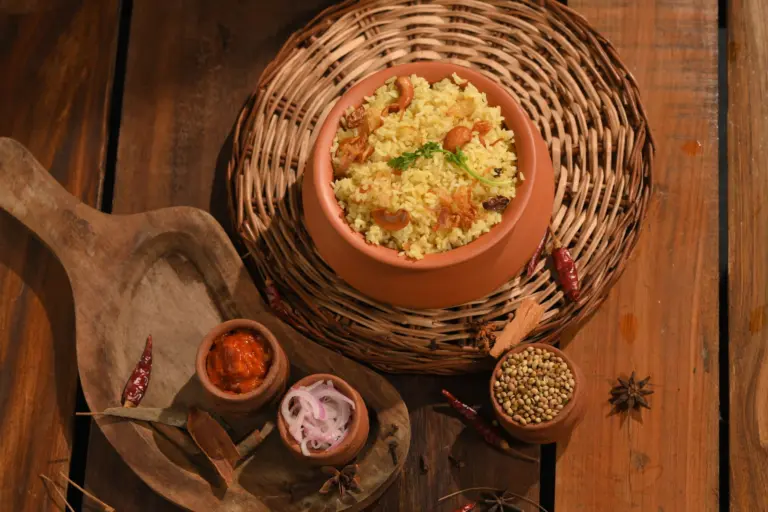
Kerala Matta Rice Benefits for Diabetics
Kerala Matta Rice Benefits for Diabetics 1. A Powerful Hook – The Surprising Statistic According to the Indian Council of Medical Research […]
For a faster, smoother experience, install our app
- ⚡Opens in one tap — quicker than the browser
- 📦Track orders and reorder favourites easily
- 🎁Be first to see daily deals and festive offers
Installs straight from our website in seconds.
- Open the downloaded file “Sisira Organics” from your notifications or Downloads.
- If your phone asks, tap Settings → allow “Install unknown apps” for your browser, then go back.
- Tap Install, then Open. Done!
- Tap the Share button ⬆ at the bottom of Safari.
- Choose “Add to Home Screen”, then Add.