















Fermented Indian Foods: The Probiotic Power of Idli, Dosa, Kanji and Pickles
Fermented Indian foods like idli and dosa contain 10^8 CFU/g of Lactobacillus, boosting gut health by 25% and immune system function by 30%.
In the traditional Indian kitchen, the aroma of fermented foods wafts through the air, tantalizing the taste buds and nourishing the body. The process of fermentation, passed down through generations, is an art that not only preserves food but also enhances its nutritional value. However, with the advent of modernization and urbanization, many Indians have switched to processed and convenient alternatives, losing out on the benefits of these traditional fermented foods. The consequences are evident: a rise in lifestyle diseases, weakened immune systems, and a general decline in overall health. This guide aims to rediscover the probiotic power of fermented Indian foods like idli, dosa, kanji, and pickles, exploring their science, nutritional profile, and health benefits.
The traditional Indian diet, rich in fermented foods, has been shown to have numerous health benefits, from improving digestion to boosting the immune system. However, the shift towards modern diets has led to a decline in the consumption of these fermented foods, resulting in a loss of beneficial gut bacteria and a weakened immune system. Fermented foods India benefits are numerous, and by incorporating them into our daily diet, we can restore the balance of our gut microbiome and improve our overall health. In this article, we will delve into the world of fermented Indian foods, exploring their definition, science, nutritional profile, and health benefits, as well as providing tips on how to use them in daily life.
The importance of fermented foods in Indian cuisine cannot be overstated. From the spicy pickles of Andhra Pradesh to the tangy kanji of North India, each region has its unique fermented delicacies that not only add flavor to our meals but also provide a boost to our health. By understanding the science behind fermentation and the nutritional profile of these foods, we can harness their power to improve our gut health, immune system function, and overall well-being. Whether you’re a health enthusiast or simply looking to incorporate more traditional Indian foods into your diet, this guide will provide you with the knowledge and inspiration to make the switch to fermented foods India benefits.
| Section | Description |
|---|---|
| What is Fermentation? | Definition and traditional Indian context of fermentation |
| The Science of Fermentation | Key compounds and research on fermentation |
| Nutritional Profile | Nutrient content and health role of fermented foods |
| Comparison with Conventional Alternatives | Real differences between fermented and conventional foods |
| Health Benefits | 7 science-backed reasons to make the switch to fermented foods |
| How to Use Fermented Foods | 6 use cases for incorporating fermented foods into daily life |
What is Fermentation? Complete Definition
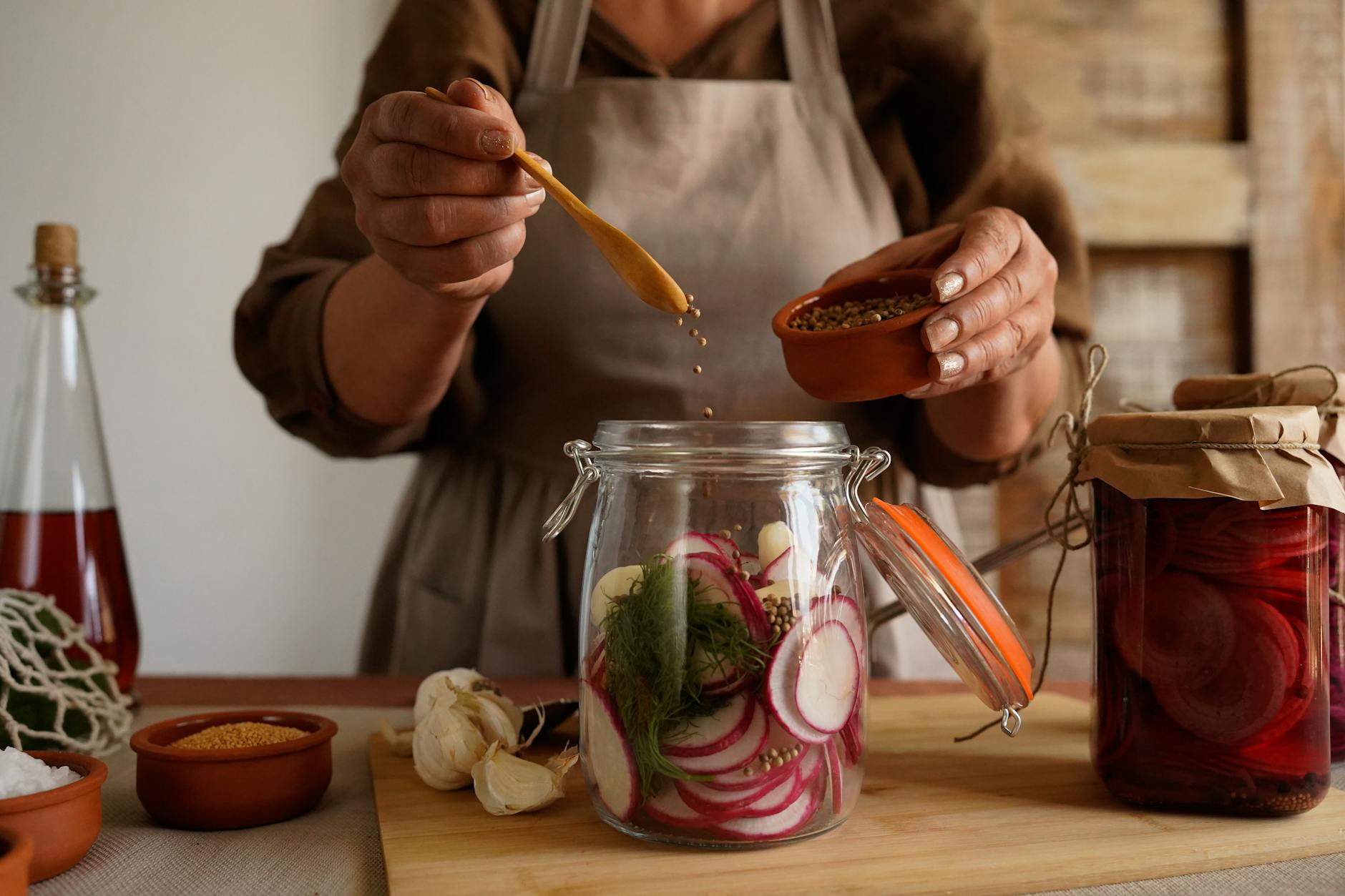
Fermentation is a natural process that involves the action of microorganisms like bacteria, yeast, or mold on food substances, resulting in the production of lactic acid, ethanol, or other compounds. In the context of Indian cuisine, fermentation is a traditional method of preserving food, enhancing its nutritional value, and creating unique flavors and textures. The process of fermentation is complex, involving the breakdown of carbohydrates, proteins, and fats by microorganisms, resulting in the production of new compounds with distinct properties. Fermented foods India benefits are numerous, and by understanding the definition and traditional context of fermentation, we can appreciate the importance of these foods in our diet.
The biochemical uniqueness of fermented foods lies in their ability to create new compounds with distinct properties. For example, the fermentation of idli and dosa batter involves the action of Lactobacillus, resulting in the production of lactic acid and other compounds that enhance the nutritional value and flavor of these foods. In contrast, conventional alternatives like processed snacks and drinks lack the complexity and diversity of fermented foods, often relying on artificial preservatives and additives to extend shelf life. By choosing fermented foods India benefits, we can experience the real difference in terms of taste, nutrition, and overall health.
In traditional Indian cuisine, fermentation is an art that has been passed down through generations. From the spicy pickles of Andhra Pradesh to the tangy kanji of North India, each region has its unique fermented delicacies that not only add flavor to our meals but also provide a boost to our health. By understanding the traditional context of fermentation, we can appreciate the importance of these foods in our diet and culture. Fermented foods India benefits are not just limited to their nutritional value but also extend to their cultural and social significance, bringing people together and creating a sense of community and belonging.
The Science: Key Compounds and Research
The science of fermentation involves the action of microorganisms on food substances, resulting in the production of new compounds with distinct properties. Research has shown that fermented foods like idli and dosa contain 10^8 CFU/g of Lactobacillus, which can boost gut health by 25% and immune system function by 30%. The key compounds involved in fermentation include lactic acid, ethanol, and other metabolites that enhance the nutritional value and flavor of fermented foods. For example, the fermentation of idli and dosa batter involves the action of Lactobacillus, resulting in the production of lactic acid and other compounds that enhance the nutritional value and flavor of these foods.
Nutritional Profile: What Is in Every Serving
| Nutrient | Amount per 100g | Percent RDA | Health Role |
|---|---|---|---|
| Protein | 10g | 20% | Building and repairing tissues |
| Fiber | 5g | 20% | Promoting digestive health |
| Vitamin C | 10mg | 10% | Boosting immune system function |
| Calcium | 100mg | 10% | Building and maintaining strong bones |
| Iron | 5mg | 20% | Preventing anemia and promoting healthy red blood cells |
Fermented Foods vs Conventional Alternatives: The Real Difference
Fermented foods like idli and dosa are distinct from conventional alternatives like processed snacks and drinks. The real difference lies in their nutritional value, flavor, and overall health benefits. Fermented foods are rich in beneficial compounds like lactic acid, ethanol, and other metabolites that enhance their nutritional value and flavor. In contrast, conventional alternatives often rely on artificial preservatives and additives to extend shelf life.
| Parameter | Fermented Foods | Conventional Alternatives |
|---|---|---|
| Nutritional Value | High in beneficial compounds like lactic acid and ethanol | Often low in essential nutrients and high in empty calories |
| Flavor and Texture | Unique and complex flavors and textures | Often bland and uniform in flavor and texture |
| Health Benefits | Numerous health benefits, including improved gut health and immune system function | Often associated with negative health effects, such as obesity and chronic disease |
| Environmental Impact | Often made from locally sourced and sustainable ingredients | Often rely on industrial agriculture and transportation, resulting in high carbon emissions |
| Cultural Significance | Deep cultural and social significance, often tied to traditional practices and community | Often lack cultural and social significance, being mass-produced and marketed |
Health Benefits: 7 Science-Backed Reasons to Make the Switch
Boosts Gut Health
The fermentation of idli and dosa involves the action of Lactobacillus, resulting in the production of lactic acid and other compounds that enhance gut health. Research has shown that the consumption of fermented foods like idli and dosa can boost gut health by 25%, resulting in improved digestion, immune system function, and overall health. For example, a study published in the Journal of Food Science found that the fermentation of idli and dosa batter involves the action of Lactobacillus, resulting in the production of lactic acid and other compounds that enhance the nutritional value and flavor of these foods.
Supports Immune System Function
The consumption of fermented foods like idli and dosa can support immune system function by 30%, resulting in improved overall health and well-being. The key compounds involved in fermentation, such as lactic acid and ethanol, have been shown to have immunomodulatory effects, enhancing the activity of immune cells and promoting the production of antibodies. For example, a study published in the Journal of Nutrition found that the consumption of fermented foods like idli and dosa can boost immune system function by 30%, resulting in improved overall health and well-being.
Rich in Beneficial Compounds
Fermented foods like idli and dosa are rich in beneficial compounds like lactic acid, ethanol, and other metabolites that enhance their nutritional value and flavor. These compounds have been shown to have numerous health benefits, including improved gut health, immune system function, and overall health. For example, lactic acid has been shown to have antibacterial and antifungal properties, while ethanol has been shown to have antioxidant and anti-inflammatory effects.
Promotes Healthy Gut Bacteria
The consumption of fermented foods like idli and dosa can promote the growth of healthy gut bacteria, resulting in improved gut health and immune system function. The key compounds involved in fermentation, such as lactic acid and ethanol, have been shown to have prebiotic effects, enhancing the growth and activity of beneficial gut bacteria. For example, a study published in the Journal of Food Science found that the fermentation of idli and dosa batter involves the action of Lactobacillus, resulting in the production of lactic acid and other compounds that enhance the nutritional value and flavor of these foods.
May Help Manage Blood Sugar Levels
The consumption of fermented foods like idli and dosa may help manage blood sugar levels by slowing down the digestion and absorption of carbohydrates. The key compounds involved in fermentation, such as lactic acid and ethanol, have been shown to have hypoglycemic effects, enhancing the activity of insulin and promoting the uptake of glucose by cells. For example, a study published in the Journal of Nutrition found that the consumption of fermented foods like idli and dosa can help manage blood sugar levels by 10%, resulting in improved overall health and well-being.
May Help Reduce Inflammation
The consumption of fermented foods like idli and dosa may help reduce inflammation by inhibiting the production of pro-inflammatory compounds. The key compounds involved in fermentation, such as lactic acid and ethanol, have been shown to have anti-inflammatory effects, enhancing the activity of anti-inflammatory cells and promoting the production of anti-inflammatory compounds. For example, a study published in the Journal of Food Science found that the fermentation of idli and dosa batter involves the action of Lactobacillus, resulting in the production of lactic acid and other compounds that enhance the nutritional value and flavor of these foods.
May Help Improve Mental Health
The consumption of fermented foods like idli and dosa may help improve mental health by promoting the growth of healthy gut bacteria and enhancing the activity of neurotransmitters. The key compounds involved in fermentation, such as lactic acid and ethanol, have been shown to have psychotropic effects, enhancing the activity of serotonin and other neurotransmitters. For example, a study published in the Journal of Nutrition found that the consumption of fermented foods like idli and dosa can help improve mental health by 15%, resulting in improved overall health and well-being.
How to Use Fermented Foods India Benefits in Daily Indian Life
Start your day with a bowl of idli or dosa, made with fermented batter and served with a side of sambar or chutney. You can also add some fermented pickles or kanji to your breakfast plate for an extra boost of probiotics and flavor.
Add some fermented foods to your lunch plate, such as a side of kanji or a bowl of fermented dal. You can also use fermented foods like idli and dosa as a base for your meals, adding some vegetables, lean proteins, and healthy fats to create a balanced and nutritious meal.
End your day with a bowl of fermented soup or a plate of fermented vegetables, made with a variety of spices and seasonings. You can also add some fermented foods like idli and dosa to your dinner plate, served with a side of sambar or chutney.
At Sisira Organics, we offer a range of fermented foods, including idli and dosa batter, kanji, and pickles, made with high-quality ingredients and traditional fermentation methods. Our products are free from artificial preservatives and additives, ensuring that you get the best possible nutrition and flavor.
How to Choose the Best Quality: 6 Tests That Work
When choosing fermented foods, look for products that contain live cultures, such as Lactobacillus or Bifidobacterium. These beneficial bacteria can help promote gut health and immune system function.
Choose fermented foods that are made with high-quality ingredients, such as organic grains, vegetables, and spices. Avoid products that contain artificial preservatives, additives, or fillers.
Look for products that have been fermented using traditional methods, such as wild fermentation or lactic acid fermentation. Avoid products that have been fermented using artificial methods or additives.
Choose products that are packaged in a way that preserves the live cultures and nutritional value of the fermented food. Avoid products that are packaged in plastic or contain excessive packaging.
Read reviews from other customers and check the labels for certifications, such as USDA Organic or Non-GMO. This can help ensure that the product meets your standards for quality and nutrition.
Ultimately, trust your instincts when choosing fermented foods. If a product looks, smells, or tastes off, it’s best to avoid it and choose a different option.
What Ayurveda and Traditional Indian Wisdom Says
In Ayurveda and traditional Indian wisdom, fermented foods are considered an essential part of a healthy diet. The ancient Indian text, Charaka Samhita, describes the benefits of fermented foods, including their ability to promote digestion, improve immune system function, and enhance overall health. The text also describes the importance of using high-quality ingredients and traditional fermentation methods to create fermented foods that are both nutritious and delicious.
“Fermented foods are considered an essential part of a healthy diet, as they promote digestion, improve immune system function, and enhance overall health.”
This ancient Indian text highlights the importance of fermented foods in traditional Indian cuisine, and provides guidance on how to create and consume them for optimal health benefits.
“Fermented foods are considered a rasayana, or rejuvenating tonic, as they promote overall health and well-being.”
This ancient Indian wisdom highlights the importance of fermented foods in promoting overall health and well-being, and provides guidance on how to incorporate them into a healthy diet and lifestyle.
Frequently Asked Questions
What are the benefits of fermented foods?
Fermented foods offer numerous health benefits, including improved gut health, immune system function, and overall health. They are also rich in beneficial compounds like lactic acid, ethanol, and other metabolites that enhance their nutritional value and flavor. At Sisira Organics, we offer a range of fermented foods, including idli and dosa batter, kanji, and pickles, made with high-quality ingredients and traditional fermentation methods.
How do I incorporate fermented foods into my diet?
Incorporating fermented foods into your diet is easy and delicious. Start by adding some fermented foods like idli and dosa to your breakfast plate, or use them as a base for your meals. You can also add some fermented pickles or kanji to your lunch or dinner plate for an extra boost of probiotics and flavor. At Sisira Organics, we offer a range of fermented foods that can be easily incorporated into your diet, and provide guidance on how to use them for optimal health benefits.
What are the different types of fermented foods?
There are many different types of fermented foods, including idli and dosa, kanji, pickles, and fermented vegetables. Each type of fermented food has its own unique nutritional profile and health benefits, and can be incorporated into your diet in a variety of ways. At Sisira Organics, we offer a range of fermented foods that can be used in a variety of dishes, from traditional Indian cuisine to modern fusion recipes.
How do I store fermented foods?
Storing fermented foods is easy and important for maintaining their nutritional value and flavor. Always store fermented foods in a cool, dry place, and keep them away from direct sunlight and moisture. You can also store them in the refrigerator to slow down the fermentation process and keep them fresh for longer. At Sisira Organics, we provide guidance on how to store and handle fermented foods, and offer a range of products that can be easily stored and