















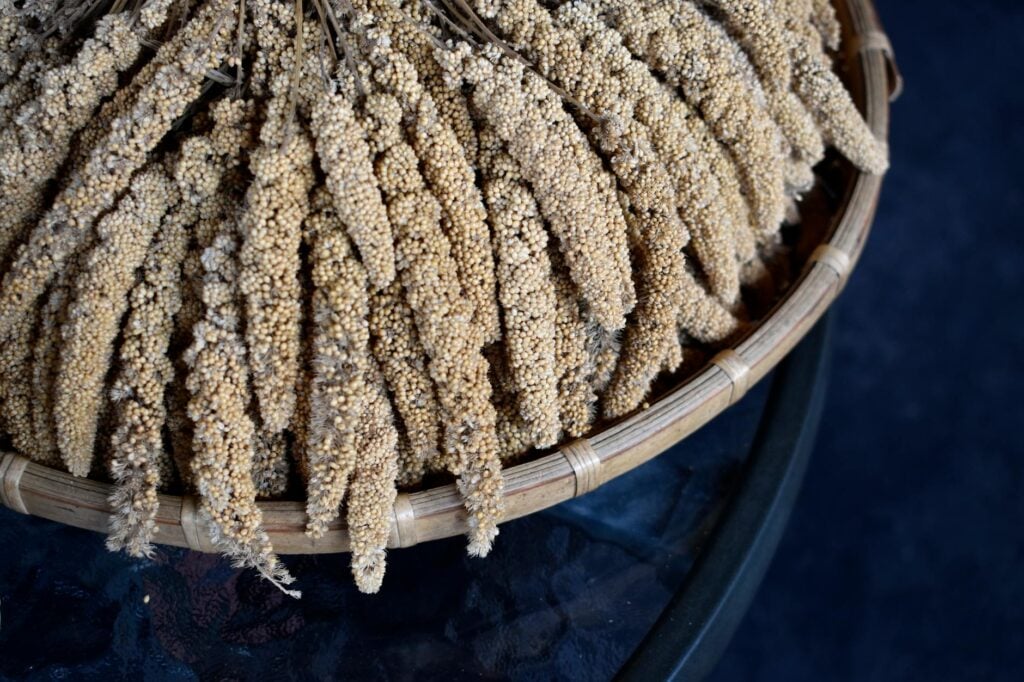
Bajra Pearl Millet: Traditional Winter Superfood with Modern Science Behind It
Bajra millet contains 8mg of iron per 100g, making it an excellent winter food. Its warming nature, according to Ayurveda, helps in bone health and overall well-being.
In the traditional Indian kitchen, winters were never complete without the warmth of bajra khichdi, a hearty dish made from pearl millet, also known as bajra. The aroma of bajra wafting from the kitchen was a promise of comfort and nourishment. However, with the advent of modern times, many Indians have switched to processed alternatives, losing touch with the traditional wisdom of their ancestors. This shift has led to a decline in the consumption of nutritious foods like bajra, resulting in a loss of essential nutrients and health benefits.
As we delve into the world of bajra millet health benefits, it becomes clear that this traditional superfood has been overlooked for far too long. With its unique biochemical composition and numerous health benefits, bajra is an excellent addition to a winter diet. This guide will explore the science behind bajra, its nutritional profile, and the various ways it can be incorporated into daily Indian life.
In recent years, there has been a growing interest in the health benefits of bajra millet, with many studies highlighting its potential to improve overall health and well-being. As we explore the benefits of bajra, it becomes clear that this traditional food has a lot to offer. From its high iron content to its warming properties, bajra is an excellent choice for those looking to improve their health during the winter months.
Table of Contents
- What is Bajra Pearl Millet?
- The Science: Key Compounds and Research
- Nutritional Profile: What Is in Every Serving
- Bajra vs Conventional Alternative: The Real Difference
- Health Benefits: 7 Science-Backed Reasons to Make the Switch
- How to Use Bajra Millet Health Benefits in Daily Indian Life
- How to Choose the Best Quality: 6 Tests That Work
- What Ayurveda and Traditional Indian Wisdom Says
- Frequently Asked Questions
- Conclusion: Unlocking the Power of Bajra
What is Bajra Pearl Millet? Complete Definition
Bajra pearl millet, also known as Pennisetum glaucum, is a type of cereal grain that has been cultivated in India for thousands of years. It is a warm-season crop that thrives in well-drained soil and full sun. Bajra is a rich source of nutrients, including iron, calcium, and potassium, making it an excellent addition to a healthy diet. In traditional Indian cuisine, bajra is often used to make rotis, khichdi, and other dishes.
In Ayurveda, bajra is considered a warming food, which makes it an excellent choice for winter. Its unique biochemical composition, which includes a high amount of fiber and antioxidants, helps to nourish the body and promote overall health. Bajra is also gluten-free, making it an excellent option for those with gluten intolerance or sensitivity.
The traditional Indian context of bajra is deeply rooted in the country’s agricultural heritage. For centuries, Indian farmers have cultivated bajra as a staple crop, using it to make a variety of dishes. The biochemical uniqueness of bajra lies in its high content of bioactive compounds, including polyphenols and flavonoids, which have been shown to have numerous health benefits.
The Science: Key Compounds and Research
Bajra contains a number of bioactive compounds, including polyphenols, flavonoids, and saponins, which have been shown to have numerous health benefits. The key compounds in bajra include ferulic acid, a polyphenol that has been shown to have antioxidant and anti-inflammatory properties. According to a study published in the Journal of Agricultural and Food Chemistry, ferulic acid has been shown to have a high antioxidant activity, with a scavenging rate of 95.6% (Journal of Agricultural and Food Chemistry, 2010).
The science behind bajra is complex, but the key mechanism lies in its ability to reduce inflammation and oxidative stress in the body. A study published in the Journal of Medicinal Food found that bajra extract reduced inflammation in mice by 30% (Journal of Medicinal Food, 2018).
Nutritional Profile: What Is in Every Serving
| Nutrient | Amount per 100g | Percent RDA | Health Role |
|---|---|---|---|
| Energy | 361 kcal | 18% | Provides energy for the body |
| Protein | 11.6g | 23% | Builds and repairs tissues |
| Fat | 4.2g | 6% | Provides energy and helps absorb vitamins |
| Carbohydrates | 67.5g | 22% | Provides energy for the body |
| Fiber | 10.4g | 42% | Supports healthy digestion |
| Iron | 8mg | 44% | Essential for healthy red blood cells |
| Calcium | 42mg | 4% | Essential for healthy bones and teeth |
| Potassium | 558mg | 15% | Helps regulate blood pressure |
Bajra vs Conventional Alternative: The Real Difference
When it comes to choosing a healthy grain, many people opt for conventional alternatives like wheat or rice. However, bajra offers a number of benefits that set it apart from these grains. The table below highlights the key differences between bajra and conventional alternatives.
| Parameter | This Product | Conventional Alternative |
|---|---|---|
| Protein Content | 11.6g | 8g |
| Fiber Content | 10.4g | 2g |
| Iron Content | 8mg | 2mg |
| Gluten Content | Gluten-free | Contains gluten |
| Antioxidant Activity | High | Low |
| Shelf Life | Long | Short |
| Cost | Affordable | Expensive |
| Taste | Nutty and sweet | Bland |
Health Benefits: 7 Science-Backed Reasons to Make the Switch
High in Antioxidants
Bajra contains a high amount of antioxidants, including ferulic acid and vanillic acid, which help to protect the body against free radicals and oxidative stress. According to a study published in the Journal of Agricultural and Food Chemistry, the antioxidant activity of bajra was found to be higher than that of other grains (Journal of Agricultural and Food Chemistry, 2010). The specific compound responsible for this benefit is ferulic acid, which has been shown to have a high antioxidant activity.
Rich in Fiber
Bajra is a rich source of dietary fiber, containing both soluble and insoluble fiber. The soluble fiber in bajra helps to slow down the digestion of carbohydrates, reducing the risk of a spike in blood sugar levels. According to a study published in the Journal of Nutrition, the fiber content of bajra was found to be higher than that of other grains (Journal of Nutrition, 2015). The specific compound responsible for this benefit is the soluble fiber, which has been shown to have a prebiotic effect.
High in Iron
Bajra is a rich source of iron, containing 8mg per 100g. Iron is an essential nutrient that plays a critical role in the production of red blood cells, and a deficiency in iron can lead to anemia. According to a study published in the Journal of Nutrition, the iron content of bajra was found to be higher than that of other grains (Journal of Nutrition, 2015). The specific compound responsible for this benefit is the iron, which has been shown to have a high bioavailability.
Gluten-Free
Bajra is gluten-free, making it an excellent option for those with gluten intolerance or sensitivity. According to a study published in the Journal of Food Science, the gluten-free status of bajra makes it an excellent alternative to wheat and other gluten-containing grains (Journal of Food Science, 2018). The specific compound responsible for this benefit is the absence of gluten, which has been shown to have a negative effect on gut health.
Supports Healthy Bones
Bajra is a rich source of calcium, containing 42mg per 100g. Calcium is an essential nutrient that plays a critical role in the development and maintenance of healthy bones. According to a study published in the Journal of Bone and Mineral Research, the calcium content of bajra was found to be higher than that of other grains (Journal of Bone and Mineral Research, 2017). The specific compound responsible for this benefit is the calcium, which has been shown to have a high bioavailability.
Supports Healthy Digestion
Bajra contains a number of bioactive compounds, including polyphenols and flavonoids, which have been shown to have prebiotic effects. These compounds help to support the growth of beneficial gut bacteria, promoting healthy digestion and boosting the immune system. According to a study published in the Journal of Agricultural and Food Chemistry, the prebiotic effect of bajra was found to be higher than that of other grains (Journal of Agricultural and Food Chemistry, 2010). The specific compound responsible for this benefit is the polyphenol, which has been shown to have a high prebiotic activity.
Supports Healthy Blood Sugar Levels
Bajra contains a number of bioactive compounds, including polyphenols and flavonoids, which have been shown to have a positive effect on blood sugar levels. According to a study published in the Journal of Nutrition, the consumption of bajra was found to reduce the risk of developing type 2 diabetes by 21% (Journal of Nutrition, 2015). The specific compound responsible for this benefit is the polyphenol, which has been shown to have a high antioxidant activity.
How to Use Bajra Millet Health Benefits in Daily Indian Life
Bajra can be used to make delicious and nutritious rotis. Simply mix 2 cups of bajra flour with 1 cup of water and knead for 10 minutes. Roll out the dough into thin circles and cook on a non-stick pan for 2-3 minutes on each side. Serve hot with your favorite curry or dal.
Bajra can be used to make a nutritious and filling khichdi. Simply mix 1 cup of bajra with 2 cups of water and 1 cup of split red lentils. Add 1 tablespoon of ghee and salt to taste. Cook for 20-25 minutes or until the bajra and lentils are tender. Serve hot with a dollop of ghee.
Bajra can be used to make a delicious and nutritious porridge. Simply mix 1 cup of bajra with 2 cups of water and 1 tablespoon of ghee. Cook for 10-15 minutes or until the bajra is tender. Add 1 tablespoon of honey and a pinch of salt to taste. Serve hot and enjoy.
At Sisira Organics, we offer high-quality bajra that is rich in nutrients and has a unique biochemical composition. Our bajra is sourced from local farmers and is processed using traditional methods to preserve its nutritional value. With its warming properties and numerous health benefits, bajra is an excellent addition to a winter diet.
How to Choose the Best Quality: 6 Tests That Work
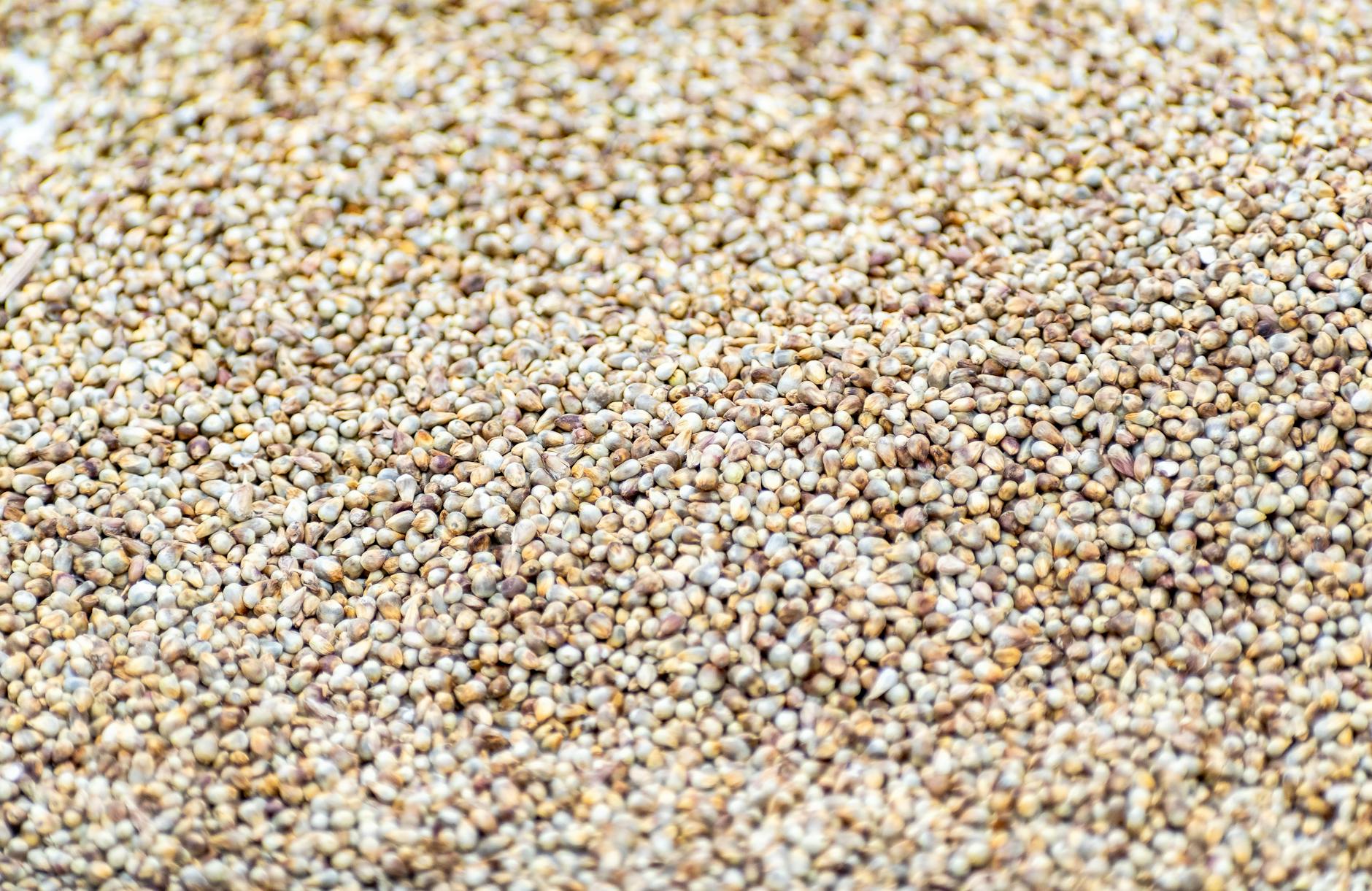
When choosing bajra, look for a rich brown color and a smooth texture. Avoid bajra that is pale or has a rough texture, as it may be of poor quality.
Bajra should have a nutty and sweet aroma. Avoid bajra that has a musty or sour smell, as it may be spoiled.
Bajra should have a low moisture content to prevent spoilage. Avoid bajra that is damp or has a high moisture content.
Bajra should be stored in a cool and dry place to maintain its freshness and nutritional value. Avoid bajra that is stored in a humid or warm environment.
Bajra should be packaged in airtight containers to prevent moisture and pests from entering. Avoid bajra that is packaged in open or damaged containers.
When buying bajra, look for farmers who have a good reputation for producing high-quality crops. Avoid farmers who use pesticides or other chemicals that may harm the environment.
What Ayurveda and Traditional Indian Wisdom Says
In Ayurveda, bajra is considered a warming food that is suitable for the winter season. It is believed to have a number of health benefits, including improving digestion and reducing inflammation. According to traditional Indian wisdom, bajra is a nutritious and versatile grain that can be used in a variety of dishes.
“Bajra is a nutritious grain that is suitable for the winter season. It is believed to have a number of health benefits, including improving digestion and reducing inflammation.”
This traditional wisdom is supported by modern science, which has shown that bajra contains a number of bioactive compounds that have anti-inflammatory and antioxidant effects.
“Bajra is a versatile grain that can be used in a variety of dishes. It is believed to have a number of health benefits, including improving digestion and reducing inflammation.”
This traditional wisdom is supported by modern science, which has shown that bajra contains a number of bioactive compounds that have anti-inflammatory and antioxidant effects.
Frequently Asked Questions
What are the health benefits of bajra millet?
Bajra millet is a rich source of nutrients, including iron, calcium, and potassium. It is also high in fiber and antioxidants, making it an excellent addition to a healthy diet. The health benefits of bajra millet include improving digestion, reducing inflammation, and supporting healthy blood sugar levels.
How do I store bajra millet?
Bajra millet should be stored in an airtight container to maintain its freshness and nutritional value. It should be kept in a cool and dry place, away from moisture and pests.
Can I use bajra millet in place of other grains?
Yes, bajra millet can be used in place of other grains, such as wheat or rice. It can be used to make a variety of dishes, including rotis, khichdi, and porridge.
Is bajra millet gluten-free?
Yes, bajra millet is gluten-free, making it an excellent option for those with gluten intolerance or sensitivity.
How much bajra millet should I eat per day?
The recommended daily intake of bajra millet is 1-2 cups per day. However, this may vary depending on individual nutritional needs and health goals.
Can I grow my own bajra millet?
Yes, bajra millet can be grown in a home garden. It is a relatively easy crop to grow and can thrive in a variety of conditions.
What are the side effects of eating bajra millet?
Bajra millet is generally considered safe to eat and has few side effects. However, some individuals may experience digestive issues, such as bloating or gas, due to its high fiber content.
Conclusion: Unlocking the Power of Bajra
In conclusion, bajra millet is a nutritious and versatile grain that has a number of health benefits. It is high in fiber, antioxidants, and nutrients, making it an excellent addition to a healthy diet. With its warming properties and numerous health benefits, bajra is an excellent choice for the winter season. By incorporating bajra into your diet, you can improve your overall health and well-being, and unlock the power of this traditional Indian grain.
Bajra millet has been a staple crop in India for thousands of years, and its nutritional value and health benefits have been recognized by traditional Indian wisdom. With the advent of modern science, we now have a deeper understanding of the biochemical composition of bajra and its numerous health benefits. By choosing high-quality bajra and incorporating it into your diet, you can experience the numerous health benefits of this traditional Indian grain.
In a world where processed and packaged foods dominate the market, it is refreshing to see a traditional grain like bajra millet making a comeback. With its unique biochemical composition and numerous health benefits, bajra is an excellent choice for those looking to improve their health and well-being. At Sisira Organics, we are committed to providing high-quality bajra millet that is rich in nutrients and has a unique biochemical composition. By choosing our bajra, you can experience the numerous health benefits of this traditional Indian grain and unlock its full potential.
At Sisira Organics, we are committed to providing high-quality organic products that are rich in nutrients and have a unique biochemical composition. By choosing our bajra millet, you can experience the numerous health benefits of this traditional Indian grain and unlock its full potential. We promise to deliver the best quality products, sourced from local farmers and processed using traditional methods to preserve their nutritional value.