

Diabetic Rice vs White Rice
In this article
Diabetic Rice vs White Rice: Which Grain Wins for Indian Health‑Conscious Lifestyles?
India’s love affair with rice runs deep—from the fluffy idli batter of Karnataka to the aromatic pulao of Lucknow. Yet, as the prevalence of diabetes climbs (nearly 77 million Indians are diabetic, according to the ICMR), the humble grain is being scrutinised more than ever. Can a simple swap in the pantry help you keep blood‑sugar spikes at bay without sacrificing taste, tradition, or the joy of a hot plate of dal‑chawal? This article breaks down the science, the culinary reality, and the Ayurvedic perspective of **diabetic rice** (often a low‑GI, fibre‑rich blend) versus **regular white rice**.
Quick Verdict
- Best for blood‑sugar control: Diabetic rice (low‑GI varieties such as brown/red millets blended rice, or specially processed low‑GI rice).
- Best for traditional recipes & texture: White rice (short‑grain or medium‑grain basmati).
- Best for budget‑friendly everyday meals: White rice (widely available & cheaper).
- Best for high‑fiber, weight‑loss meals: Diabetic rice.
Side‑by‑Side Comparison
| Aspect | Diabetic Rice (Low‑GI Blend) | White Rice (Common Indian Varieties) |
|---|---|---|
| Average Glycemic Index (GI) | 45‑55 (low to medium) | 70‑90 (high) |
| Calories (per 100 g cooked) | 110‑120 kcal | 130‑140 kcal |
| Dietary Fibre | 3‑5 g | 0.5‑1 g |
| Protein | 2.5‑3 g | 2‑2.5 g |
| Key Micronutrients | Iron, magnesium, B‑vitamins (from millets, brown rice, red rice) | Limited; small amounts of thiamine & niacin |
| Texture | Chewy, slightly nutty; may need 10‑15 min extra soaking | Fluffy, soft; cooks in 12‑15 min |
| Typical Cost (per kg, Indian market) | ₹80‑120 (premium blends) | ₹30‑60 (plain basmati/ sona masoori) |
| Availability | Urban supermarkets, health‑food stores, online (e.g., Sisira Organics) | Every grocery store, local mandis, all regions |
| Best For | Diabetics, weight‑loss, high‑fiber diets, Ayurvedic “Kapha‑balancing” meals | Traditional biryanis, festive dishes, quick everyday meals |
- Low‑GI diabetic rice can reduce post‑prandial glucose spikes by up to 30 % compared with white rice.
- Higher fibre in diabetic rice supports gut health and satiety, aiding weight management.
- White rice remains the cultural cornerstone for many Indian dishes; its neutral flavour makes it versatile.
- Cost and regional availability are decisive factors for most Indian households.
- Ayurveda classifies white rice as “sweet‑pitta‑kapha”—easy to digest but can aggravate “Kapha” in excess, whereas millet‑based diabetic rice is “dry‑light” and helps balance Kapha.
Deep Dive: Diabetic Rice – The Low‑GI Hero
Nutrition Profile
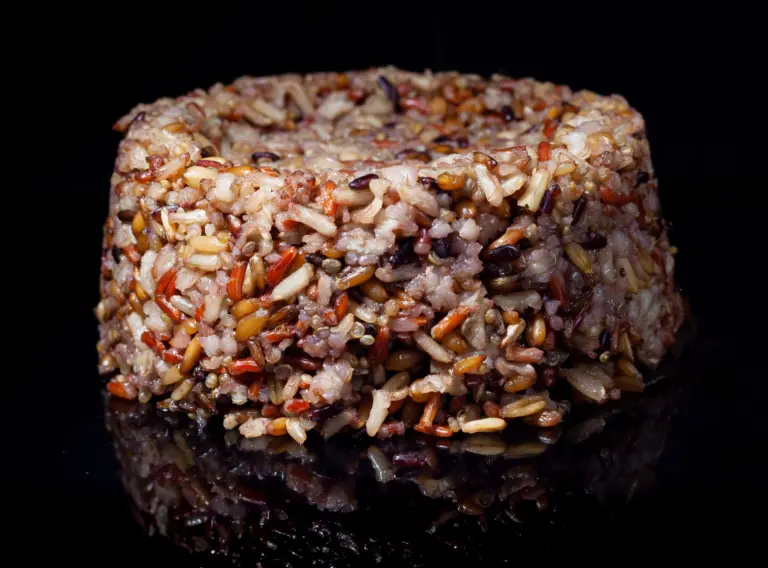
Diabetic rice isn’t a single grain; it’s a blend of low‑GI cereals such as brown rice, red rice, foxtail millet, little millet, and sometimes quinoa or barley. The combined effect is a carbohydrate source that digests slower, thanks to intact bran layers and higher resistant starch. A typical 100 g cooked serving provides:
- Calories: 110‑120 kcal
- Carbohydrates: 22‑24 g (of which ~3 g is fibre)
- Protein: 2.5‑3 g
- Fat: <1 g (mostly unsaturated)
- Key Micronutrients: Iron (1.5 mg), magnesium (30 mg), phosphorus (80 mg), B‑vitamins (B1, B2, B3)
Taste & Texture
Because the grains retain their outer layers, diabetic rice offers a mildly nutty flavour and a slightly chewy bite. Some blends may appear speckled (red or black rice fragments). For traditional Indian dishes, a short pre‑soak (15‑20 min) and a 1‑cup water to 1‑cup rice ratio yields a tender yet distinct texture.
Cost & Availability
Premium blends from organic brands like Sisira Organics or Organic India** cost ₹80‑120 per kilogram. They are stocked in large city supermarkets (Nature’s Basket, Foodhall), specialty health stores, and e‑commerce platforms (Amazon India, BigBasket). In tier‑2 towns, you may find “brown rice” or “millet rice” packets at local grocery chains.
Traditional & Ayurvedic Angle
Ayurveda recognises millets (e.g., ragi, bajra, jowar) as “tridoshic” or “Kapha‑pacifying” foods. Mixing millets with rice reduces the “heavy” quality of plain rice, making it suitable for people with “Kapha” dominance (prone to weight gain, sluggish digestion). The increased fibre is said to “clean the colon” and support “Agni” (digestive fire).
Ideal Culinary Uses
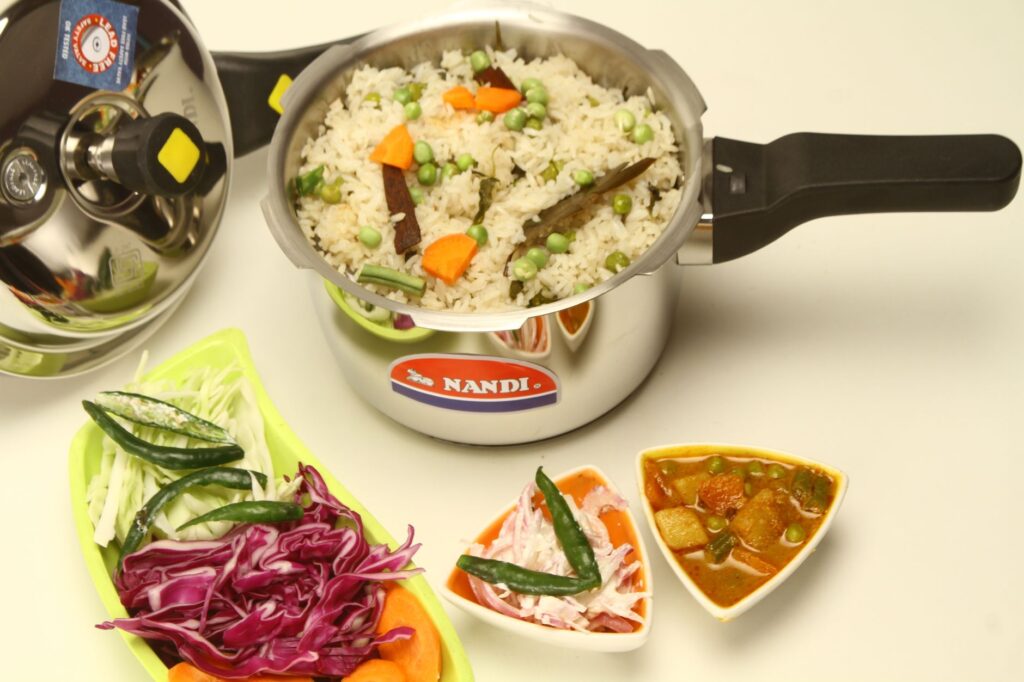
- Plain “diabetic pulao”: Sauté cumin, mustard seeds, and mixed vegetables; add the rice blend and cook with low‑sodium broth.
- Idli/Dosa batter: Soak the blend with urad dal for 4‑6 hrs; grind into a smooth batter for a high‑fiber, low‑GI version of South Indian staples.
- Khichdi: Combine with moong dal, turmeric, and ginger for a gentle, gut‑friendly one‑pot meal.
Deep Dive: White Rice – The Classic Staple
Nutrition Profile
White rice in India mainly includes:
- Short‑grain “Sona Masoori” (Southern India)
- Medium‑grain “Ponni” (Tamil Nadu)
- Long‑grain “Basmati” (North India)
After polishing, the bran and germ are removed, leaving a starchy endosperm. A 100 g cooked serving typically contains:
- Calories: 130‑140 kcal
- Carbohydrates: 28‑30 g (fibre < 1 g)
- Protein: 2‑2.5 g
- Fat: <0.5 g
- Micronutrients: Trace thiamine (B1) and niacin (B3)
Taste & Texture
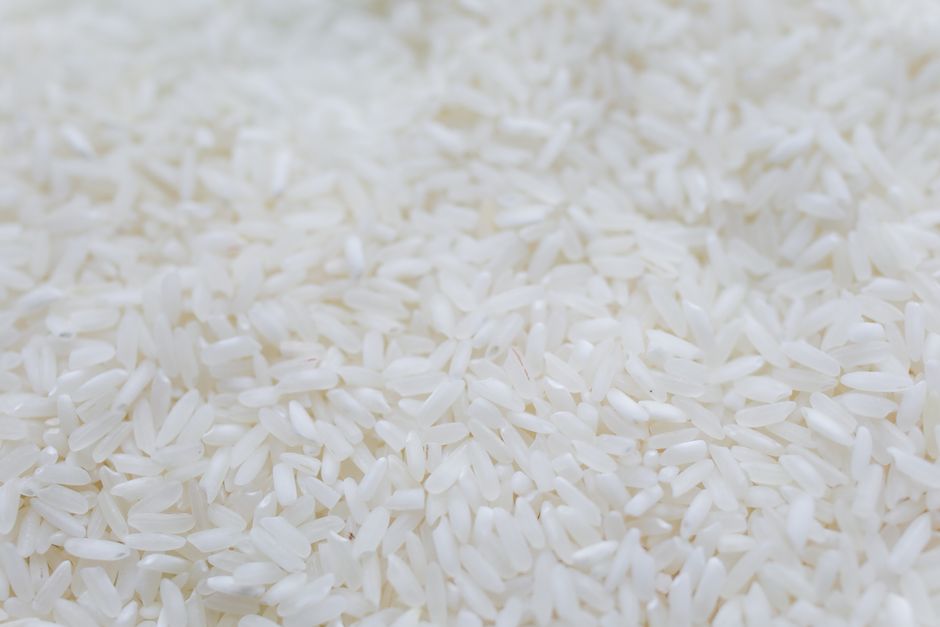
White rice is prized for its soft, fluffy texture and neutral taste, which absorbs spices and gravies beautifully. Basmati offers a fragrant, elongated grain that stays separate, ideal for biryanis. Sona Masoori is slightly softer, perfect for daily “dal‑chawal”.
Cost & Availability
White rice is the most affordable staple across India. Prices range from ₹30‑60 per kilogram, depending on variety and region. It’s ubiquitous in every local market, roadside “kirana” stores, and bulk‑buy cooperatives.
Traditional & Ayurvedic Angle
In Ayurveda, white rice is “sweet” (Madhura) and “light” (Laghu), making it easy on the stomach (good for “Vata” types) but potentially “Kapha‑building” when over‑consumed. It is recommended with “digestive spices” (cumin, ginger, black pepper) to offset its sweet nature.
Ideal Culinary Uses
- Biryani & Pulao: Basmati’s aroma pairs with saffron, ghee, and meat.
- South Indian “Idli” & “Dosa”: Traditional fermented batter uses white rice for lightness.
- Everyday “Khichdi” & “Lemon Rice”: Quick, comforting meals for families.
Who Should Choose Which?
Diabetics & Pre‑diabetics
Low‑GI diabetic rice is the safer bet. Studies from the Indian Council of Medical Research (ICMR) show a 20‑30 % reduction in post‑meal glucose when swapping white rice for a millet‑based blend. Pair it with non‑starchy vegetables and a protein source (dal, paneer, fish) for balanced meals.
Weight‑Loss Seekers
The extra fibre keeps you full longer, reducing overall calorie intake. A 150‑gram serving of diabetic rice provides roughly 150 kcal versus 210 kcal from the same weight of white rice, making it a smart choice for calorie‑controlled diets.
Athletes & Active Individuals
While athletes need quick glycogen replenishment, the moderate GI of diabetic rice (≈50) still fuels recovery without a massive insulin surge. However, for high‑intensity bursts, a small portion of white rice or a sports drink may be added post‑workout.
Elderly & Digestive‑Sensitive Folks
Older adults often experience slower digestion. White rice, being low in fibre, is easier on the gut and less likely to cause bloating. If constipation is a concern, a mixed approach—half white, half diabetic rice—provides gentle fibre without over‑loading the system.
Families & Everyday Cooking
For festive occasions, biryanis, or when cooking for large gatherings, the familiar texture of white rice wins. For daily meals where health goals dominate, gradually introducing diabetic rice (e.g., 1‑2 meals/week) helps the palate adapt.
Frequently Asked Questions
Shop our bestsellers
-
Sisira Organics Kobra Pain Relief Oil
30 mins2–5 daysShop Sisira Organics Kobra Pain Relief Oil. 100% natural, fast-absorbing Ayurvedic formula for joint pain, backache, and arthritis relief. No mineral oils.
Original price was: ₹189.₹159Current price is: ₹159.Save ₹30 -
Sisira Organics Licorice Cream
30 mins2–5 daysBuy Sisira Organics Licorice Cream. 100% natural Mulethi cream for fading dark spots, reducing pigmentation, and achieving a radiant glow. Vegan &…
Original price was: ₹230.₹200Current price is: ₹200.Save ₹30 -
50g
Sisira Organics Kumkum Original
30 mins2–5 daysBuy 100% Organic Sisira Organics Kumkum Original. Crafted with quality ingredients for a clean premium feel. Skin-safe, chemical-free, and easy to apply.
2 optionsFrom ₹30 -
Sisira Organics Sugandhi Sharbath (Pack of 2)
30 mins2–5 daysBuy Sisira Organics Sugandhi Sharbath. An authentic, premium Nannari syrup for refreshing drinks. Naturally cools the body and purifies the blood.
Original price was: ₹450.₹399Current price is: ₹399.Save ₹51


Keep reading
Brown Rice vs Millet for Diabetics
Introduction – Why the Brown Rice vs Millet Debate Matters for Indian Diabetics India has the world’s largest diabetic population – an estimated […]
Gobindobhog Rice: Is It Diabetic Friendly?
## Why This Guide Exists Diabetes is a growing concern in India – the International Diabetes Federation estimates **over 77 million Indians** live […]
Kerala Matta Rice Benefits for Diabetics
Kerala Matta Rice Benefits for Diabetics 1. A Powerful Hook – The Surprising Statistic According to the Indian Council of Medical Research […]
For a faster, smoother experience, install our app
- ⚡Opens in one tap — quicker than the browser
- 📦Track orders and reorder favourites easily
- 🎁Be first to see daily deals and festive offers
Installs straight from our website in seconds.
- Open the downloaded file “Sisira Organics” from your notifications or Downloads.
- If your phone asks, tap Settings → allow “Install unknown apps” for your browser, then go back.
- Tap Install, then Open. Done!
- Tap the Share button ⬆ at the bottom of Safari.
- Choose “Add to Home Screen”, then Add.