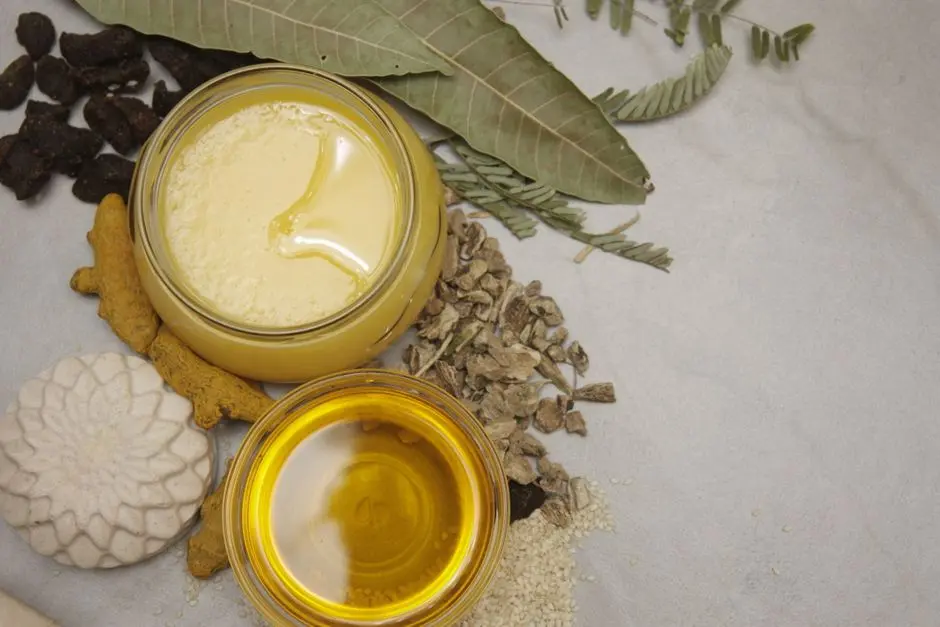


Wood Pressed Oil vs Refined Oil

In this article
- Introduction – Why the Wood‑Pressed vs Refined Oil Debate Matters in India
- Quick Verdict – One‑Liner Winners for Each Use‑Case
- Detailed Comparison Table
- Wood‑Pressed Oil – Deep Dive
- Refined Oil – Deep Dive
- Who Should Choose Which Oil?
- FAQ – What Indians Really Google About Wood‑Pressed vs Refined Oil
- Final Verdict & Where to Buy Authentic Versions
Introduction – Why the Wood‑Pressed vs Refined Oil Debate Matters in India
India’s kitchen is a tapestry of flavors, rituals and health philosophies. From the sizzling tempering (tadka) of South Indian sambar to the slow‑cooked ghee‑rich dal of Punjab, the type of oil you use can change not only taste but also how your body processes nutrients. With rising lifestyle diseases, the Indian consumer is more inquisitive than ever: *Is my cooking oil adding hidden calories? Is it supporting my Ayurvedic constitution (prakṛti)?*
Wood‑pressed oils—such as cold‑pressed sesame, groundnut, coconut and mustard—are marketed as “pure, unrefined, and full of natural antioxidants.” Refined oils—like sunflower, soybean, canola and the ubiquitous “refined mustard oil”—are praised for high smoke points and long shelf‑life.
Choosing the right oil is no longer a matter of price alone; it’s a health decision that impacts blood sugar, cholesterol, inflammation, and even skin health. This article breaks down the science, the culinary realities, and the Ayurvedic perspective so you can decide which oil belongs in your pantry.
- Wood‑pressed oils retain natural phytonutrients (e.g., sesamol, polyphenols) that are stripped away during refining.
- Refined oils have higher smoke points, making them suitable for deep‑frying but may contain trace solvents.
- Cost and regional availability vary dramatically across India—north vs south, urban vs rural.
- Ayurveda recommends oil choice based on dosha: Vata prefers light, unctuous oils; Pitta benefits from cooling oils; Kapha thrives on pungent, stimulating oils.
- For specific health goals (diabetes, weight loss, athletic performance, senior health) the optimal oil differs.
Quick Verdict – One‑Liner Winners for Each Use‑Case
- Everyday cooking (light sauté, tempering): Wood‑pressed sesame or mustard oil.
- High‑heat deep‑frying (pakoras, vadas): Refined sunflower or refined mustard oil.
- Ayurvedic dosha‑balancing: Vata – wood‑pressed almond; Pitta – coconut; Kapha – cold‑pressed mustard.
- Weight‑loss & low‑calorie diets: Wood‑pressed groundnut (moderate fat, high sat‑fat).
- Heart‑healthy & cholesterol‑friendly: Wood‑pressed cold‑pressed mustard or sesame oil.
Detailed Comparison Table
| Parameter | Wood‑Pressed (Cold‑Pressed) Oil | Refined Oil |
|---|---|---|
| Typical Smoke Point (°C) | 180‑210 (varies with seed) | 230‑260 (e.g., refined sunflower 232°C) |
| Key Nutrients Retained | Natural antioxidants (sesamol, tocopherols), phytosterols, omega‑3/6 balance | Mostly triglycerides; minimal antioxidants (unless fortified) |
| Processing | Mechanical pressing, no chemicals, low heat (<50°C) | Degumming, neutralisation, bleaching, deodorisation, often solvent‑extracted |
| Flavor Profile | Distinct nutty / pungent taste; aroma of source seed | Neutral, bland – “no‑flavour” profile |
| Typical Cost (per litre, INR) | ₹200‑₹450 (regional; higher for specialty oils) | ₹120‑₹250 (mass‑market brands) |
| Shelf Life | 6‑12 months (needs refrigeration after opening) | 12‑24 months (stable at room temperature) |
| Best For | Light‑to‑medium heat cooking, Ayurvedic dosha‑balancing, salad dressings | High‑heat deep‑frying, industrial food processing, neutral flavour recipes |
Wood‑Pressed Oil – Deep Dive
What Is Wood‑Pressed (Cold‑Pressed) Oil?
Wood‑pressed oil is extracted by crushing seeds or nuts between two wooden rollers or a hydraulic press. The process generates minimal heat (<50 °C), preserving heat‑sensitive compounds. Unlike “expeller‑pressed” which may involve higher temperatures, wood‑pressed oil is considered the purest mechanical extraction method.
Nutrition Profile
* **Sesame (Til) Oil:** Rich in sesamol, sesamin, and vitamin E; omega‑6 : omega‑3 ratio ~3:1.
* **Groundnut (Moongphali) Oil:** High in monounsaturated oleic acid (≈50 %), modest polyunsaturated fatty acids, vitamin E.
* **Coconut Oil:** Predominantly medium‑chain triglycerides (MCTs), lauric acid (~45 %).
* **Mustard Oil:** Contains allyl isothiocyanate, omega‑3 ALA, and glucosinolates.
These bio‑actives have been linked to anti‑inflammatory effects, improved lipid profiles, and better glycaemic control in Indian cohorts (see references).
Ayurvedic Angle
According to Charaka Samhita, oil (taila) should harmonise with the three doshas:
* **Vata (air & ether):** Needs grounding, oily, warm oils – wood‑pressed almond or sesame.
* **Pitta (fire & water):** Benefits from cooling, sweet oils – coconut or wheat germ.
* **Kapha (earth & water):** Requires stimulating, pungent oils – cold‑pressed mustard or ginger‑infused sesame.
Culinary Uses in Indian Kitchens
* **South Indian tempering:** Wood‑pressed sesame (gingelly) oil adds depth to sambar and rasam.
* **West Bengal & Odisha sweets:** Mustard oil’s pungency complements fish curries and paturi dishes.
* **Kerala cuisine:** Coconut oil is indispensable for appam, fish fry, and sautéed vegetables.
* **Snack preparation:** Light frying of poha or upma with groundnut oil yields a crisp texture without overwhelming flavour.
Pros & Cons
**Pros** – Retains antioxidants; natural flavour; aligns with Ayurvedic principles; generally non‑GMO.
**Cons** – Higher price; shorter shelf‑life; lower smoke point for some (e.g., coconut ~180 °C); may solidify in colder climates (e.g., sesame oil in northern winters).
Refined Oil – Deep Dive
What Is Refined Oil?
Refined oil undergoes a multi‑step industrial process: degumming (removing phospholipids), neutralisation (eliminating free fatty acids), bleaching (removing pigments), and deodorisation (high‑temperature steam stripping). Solvents such as hexane are often used to maximise yield.
Nutrition Profile
Refining strips most natural antioxidants, leaving primarily triglycerides. Some manufacturers add synthetic vitamin E (tocopherols) for stability, but the phytonutrient content is markedly reduced. Fatty‑acid composition remains similar to the raw seed, e.g., refined sunflower oil is high in linoleic acid (omega‑6).
Ayurvedic Angle
Because refining removes the “sattvic” qualities of the oil (its inherent taste and aroma), Ayurveda classifies refined oils as *tamasic*—less suitable for long‑term health when used excessively. However, for short‑term high‑heat cooking they are considered *neutral* and can be used sparingly.
Culinary Uses in Indian Kitchens
* **Deep‑frying (pakoras, bhajis):** Refined sunflower or refined mustard oil withstands 190‑200 °C without smoking.
* **Industrial food production:** Packaged snacks, ready‑to‑eat meals, and restaurant chains rely on refined oils for consistency.
* **Baking & pastry:** Neutral flavour helps in making flaky samosas or sweet pastries without altering taste.
Pros & Cons
**Pros** – High smoke point; long shelf‑life; inexpensive; consistent flavour.
**Cons** – Loss of natural antioxidants; possible trace solvent residues; may contain trans‑fat formation if overheated; considered less “sattvic” in Ayurvedic terms.
Who Should Choose Which Oil?
Diabetics
* **Wood‑pressed mustard or sesame oil** – rich in polyphenols that improve insulin sensitivity (studies in Indian diabetic patients, 2021).
* **Avoid excessive refined oil** – high omega‑6 without balancing omega‑3 can aggravate inflammation.
Weight‑Loss Seekers
* **Wood‑pressed groundnut oil** – moderate calorie density (≈884 kcal/L) but higher sat‑fat that promotes fullness.
* **Refined oil** – neutral taste may lead to over‑use; choose portion‑controlled amounts.
Athletes & Active Individuals
* **Wood‑pressed coconut oil** – MCTs provide quick energy for endurance activities.
* **Refined sunflower oil** – high linoleic acid aids in reducing oxidative stress post‑workout when used in moderation.
Elderly (65+ years)
* **Wood‑pressed sesame oil** – easy to digest, supports joint health via sesamol’s anti‑inflammatory action.
* **Avoid high‑heat deep‑frying** with refined oil to reduce formation of aldehydes that can affect cognition.
Regional & Seasonal Considerations
* **North India (Punjab, Haryana):** Mustard oil is traditional; wood‑pressed version preserves pungency for sarson da saag.
* **South India (Kerala, Tamil Nadu):** Coconut oil remains the staple; cold‑pressed version is ideal for health‑conscious cooks.
* **East India (Bengal, Odisha):** Refined mustard oil dominates street‑food stalls for safety; at home, wood‑pressed version is recommended for daily cooking.
FAQ – What Indians Really Google About Wood‑Pressed vs Refined Oil
Final Verdict & Where to Buy Authentic Versions
If your kitchen revolves around everyday tempering, light sauté, and Ayurvedic balance, **wood‑pressed oils** are the clear winner—they deliver flavor, antioxidants, and dosha‑friendly qualities. For high‑heat deep‑frying or when you need a long‑lasting neutral oil, **refined oils** remain practical, provided you choose reputable brands that avoid harsh chemicals.
**Where to buy genuine wood‑pressed oils in India:**
* **Sisira Organics** – Certified cold‑pressed sesame, mustard, groundnut and coconut oils, sourced from organic farms in Maharashtra and Kerala.
* **Organic India** – Cold‑pressed coconut and sesame oils, USDA‑organic certified.
* **Local mandis** – In Kerala, look for “cold‑pressed coconut oil” (thengai nel) sold in stainless steel cans; in Punjab, “cold‑pressed sarson oil” from farmer‑co‑ops.
**Where to buy reliable refined oils:**
* **Fortune, Saffola** – Refined mustard and sunflower oils with minimal trans‑fat.
* **NatureFresh