

Smoke Points: Choosing the Right Oil to Cook With

In this article
- 1. Why This Guide Exists – The Problem Statement
- 2. What to Look for When Buying – 7 Factors Tailored to the Indian Market
- 3. Red Flags & Adulteration Signs – Protecting Yourself in the Indian Market
- 4. How to Use, Cook, and Store Your Oil
- 5. Price Range in INR Across Quality Tiers
- 6. Recommended Brands & Sources in India
- 7. Common Mistakes to Avoid
- 8. Frequently Asked Questions
1. Why This Guide Exists – The Problem Statement
India’s kitchen shelves are overflowing with oils: groundnut, mustard, sunflower, coconut, rice bran, ghee, and an ever‑growing list of “cold‑pressed” or “organic” alternatives. Yet most consumers choose an oil based on price, habit, or a single recipe tip, without considering the **smoke point** – the temperature at which an oil breaks down, releases free radicals, and develops a burnt flavour.
When you repeatedly heat an oil past its smoke point:
* **Nutrient loss** – essential fatty acids and antioxidants degrade.
* **Toxin formation** – acrolein, aldehydes, and trans‑fatty acids appear, raising inflammation risk.
* **Off‑flavours** – your dal, stir‑fry, or tandoori dish can taste acrid, masking the true spices.
The Indian market compounds the issue with **adulteration** (e.g., mixing cheap refined oil with “cold‑pressed” labels) and **mis‑labelled smoke points** on packaging. This guide equips you with the knowledge to pick, test, and use cooking oils that stay healthy **and** tasty, no matter whether you’re a busy Mumbai office‑goer or a Kerala home‑cook.
- Smoke point matters for health, flavour, and oil longevity.
- Indian oils often carry hidden adulterants that lower true smoke points.
- Choosing the right oil is a combination of smoke point, fatty‑acid profile, and authenticity.
—
2. What to Look for When Buying – 7 Factors Tailored to the Indian Market
2.1. Verified Smoke Point (°C/°F)
* Look for a **specific temperature range** on the label, not a vague “high smoke point”.
* Prefer oils with **≥200 °C (392 °F)** for deep‑frying, **150‑180 °C (302‑356 °F)** for sautéing, and **≤150 °C** for dressings.
2.2. Extraction Method
| Method | Typical Smoke Point | Health Note |
|——–|——————–|————-|
| Cold‑pressed (mechanical) | 150‑190 °C | Retains phytonutrients; good for medium‑heat. |
| Expeller‑pressed | 180‑210 °C | Similar to cold‑pressed but slightly higher smoke point. |
| Refined (chemical/steam) | 210‑230 °C | Highest smoke points, but loss of natural antioxidants. |
| Wood‑pressed (e.g., sesame) | 210‑225 °C | Traditional, high smoke point, aromatic. |
*In India, “cold‑pressed” is often a marketing term; verify the process on the brand’s website or packaging.*
2.3. Fatty‑Acid Profile
* **Saturated fats** (e.g., coconut, ghee) are stable at high heat.
* **Monounsaturated fats** (e.g., mustard, rice bran, olive) handle medium heat well.
* **Polyunsaturated fats** (e.g., sunflower, soybean) oxidise quickly; reserve for low‑heat or dressings.
2.4. Purity & Certification
* Look for **FSSAI organic seal**, **India Organic (IO)**, **USDA Organic**, or **Non‑GMO** logos.
* **Cold‑pressed** oils should carry a **“Cold‑Pressed”** logo from a recognized certifier (e.g., AGMARK, NPOP).
2.5. Packaging
* **Dark glass bottles** (amber or cobalt) protect against UV‑induced rancidity.
* **Tin cans** are also UV‑proof and ideal for high‑heat oils.
* Avoid clear PET bottles for oils meant for frying; they accelerate oxidation.
2.6. Origin & Traceability
* Indian millets, mustard seeds, sesame, and rice are region‑specific.
* Brands that disclose the **state of cultivation** (e.g., “Punjab mustard”, “Kerala coconut”) are more likely to be authentic.
2.7. Price vs. Quality Ratio
* Ultra‑cheap oils ( ₹300 / L) often means **organic, traceable, and packaged in dark glass**.
- Groundnut (Refined) – 230 °C (446 °F)
- Mustard (Cold‑pressed) – 210 °C (410 °F)
- Sesame (Wood‑pressed) – 225 °C (437 °F)
- Rice Bran (Refined) – 232 °C (450 °F)
- Coconut (Virgin) – 177 °C (351 °F)
- Olive (Extra Virgin) – 190 °C (374 °F)
- Sunflower (Refined) – 227 °C (440 °F)
—
3. Red Flags & Adulteration Signs – Protecting Yourself in the Indian Market
| Red Flag | What It Means | How to Verify |
|———-|—————|—————|
| **Unusually low price** for “cold‑pressed” oil | Likely a refined blend with cheap seed oil added. | Compare price with market average; check for FSSAI/Organic logos. |
| **Clear PET bottle** for high‑heat oil | PET lets UV light in; manufacturers rarely use it for premium frying oils. | Prefer dark glass/tin. |
| **Missing batch/lot number** | Makes traceability impossible; often a sign of bulk adulterated stock. | Look for batch code; you can call the brand for details. |
| **Cloudy appearance in refined oil** | May indicate water content or residual seed particles – sign of improper filtration. | Shake; genuine refined oil should be clear. |
| **Foul or metallic odour** | Oxidised oil or presence of low‑grade seed oil. | Smell before purchase; fresh oil smells neutral or mildly nutty. |
| **Inconsistent label information** (e.g., “cold‑pressed” + “refined”) | Confusing marketing; could be a blend. | Verify on brand’s website. |
| **Absence of certification logos** | No third‑party verification of purity. | Prefer brands with at least one recognized certification. |
**Quick Test at Home:**
Place a teaspoon of oil in a stainless steel pan and heat over medium flame. If it begins to smoke before reaching 150 °C (use a kitchen thermometer), the oil is likely **adulterated** or **over‑refined**.
- Low price + clear PET = high risk of adulteration.
- Always check batch number and certification logos.
- Perform a simple home smoke test to confirm authenticity.
—
4. How to Use, Cook, and Store Your Oil
4.1. Matching Oil to Cooking Method
| Cooking Method | Ideal Smoke Point Range | Recommended Indian Oils |
|—————-|————————|————————–|
| Deep‑frying (e.g., samosa, pakora) | 210‑230 °C | Refined groundnut, rice bran, sesame wood‑pressed |
| Stir‑fry / Tadka (high heat, short time) | 180‑210 °C | Mustard (cold‑pressed), sunflower (refined), sesame (expeller) |
| Sauté / Light fry | 150‑180 °C | Virgin coconut, extra‑virgin olive, cold‑pressed rice bran |
| Baking & roasting (moderate oven) | 170‑190 °C | Mustard, sesame, avocado oil |
| Dressings & drizzles | < 150 °C | Cold‑pressed flaxseed, walnut, unrefined sesame |
4.2. Cooking Tips to Preserve Nutrients
* **Pre‑heat the pan first**, then add oil – reduces the time oil spends in the “danger zone”.
* **Never reuse oil** more than twice for deep‑frying; each cycle lowers the smoke point.
* **Add aromatics (spices, garlic) after the oil reaches smoke point** to avoid burning them.
4.3. Storage Guidelines
* Keep oil **away from sunlight** – store in a dark cabinet or pantry.
* **Cool temperature** (15‑25 °C) is ideal; avoid kitchen near stove.
* **Seal tightly** after each use to limit oxygen exposure.
* For **virgin coconut or nut oils**, refrigerate after opening; they solidify but stay fresh.
- Match oil’s smoke point to cooking heat for flavour and health.
- Never reuse oil beyond two deep‑fry cycles.
- Dark glass or tin storage extends shelf‑life by 6‑12 months.
—
5. Price Range in INR Across Quality Tiers
| Tier | Oil Type (Examples) | Typical Price (per litre) | What You Get |
|——|———————|—————————|————–|
| **Budget** | Refined groundnut, refined sunflower | ₹70 – ₹120 | High smoke point, low cost, minimal nutrients, possible additives. |
| **Mid‑Range** | Cold‑pressed mustard, sesame wood‑pressed, rice bran (refined) | ₹130 – ₹250 | Authentic extraction, decent nutrient retention, certified. |
| **Premium** | Organic cold‑pressed mustard, A2 ghee, virgin coconut, cold‑pressed flaxseed | ₹300 – ₹600+ | Full traceability, organic certification, dark‑glass packaging, superior flavour. |
*Prices fluctuate with seasonal harvests (mustard in winter, coconut in monsoon) and import duties for specialty oils (e.g., avocado).*
—
6. Recommended Brands & Sources in India
| Category | Brand (Indian) | Key Strength | Where to Buy |
|———-|—————-|————–|————–|
| **Cold‑Pressed Mustard** | **Sisira Organics** | Certified organic, dark amber bottle, 210 °C smoke point | Online store, BigBasket, Nature’s Basket |
| **Sesame Wood‑Pressed** | **24 Mantra** | Wood‑pressed, 225 °C, traceable Kerala farms | Amazon India, local health stores |
| **Rice Bran (Refined)** | **Patanjali** | Affordable, 232 °C, widely available | Supermarkets, local kirana |
| **Virgin Coconut** | **Organic India** | Virgin, 177 °C, FSC‑certified coconut | Online, organic marts |
| **A2 Ghee (Clarified Butter)** | **Amul A2 Ghee** | High smoke point (250 °C), A2 cow milk, ISO certified | All retail outlets |
| **Flaxseed Oil (Cold‑Pressed)** | **Pure & Sure** | Omega‑3 rich, 160 °C, glass bottle | Health‑food chains, e‑commerce |
*Always cross‑check the batch number on the brand’s website for authenticity.*
- Sisira Organics – best for cold‑pressed mustard (high smoke point, organic).
- 24 Mantra – reliable wood‑pressed sesame for deep‑frying.
- Amul A2 Ghee – unbeatable for high‑heat Indian cooking.
—
7. Common Mistakes to Avoid
1. **Using “extra‑virgin olive oil” for deep‑frying** – its smoke point (~190 °C) is too low; it will oxidise and impart bitterness.
2. **Storing oil near the stove** – heat and light accelerate rancidity.
3. **Mixing oils in the same container** – can lower the overall smoke point and create off‑flavours.
4. **Relying solely on price** – cheap oils often hide refined blends.
5. **Ignoring the “best‑by” date** – even sealed oils degrade after 12‑18 months.
—
8. Frequently Asked Questions

Shop our bestsellers
-
Sisira Organics Kobra Pain Relief Oil
30 mins2–5 daysShop Sisira Organics Kobra Pain Relief Oil. 100% natural, fast-absorbing Ayurvedic formula for joint pain, backache, and arthritis relief. No mineral oils.
Original price was: ₹189.₹159Current price is: ₹159.Save ₹30 -
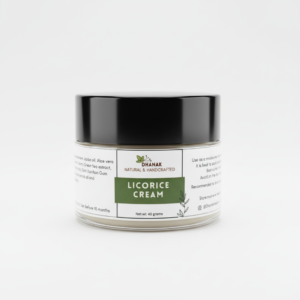
Sisira Organics Licorice Cream
30 mins2–5 daysBuy Sisira Organics Licorice Cream. 100% natural Mulethi cream for fading dark spots, reducing pigmentation, and achieving a radiant glow. Vegan &…
Original price was: ₹230.₹200Current price is: ₹200.Save ₹30 -
50g
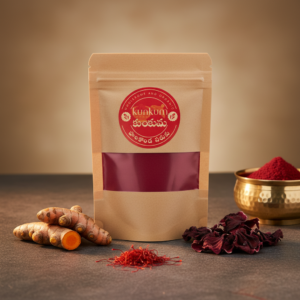
Sisira Organics Kumkum Original
30 mins2–5 daysBuy 100% Organic Sisira Organics Kumkum Original. Crafted with quality ingredients for a clean premium feel. Skin-safe, chemical-free, and easy to apply.
2 optionsFrom ₹30 -
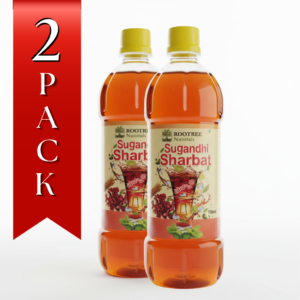
Sisira Organics Sugandhi Sharbath (Pack of 2)
30 mins2–5 daysBuy Sisira Organics Sugandhi Sharbath. An authentic, premium Nannari syrup for refreshing drinks. Naturally cools the body and purifies the blood.
Original price was: ₹450.₹399Current price is: ₹399.Save ₹51

Keep reading
Wood Pressed Oil vs Refined Oil
Introduction – Why the Wood‑Pressed vs Refined Oil Debate Matters in India India’s kitchen is a tapestry of flavors, rituals and health […]

Oil Pulling: Which Oil Works Best?
## Why This Guide Exists Oil pulling – swishing a tablespoon of oil in the mouth for 5‑20 minutes – has surged in […]
Best Cooking Oil for Diabetics
Why This Choice Matters Imagine it’s a typical Sunday afternoon in a bustling Indian household. The aroma of “dal‑tadka” and “phulka” wafts […]
For a faster, smoother experience, install our app
- ⚡Opens in one tap — quicker than the browser
- 📦Track orders and reorder favourites easily
- 🎁Be first to see daily deals and festive offers
Installs straight from our website in seconds.
- Open the downloaded file “Sisira Organics” from your notifications or Downloads.
- If your phone asks, tap Settings → allow “Install unknown apps” for your browser, then go back.
- Tap Install, then Open. Done!
- Tap the Share button ⬆ at the bottom of Safari.
- Choose “Add to Home Screen”, then Add.