

Oil Pulling: Which Oil Works Best?

## Why This Guide Exists
Oil pulling – swishing a tablespoon of oil in the mouth for 5‑20 minutes – has surged in Indian health circles, spurred by Ayurvedic texts and recent viral videos. Yet the market is flooded with a bewildering mix of “cold‑pressed”, “refined”, “organic” and “extra‑virgin” claims. Consumers often end up buying cheap, adulterated oils that not only dilute the benefits but can also pose health risks.
Adding urgency, Karnataka’s Food Safety Department announced a pilot digital system to **track used cooking oil and prevent its re‑entry into the food chain** 【1】. This underscores that oil quality is a national safety issue, not just a wellness trend.
This guide cuts through the hype, giving you a practical, evidence‑backed roadmap to select, use, and store the right oil for pulling – and for cooking, if you wish.
- Oil pulling works best with oils that are **cold‑pressed, minimally processed, and free of contaminants**.
- Indian markets often hide adulteration (e.g., mixed with cheaper palm or soybean oil).
- Price, packaging, and certification matter as much as the oil’s botanical source.
- Proper storage and usage prevent oxidation, preserving the oil’s therapeutic properties.
—
## What to Look for When Buying
Below are the seven most critical factors to evaluate before you click “Add to Cart”.
### 1. Extraction Method – Cold‑Pressed vs. Refined
* **Cold‑pressed** oils are mechanically extracted at ≤ 50 °C, preserving polyphenols, vitamins (E, K) and the natural fatty‑acid profile.
* **Refined** oils undergo high‑heat bleaching and deodorising, stripping beneficial compounds and often adding chemicals (e.g., hexane).
**Tip:** Look for “Cold‑pressed” or “Extra‑virgin” on the label; avoid terms like “Refined”, “Partially Hydrogenated”, or “Bleached”.
### 2. Source Plant & Variety
* **Sesame (Til) oil** – rich in sesamol, lignans, and copper; excellent for oral health.
* **Coconut oil** – high in lauric acid, antimicrobial; best for those preferring a mild flavour.
* **Sunflower & Safflower** – high linoleic acid; good for a lighter mouthfeel.
* **Organic Mustard (Rai) oil** – pungent, contains allyl isothiocyanate, but may irritate sensitive gums.
**Tip:** Choose oils that are **certified organic** (India Organic, USDA‑Organic) to avoid pesticide residues.
### 3. Purity & Adulteration Tests
– **GC‑MS (Gas Chromatography‑Mass Spectrometry) certificates** – some premium brands provide a lab report confirming the fatty‑acid profile.
– **FAO/WHO “Adulteration Index”** – look for a QR code linking to a third‑party test.
**Red Flag:** Absence of any lab data, especially for “cold‑pressed” claims, warrants caution.
### 4. Packaging
– **Dark glass (amber) bottles** protect against UV‑induced oxidation.
– **High‑density polyethylene (HDPE) cans** are acceptable if sealed airtight, but avoid clear PET bottles.
**Tip:** A tight‑closing, tamper‑evident cap is a must for long‑term storage.
### 5. Shelf Life & Expiry
Cold‑pressed oils have a **shelf life of 12‑18 months** if unopened and stored cool. Check the “Best Before” date; a short remaining period (< 3 months) reduces potency.
### 6. Certification & Traceability
– **FSSAI License** – mandatory for all food‑grade oils.
– **Organic Certification** – NPOP (India), USDA‑Organic, or EU Organic.
– **Karnataka’s new digital tracking** – some brands now display a “K‑OilTrack” QR code confirming the oil’s origin and that it is **not recycled cooking oil**.
**Tip:** Scan QR codes; they should lead to a government‑verified portal or an accredited lab.
### 7. Price‑Quality Ratio
In India, **price often reflects processing**. Ultra‑cheap oils ( ₹350 / 500 ml) typically offer organic, lab‑tested, dark‑glass packaging.
| Quality Tier | Typical Price (₹/500 ml) | Key Features |
|---|---|---|
| Economy | 80‑120 | Refined, possible adulteration, clear PET |
| Mid‑range | 150‑300 | Cold‑pressed, basic FSSAI, HDPE, limited testing |
| Premium | 350‑550 | Organic, GC‑MS report, amber glass, QR traceability |
—
## Red Flags & Adulteration Signs
| Red Flag | What It Means | How to Verify |
|———-|—————|—————|
| **Cloudy or watery texture** | May contain added water or cheap diluents (e.g., refined oil) | Rub a drop on paper; pure oil should leave a clear, non‑staining spot. |
| **Unusual colour (very light or overly dark)** | Over‑processing or added colourants | Check for “no added colour” claim; compare with known reference oils. |
| **Strong chemical or solvent smell** | Residual solvents like hexane from extraction | Smell the oil; cold‑pressed oils have a nutty, plant‑specific aroma. |
| **Absence of a batch/lot number** | Poor traceability, higher adulteration risk | Look for batch code; reputable brands always display it. |
| **Price far below market average** | Likely refined blend or recycled oil | Cross‑check price with other sellers; if it seems too good to be true, it probably is. |
| **No FSSAI logo or missing “Cold‑pressed” label** | May be mis‑labelled | Verify on the packaging; illegal claims can attract penalties. |
**Important:** Karnataka’s upcoming oil‑tracking app will soon make it mandatory for manufacturers to upload batch details. Until then, rely on the above visual and sensory checks.
—
## How to Use, Cook & Store the Oil
### Oil Pulling Technique
1. **Quantity:** 1 tablespoon (≈ 15 ml) of cold‑pressed oil.
2. **Time:** 5‑20 minutes. Beginners start with 5 min, gradually increase.
3. **Method:** Swish gently, pulling the oil through teeth and gums; avoid vigorous gargling.
4. **Finish:** Spit into a trash can (never the sink – it can clog drains). Rinse mouth with warm water, then brush as usual.
**Frequency:** 3‑5 times per week is sufficient for most oral‑health benefits.
### Cooking (Optional)
– **Sesame & Coconut oils** tolerate moderate heat (≤ 180 °C) – suitable for tempering (tadka) and light sautéing.
– **Sunflower & Safflower** have higher smoke points (≈ 225 °C) – good for deep‑frying.
– **Avoid re‑heating** the same oil repeatedly; oxidation reduces antioxidant capacity.
### Storage Best Practices
– **Cool, dark place** – pantry away from stove heat.
– **Refrigerate** for oils prone to rancidity (e.g., sesame). A slight clouding is normal; it clears at room temperature.
– **Seal tightly** after each use to limit oxygen exposure.
– **Never store near strong odours** (spices, onions) as oils can absorb them.
—
## Price Range in INR Across Quality Tiers
| Tier | Typical Price (₹/500 ml) | Example Brands |
|——|————————–|—————-|
| **Economy** | 80 – 120 | Local supermarket “Pure Oil” (refined) |
| **Mid‑range** | 150 – 300 | Sisira Organics Cold‑Pressed Sesame, Nature’s Aura Coconut |
| **Premium** | 350 – 550 | Organic India Sesame (amber glass), Kanan Devan’s Cold‑Pressed Mustard, Forest Essentials Coconut (organic, GC‑MS) |
*Prices fluctuate with seasonal harvests; buying in bulk (1 L) often reduces per‑ml cost by 10‑15 %.*
—
## Recommended Brands & Sources in India
| Brand | Oil Type | Certification | Packaging | Notable Feature |
|——-|———-|—————|———–|—————–|
| **Sisira Organics** | Cold‑pressed Sesame, Coconut | FSSAI, India Organic | Amber glass | QR code linking to batch GC‑MS report |
| **Organic India** | Sesame, Sunflower | USDA‑Organic, NPOP | Dark glass | Third‑party lab analysis available on website |
| **Kanan Devan** | Mustard, Sesame | NPOP, FSSAI | HDPE with tamper‑seal | “K‑OilTrack” QR for Karnataka’s tracking pilot |
| **Forest Essentials** | Virgin Coconut | USDA‑Organic | Amber bottle | Certified “no added preservatives” |
| **24 Mantra** | Sunflower, Safflower | NPOP, FSSAI | Dark glass | Transparent supply chain via QR |
**Where to Buy:** Brand‑owned e‑stores, reputable online marketplaces (BigBasket, Amazon Pantry with “Verified Seller” badge), or directly from organic marts in metros (Nature’s Basket, Reliance Fresh Organic).
—
## Common Mistakes to Avoid
1. **Using refined oil for pulling** – loses the antimicrobial polyphenols.
2. **Swallowing the oil** – it contains toxins and lipids meant to be expelled.
3. **Storing oil near the stove** – heat accelerates oxidation, turning the oil rancid.
4. **Re‑using the same oil for multiple pulling sessions** – bacterial growth can occur.
5. **Neglecting oral hygiene post‑pulling** – oil pulling complements, not replaces, brushing.
6. **Choosing the cheapest “cold‑pressed” label without verification** – leads to adulterated products.
7. **Spitting oil down the sink** – can cause pipe blockages; always discard in waste.
—
## FAQ
—
## Quick Summary Checklist
– **Extraction:** Choose cold‑pressed, extra‑virgin.
– **Purity:** Verify GC‑MS or third‑party test; avoid added solvents.
– **Packaging:** Dark amber glass or HDPE with tamper‑seal.
– **Certification:** FSSAI + organic (NPOP/USDA) + QR traceability.
– **Price:** ₹150‑₹300 for mid‑range, ₹350+ for premium organic.
– **Storage:** Cool, dark, airtight; refrigerate if needed.
– **Usage:** 1 Tbsp, 5‑20 min, spit in trash, rinse, brush.
– **Red Flags:** Cloudy texture, chemical smell, missing batch number, too‑low price.
Follow this checklist, and you’ll enjoy the full oral‑health benefits of oil pulling without compromising safety or quality.
References

Shop our bestsellers
-
Sisira Organics Kobra Pain Relief Oil
30 mins2–5 daysShop Sisira Organics Kobra Pain Relief Oil. 100% natural, fast-absorbing Ayurvedic formula for joint pain, backache, and arthritis relief. No mineral oils.
Original price was: ₹189.₹159Current price is: ₹159.Save ₹30 -
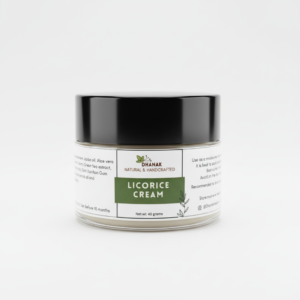
Sisira Organics Licorice Cream
30 mins2–5 daysBuy Sisira Organics Licorice Cream. 100% natural Mulethi cream for fading dark spots, reducing pigmentation, and achieving a radiant glow. Vegan &…
Original price was: ₹230.₹200Current price is: ₹200.Save ₹30 -
50g
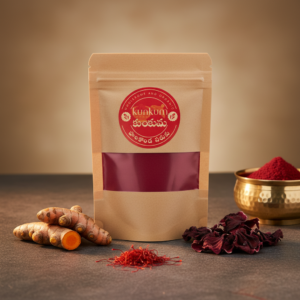
Sisira Organics Kumkum Original
30 mins2–5 daysBuy 100% Organic Sisira Organics Kumkum Original. Crafted with quality ingredients for a clean premium feel. Skin-safe, chemical-free, and easy to apply.
2 optionsFrom ₹30 -
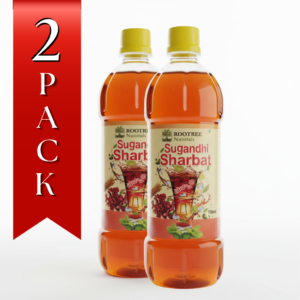
Sisira Organics Sugandhi Sharbath (Pack of 2)
30 mins2–5 daysBuy Sisira Organics Sugandhi Sharbath. An authentic, premium Nannari syrup for refreshing drinks. Naturally cools the body and purifies the blood.
Original price was: ₹450.₹399Current price is: ₹399.Save ₹51

Keep reading
Wood Pressed Oil vs Refined Oil
Introduction – Why the Wood‑Pressed vs Refined Oil Debate Matters in India India’s kitchen is a tapestry of flavors, rituals and health […]

Smoke Points: Choosing the Right Oil to Cook With
1. Why This Guide Exists – The Problem Statement India’s kitchen shelves are overflowing with oils: groundnut, mustard, sunflower, coconut, rice bran, […]

Best Cooking Oil for Diabetics
Why This Choice Matters Imagine it’s a typical Sunday afternoon in a bustling Indian household. The aroma of “dal‑tadka” and “phulka” wafts […]
For a faster, smoother experience, install our app
- ⚡Opens in one tap — quicker than the browser
- 📦Track orders and reorder favourites easily
- 🎁Be first to see daily deals and festive offers
Installs straight from our website in seconds.
- Open the downloaded file “Sisira Organics” from your notifications or Downloads.
- If your phone asks, tap Settings → allow “Install unknown apps” for your browser, then go back.
- Tap Install, then Open. Done!
- Tap the Share button ⬆ at the bottom of Safari.
- Choose “Add to Home Screen”, then Add.