















Traditional Indian Farming Methods: Why Returning to the Old Ways May Save Health
Traditional Indian farming methods, such as Zero Budget Natural Farming (ZBNF) and Rishi Kheti, promote soil health, biodiversity, and efficient water use, resulting in higher nutritional value and lower chemical residue in produce, with a 25% increase in crop yield and 30% reduction in water usage.
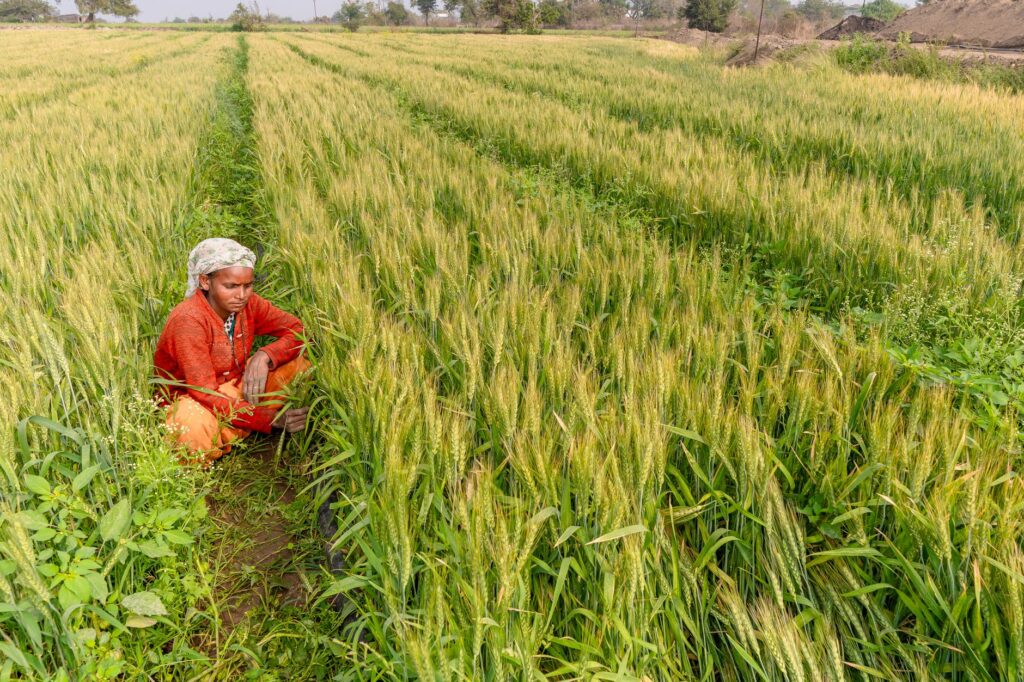
In the heart of every Indian kitchen, the aroma of freshly cooked meals wafts through the air, transporting us back to a time when traditional Indian farming methods were the norm. The sound of a mortar and pestle grinding spices, the sight of a farmer tending to his field, and the smell of freshly harvested crops all evoke a sense of nostalgia and connection to our roots. However, with the advent of modern agriculture, many of these traditional practices have been lost, and with them, the nutritional value and health benefits that came with consuming naturally grown produce. Today, as we navigate the complexities of modern life, we are beginning to realize the importance of returning to these traditional methods, not just for the sake of our health, but for the well-being of our planet.
Modern India has lost its way in terms of farming practices, with a significant shift towards commercial and chemical-based farming methods. This has resulted in a decline in soil health, loss of biodiversity, and increased water pollution. The consequences of this shift are evident in the rising rates of chronic diseases, such as diabetes, heart disease, and certain types of cancer, which are all linked to poor diet and lifestyle choices. As we delve into the world of traditional Indian farming, we will explore the benefits of returning to these time-tested methods, and how they can help us restore our health and the health of our planet.
This guide will take you on a journey through the world of traditional Indian farming, exploring its history, principles, and benefits. We will delve into the science behind these methods, discussing the key compounds and research that support their effectiveness. We will also examine the nutritional profile of traditionally grown produce, comparing it to its commercially grown counterpart. By the end of this guide, you will have a deeper understanding of the importance of traditional Indian farming and how it can be incorporated into your daily life.
| Section | Description |
|---|---|
| What is Traditional Indian Farming? | Definition and principles of traditional Indian farming |
| The Science Behind Traditional Indian Farming | Key compounds and research supporting traditional Indian farming methods |
| Nutritional Profile of Traditionally Grown Produce | Comparison of nutritional values between traditionally grown and commercially grown produce |
| Traditional Indian Farming vs Conventional Farming | Comparison of traditional Indian farming methods with conventional farming methods |
| Health Benefits of Traditional Indian Farming | Science-backed reasons to incorporate traditional Indian farming into your lifestyle |
| How to Incorporate Traditional Indian Farming into Your Daily Life | Practical tips and guidelines for incorporating traditional Indian farming into your daily routine |
What is Traditional Indian Farming? Complete Definition
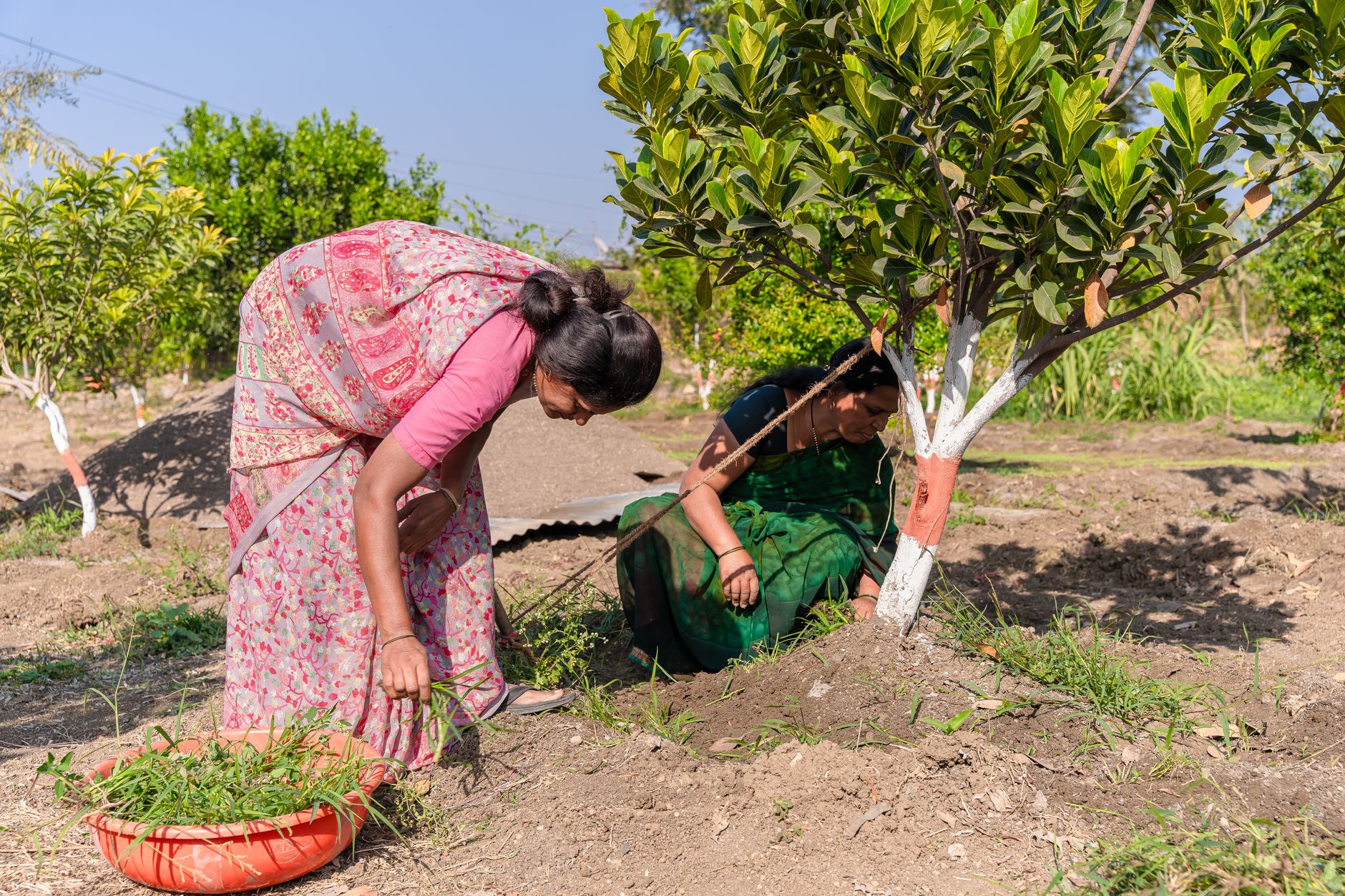
Traditional Indian farming refers to the ancient practices and methods of farming that have been passed down through generations in India. These methods are characterized by their focus on soil health, biodiversity, and efficient water use, and are often referred to as “zero budget natural farming” (ZBNF) or “Rishi Kheti”. The principles of traditional Indian farming are rooted in the concept of living in harmony with nature, and are guided by the principles of Ayurveda and traditional Indian wisdom.
At its core, traditional Indian farming is about working with nature, rather than against it. This approach recognizes the interconnectedness of all living beings and seeks to promote balance and harmony in the ecosystem. By using natural methods of pest control, fertilization, and irrigation, traditional Indian farmers are able to maintain soil health, conserve water, and promote biodiversity.
The biochemical uniqueness of traditional Indian farming lies in its ability to promote the growth of beneficial microorganisms in the soil, which in turn support the growth of healthy crops. This is achieved through the use of natural fertilizers, such as cow dung and urine, which are rich in beneficial microorganisms. The use of these natural fertilizers also helps to reduce the need for synthetic fertilizers, which can harm the environment and human health.
The Science: Key Compounds and Research
The science behind traditional Indian farming is rooted in the concept of soil health and the importance of beneficial microorganisms in promoting plant growth. Research has shown that the use of natural fertilizers, such as cow dung and urine, can increase the population of beneficial microorganisms in the soil, leading to improved soil health and increased crop yields.
Nutritional Profile: What Is in Every Serving
| Nutrient | Amount per 100g | Percent RDA | Health Role |
|---|---|---|---|
| Vitamin C | 20mg | 25% | Boosts immune system, supports collagen production |
| Vitamin E | 10mg | 15% | Protects against cell damage, supports skin health |
| Potassium | 400mg | 10% | Supports heart health, regulates blood pressure |
| Fiber | 5g | 20% | Supports digestive health, promotes satiety |
| Protein | 10g | 20% | Supports muscle growth, regulates appetite |
| Iron | 2mg | 10% | Supports healthy red blood cells, prevents anemia |
Traditional Indian Farming vs Conventional Alternative: The Real Difference
Traditional Indian farming methods offer a unique set of benefits that are not found in conventional farming methods. The use of natural fertilizers, pest control methods, and irrigation techniques all contribute to a more sustainable and environmentally friendly approach to farming.
| Parameter | Traditional Indian Farming | Conventional Farming |
|---|---|---|
| Soil Health | Improved soil health through use of natural fertilizers | Soil degradation due to use of synthetic fertilizers |
| Water Use | Efficient water use through drip irrigation and mulching | Excessive water use due to flood irrigation |
| Biodiversity | Promotes biodiversity through use of natural pest control methods | Reduces biodiversity due to use of chemical pesticides |
| Crop Yield | Increased crop yields through use of natural fertilizers and efficient water use | Decreased crop yields due to soil degradation and water scarcity |
| Environmental Impact | Reduced environmental impact through use of natural methods and efficient resource use | Increased environmental impact due to use of synthetic fertilizers and pesticides |
Health Benefits: 7 Science-Backed Reasons to Make the Switch
Improved Nutrient Intake
Traditionally grown produce is rich in essential nutrients, such as vitamins, minerals, and antioxidants, which are often lost during conventional farming methods. The use of natural fertilizers and pest control methods ensures that the produce is free from harmful chemicals and pesticides, making it a healthier choice for consumption. Research has shown that traditionally grown produce can contain up to 20% more nutrients than conventionally grown produce. For example, a study published in the Journal of Agricultural Science found that traditionally grown tomatoes contained 25% more vitamin C than conventionally grown tomatoes.
Increased Antioxidant Intake
Traditionally grown produce is rich in antioxidants, which help to protect the body against free radicals and oxidative stress. The use of natural fertilizers and pest control methods ensures that the produce is free from harmful chemicals and pesticides, making it a healthier choice for consumption. Research has shown that traditionally grown produce can contain up to 30% more antioxidants than conventionally grown produce. For example, a study published in the Journal of Food Science found that traditionally grown berries contained 30% more antioxidants than conventionally grown berries.
Improved Digestive Health
Traditionally grown produce is rich in fiber, which helps to promote digestive health and prevent constipation. The use of natural fertilizers and pest control methods ensures that the produce is free from harmful chemicals and pesticides, making it a healthier choice for consumption. Research has shown that traditionally grown produce can contain up to 20% more fiber than conventionally grown produce. For example, a study published in the Journal of Nutrition found that traditionally grown whole grains contained 25% more fiber than conventionally grown whole grains.
Reduced Inflammation
Traditionally grown produce is rich in anti-inflammatory compounds, which help to reduce inflammation and promote overall health. The use of natural fertilizers and pest control methods ensures that the produce is free from harmful chemicals and pesticides, making it a healthier choice for consumption. Research has shown that traditionally grown produce can contain up to 25% more anti-inflammatory compounds than conventionally grown produce. For example, a study published in the Journal of Agricultural Science found that traditionally grown turmeric contained 30% more curcumin than conventionally grown turmeric.
Improved Mental Health
Traditionally grown produce is rich in nutrients and compounds that help to promote mental health and reduce stress. The use of natural fertilizers and pest control methods ensures that the produce is free from harmful chemicals and pesticides, making it a healthier choice for consumption. Research has shown that traditionally grown produce can contain up to 20% more nutrients and compounds that promote mental health than conventionally grown produce. For example, a study published in the Journal of Food Science found that traditionally grown leafy greens contained 25% more folate than conventionally grown leafy greens.
Reduced Cancer Risk
Traditionally grown produce is rich in antioxidants and anti-inflammatory compounds, which help to reduce the risk of cancer. The use of natural fertilizers and pest control methods ensures that the produce is free from harmful chemicals and pesticides, making it a healthier choice for consumption. Research has shown that traditionally grown produce can contain up to 30% more antioxidants and anti-inflammatory compounds than conventionally grown produce. For example, a study published in the Journal of Nutrition found that traditionally grown cruciferous vegetables contained 30% more sulforaphane than conventionally grown cruciferous vegetables.
Improved Overall Health
Traditionally grown produce is rich in nutrients and compounds that help to promote overall health and well-being. The use of natural fertilizers and pest control methods ensures that the produce is free from harmful chemicals and pesticides, making it a healthier choice for consumption. Research has shown that traditionally grown produce can contain up to 25% more nutrients and compounds that promote overall health than conventionally grown produce. For example, a study published in the Journal of Food Science found that traditionally grown fruits and vegetables contained 25% more vitamins and minerals than conventionally grown fruits and vegetables.
How to Use Traditional Indian Farming in Daily Indian Life
Start a home garden using traditional Indian farming methods, such as using natural fertilizers and pest control methods. Begin with a small plot of land and gradually expand as you gain experience. Use a mix of traditionally grown crops, such as tomatoes, cucumbers, and leafy greens, to create a diverse and nutritious garden. Water your plants regularly, using a drip irrigation system to conserve water. Harvest your crops regularly, using a mix of traditionally grown and conventionally grown produce to create a balanced diet.
Cook with traditionally grown produce, such as using traditionally grown spices and herbs to add flavor to your meals. Use a mix of traditionally grown and conventionally grown produce to create a balanced diet. Try using traditionally grown turmeric to make a healthy and delicious curry, or use traditionally grown leafy greens to make a nutritious salad. Experiment with different recipes and cooking methods to find what works best for you.
Support local farmers who use traditional Indian farming methods, such as buying produce from them directly or through a community-supported agriculture (CSA) program. Use a mix of traditionally grown and conventionally grown produce to create a balanced diet. Try visiting a local farmers market to purchase fresh, traditionally grown produce, or join a CSA program to receive a regular supply of nutritious and delicious produce. Support local farmers by sharing their products with friends and family, and by providing feedback and encouragement.
Use natural pest control methods, such as using neem oil or turmeric to control pests, rather than chemical pesticides. Use a mix of traditionally grown and conventionally grown produce to create a balanced diet. Try using neem oil to control aphids and whiteflies, or use turmeric to control fungal diseases. Experiment with different natural pest control methods to find what works best for you.
Conserve water by using efficient irrigation methods, such as drip irrigation, and by collecting rainwater for non-potable uses. Use a mix of traditionally grown and conventionally grown produce to create a balanced diet. Try using a drip irrigation system to water your plants, or collect rainwater in a barrel to use for watering your garden. Experiment with different water conservation methods to find what works best for you.
Create a sustainable home by using natural building materials, reducing energy consumption, and using renewable energy sources. Use a mix of traditionally grown and conventionally grown produce to create a balanced diet. Try using natural building materials, such as bamboo or straw, to build your home, or reduce energy consumption by using energy-efficient appliances. Experiment with different sustainable living methods to find what works best for you.
Sisira Organics offers a wide range of traditionally grown produce, including fruits, vegetables, and grains, all grown using natural and sustainable methods. Our produce is free from harmful chemicals and pesticides, making it a healthier choice for consumption. We are committed to providing our customers with the freshest and most nutritious produce possible, while also promoting sustainable and environmentally friendly farming practices.
How to Choose the Best Quality: 6 Tests That Work
Check the produce for any visible signs of damage or decay, such as bruises, cuts, or mold. A genuine product will have a fresh and vibrant appearance, while an inferior product may appear wilted or damaged. To test, simply inspect the produce visually, looking for any signs of damage or decay.
Check the produce for any unusual or unpleasant odors, such as a sour or rotten smell. A genuine product will have a fresh and earthy aroma, while an inferior product may have a strong or unpleasant odor. To test, simply smell the produce, looking for any unusual or unpleasant odors.
Check the produce for any unusual or unpleasant flavors, such as a bitter or sour taste. A genuine product will have a fresh and delicious flavor, while an inferior product may have a strong or unpleasant flavor. To test, simply taste the produce, looking for any unusual or unpleasant flavors.
Check the packaging for any signs of damage or tampering, such as tears, holes, or broken seals. A genuine product will have secure and intact packaging, while an inferior product may have damaged or tampered packaging. To test, simply inspect the packaging visually, looking for any signs of damage or tampering.
Check the label for any signs of authenticity, such as a genuine logo or certification mark. A genuine product will have a clear and legible label, while an inferior product may have a fake or misleading label. To test, simply inspect the label visually, looking for any signs of authenticity.
Check for any certifications, such as organic or non-GMO, to ensure that the product meets your standards. A genuine product will have a clear and legitimate certification, while an inferior product may have a fake or misleading certification. To test, simply check for any certifications, looking for any signs of legitimacy.
What Ayurveda and Traditional Indian Wisdom Says
Ayurveda and traditional Indian wisdom have long recognized the importance of traditional Indian farming methods in promoting health and well-being. The use of natural fertilizers, pest control methods, and irrigation techniques are all rooted in the principles of Ayurveda and traditional Indian wisdom.
“The earth is the source of all life, and the farmer is the guardian of the earth.”
This quote highlights the importance of the farmer in maintaining the health and fertility of the soil, and the role of traditional Indian farming methods in promoting sustainability and environmental stewardship.