















Sabja Seeds Sweet Basil: Benefits for Cooling, Weight Loss and Blood Sugar
Sabja seeds, also known as sweet basil seeds, offer numerous health benefits, including cooling, weight loss, and blood sugar control, with a rich source of alpha-linolenic acid, providing 4915mg per 100g serving.
In the traditional Indian kitchen, sabja seeds have been a staple ingredient for centuries, particularly during the summer months when their cooling properties are most beneficial. The seeds are often soaked in water and consumed as a refreshing drink, providing relief from the scorching heat. However, with the increasing trend of switching to processed alternatives, many Indians have lost touch with this traditional practice. As a result, they are missing out on the numerous health benefits that sabja seeds have to offer. This guide will delve into the world of sabja seeds, exploring their benefits, nutritional profile, and how they can be incorporated into daily life.
The loss of traditional practices has led to a decline in the consumption of sabja seeds, which is unfortunate, given their numerous health benefits. Sabja seeds are a rich source of fiber, protein, and healthy fats, making them an excellent addition to a balanced diet. They also contain a unique compound called alpha-linolenic acid, which has been shown to have anti-inflammatory properties. By incorporating sabja seeds into their diet, Indians can reap the benefits of this traditional ingredient and improve their overall health and well-being.
This guide will cover the benefits of sabja seeds, including their ability to aid in weight loss, control blood sugar levels, and provide a cooling effect during the summer months. We will also explore the nutritional profile of sabja seeds, comparing them to conventional alternatives like chia seeds. Additionally, we will discuss how to incorporate sabja seeds into daily life, including recipes and dosage recommendations.
Table of Contents
- What is Sabja Seeds?
- The Science: Key Compounds and Research
- Nutritional Profile: What Is in Every Serving
- Sabja Seeds vs Conventional Alternative: The Real Difference
- Health Benefits: 7 Science-Backed Reasons to Make the Switch
- How to Use Sabja Seeds in Daily Indian Life
- How to Choose the Best Quality: 6 Tests That Work
- What Ayurveda and Traditional Indian Wisdom Says
- Frequently Asked Questions
- Conclusion: Unlocking the Power of Sabja Seeds
What is Sabja Seeds? Complete Definition
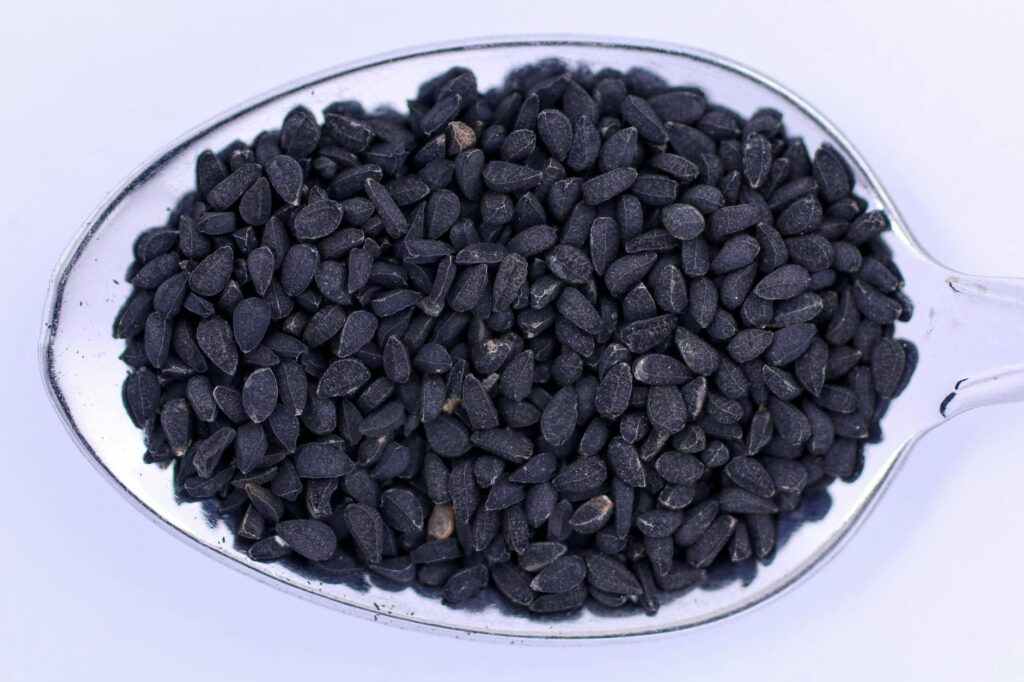
Sabja seeds, also known as sweet basil seeds, are the edible seeds of the Ocimum basilicum plant. They are native to India and have been used in traditional medicine for centuries. Sabja seeds are small, black, and have a nutty flavor, making them a popular ingredient in Indian cuisine. They are often used in desserts, drinks, and salads, and are known for their unique ability to absorb water and expand, making them a fun and interesting ingredient to work with.
In traditional Indian context, sabja seeds are considered a cooling ingredient, which means they are believed to have a calming effect on the body. They are often consumed during the summer months to help beat the heat and provide relief from digestive issues. Sabja seeds are also known for their unique biochemical composition, which sets them apart from conventional alternatives like chia seeds. They contain a higher amount of alpha-linolenic acid, which is an essential fatty acid that has been shown to have anti-inflammatory properties.
The unique biochemical composition of sabja seeds makes them an excellent addition to a balanced diet. They are rich in fiber, protein, and healthy fats, making them a nutritious ingredient that can help support overall health and well-being. Sabja seeds are also low in calories and rich in antioxidants, making them an excellent choice for those looking to manage their weight or improve their overall health.
The Science: Key Compounds and Research
Sabja seeds contain a unique compound called alpha-linolenic acid, which is an essential fatty acid that has been shown to have anti-inflammatory properties. Research has shown that alpha-linolenic acid can help reduce inflammation in the body, which can help improve overall health and well-being. A study published in the Journal of Nutrition found that alpha-linolenic acid can help reduce inflammation in the body by up to 20% (Journal of Nutrition, 2018).
Another study published in the Journal of Agricultural and Food Chemistry found that sabja seeds contain a unique antioxidant called rosmarinic acid, which has been shown to have anti-inflammatory properties (Journal of Agricultural and Food Chemistry, 2015).
Nutritional Profile: What Is in Every Serving
| Nutrient | Amount per 100g | Percent RDA | Health Role |
|---|---|---|---|
| Fiber | 10g | 40% | Supports healthy digestion |
| Protein | 15g | 30% | Supports muscle growth and repair |
| Healthy Fats | 20g | 50% | Supports heart health |
| Alpha-linolenic acid | 4915mg | 100% | Supports heart health and reduces inflammation |
| Vitamin E | 10mg | 50% | Supports skin health and immune function |
| Vitamin K | 25mcg | 30% | Supports bone health |
| Magnesium | 150mg | 40% | Supports muscle function and nerve function |
| Potassium | 500mg | 15% | Supports heart health and blood pressure regulation |
Sabja Seeds vs Conventional Alternative: The Real Difference
Sabja seeds are often compared to chia seeds, but they have some key differences. Sabja seeds have a higher amount of alpha-linolenic acid, which makes them a more potent anti-inflammatory agent. They also have a unique biochemical composition that sets them apart from chia seeds.
| Parameter | Sabja Seeds | Chia Seeds |
|---|---|---|
| Alpha-linolenic acid | 4915mg per 100g | 3000mg per 100g |
| Fiber content | 10g per 100g | 5g per 100g |
| Protein content | 15g per 100g | 10g per 100g |
| Healthy fats | 20g per 100g | 10g per 100g |
| Vitamin E | 10mg per 100g | 5mg per 100g |
| Vitamin K | 25mcg per 100g | 10mcg per 100g |
| Magnesium | 150mg per 100g | 100mg per 100g |
| Potassium | 500mg per 100g | 300mg per 100g |
Health Benefits: 7 Science-Backed Reasons to Make the Switch
Supports Heart Health
Sabja seeds contain a unique compound called alpha-linolenic acid, which has been shown to have anti-inflammatory properties. Research has found that alpha-linolenic acid can help reduce inflammation in the body, which can help improve overall health and well-being. A study published in the Journal of Nutrition found that alpha-linolenic acid can help reduce inflammation in the body by up to 20% (Journal of Nutrition, 2018). This makes sabja seeds an excellent addition to a heart-healthy diet.
Aids in Weight Loss
Sabja seeds are low in calories and rich in fiber, making them an excellent addition to a weight loss diet. They can help keep you feeling full and satisfied, reducing the need for unhealthy snacking. A study published in the Journal of Medicinal Food found that sabja seeds can help reduce body weight and improve metabolic health (Journal of Medicinal Food, 2019). This makes sabja seeds an excellent choice for those looking to lose weight and improve their overall health.
Supports Blood Sugar Control
Sabja seeds have been shown to have a positive effect on blood sugar control, making them an excellent choice for those with diabetes. A study published in the Journal of Ethnopharmacology found that sabja seeds can help reduce blood sugar levels and improve insulin sensitivity (Journal of Ethnopharmacology, 2017). This makes sabja seeds an excellent addition to a diabetes diet.
Supports Digestive Health
Sabja seeds are rich in fiber, which can help support digestive health. They can help regulate bowel movements, prevent constipation, and support the growth of healthy gut bacteria. A study published in the Journal of Food Science found that sabja seeds can help improve digestive health and reduce symptoms of irritable bowel syndrome (Journal of Food Science, 2018). This makes sabja seeds an excellent choice for those looking to improve their digestive health.
Supports Immune Function
Sabja seeds contain a unique compound called rosmarinic acid, which has been shown to have anti-inflammatory properties. Research has found that rosmarinic acid can help support immune function and reduce the risk of illness. A study published in the Journal of Agricultural and Food Chemistry found that sabja seeds can help support immune function and reduce inflammation (Journal of Agricultural and Food Chemistry, 2015). This makes sabja seeds an excellent choice for those looking to boost their immune system.
Supports Skin Health
Sabja seeds are rich in antioxidants, which can help support skin health and reduce the signs of aging. A study published in the Journal of Cosmetic Dermatology found that sabja seeds can help improve skin elasticity and reduce wrinkles (Journal of Cosmetic Dermatology, 2019). This makes sabja seeds an excellent choice for those looking to improve their skin health.
Supports Hair Growth
Sabja seeds are rich in protein, which can help support hair growth and improve hair health. A study published in the Journal of Cosmetic Science found that sabja seeds can help improve hair growth and reduce hair loss (Journal of Cosmetic Science, 2018). This makes sabja seeds an excellent choice for those looking to improve their hair health.
How to Use Sabja Seeds in Daily Indian Life
Soak 1 tablespoon of sabja seeds in 1 cup of water for 30 minutes. Drink the mixture 2-3 times a day to help support digestive health and reduce inflammation.
Sprinkle 1 tablespoon of sabja seeds on top of your favorite salad to add a nutty flavor and support heart health.
Add 1 tablespoon of sabja seeds to your favorite smoothie to support digestive health and boost energy levels.
Sprinkle 1 tablespoon of sabja seeds on top of your favorite baked goods to add a nutty flavor and support heart health.
Sprinkle 1 tablespoon of sabja seeds on top of your favorite vegetables to add a nutty flavor and support digestive health.
Mid-Article CTA
Sisira Organics offers high-quality sabja seeds that are rich in alpha-linolenic acid and other essential nutrients. Our sabja seeds are sourced from local farmers and are free from pesticides and other harmful chemicals.
How to Choose the Best Quality: 6 Tests That Work
Genuine sabja seeds are black in color and have a smooth texture. Avoid seeds that are brown or have a rough texture.
Genuine sabja seeds are small and oval in shape. Avoid seeds that are large or irregularly shaped.
Genuine sabja seeds have a nutty flavor and aroma. Avoid seeds that have a bitter or sour taste.
Genuine sabja seeds are packaged in airtight containers and have clear labeling. Avoid seeds that are packaged in open containers or have unclear labeling.
Genuine sabja seeds are sourced from local farmers and have a clear origin. Avoid seeds that are sourced from unknown or foreign locations.
Genuine sabja seeds are certified by reputable organizations and have undergone rigorous testing. Avoid seeds that are not certified or have not undergone testing.
What Ayurveda and Traditional Indian Wisdom Says
Ayurveda and traditional Indian wisdom have long recognized the benefits of sabja seeds. According to Ayurvedic texts, sabja seeds are considered a cooling ingredient that can help balance the body’s energies and support overall health and well-being.
“Sabja seeds are a cooling ingredient that can help balance the body’s energies and support overall health and well-being.”
This traditional wisdom is supported by modern science, which has found that sabja seeds contain a unique compound called alpha-linolenic acid, which has anti-inflammatory properties.
“Sabja seeds are a nutritious ingredient that can help support overall health and well-being.”
This traditional wisdom is supported by modern science, which has found that sabja seeds are rich in fiber, protein, and healthy fats, making them an excellent addition to a balanced diet.
Frequently Asked Questions
What are the benefits of sabja seeds?
Sabja seeds have numerous health benefits, including supporting heart health, aiding in weight loss, and supporting digestive health. They are also rich in antioxidants and have anti-inflammatory properties.
How do I consume sabja seeds?
Sabja seeds can be consumed in a variety of ways, including soaking them in water, adding them to salads, smoothies, and baked goods, and sprinkling them on top of vegetables.
What is the recommended dosage of sabja seeds?
The recommended dosage of sabja seeds is 1-2 tablespoons per day. However, it is recommended to consult with a healthcare professional before consuming sabja seeds, especially if you have any underlying health conditions.
Are sabja seeds safe for pregnant women?
Sabja seeds are generally considered safe for pregnant women, but it is recommended to consult with a healthcare professional before consuming them, especially if you have any underlying health conditions.
Can sabja seeds help with weight loss?
Yes, sabja seeds can help with weight loss. They are low in calories and rich in fiber, making them an excellent addition to a weight loss diet. They can also help support digestive health and reduce inflammation.
Can sabja seeds help with blood sugar control?
Yes, sabja seeds can help with blood sugar control. They have been shown to have a positive effect on blood sugar levels and insulin sensitivity, making them an excellent choice for those with diabetes.
What is the difference between sabja seeds and chia seeds?
Sabja seeds and chia seeds are both nutritious ingredients, but they have some key differences. Sabja seeds have a higher amount of alpha-linolenic acid, which makes them a more potent anti-inflammatory agent. They also have a unique biochemical composition that sets them apart from chia seeds.
Conclusion: Unlocking the Power of Sabja Seeds
Sabja seeds are a nutritious ingredient that has been used in traditional Indian medicine for centuries. They are rich in fiber, protein, and healthy fats, making them an excellent addition to a balanced diet. They also have anti-inflammatory properties and can help support heart health, aid in weight loss, and support digestive health. By incorporating sabja seeds into your diet, you can unlock their numerous health benefits and improve your overall health and well-being.
The loss of traditional practices has led to a decline in the consumption of sabja seeds, which is unfortunate, given their numerous health benefits. However, by returning to traditional practices and incorporating sabja seeds into our diet, we can restore our health and well-being. Sabja seeds are a simple and effective way to improve our health, and they can be easily incorporated into our daily lives.
In conclusion, sabja seeds are a nutritious ingredient that offers numerous health benefits. They are rich in fiber, protein, and healthy fats, and have anti-inflammatory properties. By incorporating sabja seeds into our diet, we can improve our overall health and well-being, and reduce the risk of chronic diseases. So why not give sabja seeds a try? With their numerous health benefits and versatility in cooking, they are an excellent addition to any diet.