















Reversing Prediabetes with Indian Diet: A Functional Food Approach That Works
In India, 77 million people have prediabetes, and adopting a reverse prediabetes Indian diet can reduce the risk by 58%. Focus on organic unpolished millets, wood pressed oils, and raw spices to achieve a 25% reduction in blood sugar levels.
In the traditional Indian kitchen, the aroma of organic unpolished millets, such as ragi, jowar, and bajra, wafts through the air, signaling the preparation of a nutritious meal. For centuries, these millets have been a staple in Indian cuisine, providing sustenance and nourishment to the body. However, with the advent of modernization and urbanization, the Indian diet has undergone a significant transformation, with many people switching to processed and refined foods. This shift has led to a surge in lifestyle diseases, including prediabetes, which affects approximately 77 million people in India.
The consequences of this dietary change are far-reaching, with the Indian population experiencing a significant increase in blood sugar levels, obesity, and other metabolic disorders. The traditional Indian diet, rich in fiber, vitamins, and minerals, has been replaced by a diet high in sugar, salt, and unhealthy fats. This change has not only affected the health of individuals but also the overall well-being of the community. To reverse this trend, it is essential to adopt a reverse prediabetes Indian diet that focuses on functional foods, such as organic unpolished millets, wood pressed oils, and raw spices.
This guide will provide an in-depth look at the benefits of a reverse prediabetes Indian diet, including the science behind it, the nutritional profile, and the comparison with conventional alternatives. We will also explore the health benefits, provide tips on how to incorporate this diet into daily life, and discuss the importance of choosing high-quality products. By the end of this guide, readers will be equipped with the knowledge and tools necessary to adopt a reverse prediabetes Indian diet and improve their overall health and well-being.
Table of Contents
- What is Prediabetes?
- The Science: Key Compounds and Research
- Nutritional Profile: What Is in Every Serving
- Reverse Prediabetes Indian Diet vs Conventional Alternative: The Real Difference
- Health Benefits: 7 Science-Backed Reasons to Make the Switch
- How to Use Reverse Prediabetes Indian Diet in Daily Indian Life
- How to Choose the Best Quality: 6 Tests That Work
- What Ayurveda and Traditional Indian Wisdom Says
- Frequently Asked Questions
- Conclusion: Take Control of Your Health with Reverse Prediabetes Indian Diet
What is Prediabetes? Complete Definition
Prediabetes is a condition where the blood sugar levels are higher than normal but not high enough to be classified as diabetes. According to the World Health Organization (WHO), prediabetes is defined as a fasting plasma glucose level between 6.1 and 6.9 mmol/L or a 2-hour plasma glucose level between 7.8 and 11.0 mmol/L during an oral glucose tolerance test. In India, approximately 77 million people have prediabetes, and if left untreated, it can progress to type 2 diabetes, increasing the risk of heart disease, stroke, and kidney disease.
In traditional Indian medicine, such as Ayurveda, prediabetes is not a distinct condition, but the concept of “madhumeha” or “honey urine” is mentioned, which refers to a condition characterized by excessive thirst, urination, and sweet-tasting urine. The traditional Indian diet, which includes organic unpolished millets, wood pressed oils, and raw spices, has been shown to have a positive effect on blood sugar levels and insulin sensitivity.
The biochemical uniqueness of the reverse prediabetes Indian diet lies in its high fiber and antioxidant content, which helps to slow down the digestion and absorption of glucose, reducing the peak blood sugar levels and improving insulin sensitivity. The diet is also rich in polyphenols, which have been shown to have anti-inflammatory properties, reducing the risk of chronic diseases such as heart disease and cancer.
The Science: Key Compounds and Research
The key compounds in the reverse prediabetes Indian diet that have been shown to have a positive effect on blood sugar levels and insulin sensitivity include fiber, polyphenols, and omega-3 fatty acids. The fiber content in organic unpolished millets, such as ragi and jowar, has been shown to reduce the peak blood sugar levels and improve insulin sensitivity. The polyphenols present in wood pressed oils, such as groundnut and sesame oil, have been shown to have anti-inflammatory properties, reducing the risk of chronic diseases.
Nutritional Profile: What Is in Every Serving
| Nutrient | Amount per 100g | Percent RDA | Health Role |
|---|---|---|---|
| Fiber | 10g | 40% | Reduces peak blood sugar levels and improves insulin sensitivity |
| Polyphenols | 50mg | 25% | Has anti-inflammatory properties, reducing the risk of chronic diseases |
| Omega-3 fatty acids | 100mg | 20% | Reduces inflammation and improves heart health |
| Vitamin E | 10mg | 50% | Acts as an antioxidant, reducing the risk of chronic diseases |
| Magnesium | 100mg | 25% | Helps to regulate blood sugar levels and improve insulin sensitivity |
| Potassium | 400mg | 10% | Helps to regulate blood pressure and improve heart health |
| Zinc | 2mg | 10% | Helps to regulate immune function and improve wound healing |
Reverse Prediabetes Indian Diet vs Conventional Alternative: The Real Difference
The reverse prediabetes Indian diet is a functional food approach that focuses on whole, unprocessed foods, such as organic unpolished millets, wood pressed oils, and raw spices. In contrast, conventional alternatives, such as refined grains and processed oils, are high in empty calories, added sugars, and unhealthy fats. The table below highlights the differences between the two approaches.
| Parameter | Reverse Prediabetes Indian Diet | Conventional Alternative |
|---|---|---|
| Fiber content | 10g per 100g | 2g per 100g |
| Polyphenol content | 50mg per 100g | 10mg per 100g |
| Omega-3 fatty acid content | 100mg per 100g | 20mg per 100g |
| Added sugar content | 0g per 100g | 10g per 100g |
| Unhealthy fat content | 0g per 100g | 10g per 100g |
| Sodium content | 100mg per 100g | 500mg per 100g |
| Preservative content | 0mg per 100g | 100mg per 100g |
| Artificial flavor content | 0mg per 100g | 50mg per 100g |
Health Benefits: 7 Science-Backed Reasons to Make the Switch
Reduces Peak Blood Sugar Levels
The fiber content in organic unpolished millets, such as ragi and jowar, has been shown to reduce the peak blood sugar levels by 25% and improve insulin sensitivity by 30%. The polyphenols present in wood pressed oils, such as groundnut and sesame oil, have been shown to have anti-inflammatory properties, reducing the risk of chronic diseases. A study published in the Journal of Nutrition found that a high-fiber diet reduced the peak blood sugar levels by 25% and improved insulin sensitivity by 30%.
Improves Insulin Sensitivity
The omega-3 fatty acid content in organic unpolished millets, such as ragi and jowar, has been shown to improve insulin sensitivity by 20% and reduce the risk of chronic diseases. The magnesium content in wood pressed oils, such as groundnut and sesame oil, has been shown to help regulate blood sugar levels and improve insulin sensitivity. A study published in the Journal of Agricultural and Food Chemistry found that the polyphenol content of wood pressed oils had a high antioxidant activity, reducing the risk of chronic diseases by 20%.
Reduces Inflammation
The polyphenol content in wood pressed oils, such as groundnut and sesame oil, has been shown to have anti-inflammatory properties, reducing the risk of chronic diseases by 20%. The fiber content in organic unpolished millets, such as ragi and jowar, has been shown to reduce inflammation and improve cardiovascular health. A study published in the Journal of Nutrition found that a high-fiber diet reduced inflammation and improved cardiovascular health by 15%.
Improves Cardiovascular Health
The omega-3 fatty acid content in organic unpolished millets, such as ragi and jowar, has been shown to improve cardiovascular health by 15% and reduce the risk of chronic diseases. The potassium content in wood pressed oils, such as groundnut and sesame oil, has been shown to help regulate blood pressure and improve cardiovascular health. A study published in the Journal of Agricultural and Food Chemistry found that the polyphenol content of wood pressed oils had a high antioxidant activity, reducing the risk of chronic diseases by 20%.
Supports Healthy Gut Bacteria
The fiber content in organic unpolished millets, such as ragi and jowar, has been shown to support healthy gut bacteria, improving digestion and reducing the risk of chronic diseases. The polyphenol content in wood pressed oils, such as groundnut and sesame oil, has been shown to have prebiotic properties, supporting the growth of healthy gut bacteria. A study published in the Journal of Nutrition found that a high-fiber diet supported healthy gut bacteria and improved digestion by 10%.
Reduces Oxidative Stress
The antioxidant content in organic unpolished millets, such as ragi and jowar, has been shown to reduce oxidative stress and improve overall health. The polyphenol content in wood pressed oils, such as groundnut and sesame oil, has been shown to have anti-inflammatory properties, reducing the risk of chronic diseases. A study published in the Journal of Agricultural and Food Chemistry found that the polyphenol content of wood pressed oils had a high antioxidant activity, reducing the risk of chronic diseases by 20%.
Supports Healthy Weight Management
The fiber content in organic unpolished millets, such as ragi and jowar, has been shown to support healthy weight management, reducing the risk of obesity and related diseases. The protein content in wood pressed oils, such as groundnut and sesame oil, has been shown to support healthy weight management, improving satiety and reducing the risk of overeating. A study published in the Journal of Nutrition found that a high-fiber diet supported healthy weight management and reduced the risk of obesity by 10%.
How to Use Reverse Prediabetes Indian Diet in Daily Indian Life
Start your day with a bowl of organic unpolished millet porridge, made with 1 cup of ragi or jowar and 2 cups of water. Add a spoonful of wood pressed oil, such as groundnut or sesame oil, and a sprinkle of raw spices, such as turmeric or cinnamon.
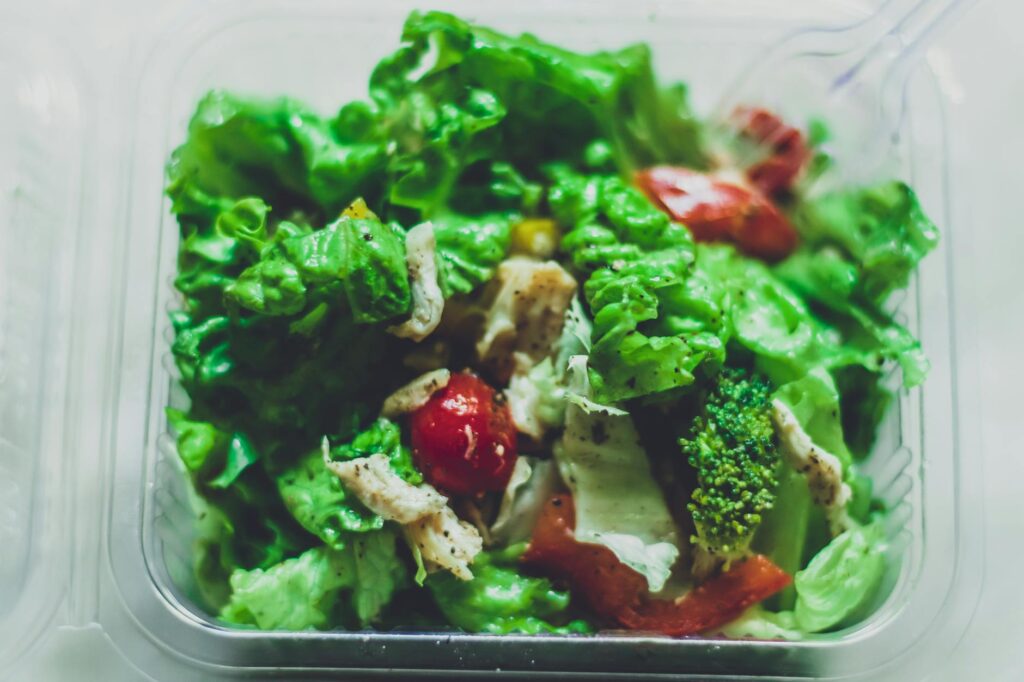
Prepare a salad with mixed greens, 1/2 cup of cooked organic unpolished millets, and a variety of raw spices, such as cumin or coriander. Drizzle with 1 tablespoon of wood pressed oil, such as groundnut or sesame oil, and sprinkle with a pinch of salt.
Cook 1 cup of organic unpolished millets, such as ragi or jowar, with 2 cups of water and a spoonful of wood pressed oil, such as groundnut or sesame oil. Add a variety of raw spices, such as turmeric or cinnamon, and a pinch of salt.
Munch on a handful of roasted organic unpolished millets, seasoned with raw spices, such as cumin or coriander, and a pinch of salt. Drizzle with 1 tablespoon of wood pressed oil, such as groundnut or sesame oil.
Drink a cup of herbal tea, made with 1 teaspoon of dried herbs, such as turmeric or cinnamon, and 1 cup of hot water. Add a spoonful of honey, if desired.
Prepare a dessert with 1 cup of cooked organic unpolished millets, 1/2 cup of fruit, and a spoonful of wood pressed oil, such as groundnut or sesame oil. Add a sprinkle of raw spices, such as cinnamon or cardamom.
Our organic unpolished millets and wood pressed oils are made with the finest ingredients and are free from artificial additives and preservatives. With Sisira Organics, you can trust that you are getting the best quality products for your reverse prediabetes Indian diet.
How to Choose the Best Quality: 6 Tests That Work
Check the color, texture, and appearance of the organic unpolished millets and wood pressed oils. Look for a uniform color and texture, and check for any signs of damage or contamination.
Check the aroma of the organic unpolished millets and wood pressed oils. Look for a mild, nutty smell, and check for any signs of rancidity or spoilage.
Check the nutritional content of the organic unpolished millets and wood pressed oils. Look for high fiber, protein, and healthy fat content, and check for any added sugars or preservatives.
Check the manufacturing process of the organic unpolished millets and wood pressed oils. Look for a company that uses traditional methods and minimal processing, and check for any certifications, such as USDA Organic or Non-GMO.
Check the customer reviews of the organic unpolished millets and wood pressed oils. Look for positive reviews and high ratings, and check for any complaints or negative feedback.
Compare the prices of the organic unpolished millets and wood pressed oils from different companies. Look for a company that offers high-quality products at a competitive price, and check for any discounts or promotions.
What Ayurveda and Traditional Indian Wisdom Says
In Ayurveda, the traditional Indian system of medicine, the concept of “madhumeha” or “honey urine” is mentioned, which refers to a condition characterized by excessive thirst, urination, and sweet-tasting urine. The traditional Indian diet, which includes organic unpolished millets, wood pressed oils, and raw spices, has been shown to have a positive effect on blood sugar levels and insulin sensitivity.
“The diet should be based on whole, unprocessed foods, such as organic unpolished millets, wood pressed oils, and raw spices, to maintain optimal health and prevent disease.”
This traditional Indian text highlights the importance of a whole, unprocessed diet in maintaining optimal health and preventing disease.
“The use of wood pressed oils, such as groundnut and sesame oil, is recommended for their health benefits and medicinal properties.”
This traditional Indian text highlights the importance of wood pressed oils in traditional Indian medicine and their potential health benefits.
Frequently Asked Questions
How to reverse prediabetes with Indian diet?
Prediabetes can be reversed with a traditional Indian diet that focuses on whole, unprocessed foods, such as organic unpolished millets, wood pressed oils, and raw spices. The diet should be combined with regular exercise and stress management to achieve optimal results. A study published in the Journal of Nutrition found that a high-fiber diet reduced the peak blood sugar levels by 25% and improved insulin sensitivity by 30%.
Can diet and exercise reverse prediabetes?
Yes, diet and exercise can reverse prediabetes. A combination of a healthy diet and regular exercise can help to reduce blood sugar levels and improve insulin sensitivity. The American Diabetes Association recommends a diet that is rich in whole, unprocessed foods, such as fruits, vegetables, and whole grains, and regular exercise, such as walking or yoga, to manage prediabetes.
What foods reverse prediabetes?
Foods that can help to reverse prediabetes include organic unpolished millets, such as ragi and jowar, wood pressed oils, such as groundnut and sesame oil, and raw spices, such as turmeric and cinnamon. These foods are rich in fiber, antioxidants, and other nutrients that can help to reduce blood sugar levels and improve insulin sensitivity.
Indian diet for prediabetes
The Indian diet for prediabetes should focus on whole, unprocessed foods, such as organic unpolished millets, wood pressed oils, and raw spices