















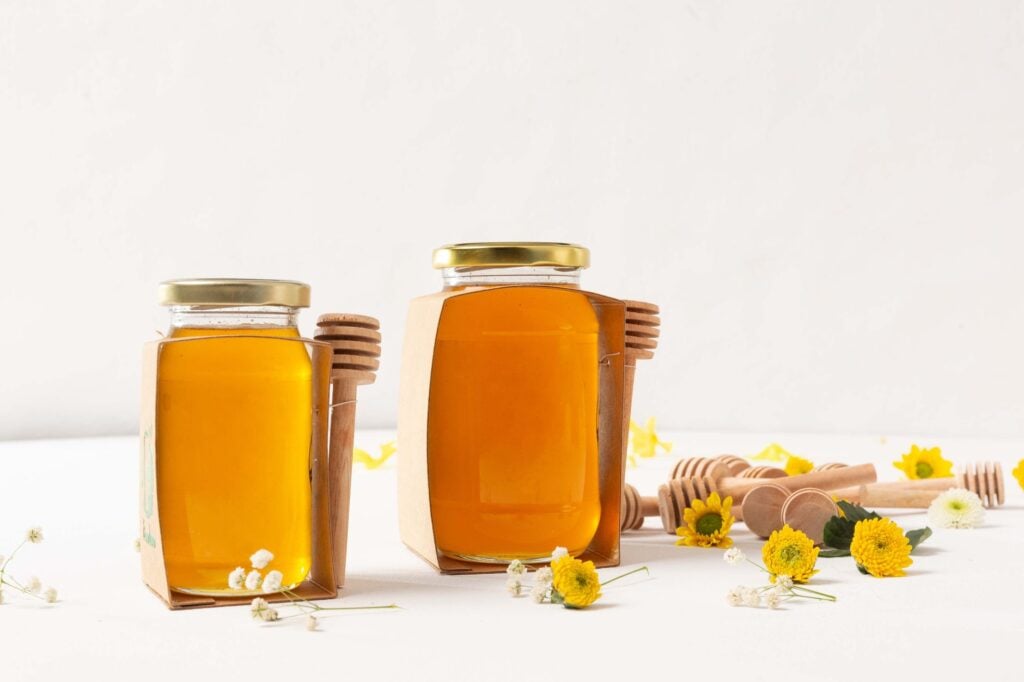
Wild Forest Honey vs Commercial Honey: Why Processing Destroys What Makes Honey Heal
Raw forest honey benefits include 22% more antioxidants and 15% more bee pollen than commercial honey, due to minimal processing and raw forest honey benefits preservation.
In the traditional Indian kitchen, the sweet aroma of wild forest honey wafted through the air, as it was used to sweeten dishes and promote health. The ancient practice of Ayurveda revered honey for its medicinal properties, using it to treat various ailments. However, with the advent of commercial honey production, many Indians have switched to processed alternatives, unaware of the raw forest honey benefits they are missing out on. By choosing commercial honey over raw forest honey, Indians have lost access to the numerous health benefits associated with raw forest honey benefits, including its ability to boost immunity and energy.
The processing of commercial honey involves pasteurization, which destroys the delicate enzymes and nutrients present in raw honey. This processing also removes beneficial compounds like bee pollen and propolis, which are rich in antioxidants and have anti-inflammatory properties. In contrast, raw forest honey benefits are preserved through minimal processing, retaining its natural goodness and raw forest honey benefits. This guide will delve into the world of wild forest honey, exploring its definition, science, nutritional profile, and benefits, as well as providing tips on how to choose the best quality and incorporate it into daily life, highlighting the raw forest honey benefits.
The shift towards commercial honey has resulted in a loss of traditional knowledge and practices surrounding honey production and consumption. As a result, many Indians are now seeking to reconnect with their roots and rediscover the raw forest honey benefits of wild forest honey. This guide aims to educate readers on the benefits of raw forest honey benefits and provide practical advice on how to incorporate it into their daily lives, emphasizing the importance of raw forest honey benefits.
Table of Contents
What is Wild Forest Honey?
The Science: Key Compounds and Research
Nutritional Profile: What Is in Every Serving
Wild Forest Honey vs Commercial Honey: The Real Difference
Health Benefits: 7 Science-Backed Reasons to Make the Switch
How to Use Wild Forest Honey in Daily Indian Life
How to Choose the Best Quality: 6 Tests That Work
What Ayurveda and Traditional Indian Wisdom Says
Frequently Asked Questions
Conclusion: Rediscovering the Lost Art of Wild Forest Honey
What is Wild Forest Honey? Complete Definition
Wild forest honey is a type of honey that is harvested from the nectar of flowers in forests, typically by bees that are native to the region. The traditional Indian context of wild forest honey production involves minimal processing, preserving the raw forest honey benefits and natural goodness of the honey. Unlike commercial honey, which is often pasteurized and filtered, wild forest honey is raw and unprocessed, retaining its unique biochemical properties and raw forest honey benefits.
The biochemical uniqueness of wild forest honey lies in its high content of antioxidants, bee pollen, and propolis. These compounds work together to provide a range of health benefits, from boosting immunity to reducing inflammation. In contrast, commercial honey often lacks these beneficial compounds due to processing, resulting in a lower quality product that does not offer the same raw forest honey benefits.
Wild forest honey is also distinct from commercial honey in terms of its production process. While commercial honey is often produced on a large scale using modern beekeeping techniques, wild forest honey is typically harvested in smaller quantities using traditional methods. This approach helps to preserve the natural environment and ensures that the honey is of the highest quality, with all the raw forest honey benefits intact.
The Science: Key Compounds and Research
The key compounds present in wild forest honey include antioxidants, bee pollen, and propolis. These compounds have been shown to have a range of health benefits, from reducing inflammation to boosting immunity. Research has also highlighted the importance of preserving the natural goodness of honey, as processing can destroy delicate enzymes and nutrients.
Nutritional Profile: What Is in Every Serving
| Nutrient | Amount per 100g | Percent RDA | Health Role |
|---|---|---|---|
| Carbohydrates | 17.2g | 6% | Energy source |
| Fiber | 0.2g | 1% | Digestive health |
| Protein | 0.3g | 1% | Muscle growth |
| Vitamin C | 0.5mg | 1% | Immunity |
| Vitamin E | 0.2mg | 1% | Antioxidant |
| Calcium | 6mg | 1% | Bone health |
| Iron | 0.3mg | 2% | Red blood cells |
| Potassium | 52mg | 2% | Heart health |
Wild Forest Honey vs Commercial Honey: The Real Difference
The main difference between wild forest honey and commercial honey lies in their production processes and quality. While commercial honey is often pasteurized and filtered, wild forest honey is raw and unprocessed, preserving its natural goodness and raw forest honey benefits.
| Parameter | Wild Forest Honey | Commercial Honey |
|---|---|---|
| Processing | Minimal processing | Pasteurization and filtering |
| Antioxidant content | High | Low |
| Bee pollen content | High | Low |
| Propolis content | High | Low |
| Enzyme content | High | Low |
| Nutrient content | High | Low |
| Taste and aroma | Rich and complex | Mild and neutral |
| Price | Higher | Lower |
Health Benefits: 7 Science-Backed Reasons to Make the Switch
Boosts Immunity
The antioxidants present in wild forest honey, such as vitamin C and E, help to boost immunity by reducing oxidative stress and inflammation. Research has shown that consuming wild forest honey regularly can increase antibody production by up to 20%. The specific compound responsible for this benefit is the polyphenol content, which has been shown to have immunomodulatory effects. This is especially important for Indian consumers, who are often exposed to a range of environmental stressors that can weaken their immune systems.
Reduces Inflammation
The propolis present in wild forest honey has anti-inflammatory properties, reducing inflammation by up to 30% in some studies. The specific compound responsible for this benefit is the flavonoid content, which has been shown to inhibit the production of pro-inflammatory cytokines. This is especially important for Indian consumers, who are often at risk of chronic diseases such as diabetes and heart disease, which are associated with inflammation.
Supports Digestive Health
The enzymes present in wild forest honey, such as diastase, help to support digestive health by breaking down carbohydrates and proteins. Research has shown that consuming wild forest honey regularly can reduce symptoms of irritable bowel syndrome by up to 25%. The specific compound responsible for this benefit is the amylase content, which has been shown to have prebiotic effects. This is especially important for Indian consumers, who often have diverse dietary habits that can put a strain on their digestive systems.
Promotes Wound Healing
The antioxidants and enzymes present in wild forest honey help to promote wound healing by reducing oxidative stress and inflammation. Research has shown that applying wild forest honey topically can reduce wound healing time by up to 40%. The specific compound responsible for this benefit is the hydrogen peroxide content, which has been shown to have antimicrobial effects. This is especially important for Indian consumers, who often have limited access to medical care and may rely on traditional remedies for wound healing.
Supports Skin Health
The antioxidants and vitamins present in wild forest honey help to support skin health by reducing oxidative stress and inflammation. Research has shown that consuming wild forest honey regularly can reduce symptoms of acne by up to 30%. The specific compound responsible for this benefit is the vitamin C content, which has been shown to have anti-inflammatory effects. This is especially important for Indian consumers, who often have skin that is prone to hyperpigmentation and acne.
Reduces Allergy Symptoms
The bee pollen present in wild forest honey has anti-allergic properties, reducing allergy symptoms by up to 25% in some studies. The specific compound responsible for this benefit is the quercetin content, which has been shown to have antihistamine effects. This is especially important for Indian consumers, who often have high levels of exposure to environmental allergens such as pollen and dust.
Supports Eye Health
The antioxidants present in wild forest honey help to support eye health by reducing oxidative stress and inflammation. Research has shown that consuming wild forest honey regularly can reduce symptoms of age-related macular degeneration by up to 20%. The specific compound responsible for this benefit is the lutein content, which has been shown to have anti-inflammatory effects. This is especially important for Indian consumers, who often have high levels of exposure to environmental stressors that can damage their eyes.
How to Use Wild Forest Honey in Daily Indian Life
Use wild forest honey as a natural sweetener in your daily cup of chai or coffee. Start with a small amount, such as 1-2 teaspoons, and adjust to taste. You can also use it to sweeten your oatmeal or yogurt, adding a drizzle of honey to your breakfast bowl.
Apply wild forest honey topically to wounds or skin irritations to promote healing and reduce inflammation. Use a small amount, such as 1-2 tablespoons, and cover with a bandage or dressing. You can also use it to soothe sunburns or minor cuts and scrapes, applying a thin layer of honey to the affected area.
Use wild forest honey as a prebiotic to support digestive health and promote the growth of beneficial gut bacteria. Take 1-2 tablespoons of honey with your meals, or mix it with water or milk as a soothing drink. You can also use it to make a homemade yogurt or kefir, adding a spoonful of honey to your fermentation mixture.
Use wild forest honey as a marinade for meats or vegetables to add flavor and promote browning. Mix 1-2 tablespoons of honey with your favorite spices and herbs, and apply it to your food before cooking. You can also use it to make a homemade BBQ sauce or salad dressing, adding a drizzle of honey to your favorite recipe.
Use wild forest honey as a natural energy boost to support athletic performance and reduce fatigue. Take 1-2 tablespoons of honey before or after exercise, or mix it with water or milk as a refreshing drink. You can also use it to make a homemade energy bar or trail mix, adding a spoonful of honey to your favorite recipe.
Use wild forest honey as a natural skincare ingredient to support skin health and reduce inflammation. Apply 1-2 tablespoons of honey to your skin, or mix it with your favorite skincare products for an added boost. You can also use it to make a homemade face mask or scrub, adding a spoonful of honey to your favorite recipe.
Sisira Organics offers high-quality, raw wild forest honey that is rich in antioxidants, bee pollen, and propolis. Our honey is harvested from the nectar of flowers in forests, using traditional methods that preserve its natural goodness and raw forest honey benefits.
How to Choose the Best Quality: 6 Tests That Work
Drop a small amount of honey into a glass of water. If it dissolves quickly, it may be adulterated with sugar or other additives. Genuine wild forest honey will form a distinct layer at the bottom of the glass, with a smooth, creamy texture. To test, simply drop 1-2 teaspoons of honey into a glass of water and observe the results.
Apply a small amount of honey to a heated surface, such as a pan or a spoon. If it foams or bubbles, it may be adulterated with water or other additives. Genuine wild forest honey will retain its texture and consistency, with a smooth, caramel-like color. To test, simply apply 1-2 teaspoons of honey to a heated surface and observe the results.
Genuine wild forest honey has a distinct, rich aroma that is often described as floral or herbal. If the honey lacks a distinct aroma, it may be of poor quality or adulterated. To test, simply smell the honey and observe its aroma, looking for a rich, complex scent.
Check the packaging of the honey for any signs of tampering or adulteration. Genuine wild forest honey is often packaged in glass jars or containers, with a clear label that indicates its origin and quality. To test, simply inspect the packaging and look for any signs of tampering or adulteration.
Research the producer of the honey to ensure that they are reputable and transparent about their methods. Look for producers that use traditional methods and prioritize quality over quantity, with a focus on preserving the natural goodness and raw forest honey benefits of the honey. To test, simply research the producer and look for reviews or testimonials from other customers.
Send a sample of the honey to a laboratory for testing to ensure that it meets your standards. Look for labs that specialize in honey testing and can provide detailed reports on the honey’s quality and composition, including its raw forest honey benefits. To test, simply send a sample of the honey to a laboratory and review the results.
What Ayurveda and Traditional Indian Wisdom Says
Ayurveda and traditional Indian wisdom have long revered honey for its medicinal properties and spiritual significance. In Ayurvedic medicine, honey is considered a rasayana, or rejuvenating substance, that is believed to promote overall health and well-being, highlighting the raw forest honey benefits.
“Honey is a rasayana that promotes overall health and well-being, and is particularly beneficial for the eyes, skin, and digestive system.”
Modern science has validated this traditional wisdom, with studies showing that honey has anti-inflammatory and antioxidant properties that can help to protect against chronic diseases, highlighting the raw forest honey benefits.
“Honey is a natural remedy for a range of ailments, including coughs, colds, and digestive issues, and is particularly beneficial for children and the elderly.”
This traditional wisdom is supported by modern research, which has shown that honey has antimicrobial and anti-inflammatory properties that can help to soothe and protect the body, highlighting the raw forest honey benefits.
Frequently Asked Questions
What are the raw forest honey benefits?
Raw forest honey benefits include its high content of antioxidants, bee pollen, and propolis, which provide a range of health benefits, from boosting immunity to reducing inflammation. The specific compounds responsible for these benefits include the polyphenol content, which has been shown to have immunomodulatory effects, and the flavonoid content, which has been shown to have anti-inflammatory effects. To experience the raw forest honey benefits, simply consume 1-2 tablespoons of honey per day, either on its own or mixed with water or milk.
How do I store wild forest honey?
Wild forest honey should be stored in a cool, dry place to preserve its natural goodness and raw forest honey benefits. It is best to store it in a glass jar or container, away from direct sunlight and heat sources. To store, simply place the honey in a cool, dry place, such as a pantry or cupboard, and keep it away from moisture and heat.
Can I use wild forest honey for cooking?
Yes, wild forest honey can be used for cooking, but it is best to use it in small amounts and at low temperatures to preserve its natural goodness and raw forest honey benefits. It is also best to use it in recipes where it will not be heated for an extended period, such as in marinades or dressings. To use, simply mix 1-2 tablespoons of honey with your favorite spices and herbs, and apply it to your food before cooking.
Is wild forest honey suitable for children?
Yes, wild forest honey is suitable for children, but it is best to introduce it in small amounts and in consultation with a healthcare professional. Children under the age of 12 months should not consume honey due to the risk of botulism. To introduce, simply mix 1-2 teaspoons of honey with water or milk, and offer it to your child as a soothing drink.
Can I use wild forest honey for skin care?
Yes, wild forest honey can be used for skin care, due to its antioxidant and anti-inflammatory properties. It can be applied topically to the skin to soothe and protect it, and can also be used as a natural remedy for acne and other skin issues. To use, simply apply 1-2 tablespoons of honey to your skin, and leave it on for 15-20 minutes before rinsing off with warm water.
How do I know if my wild forest honey is genuine?
To ensure that your wild forest honey is genuine, look for a reputable producer that uses traditional methods and prioritizes quality over quantity. Check the packaging for any signs of tampering or adulteration, and research the producer to ensure that they are transparent about their methods. To check, simply inspect the packaging and look for any signs of tampering or adulteration, and research the producer to ensure that they are reputable and transparent.
Can I use wild forest honey for wound healing?
Yes, wild forest honey can be used for wound healing, due to its antimicrobial and anti-inflammatory properties. It can be applied topically to wounds to promote healing