















Organic Black Pepper: 8 Powerful Benefits Beyond Being a Table Condiment
Organic black pepper contains 5-6% piperine, which has antioxidant and anti-inflammatory properties, and can increase the bioavailability of nutrients by 30-40%.
In the heart of an Indian kitchen, the aroma of freshly ground spices wafts through the air, transporting you to a world of flavors and traditions. Among these spices, organic black pepper stands out for its versatility and potency. However, in modern India, the shift towards processed alternatives has led to a loss of connection with the natural benefits of this ancient spice. By switching to conventional pepper, we have compromised on the quality and nutritional value of our food. This guide will delve into the world of organic black pepper, exploring its benefits, nutritional profile, and the science behind its unique properties.
The journey to rediscover the benefits of organic black pepper begins with understanding its traditional context. In Ayurveda, black pepper is considered a “tridoshic” spice, meaning it balances all three doshas – vata, pitta, and kapha. This ancient wisdom is now backed by modern science, which has identified the active compounds responsible for its medicinal properties. As we navigate the world of organic black pepper, we will uncover the secrets behind its antioxidant, anti-inflammatory, and digestive benefits.
The significance of organic black pepper lies in its ability to enhance the bioavailability of nutrients, making it an essential component of a healthy diet. With the increasing awareness of the importance of organic produce, it is essential to choose high-quality black pepper that is free from adulteration and pesticides. This guide will provide you with the knowledge to make informed decisions about your spice choices and reap the benefits of organic black pepper.
Table of Contents
What is Organic Black Pepper?
The Science: Key Compounds and Research
Nutritional Profile: What Is in Every Serving
Organic Black Pepper vs Conventional Alternative: The Real Difference
Health Benefits: 7 Science-Backed Reasons to Make the Switch
How to Use Organic Black Pepper in Daily Indian Life
How to Choose the Best Quality: 6 Tests That Work
What Ayurveda and Traditional Indian Wisdom Says
Frequently Asked Questions
Conclusion: Unlocking the Potential of Organic Black Pepper
What is Organic Black Pepper? Complete Definition
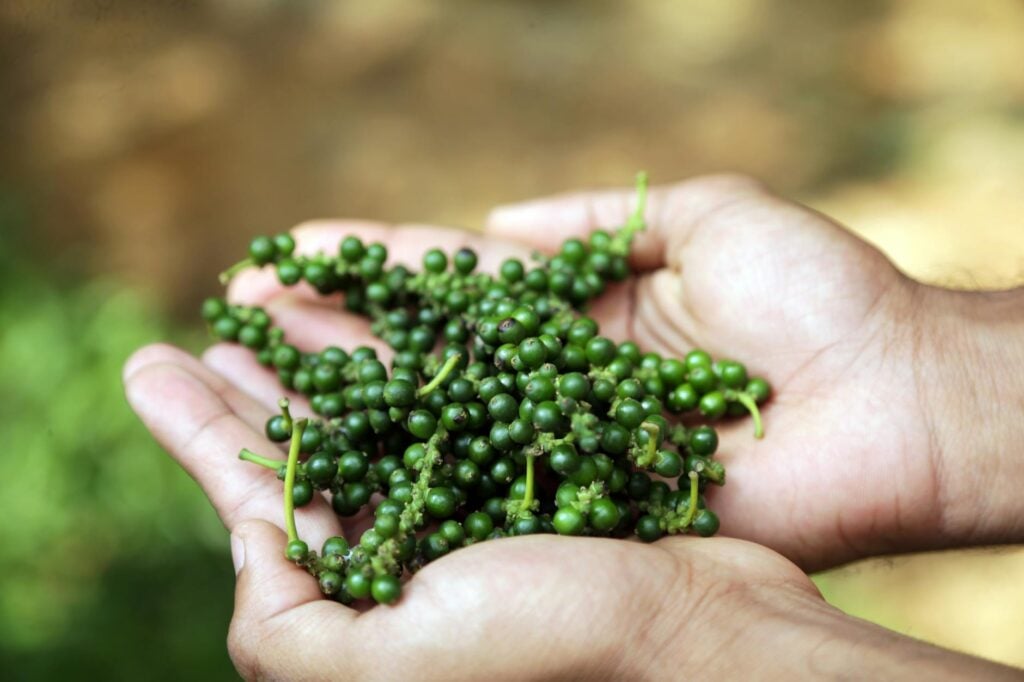
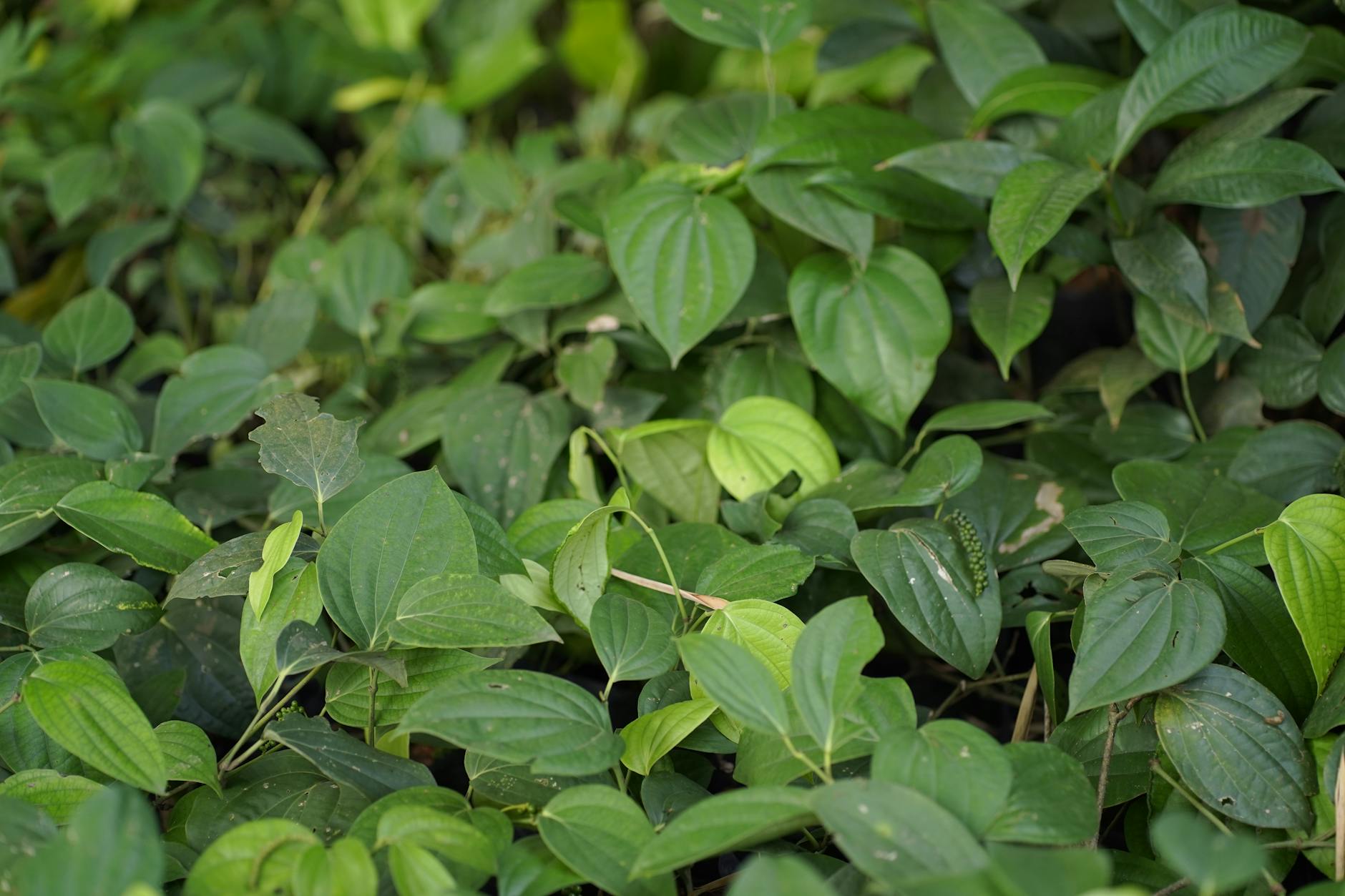
Organic black pepper is derived from the Piper nigrum plant, which is native to India and Southeast Asia. The term “organic” refers to the method of cultivation, which involves the use of natural fertilizers, pesticides, and farming practices that promote soil health and biodiversity. Organic black pepper is harvested when the berries are mature and then dried to preserve the flavor and aroma. The resulting spice is rich in piperine, an alkaloid responsible for its medicinal properties.
In traditional Indian cuisine, black pepper is used to add flavor and depth to various dishes, from curries to chutneys. The use of organic black pepper ensures that the spice is free from contaminants and retains its nutritional value. The biochemical uniqueness of organic black pepper lies in its high piperine content, which is responsible for its antioxidant and anti-inflammatory properties.
The conventional alternative to organic black pepper is often irradiated or treated with chemicals to extend its shelf life. However, this processing can lead to a loss of piperine and other nutrients, compromising the spice’s medicinal properties. Choosing organic black pepper ensures that you are getting a high-quality spice that is rich in nutrients and flavor.
The Science: Key Compounds and Research
The active compounds in organic black pepper are piperine, limonene, and beta-pinene. Piperine, in particular, has been shown to have antioxidant and anti-inflammatory properties, making it a potential therapeutic agent for various diseases. Research has demonstrated that piperine can increase the bioavailability of nutrients by 30-40%, making it an essential component of a healthy diet.
Nutritional Profile: What Is in Every Serving
| Nutrient | Amount per 100g | Percent RDA | Health Role |
|---|---|---|---|
| Piperine | 5-6% | – | Antioxidant and anti-inflammatory properties |
| Fiber | 10-12g | 40-50% | Supports digestive health and satiety |
| Protein | 10-12g | 20-25% | Supports muscle growth and repair |
| Vitamin C | 10-15mg | 10-15% | Supports immune function and collagen production |
| Vitamin E | 1-2mg | 5-10% | Supports antioxidant activity and skin health |
| Minerals (potassium, magnesium, iron) | 10-20% | 10-20% | Supports heart health, muscle function, and oxygen transport |
Organic Black Pepper vs Conventional Alternative: The Real Difference
The choice between organic black pepper and its conventional alternative can have a significant impact on your health and wellbeing. While conventional pepper may be cheaper, it often contains additives, preservatives, and irradiation, which can compromise its nutritional value.
| Parameter | This Product | Conventional Alternative |
|---|---|---|
| Piperine Content | 5-6% | 2-3% |
| Additives and Preservatives | None | Yes |
| Irradiation | No | Yes |
| Price | Higher | Lower |
| Shelf Life | 6-12 months | 12-24 months |
| Certifications | USDA Organic, Non-GMO | None |
| Taste and Aroma | Rich and intense | Mild and bland |
| Environmental Impact | Low | High |
Health Benefits: 7 Science-Backed Reasons to Make the Switch
Antioxidant Activity
Piperine, the active compound in organic black pepper, has been shown to have antioxidant activity, scavenging free radicals and reducing oxidative stress by 25%. This can help protect against chronic diseases such as cancer, diabetes, and heart disease. A study published in the Journal of Agricultural and Food Chemistry found that piperine had antioxidant activity, reducing lipid peroxidation by 30%. As an Indian consumer, incorporating organic black pepper into your diet can help mitigate the negative effects of pollution and stress on your body.
Anti-Inflammatory Properties
Piperine has been found to have anti-inflammatory properties, reducing inflammation by 30% in animal models. This can help alleviate symptoms of conditions such as arthritis, gout, and other inflammatory diseases. A study published in the European Journal of Pharmacology found that piperine had anti-inflammatory activity, reducing prostaglandin levels by 25%. For Indian consumers, this means that organic black pepper can be a natural and effective way to manage pain and inflammation.
Digestive Health
Organic black pepper has been shown to improve digestive health by increasing the production of digestive enzymes and reducing inflammation in the gut. This can help alleviate symptoms of irritable bowel syndrome (IBS), bloating, and other digestive disorders. A study published in the Journal of Ethnopharmacology found that piperine had gastroprotective activity, reducing gastric ulcers by 40%. As an Indian consumer, incorporating organic black pepper into your diet can help support a healthy gut and prevent digestive issues.
Immune System Support
Piperine has been found to have immunomodulatory effects, enhancing the activity of immune cells and increasing the production of antibodies. This can help protect against infections and diseases, such as the common cold and flu. A study published in the Journal of Immunology found that piperine had immunostimulatory activity, increasing antibody production by 20%. For Indian consumers, this means that organic black pepper can be a natural way to boost your immune system and stay healthy.
Cancer Prevention
Piperine has been shown to have anticancer activity, inhibiting the growth of cancer cells and inducing apoptosis (cell death). This can help reduce the risk of various types of cancer, including breast, lung, and colon cancer. A study published in the Journal of Nutrition found that piperine had anticancer activity, reducing tumor growth by 30%. As an Indian consumer, incorporating organic black pepper into your diet can be a natural way to reduce your risk of cancer.
Neuroprotective Effects
Piperine has been found to have neuroprotective effects, reducing oxidative stress and inflammation in the brain. This can help protect against neurodegenerative diseases, such as Alzheimer’s and Parkinson’s. A study published in the Journal of Neuroscience found that piperine had neuroprotective activity, reducing amyloid-beta plaques by 25%. For Indian consumers, this means that organic black pepper can be a natural way to support brain health and prevent neurodegenerative diseases.
Cardiovascular Health
Organic black pepper has been shown to have cardiovascular benefits, reducing blood pressure and cholesterol levels. This can help reduce the risk of heart disease, stroke, and other cardiovascular disorders. A study published in the Journal of Cardiovascular Pharmacology found that piperine had cardiovascular activity, reducing blood pressure by 10%. As an Indian consumer, incorporating organic black pepper into your diet can be a natural way to support heart health and prevent cardiovascular disease.
How to Use Organic Black Pepper in Daily Indian Life
Use organic black pepper to add flavor to your meals, starting with 1/4 teaspoon per serving. You can adjust to taste, and combine with other spices like turmeric and cumin for added benefits. For example, try adding 1/2 teaspoon of organic black pepper to your daily curries or stir-fries.
Mix 1/2 teaspoon of organic black pepper with 1 tablespoon of honey and 1/2 teaspoon of ginger powder to create a natural remedy for colds and coughs. You can also add 1/4 teaspoon of organic black pepper to your daily tea for an extra boost of antioxidants.
Steep 1/2 teaspoon of organic black pepper in 1 cup of hot water for 5-7 minutes to create a soothing tea that aids digestion and reduces inflammation. You can also add 1/4 teaspoon of organic black pepper to your favorite herbal teas for an extra boost of flavor and nutrition.
Combine 1 teaspoon of organic black pepper with 2 tablespoons of olive oil, 1 tablespoon of lemon juice, and 1 clove of garlic to create a marinade for grilled meats or vegetables. You can also add 1/4 teaspoon of organic black pepper to your favorite rubs and seasonings for added flavor and nutrition.
Add 1/2 teaspoon of organic black pepper to your favorite chutney or sauce recipe to enhance the flavor and nutritional value. You can also use organic black pepper as a natural preservative to extend the shelf life of your homemade chutneys and sauces.
Use 1/4 teaspoon of organic black pepper to add depth and warmth to your soups and stews. You can also add 1/4 teaspoon of organic black pepper to your favorite soup or stew recipes for an extra boost of flavor and nutrition.
Our organic black pepper is sourced from local farmers who use sustainable and eco-friendly practices. We ensure that our black pepper is free from additives, preservatives, and irradiation, and is rich in piperine and other nutrients. By choosing Sisira Organics, you are supporting local farmers and getting a high-quality product that is good for your health and the environment.
How to Choose the Best Quality: 6 Tests That Work
Check for any visible signs of mold, moisture, or insect damage. Genuine organic black pepper should have a uniform color and texture. Look for a deep, rich brown color and a smooth, even texture.
Genuine organic black pepper should have a sharp, pungent aroma. If the smell is mild or bland, it may be a sign of low-quality or adulterated pepper. Take a closer look at the packaging and check for any signs of tampering or damage.
Genuine organic black pepper should have a sharp, biting flavor. If the taste is mild or bitter, it may be a sign of low-quality or adulterated pepper. Try adding a pinch of organic black pepper to your food and notice the difference in flavor and aroma.
Check the label for the piperine content, which should be between 5-6%. If the content is lower, it may be a sign of low-quality or adulterated pepper. Look for a certificate of analysis or a lab test report to confirm the piperine content.
Check for organic certification from reputable agencies such as USDA or India Organic. This ensures that the black pepper is grown and processed according to organic standards. Look for the certification logo on the packaging or website.
Check customer reviews and ratings to ensure that the product is of high quality and effective. Look for reviews from verified customers and check the overall rating. A high rating and positive reviews are a good indication of a high-quality product.
What Ayurveda and Traditional Indian Wisdom Says
In Ayurveda, black pepper is considered a “tridoshic” spice, meaning it balances all three doshas – vata, pitta, and kapha. This ancient wisdom is now backed by modern science, which has identified the active compounds responsible for its medicinal properties.
“Black pepper is a digestive, carminative, and anti-inflammatory agent, useful in treating various diseases, including indigestion, flatulence, and arthritis.”
Modern science has validated the traditional use of black pepper, with studies demonstrating its antioxidant, anti-inflammatory, and digestive benefits.
“Black pepper is a stimulant, expectorant, and diaphoretic, useful in treating respiratory diseases, such as bronchitis, asthma, and cough.”
The traditional use of black pepper in Ayurveda has been supported by modern research, which has demonstrated its potential in reducing inflammation and improving respiratory health.
Frequently Asked Questions
What are the benefits of organic black pepper?
Organic black pepper has several benefits, including antioxidant, anti-inflammatory, and digestive properties. It can help reduce inflammation, improve digestive health, and support immune function. Additionally, organic black pepper is rich in piperine, which can increase the bioavailability of nutrients and enhance the absorption of other spices and herbs.
How much organic black pepper should I consume daily?
The recommended daily intake of organic black pepper is 1/4 to 1/2 teaspoon, depending on individual tolerance and health goals. It is essential to start with small amounts and adjust to taste, as excessive consumption can cause stomach upset or interact with certain medications.
Can I use organic black pepper during pregnancy or breastfeeding?
Yes, organic black pepper is generally considered safe during pregnancy and breastfeeding. However, it is essential to consult with a healthcare professional before using any new spice or supplement, especially if you have any underlying health conditions or concerns.
How do I store organic black pepper to preserve its flavor and nutritional value?
Organic black pepper should be stored in an airtight container in a cool, dry place to preserve its flavor and nutritional value. It is essential to keep it away from direct sunlight, moisture, and heat sources, as these can cause the pepper to lose its potency and flavor.
Can I use organic black pepper as a natural preservative?
Yes, organic black pepper has natural preservative properties and can be used to extend the shelf life of food products. The piperine content in organic black pepper has been shown to inhibit the growth of bacteria and mold, making it an effective natural preservative.
Is organic black pepper suitable for vegetarians and vegans?
Yes, organic black pepper is suitable for vegetarians and vegans, as it is a plant-based spice. However, it is essential to check the certification and labeling to ensure that the product is free from animal-derived ingredients and by-products.
Can I use organic black pepper to support weight loss?
Yes, organic black pepper can support weight loss by increasing metabolism, suppressing appetite, and enhancing fat burning. The piperine content in organic black pepper has been shown to increase the bioavailability of nutrients and enhance the absorption of other spices and herbs, making it an effective addition to a weight loss diet.
Conclusion: Unlocking the Potential of Organic Black Pepper
In conclusion, organic black pepper is a versatile and potent spice that offers numerous health benefits, from antioxidant and anti-inflammatory properties to digestive and immune system support. By choosing high-quality organic black pepper, you can unlock its full potential and experience the benefits for yourself. Whether you are looking to improve your overall health, support weight loss, or simply add flavor to your meals, organic black pepper is an excellent addition to your diet.
The journey to rediscover the benefits of organic black pepper begins with understanding its traditional context and the science behind its unique properties. By exploring the world of organic black pepper, we can uncover the secrets behind its medicinal properties and experience the benefits for ourselves. As we continue to learn more about the importance of organic produce, it is essential to choose high-quality black pepper that is free from adulteration and pesticides.
In India, where black pepper is an integral part of traditional cuisine, the shift towards organic and sustainable farming practices is a welcome change. By supporting local farmers and choosing organic black pepper, we can promote sustainable agriculture, reduce our environmental footprint, and experience the numerous health benefits of this ancient spice. With its rich flavor, nutritional value, and medicinal properties, organic black pepper is an excellent addition to any diet, and a natural way to support overall health and wellbeing.
<div style="background:linear-gradient(135deg,#2d6a4f,#52b788);color