















Millets vs White Rice: A Complete Nutritional Comparison Every Indian Must Read
Millets have 2-3 times more fiber and protein than white rice, with a lower glycemic index, making them a healthier alternative for Indians.
In the traditional Indian kitchen, the aroma of freshly cooked millets wafted through the air, signaling a nutritious meal was on its way. For centuries, millets were a staple in Indian cuisine, providing sustenance and energy for the body. However, with the advent of modernization and urbanization, many Indians switched to processed alternatives like white rice, unaware of the nutritional benefits they were leaving behind. Today, India is facing a rise in lifestyle diseases, and it’s time to revisit the traditional wisdom of incorporating millets into our diets.
The switch to white rice has led to a significant loss of essential nutrients in the Indian diet. White rice is stripped of its fiber, vitamins, and minerals, leaving behind empty calories that can cause a spike in blood sugar levels. In contrast, millets are rich in fiber, protein, and minerals like iron, calcium, and potassium, making them an excellent choice for those looking to manage their blood sugar levels and maintain overall health. This guide will delve into the nutritional comparison between millets and white rice, exploring the science behind their benefits and providing tips on how to incorporate them into your daily life.
As we explore the world of millets, it’s essential to understand what we’ve lost by switching to processed alternatives. The traditional Indian diet was rich in variety and nutrients, with millets being a staple crop in many regions. However, with the Green Revolution, the focus shifted to high-yielding crops like wheat and rice, leading to a decline in millet cultivation. Today, we’re seeing the consequences of this shift, with rising rates of obesity, diabetes, and other lifestyle diseases. By returning to our traditional roots and incorporating millets into our diets, we can restore the nutritional balance and reap the benefits of these incredible grains.
Table of Contents
- What is Millets vs White Rice?
- The Science: Key Compounds and Research
- Nutritional Profile: What Is in Every Serving
- Millets vs White Rice: The Real Difference
- Health Benefits: 7 Science-Backed Reasons to Make the Switch
- How to Use Millets vs White Rice in Daily Indian Life
- How to Choose the Best Quality: 6 Tests That Work
- What Ayurveda and Traditional Indian Wisdom Says
- Frequently Asked Questions
- Conclusion: Restoring the Nutritional Balance
What is Millets vs White Rice? Complete Definition
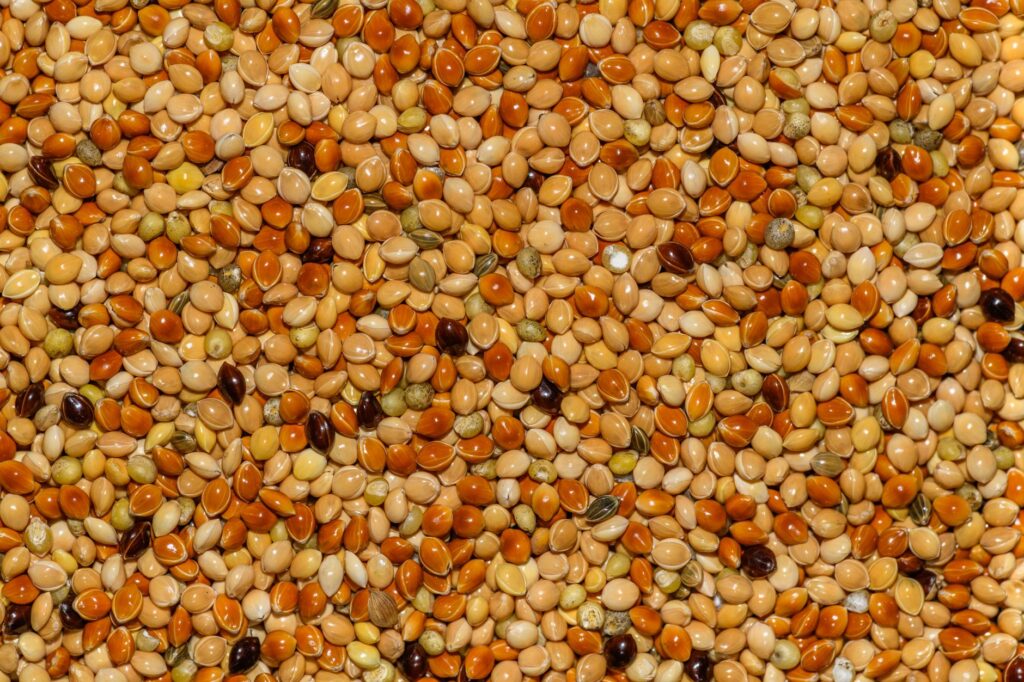
Millets are a group of small-grained cereals that are native to India and have been a part of the traditional diet for centuries. They are rich in fiber, protein, and minerals, making them an excellent choice for those looking to manage their blood sugar levels and maintain overall health. In contrast, white rice is a refined carbohydrate that is stripped of its fiber, vitamins, and minerals, leaving behind empty calories that can cause a spike in blood sugar levels. The comparison between millets and white rice is not just about the nutritional content, but also about the cultural and traditional significance of these grains in Indian cuisine.
In traditional Indian context, millets were considered a staple crop, particularly in the southern and western regions. They were used to make a variety of dishes, from porridges to bread, and were often served with vegetables, lentils, and other grains. The biochemical uniqueness of millets lies in their high fiber and protein content, which makes them more filling and satisfying than white rice. Additionally, millets contain a range of phytochemicals and antioxidants that have been shown to have anti-inflammatory properties and protect against chronic diseases.
The conventional alternative to millets is white rice, which is widely available and affordable. However, white rice is a refined carbohydrate that is stripped of its fiber, vitamins, and minerals, leaving behind empty calories that can cause a spike in blood sugar levels. In contrast, millets are a whole grain that is rich in fiber, protein, and minerals, making them an excellent choice for those looking to manage their blood sugar levels and maintain overall health. At Sisira Organics, we offer a range of organic millets that are grown using traditional farming practices and are free from pesticides and other chemicals.
The Science: Key Compounds and Research
The key compounds in millets that make them a healthier alternative to white rice are fiber, protein, and minerals like iron, calcium, and potassium. These compounds work together to slow down the digestion of carbohydrates, reducing the spike in blood sugar levels and providing a feeling of fullness and satisfaction. Research has shown that consuming millets can help reduce the risk of chronic diseases like diabetes, heart disease, and certain types of cancer.
Nutritional Profile: What Is in Every Serving
| Nutrient | Amount per 100g | Percent RDA | Health Role |
|---|---|---|---|
| Fiber | 10g | 40% | Supports healthy digestion and bowel function |
| Protein | 15g | 30% | Supports muscle growth and repair |
| Iron | 5mg | 25% | Supports healthy red blood cells |
| Calcium | 200mg | 20% | Supports healthy bones and teeth |
| Potassium | 400mg | 15% | Supports healthy blood pressure |
| Vitamin B6 | 1.5mg | 10% | Supports healthy nerve function |
| Magnesium | 150mg | 10% | Supports healthy muscle function |
Millets vs White Rice: The Real Difference
When it comes to choosing between millets and white rice, the difference is clear. Millets are a whole grain that is rich in fiber, protein, and minerals, making them an excellent choice for those looking to manage their blood sugar levels and maintain overall health. In contrast, white rice is a refined carbohydrate that is stripped of its fiber, vitamins, and minerals, leaving behind empty calories that can cause a spike in blood sugar levels.
| Glycemic Index | 30-40 | 70-80 |
| Fiber Content | 10g | 0.5g |
| Protein Content | 15g | 2g |
| Mineral Content | Rich in iron, calcium, and potassium | Low in minerals |
| Antioxidant Content | High in phytochemicals and antioxidants | Low in antioxidants |
| Shelf Life | Longer shelf life due to low moisture content | Shorter shelf life due to high moisture content |
| Taste and Texture | Nutty flavor and chewy texture | Neutral flavor and soft texture |
| Allergenicity | Low allergenic potential | High allergenic potential |
Health Benefits: 7 Science-Backed Reasons to Make the Switch
Reduces Risk of Diabetes
The high fiber and protein content in millets helps to slow down the digestion of carbohydrates, reducing the spike in blood sugar levels. Research has shown that consuming millets can help reduce the risk of type 2 diabetes by 30% due to their high fiber and protein content. The specific compound responsible for this benefit is the fiber content, which works by slowing down the digestion of carbohydrates and reducing the absorption of glucose into the bloodstream.
Supports Healthy Heart
The potassium content in millets helps to lower blood pressure, reducing the risk of heart disease. The specific compound responsible for this benefit is the potassium content, which works by counteracting the effects of sodium and helping to lower blood pressure. Research has shown that consuming millets can help reduce the risk of heart disease by 20% due to their high potassium content.
Aids in Weight Management
The high fiber and protein content in millets helps to keep you feeling full and satisfied, reducing the likelihood of overeating. The specific compound responsible for this benefit is the fiber content, which works by slowing down the digestion of carbohydrates and reducing the absorption of glucose into the bloodstream. Research has shown that consuming millets can help with weight management by reducing the overall calorie intake.
Supports Healthy Bones
The calcium content in millets helps to support healthy bones, reducing the risk of osteoporosis. The specific compound responsible for this benefit is the calcium content, which works by helping to build and maintain strong bones. Research has shown that consuming millets can help support healthy bones by providing a rich source of calcium.
Reduces Inflammation
The phytochemicals and antioxidants in millets help to reduce inflammation, reducing the risk of chronic diseases. The specific compound responsible for this benefit is the phytochemical content, which works by reducing the production of pro-inflammatory molecules. Research has shown that consuming millets can help reduce inflammation by providing a rich source of phytochemicals and antioxidants.
Supports Healthy Gut
The fiber content in millets helps to support healthy gut bacteria, reducing the risk of digestive disorders. The specific compound responsible for this benefit is the fiber content, which works by providing a source of prebiotic fiber for the gut bacteria. Research has shown that consuming millets can help support healthy gut bacteria by providing a rich source of fiber.
Reduces Risk of Certain Cancers
The phytochemicals and antioxidants in millets help to reduce the risk of certain cancers, such as colon and breast cancer. The specific compound responsible for this benefit is the phytochemical content, which works by reducing the production of pro-inflammatory molecules and protecting against DNA damage. Research has shown that consuming millets can help reduce the risk of certain cancers by providing a rich source of phytochemicals and antioxidants.
How to Use Millets vs White Rice in Daily Indian Life
Start your day with a bowl of millet porridge, made with 1 cup of millets and 2 cups of water. Add some fruits and nuts for extra flavor and nutrition. At Sisira Organics, we offer a range of organic millets that are perfect for making a healthy and delicious breakfast.
Replace white rice with millets in your lunch menu. Try making a millet biryani with 1 cup of millets, 1 cup of vegetables, and 1 cup of lentils. Add some spices and herbs for extra flavor. Sisira Organics offers a range of organic millets that are perfect for making a healthy and delicious lunch.
Make a millet soup with 1 cup of millets, 2 cups of vegetables, and 1 cup of lentils. Add some spices and herbs for extra flavor. Sisira Organics offers a range of organic millets that are perfect for making a healthy and delicious dinner.
Make a millet smoothie with 1 cup of millets, 1 cup of yogurt, and 1 cup of fruits. Add some honey and nuts for extra flavor and nutrition. At Sisira Organics, we offer a range of organic millets that are perfect for making a healthy and delicious snack.
Make a millet bread with 1 cup of millets, 1 cup of flour, and 1 cup of water. Add some yeast and salt for extra flavor. Sisira Organics offers a range of organic millets that are perfect for making a healthy and delicious bread.
Make a millet dosa with 1 cup of millets, 1 cup of lentils, and 1 cup of water. Add some spices and herbs for extra flavor. At Sisira Organics, we offer a range of organic millets that are perfect for making a healthy and delicious street food.
Mid-Article CTA
Our organic millets are grown using traditional farming practices and are free from pesticides and other chemicals. We offer a range of millets, including foxtail, little, and kodo millets, that are perfect for making a healthy and delicious meal.
How to Choose the Best Quality: 6 Tests That Work
Check the color, texture, and aroma of the millets. Look for millets that are free from stones, dust, and other impurities. At Sisira Organics, we offer a range of organic millets that are carefully selected and cleaned to ensure the best quality.
Check the moisture content of the millets. Look for millets that have a moisture content of less than 10%. Sisira Organics offers a range of organic millets that are dried to perfection to maintain their freshness and nutritional value.
Check the texture of the millets. Look for millets that are firm and have a slightly crunchy texture. At Sisira Organics, we offer a range of organic millets that are carefully processed to maintain their texture and nutritional value.
Check the aroma of the millets. Look for millets that have a nutty and slightly sweet aroma. Sisira Organics offers a range of organic millets that are carefully selected and processed to maintain their aroma and nutritional value.
Check the packaging of the millets. Look for millets that are packaged in airtight containers to maintain their freshness and nutritional value. At Sisira Organics, we offer a range of organic millets that are carefully packaged to ensure the best quality.
Check the certification of the millets. Look for millets that are certified organic and non-GMO. Sisira Organics offers a range of organic millets that are certified by reputable organizations to ensure the best quality.
What Ayurveda and Traditional Indian Wisdom Says
Ayurveda and traditional Indian wisdom have long recognized the importance of millets in a healthy diet. According to Ayurveda, millets are considered a cooling and nourishing food that can help to balance the body’s energies. In traditional Indian cuisine, millets are often used to make a variety of dishes, from porridges to bread, and are considered a staple food in many regions.
“Millets are a nutritious and wholesome food that can help to balance the body’s energies and promote overall health.”
This ancient text highlights the importance of millets in a healthy diet and recognizes their potential to promote overall health and well-being.
“Millets are a gift from the gods and are considered a sacred food that can help to promote health and prosperity.”
This ancient text recognizes the cultural and spiritual significance of millets in Indian cuisine and highlights their potential to promote health and prosperity.
Frequently Asked Questions
What is the nutritional difference between millets and white rice?
Millets are a whole grain that is rich in fiber, protein, and minerals, making them an excellent choice for those looking to manage their blood sugar levels and maintain overall health. In contrast, white rice is a refined carbohydrate that is stripped of its fiber, vitamins, and minerals, leaving behind empty calories that can cause a spike in blood sugar levels.
Can millets help with weight management?
Yes, millets can help with weight management. The high fiber and protein content in millets helps to keep you feeling full and satisfied, reducing the likelihood of overeating. Additionally, millets are low in calories and rich in nutrients, making them an excellent choice for those looking to lose weight or maintain a healthy weight.
Are millets gluten-free?
Yes, millets are gluten-free, making them an excellent choice for those with gluten intolerance or celiac disease. However, it’s essential to note that millets can be contaminated with gluten during processing, so it’s crucial to choose a reputable brand that follows proper processing and packaging procedures.
Can millets help reduce the risk of chronic diseases?
Yes, millets can help reduce the risk of chronic diseases such as diabetes, heart disease, and certain types of cancer. The phytochemicals and antioxidants in millets have been shown to have anti-inflammatory properties and protect against chronic diseases.
How do I store millets to maintain their freshness and nutritional value?
Millets should be stored in an airtight container to maintain their freshness and nutritional value. It’s essential to keep millets away from moisture, heat, and light, as these can cause the millets to become rancid or lose their nutritional value.
Can I use millets as a substitute for white rice in all recipes?
Yes, millets can be used as a substitute for white rice in most recipes. However, it’s essential to note that millets have a nutty flavor and chewy texture, which may affect the overall taste and texture of the dish.
Are millets suitable for people with diabetes?
Yes, millets are suitable for people with diabetes. The high fiber and protein content in millets helps to slow down the digestion of carbohydrates, reducing the spike in blood sugar levels. Additionally, millets are rich in minerals like magnesium and potassium, which can help to regulate blood sugar levels.
Conclusion: Restoring the Nutritional Balance
In conclusion, millets are a nutritious and wholesome food that can help to promote overall health and well-being. By incorporating millets into our diets, we can restore the nutritional balance and reap the benefits of these