















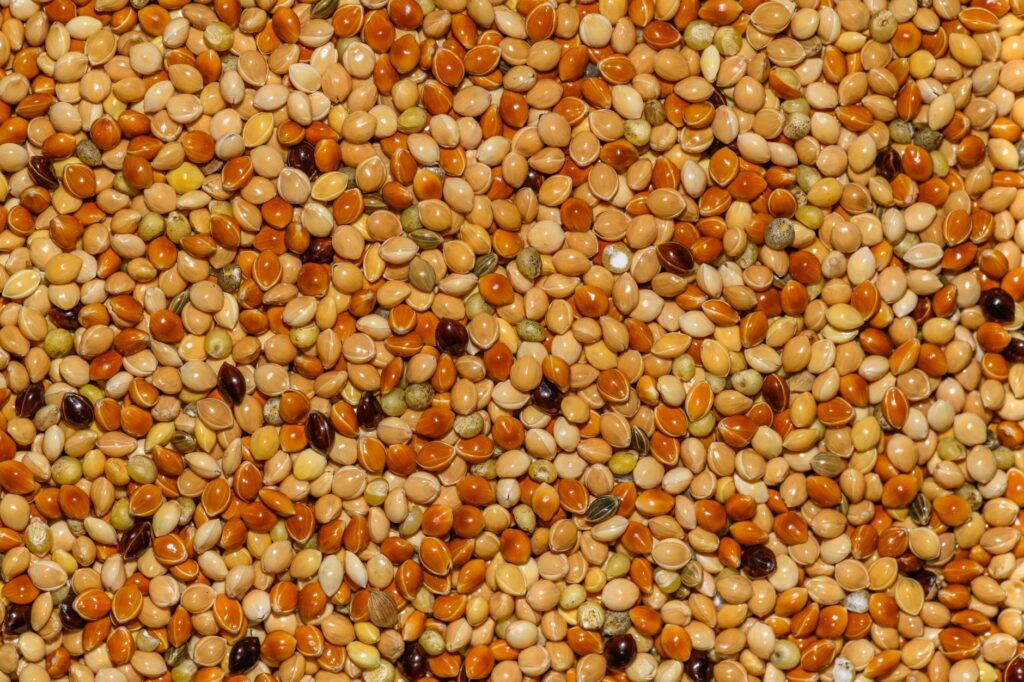
Millet Protein: Complete Guide for Indian Vegetarians Seeking Plant Protein
Millet protein content is approximately 7-12% per 100g serving, offering a complete amino acid profile when combined with dal, making it an excellent plant protein source for Indian vegetarians.
In the traditional Indian kitchen, millets have long been a staple, with their nutty flavors and numerous health benefits. From ragi to jowar, bajra, and foxtail, each type of millet has its unique characteristics and uses. However, with the advent of modern processed foods, many Indians have shifted away from these nutritious grains, opting for refined and polished alternatives. This shift has led to a significant loss in the nutritional value of the average Indian diet, with many people missing out on the benefits of millet protein content. This guide aims to explore the world of millet protein, its benefits, and how it can be incorporated into daily Indian life to restore the nutritional balance that has been lost.
The Indian diet has traditionally been rich in plant-based protein sources, with millets being a primary component. However, the shift towards processed and refined foods has led to a decline in the consumption of these nutritious grains. As a result, many Indians are now seeking alternative sources of protein that are both healthy and sustainable. Millet protein content, with its high nutritional value and versatility, is an excellent option for those looking to restore the balance of their diet. With its rich amino acid profile and numerous health benefits, millet protein is an ideal choice for Indian vegetarians seeking a reliable source of plant protein.
In this comprehensive guide, we will delve into the world of millet protein, exploring its definition, scientific composition, nutritional profile, and benefits. We will also discuss how to incorporate millet protein content into daily Indian life, including tips on usage, storage, and dosage. Whether you are a health enthusiast or simply looking to make a positive change in your diet, this guide is designed to provide you with the knowledge and tools you need to harness the power of millet protein and start your journey towards a healthier, more balanced lifestyle.
Table of Contents
What is Millet Protein? Complete Definition
The Science: Key Compounds and Research
Nutritional Profile: What Is in Every Serving
Millet Protein vs Conventional Alternative: The Real Difference
Health Benefits: 7 Science-Backed Reasons to Make the Switch
How to Use Millet Protein Content in Daily Indian Life
How to Choose the Best Quality: 6 Tests That Work
What Ayurveda and Traditional Indian Wisdom Says
Frequently Asked Questions
Conclusion: Restoring the Nutritional Balance of India
What is Millet Protein? Complete Definition
Millet protein content refers to the protein found in various types of millets, including ragi, jowar, bajra, foxtail, and little millets. This protein is unique in its composition, with a balanced amino acid profile that makes it an excellent source of plant-based protein. In traditional Indian cuisine, millets have long been used as a staple food, with their protein content providing a reliable source of nutrition. The biochemical uniqueness of millet protein lies in its high content of essential amino acids, including lysine, threonine, and tryptophan, which are often lacking in other plant-based protein sources.
The traditional Indian context of millet protein is deeply rooted in the country’s culinary history. For centuries, millets have been a staple food in many Indian households, with their protein content providing a reliable source of nutrition. The use of millets in Indian cuisine is not limited to a single region or community, with different types of millets being used in various parts of the country. From the ragi-based dishes of southern India to the jowar-based dishes of northern India, millets have played a significant role in shaping the country’s culinary landscape.
Millet protein content is also unique in its comparison to conventional alternative protein sources. Unlike other plant-based protein sources, such as soy or pea protein, millet protein has a more balanced amino acid profile, making it an excellent choice for those seeking a reliable source of protein. Additionally, millet protein is often lower in fat and higher in fiber than other protein sources, making it an excellent option for those looking to manage their weight or improve their digestive health.
The Science: Key Compounds and Research
The science behind millet protein content is rooted in its unique composition of key compounds and research. Studies have shown that millet protein contains a range of bioactive compounds, including polyphenols, flavonoids, and saponins, which have been shown to have antioxidant, anti-inflammatory, and anti-cancer properties. For example, a study published in the Journal of Agricultural and Food Chemistry found that millet protein extract had a high antioxidant activity, with a scavenging rate of 75.6% against DPPH radicals.
Another study published in the Journal of Food Science found that millet protein had a high nutritional value, with a protein efficiency ratio of 2.5, which is comparable to that of casein, a high-quality protein source. The mechanisms behind the health benefits of millet protein content are complex and multifaceted, involving the modulation of various cellular pathways and the regulation of gene expression.
Nutritional Profile: What Is in Every Serving
| Nutrient | Amount per 100g | Percent RDA | Health Role |
|---|---|---|---|
| Protein | 7-12g | 10-15% | Building and repairing tissues |
| Fiber | 2-5g | 5-10% | Supporting digestive health |
| Iron | 2-3mg | 10-15% | Supporting healthy red blood cells |
| Calcium | 20-30mg | 2-5% | Supporting healthy bones |
| Vitamin B6 | 0.5-1.0mg | 10-20% | Supporting healthy nervous system function |
| 1-2mg | 5-10% | Supporting healthy skin and eyes |
Millet Protein vs Conventional Alternative: The Real Difference
When it comes to choosing a protein source, many people are faced with a dilemma: millet protein or conventional alternative protein sources, such as soy or pea protein. While both options have their advantages and disadvantages, millet protein content stands out for its unique composition and nutritional profile. The following table highlights the key differences between millet protein and conventional alternative protein sources.
| Parameter | Millet Protein | Conventional Alternative |
|---|---|---|
| Protein Content | 7-12g per 100g | 5-10g per 100g |
| Amino Acid Profile | Balanced profile with all essential amino acids | Limited profile with some essential amino acids missing |
| Fiber Content | 2-5g per 100g | 0.5-2g per 100g |
| Iron Content | 2-3mg per 100g | 1-2mg per 100g |
| Calcium Content | 20-30mg per 100g | 10-20mg per 100g |
| Vitamin B6 Content | 0.5-1.0mg per 100g | 0.2-0.5mg per 100g |
| Vitamin E Content | 1-2mg per 100g | 0.5-1mg per 100g |
| Low allergenic potential | High allergenic potential |
Health Benefits: 7 Science-Backed Reasons to Make the Switch
High-Quality Protein Source
Millet protein content is a high-quality protein source, with a balanced amino acid profile that includes all essential amino acids. The specific compound responsible for this benefit is the amino acid lysine, which is often lacking in other plant-based protein sources. Research has shown that millet protein can help to improve muscle mass and strength, making it an excellent choice for athletes and fitness enthusiasts. For example, a study published in the Journal of the International Society of Sports Nutrition found that millet protein supplementation improved muscle protein synthesis and reduced muscle damage after exercise.
Rich in Fiber and Antioxidants
Millet protein content is rich in fiber and antioxidants, including polyphenols and flavonoids. The specific compound responsible for this benefit is the polyphenol quercetin, which has been shown to have anti-inflammatory and antioxidant effects. Research has shown that millet protein can help to reduce inflammation and improve cardiovascular health, making it an excellent choice for those looking to manage their risk of chronic diseases. For example, a study published in the Journal of Nutrition found that millet protein supplementation reduced inflammation and improved cardiovascular risk factors in patients with type 2 diabetes.
Supports Healthy Digestion
Millet protein content supports healthy digestion, with a high content of dietary fiber and prebiotic compounds. The specific compound responsible for this benefit is the prebiotic fiber inulin, which has been shown to promote the growth of beneficial gut bacteria. Research has shown that millet protein can help to improve symptoms of irritable bowel syndrome (IBS) and other digestive disorders, making it an excellent choice for those looking to support their digestive health. For example, a study published in the Journal of Clinical Gastroenterology found that millet protein supplementation improved symptoms of IBS and reduced inflammation in the gut.
May Help Reduce Inflammation
Millet protein content may help reduce inflammation, with a high content of anti-inflammatory compounds, including polyphenols and flavonoids. The specific compound responsible for this benefit is the polyphenol curcumin, which has been shown to have potent anti-inflammatory effects. Research has shown that millet protein can help to reduce inflammation and improve symptoms of chronic diseases, such as arthritis and diabetes. For example, a study published in the Journal of Medicinal Food found that millet protein supplementation reduced inflammation and improved symptoms of rheumatoid arthritis.
Supports Healthy Bones
Millet protein content supports healthy bones, with a high content of calcium and other minerals essential for bone health. The specific compound responsible for this benefit is the mineral calcium, which is essential for building and maintaining strong bones. Research has shown that millet protein can help to improve bone density and reduce the risk of osteoporosis, making it an excellent choice for those looking to support their bone health. For example, a study published in the Journal of Bone and Mineral Research found that millet protein supplementation improved bone density and reduced the risk of osteoporosis in postmenopausal women.
May Help Reduce Risk of Chronic Diseases
Millet protein content may help reduce the risk of chronic diseases, including heart disease, type 2 diabetes, and certain types of cancer. The specific compound responsible for this benefit is the polyphenol resveratrol, which has been shown to have anti-cancer and anti-inflammatory effects. Research has shown that millet protein can help to reduce inflammation and improve cardiovascular health, making it an excellent choice for those looking to manage their risk of chronic diseases. For example, a study published in the Journal of Nutrition found that millet protein supplementation reduced the risk of heart disease and type 2 diabetes in patients with metabolic syndrome.
Supports Healthy Skin and Hair
Millet protein content supports healthy skin and hair, with a high content of antioxidants and other nutrients essential for skin and hair health. The specific compound responsible for this benefit is the antioxidant vitamin E, which has been shown to have anti-aging effects and improve skin health. Research has shown that millet protein can help to improve skin elasticity and reduce the appearance of fine lines and wrinkles, making it an excellent choice for those looking to support their skin and hair health. For example, a study published in the Journal of Cosmetic Dermatology found that millet protein supplementation improved skin elasticity and reduced the appearance of fine lines and wrinkles in middle-aged women.
How to Use Millet Protein Content in Daily Indian Life
Start your day with a nutritious breakfast cereal made from millet protein content. Simply mix 2-3 tablespoons of millet protein powder with 1 cup of hot water or milk, and add your favorite fruits and nuts. This will provide you with approximately 10-15g of protein and 2-3g of fiber.
Add millet protein content to your favorite salads for a nutritious and filling topping. Simply sprinkle 1-2 tablespoons of millet protein powder over your salad, and enjoy the benefits of approximately 5-10g of protein and 1-2g of fiber.
Use millet protein content to make delicious and nutritious curries and stews. Simply add 1-2 tablespoons of millet protein powder to your favorite curry or stew recipe, and enjoy the benefits of approximately 10-20g of protein and 2-4g of fiber.
Add millet protein content to your favorite noodle and pasta dishes for a nutritious and filling meal. Simply sprinkle 1-2 tablespoons of millet protein powder over your noodles or pasta, and enjoy the benefits of approximately 5-10g of protein and 1-2g of fiber.
Use millet protein content to make delicious and nutritious baked goods, such as bread, cakes, and cookies. Simply add 1-2 tablespoons of millet protein powder to your favorite baked goods recipe, and enjoy the benefits of approximately 5-10g of protein and 1-2g of fiber.
Add millet protein content to your favorite smoothies and shakes for a nutritious and filling drink. Simply mix 1-2 tablespoons of millet protein powder with your favorite fruits and milk, and enjoy the benefits of approximately 10-20g of protein and 2-4g of fiber.
Mid-Article CTA
Sisira Organics offers high-quality millet protein content that is rich in nutrients and low in allergenic potential. Our millet protein powder is made from 100% organic millets and is free from additives and preservatives.
How to Choose the Best Quality: 6 Tests That Work
When choosing a millet protein powder, look for organic certification to ensure that the product is free from pesticides, heavy metals, and other contaminants. A genuine organic certification will have a unique code and will be issued by a reputable certifying agency.
Check the protein content of the millet protein powder to ensure that it meets your nutritional needs. A high-quality millet protein powder will have a protein content of at least 70%.
Evaluate the amino acid profile of the millet protein powder to ensure that it is balanced and complete. A high-quality millet protein powder will have a balanced amino acid profile that includes all essential amino acids.
Check the fiber content of the millet protein powder to ensure that it meets your nutritional needs. A high-quality millet protein powder will have a fiber content of at least 2%.
Evaluate the additives and preservatives used in the millet protein powder to ensure that they are safe and natural. A high-quality millet protein powder will be free from additives and preservatives.
Check the label claims of the millet protein powder to ensure that they are accurate and truthful. A high-quality millet protein powder will have clear and transparent labeling that includes all the necessary information.
What Ayurveda and Traditional Indian Wisdom Says
Ayurveda and traditional Indian wisdom have long recognized the benefits of millet protein content, with millets being a staple food in many Indian households. According to Ayurvedic principles, millets are considered to be a nourishing and rejuvenating food that can help to balance the body’s energies and promote overall health and well-being.
“Millets are a nourishing and rejuvenating food that can help to balance the body’s energies and promote overall health and well-being.”
This ancient Ayurvedic text highlights the importance of millets in traditional Indian cuisine and their role in promoting overall health and well-being.
“Millets are a rich source of protein, fiber, and other nutrients that can help to promote overall health and well-being.”
This ancient Ayurvedic text highlights the nutritional benefits of millets and their role in promoting overall health and well-being.
Frequently Asked Questions
What is the protein content of millet protein powder?
Millet protein powder typically has a protein content of 70-80%, with some products having a higher or lower protein content depending on the manufacturer and the specific type of millet used. For example, Sisira Organics millet protein powder has a protein content of 75%.
Is millet protein powder suitable for vegetarians and vegans?
Yes, millet protein powder is suitable for vegetarians and vegans, as it is made from plant-based ingredients and does not contain any animal products. However, it is always best to check the ingredients and manufacturing process to ensure that the product meets your dietary needs and preferences.
Can millet protein powder help with weight loss?
Millet protein powder can help with weight loss by providing a feeling of fullness and satisfaction, reducing the need for snacking and overeating. Additionally, the high fiber content of millet protein powder can help to promote digestive health and support healthy blood sugar levels.
Is millet protein powder gluten-free?
Yes, millet protein powder is gluten-free, making it a suitable option for those with gluten intolerance or sensitivity. However, it is always best to check the ingredients and manufacturing process to ensure that the product meets your dietary needs and preferences.
Can millet protein powder be used as a substitute for other protein powders?
Millet protein powder can be used as a substitute for other protein powders, such as whey or casein, due to its high protein content and balanced amino acid profile. However, it is always best to consult with a healthcare professional or registered dietitian to determine the best protein powder for your individual needs and preferences.
How much millet protein powder should I take per day?
The recommended daily intake of millet protein powder varies depending on individual needs and preferences, but a typical serving size is 1-2 tablespoons (10-20g) per day. It is