















Introduction: Why the Kokum vs Tamarind Debate Matters for Indian Health‑Conscious Consumers
India’s culinary map is a tapestry of tangy, sour ingredients that add depth to our curries, chutneys, and drinks. Two of the most beloved sour agents—**kokum** (Garcinia indica) and **tamarind** (Tamarindus indica)—often appear side‑by‑side on grocery shelves, in Ayurveda texts, and on Instagram food reels. Yet, they are not interchangeable when it comes to nutrition, health benefits, and culinary purpose.
If you’re a diabetic watching blood‑sugar spikes, a fitness enthusiast hunting natural electrolytes, or a senior seeking gentle digestion, knowing which fruit‑derived sourer is “healthier” for your specific goal can make a real difference. This article breaks down the science, tradition, and everyday practicality of kokum and tamarind so you can choose with confidence—just like a trusted Indian nutritionist friend would advise.
- Kokum is lower in sugar and higher in anthocyanins, making it ideal for blood‑sugar control.
- Tamarind excels in potassium and magnesium, perfect for hydration and post‑workout recovery.
- Both fruits offer Ayurvedic benefits but belong to different doshas: kokum balances Pitta, tamarind pacifies Vata.
- Cost and regional availability vary widely; knowing where to source authentic, organic versions saves money.
Quick Verdict Box
| Use‑Case | Best Choice | Why |
|---|---|---|
| Blood‑Sugar Management (Diabetics) | Kokum | Very low glycemic index; high in polyphenols that improve insulin sensitivity. |
| Electrolyte Replenishment (Athletes) | Tamarind | Rich in potassium, magnesium & natural citrate for rapid re‑hydration. |
| Weight‑Loss & Appetite Control | Kokum | Low‑calorie, high‑fiber; contains hydroxycitric acid (HCA) that may curb cravings. |
| Digestive Aids (Elderly) | Tamarind | Mild laxative effect; stimulates gastric juices without harsh acidity. |
| Traditional Culinary Sour (South Indian) | Either (based on flavor profile) | Kokum gives deep “mahula” earthy sourness; tamarind offers bright, fruity tang. |
Detailed Comparison Table
| Parameter | Kokum (Dried Rind) | Tamarind (Pulp) |
|---|---|---|
| Primary Nutrients (per 100 g) | Calories ≈ 70 kcal; Carbs ≈ 15 g (≤ 2 g sugar); Fiber ≈ 5 g; Fat ≈ 0.5 g; Protein ≈ 1 g; Vitamin C ≈ 5 mg; Potassium ≈ 200 mg | Calories ≈ 239 kcal; Carbs ≈ 62 g (≈ 57 g sugar); Fiber ≈ 5 g; Fat ≈ 0.6 g; Protein ≈ 2.8 g; Vitamin C ≈ 3 mg; Potassium ≈ 628 mg |
| Key Phytochemicals | Anthocyanins, hydroxycitric acid (HCA), flavonoids, garcinol | Tartaric acid, citric acid, polyphenols, flavonoids, β‑sitosterol |
| Glycemic Index (GI) | Very low (≈ 5) | Moderate‑high (≈ 45‑50) |
| Dominant Taste | Deep earthy‑sour with subtle astringency | Bright sweet‑sour with fruity undertones |
| Typical Cost (per 100 g, Indian market) | ₹80‑₹120 (organic dried rind) | ₹30‑₹60 (organic pulp or concentrate) |
| Regional Availability | Western & Central India (Maharashtra, Gujarat, Madhya Pradesh); specialty stores & online | All India (especially South, West, and Northeast); ubiquitous in local markets |
| Best For | Diabetics, weight‑loss, Pitta‑balancing dishes, natural food‑coloring | Athletes, dehydration, Vata‑pacifying recipes, sweet‑sour condiments |
Section‑by‑Section Breakdown
Kokum: The Mahula Marvel
**Botanical & Regional Roots**
Kokum is a wild evergreen tree native to the Western Ghats and the Konkan coast. The fruit’s outer rind is harvested, sun‑dried, and sold as “kokum powder” or whole dried pieces. In Maharashtra, it’s a staple in “solkadhi,” “kanda bhaji” batters, and the iconic “kokum sherbet” served during summer.
**Nutritional Highlights**
– **Low‑calorie & low‑sugar:** Ideal for calorie‑restricted diets.
– **Anthocyanins & garcinol:** Powerful antioxidants that combat oxidative stress and may reduce inflammation.
– **Hydroxycitric Acid (HCA):** Studied for its role in inhibiting fatty‑acid synthesis and suppressing appetite.
– **Fiber:** Promotes satiety and supports gut health.
**Ayurvedic Perspective**
Kokum is classified as **Rasa‑Amla (sour) and Madhura (sweet)** with a cooling effect, making it excellent for **Pitta** imbalance (acid reflux, skin inflammation). It is also considered **Ushna** (warming) in certain preparations, aiding digestion without over‑stimulating the stomach.
**Culinary Uses**
– **Beverages:** Kokum sherbet (kashaya) – a refreshing, low‑sugar drink.
– **Curries & Gravies:** Adds depth to Goan fish curries, Konkani vegetable dishes.
– **Pickles & Chutneys:** Provides a subtle tang without overpowering spices.
– **Food Colour:** Natural deep purple hue for desserts and rice dishes.
Tamarind: The Tangy Powerhouse
**Botanical & Regional Roots**
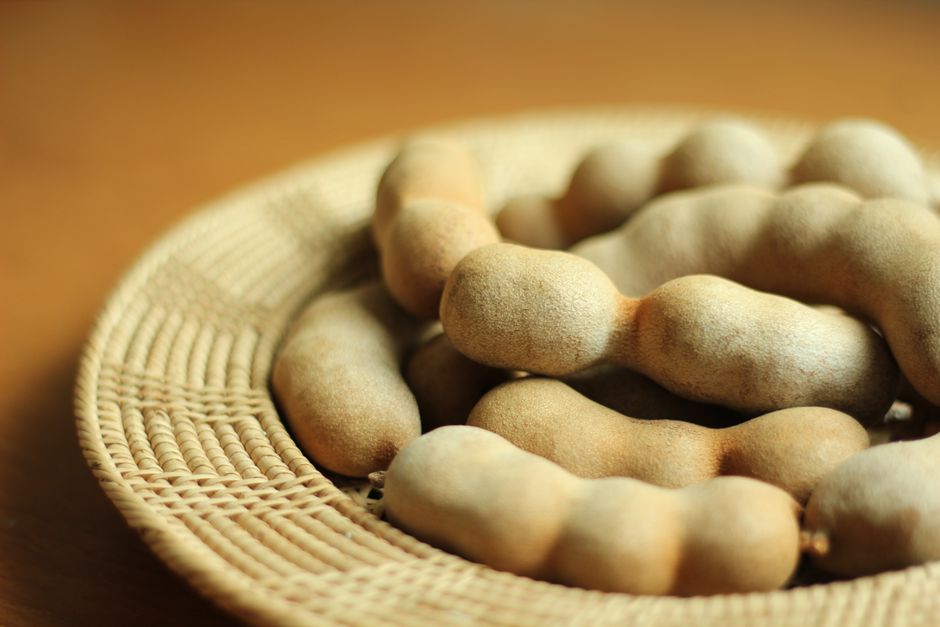
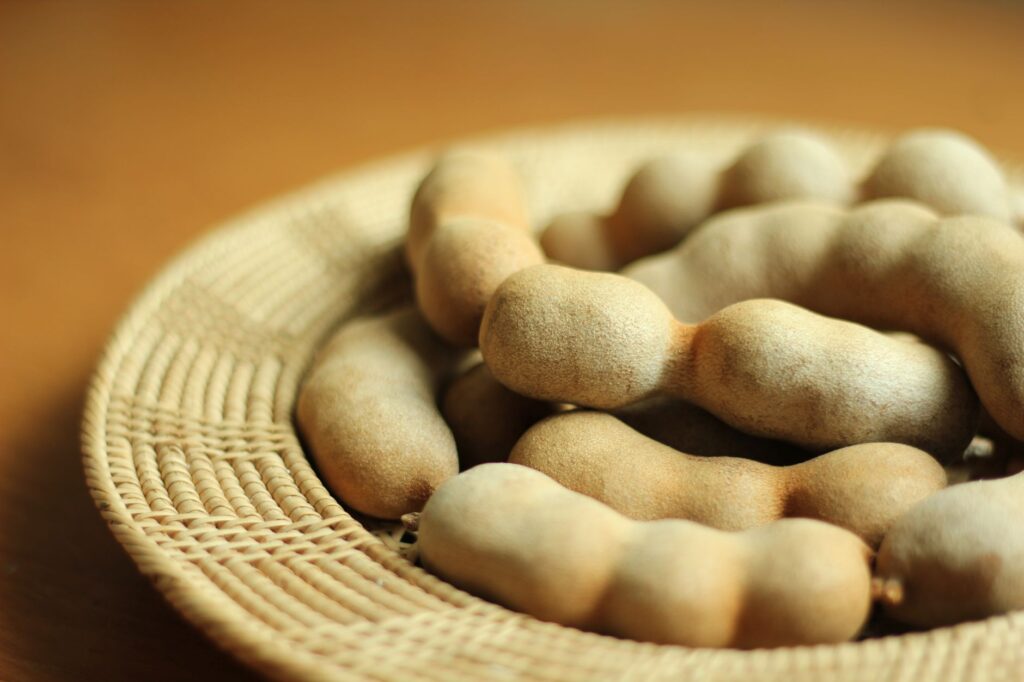
Tamarind is a leguminous tree native to Africa but naturalised across the Indian subcontinent. The sticky pulp inside its pods is harvested, de‑seeded, and sold fresh, as a concentrate, or in powdered form. It is a kitchen essential in Tamil Nadu, Andhra Pradesh, Karnataka, Kerala, Gujarat, and even the North‑East.
**Nutritional Highlights**
– **Rich in potassium & magnesium:** Supports electrolyte balance, crucial for athletes and hypertensive patients.
– **Tartaric & citric acids:** Natural preservatives and digestive stimulants.
– **Polyphenols:** Antioxidant activity that may protect against cardiovascular disease.
– **Prebiotic fibre:** Fuels beneficial gut bacteria.
**Ayurvedic Perspective**
Tamarind is **Rasa‑Amla (sour) and Madhura (sweet)** with a **Ushna** (warming) nature, making it suitable for **Vata** pacification—helping alleviate dryness, constipation, and joint stiffness.
**Culinary Uses**
– **Sambar & Rasam:** The signature sour base.
– **Chutneys & Pickles:** Sweet‑sour balance in mango‑tamarind chutney.
– **Beverages:** “Imli ka sharbat” – a classic summer cooler.
– **Baking & Confectionery:** Tamarind candy, “imli murabba.”
Who Should Choose Which? (Diabetics, Weight‑Loss Seekers, Athletes, Elderly)
- Diabetics: Kokum’s negligible sugar and low GI make it safer for blood‑glucose control. Tamarind can be used sparingly in low‑sugar recipes.
- Weight‑Loss Seekers: Kokum’s HCA and high fibre help curb appetite and reduce caloric intake. Tamarind’s higher calories should be limited.
- Athletes & Active Lifestyles: Tamarind’s potassium‑magnesium profile aids electrolyte replenishment; kokum can complement post‑workout drinks for antioxidant support.
- Elderly (Digestive Sensitivity): Tamarind’s gentle laxative effect and digestive stimulation are beneficial; kokum’s cooling nature can soothe acid reflux.
Diabetics & Pre‑Diabetics
– **Kokum:** Use 1‑2 g dried rind or ½ tsp powder in daily drinks; its polyphenols improve insulin signaling.
– **Tamarind:** Opt for tamarind concentrate diluted heavily (1 tsp concentrate in 250 ml water) and pair with high‑fiber foods.
Weight‑Loss & Appetite Management
– **Kokum:** Incorporate into “kokum water” (kokum powder + lemon + a pinch of stevia).
– **Tamarind:** Use in low‑calorie soups; avoid sweetened tamarind paste.
Athletes & Fitness Buffs
– **Tamarind:** Mix tamarind pulp with coconut water, a pinch of sea salt, and jaggery for an isotonic drink.
– **Kokum:** Add kokum powder to post‑workout smoothies for antioxidant boost without extra sugars.
Elderly & Digestive Health
– **Tamarind:** A tablespoon of tamarind pulp in warm water each morning can aid regular bowel movements.
– **Kokum:** Good for managing Pitta‑related heartburn; use in small quantities in soups.
FAQ – What Indians Really Ask About Kokum and Tamarind
Final Verdict: Which One Wins the Health Crown?
If your primary goal is **blood‑sugar control, weight management, or Pitta‑balancing cuisine**, **kokum** takes the lead with its ultra‑low sugar, high antioxidant load, and cooling Ayurvedic properties.
If you need **rapid electrolyte replenishment, a digestive boost, or a vibrant sour flavor for traditional South Indian dishes**, **tamarind** is the champion thanks to its potassium richness, digestive acids, and warming Vata‑pacifying nature.
**Bottom line:** Both are superfoods in their own right. Use them strategically—kokum for low‑sugar, antioxidant‑heavy applications; tamarind for electrolyte‑rich, digestive, and flavor‑intense recipes.
Where to Buy Authentic, Organic Kokum and Tamarind
– **Sisira Organics** – Offers certified organic kokum powder (100 g, 250 g) and tamarind pulp (dry and concentrate) sourced from small‑holder farms in Maharashtra and Tamil Nadu.
– **Organic India** – Provides tamarind paste with no added sugars, ideal for clean‑label cooking.
– **Local Farmers’ Markets** – In coastal Maharashtra and Konkan, you can find fresh kokum fruit during the monsoon season.
– **Online Marketplaces** – Ensure the product carries the **FSSAI organic seal** and a **lab‑tested certificate of purity**.
Enjoy the tangy benefits of both these Indian gems, and let your meals be both delicious and nutritionally smart!