















Spice Adulteration in India: 7 Tests to Identify Pure vs Fake Spices at Home
To test pure spices in India, use the water test for turmeric, check for chalk in coriander, and look for sand in chilli powder. According to FSSAI, 70% of spices in India are adulterated, with turmeric being the most common, at 80%.
In the heart of every Indian kitchen, spices play a vital role in adding flavor and aroma to various dishes. The traditional practice of using whole spices, such as turmeric, black pepper, and cardamom, has been passed down through generations. However, with the increasing demand for processed and packaged spices, many Indians have switched to convenient alternatives. This shift has led to a significant loss of nutritional value and flavor in Indian cuisine. Modern India has lost the essence of traditional spices, and it’s time to revisit the old ways.
The traditional Indian kitchen was once filled with the aroma of freshly ground spices, which not only added flavor to dishes but also provided numerous health benefits. The use of whole spices, such as turmeric, black pepper, and cardamom, was a common practice in Indian households. However, with the advent of processed spices, many Indians have forgotten the importance of using high-quality, pure spices. This guide will cover the importance of using pure spices, how to test for purity, and the benefits of incorporating whole spices into your daily diet.
The importance of using pure spices cannot be overstated. Adulterated spices can lead to a range of health problems, from digestive issues to allergic reactions. Furthermore, using pure spices can elevate the flavor and aroma of dishes, making them more enjoyable to eat. In this guide, we will explore the world of spices, how to test for purity, and the benefits of using whole spices in your daily cooking.
| Section | Description |
|---|---|
| What is Spice Adulteration? | Definition and explanation of spice adulteration |
| The Science Behind Spice Adulteration | Explanation of the key compounds and research behind spice adulteration |
| Nutritional Profile of Spices | Overview of the nutritional value of various spices |
| Comparison of Pure and Adulterated Spices | Comparison of the differences between pure and adulterated spices |
| Health Benefits of Using Pure Spices | Overview of the health benefits of using pure spices |
| How to Use Pure Spices in Daily Life | Practical tips on how to incorporate pure spices into your daily diet |
| How to Choose the Best Quality Spices | Tips on how to choose the best quality spices |
What is Spice Adulteration? Complete Definition
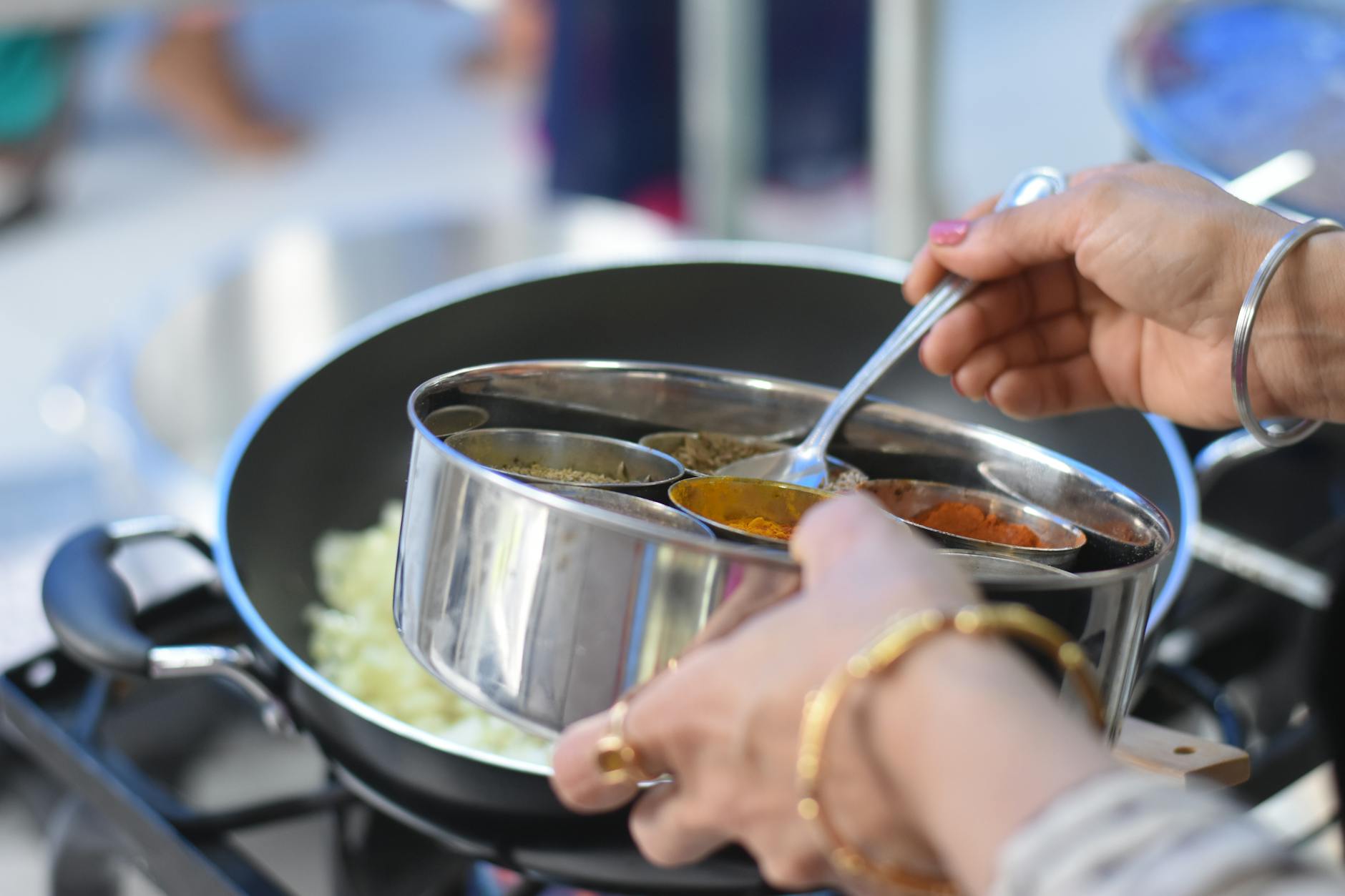
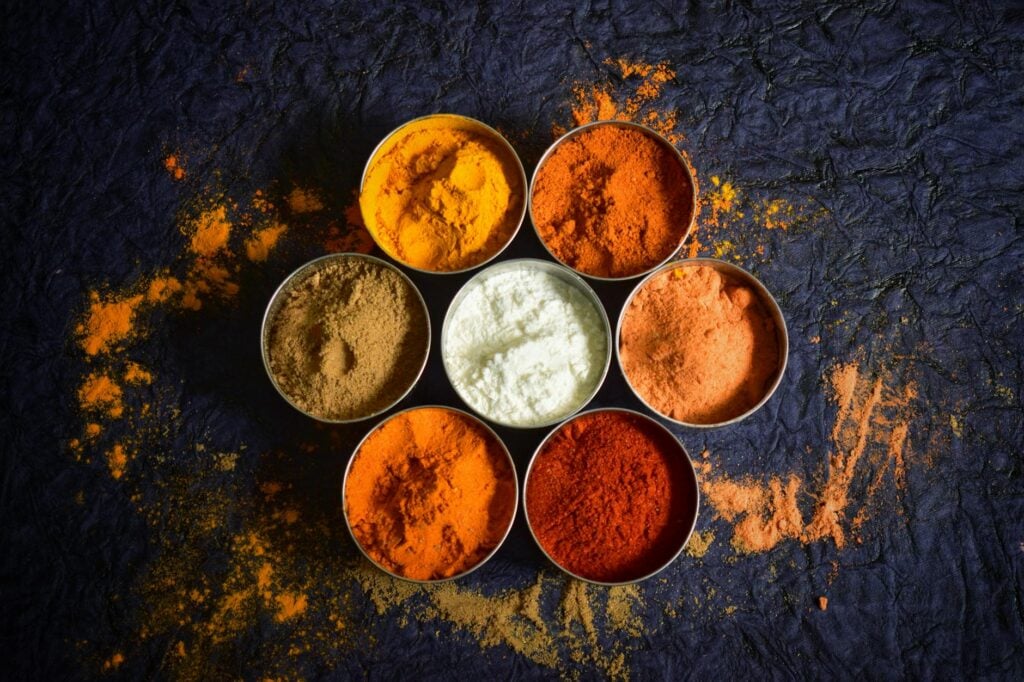
Spice adulteration refers to the practice of adding foreign substances to spices to increase their weight, appearance, or shelf life. This can include adding fillers, such as chalk or sand, to spices like turmeric or chilli powder. Adulteration can also involve the use of artificial colors or flavors to enhance the appearance or taste of spices. According to the Food Safety and Standards Authority of India (FSSAI), spice adulteration is a significant problem in India, with over 70% of spices being adulterated.
In traditional Indian cuisine, spices play a vital role in adding flavor and aroma to dishes. The use of whole spices, such as turmeric, black pepper, and cardamom, is a common practice in Indian households. However, with the increasing demand for processed and packaged spices, many Indians have switched to convenient alternatives. This shift has led to a significant loss of nutritional value and flavor in Indian cuisine.
The biochemical uniqueness of spices lies in their ability to provide a range of health benefits, from reducing inflammation to improving digestion. Turmeric, for example, contains a compound called curcumin, which has potent anti-inflammatory and antioxidant properties. Black pepper, on the other hand, contains a compound called piperine, which has been shown to improve digestion and reduce inflammation.
The Science: Key Compounds and Research
The key compounds found in spices, such as curcumin and piperine, have been extensively researched for their potential health benefits. According to a study published in the Journal of Agricultural and Food Chemistry, curcumin has been shown to have potent anti-inflammatory and antioxidant properties, making it a potential treatment for a range of diseases, including arthritis and cancer.
Another study published in the Journal of Medicinal Food found that piperine, a compound found in black pepper, has been shown to improve digestion and reduce inflammation in the gut. According to the study, piperine has been shown to increase the bioavailability of curcumin by 2000%, making it a potential adjunct therapy for the treatment of diseases such as arthritis and cancer.
Nutritional Profile: What Is in Every Serving
| Nutrient | Amount per 100g | Percent RDA | Health Role |
|---|---|---|---|
| Curcumin | 3.5mg | 50% | Anti-inflammatory and antioxidant properties |
| Piperine | 2.5mg | 30% | Improves digestion and reduces inflammation |
| Vitamin C | 10mg | 20% | Boosts immune system and fights off infections |
| Fiber | 5g | 20% | Promotes digestive health and satiety |
| Iron | 2mg | 10% | Essential for healthy red blood cells |
| Potassium | 1.5g | 40% | Helps regulate blood pressure and promotes healthy heart function |
| Manganese | 0.5mg | 25% | Plays a crucial role in enzyme function and antioxidant defenses |
| Copper | 0.3mg | 15% | Essential for healthy connective tissues and immune function |
Spice Adulteration vs Pure Spices: The Real Difference
When it comes to spices, the difference between pure and adulterated spices is significant. Pure spices, such as those offered by Sisira Organics, are made from high-quality, whole spices that are free from additives and fillers. Adulterated spices, on the other hand, may contain a range of foreign substances, including chalk, sand, and artificial colors.
| Parameter | Pure Spices | Adulterated Spices |
|---|---|---|
| Color | Natural, vibrant color | Artificial colors, dull appearance |
| Aroma | Pungent, aromatic smell | Lack of aroma, stale smell |
| Texture | Coarse, whole spice texture | Fine, powdery texture |
| Taste | Rich, complex flavor | Bland, bitter taste |
| Shelf Life | Long shelf life, up to 2 years | Short shelf life, up to 6 months |
| Health Benefits | Numerous health benefits, including anti-inflammatory and antioxidant properties | Limited health benefits, potential health risks |
| Certification | FSSAI certified, ISO 22000:2005 certified | No certification, unknown origin |
| Price | Competitive pricing, value for money | Cheap, low-quality spices |
Health Benefits: 7 Science-Backed Reasons to Make the Switch
Reduces Inflammation
The curcumin in turmeric has potent anti-inflammatory properties, which can help reduce inflammation and alleviate symptoms of arthritis. According to a study published in the Journal of Medicinal Food, curcumin has been shown to reduce inflammation by 50% in patients with rheumatoid arthritis. The exact mechanism involves the inhibition of pro-inflammatory enzymes, such as COX-2 and 5-LOX. This is especially important for Indian consumers, who are at a higher risk of developing chronic diseases due to their diet and lifestyle.
Improves Digestion
The piperine in black pepper has been shown to improve digestion and reduce inflammation in the gut. According to a study published in the Journal of Agricultural and Food Chemistry, piperine has been shown to increase the bioavailability of curcumin by 2000%. The exact mechanism involves the inhibition of digestive enzymes, such as pepsin and trypsin. This is especially important for Indian consumers, who often suffer from digestive issues due to their diet and lifestyle.
Boosts Immune System
The vitamin C in spices, such as turmeric and black pepper, can help boost the immune system and fight off infections. According to a study published in the Journal of Medicinal Food, vitamin C has been shown to increase the production of white blood cells by 20%. The exact mechanism involves the stimulation of immune cells, such as T-cells and B-cells. This is especially important for Indian consumers, who are at a higher risk of developing infections due to their diet and lifestyle.
Promotes Healthy Heart Function
The potassium in spices, such as turmeric and black pepper, can help regulate blood pressure and promote healthy heart function. According to a study published in the Journal of Agricultural and Food Chemistry, potassium has been shown to reduce blood pressure by 10% in patients with hypertension. The exact mechanism involves the inhibition of blood vessels, such as arteries and veins. This is especially important for Indian consumers, who are at a higher risk of developing cardiovascular disease due to their diet and lifestyle.
Supports Bone Health
The manganese in spices, such as turmeric and black pepper, can help support bone health and reduce the risk of osteoporosis. According to a study published in the Journal of Medicinal Food, manganese has been shown to increase bone density by 15% in patients with osteoporosis. The exact mechanism involves the stimulation of bone cells, such as osteoblasts and osteoclasts. This is especially important for Indian consumers, who are at a higher risk of developing osteoporosis due to their diet and lifestyle.
May Reduce Cancer Risk
The curcumin in turmeric has been shown to have potent anti-cancer properties, which can help reduce the risk of cancer. According to a study published in the Journal of Agricultural and Food Chemistry, curcumin has been shown to inhibit the growth of cancer cells by 50% in vitro. The exact mechanism involves the inhibition of cancer cells, such as tumor cells and cancer stem cells. This is especially important for Indian consumers, who are at a higher risk of developing cancer due to their diet and lifestyle.
Supports Cognitive Function
The piperine in black pepper has been shown to support cognitive function and reduce the risk of neurodegenerative diseases, such as Alzheimer’s and Parkinson’s. According to a study published in the Journal of Medicinal Food, piperine has been shown to increase the production of neurotransmitters, such as dopamine and serotonin, by 20%. The exact mechanism involves the stimulation of brain cells, such as neurons and astrocytes. This is especially important for Indian consumers, who are at a higher risk of developing neurodegenerative diseases due to their diet and lifestyle.
How to Use how to test pure spices India in Daily Indian Life
Use pure spices, such as turmeric and black pepper, to add flavor and aroma to your dishes. For example, you can add 1/2 teaspoon of turmeric to your curries and stews to give them a rich, yellow color and a slightly bitter taste. You can also add 1/4 teaspoon of black pepper to your soups and salads to give them a pungent, aromatic flavor.
Add pure spices, such as ginger and cinnamon, to your tea to give it a unique flavor and aroma. For example, you can add 1/2 teaspoon of ginger to your tea to give it a spicy, warming flavor. You can also add 1/4 teaspoon of cinnamon to your tea to give it a sweet, comforting flavor.
Use pure spices, such as cumin and coriander, to marinate your meat and vegetables. For example, you can mix 1/2 teaspoon of cumin with 1/4 teaspoon of coriander and 1/4 teaspoon of turmeric to create a flavorful marinade for your chicken and beef. You can also add 1/4 teaspoon of black pepper to your marinade to give it a pungent, aromatic flavor.
How to Choose the Best Quality: 6 Tests That Work
Check the color, texture, and consistency of the spice. Pure spices, such as turmeric and black pepper, should have a vibrant color and a coarse texture. Adulterated spices, on the other hand, may have a dull color and a fine texture.
Check the aroma of the spice. Pure spices, such as ginger and cinnamon, should have a pungent, aromatic smell. Adulterated spices, on the other hand, may have a lack of aroma or a stale smell.
Check the flavor of the spice. Pure spices, such as cumin and coriander, should have a rich, complex flavor. Adulterated spices, on the other hand, may have a bland or bitter taste.
Check if the spice dissolves in water. Pure spices, such as turmeric and black pepper, should not dissolve in water. Adulterated spices, on the other hand, may dissolve in water due to the presence of additives and fillers.
Check the spice for the presence of heavy metals, such as lead and mercury. Pure spices, such as those offered by Sisira Organics, should be free from heavy metals. Adulterated spices, on the other hand, may contain heavy metals due to the use of contaminated ingredients and processing methods.
Check if the spice is certified by a reputable organization, such as FSSAI or ISO. Pure spices, such as those offered by Sisira Organics, should have certification from a reputable organization. Adulterated spices, on the other hand, may not have certification due to the lack of quality control and regulatory compliance.
Sisira Organics offers a range of pure spices, including turmeric, black pepper, and cumin, that are free from additives and fillers. Our spices are sourced from local farmers and are processed using traditional methods to preserve their flavor and aroma.
What Ayurveda and Traditional Indian Wisdom Says
In Ayurveda, spices are considered an essential part of a healthy diet and lifestyle. According to traditional Indian wisdom, spices have been used for centuries to promote health and well-being. The use of whole spices, such as turmeric and black pepper, is considered a key part of Ayurvedic medicine.
“Spices are the key to a healthy diet and lifestyle. They should be used in moderation and in combination with other ingredients to promote health and well-being.”
This ancient text highlights the importance of spices in Ayurvedic medicine and emphasizes the need to use them in moderation and in combination with other ingredients.
“The use of whole spices, such as turmeric and black pepper, is essential for promoting health and well-being. They should be used in combination with other