

How to Make A2 Ghee at Home

In this article
- Why This Recipe? – The Health Story Behind Homemade A2 Ghee India is witnessing a paradox in women’s health: while cervical‑cancer rates are finally declining, breast‑cancer cases have surged dramatically, and endometrial cancer is on the rise. Nutrition plays a decisive role in modulating hormone‑driven cancers, and the type of fat we consume can either fuel or fight inflammation. A2 ghee, made from the milk of cows that naturally produce only the A2 β‑casein protein, is rich in conjugated linoleic acid (CLA), short‑chain fatty acids, and antioxidants that support hormonal balance, reduce oxidative stress, and protect lung tissue—especially important after the Deepavali firecracker season, when fine particulate matter irritates the airways. Making A2 ghee at home lets you control the quality of the milk, avoid hidden trans‑fats, and preserve the delicate aroma that commercial processing often strips away. It’s a kitchen‑friendly ritual that connects you to centuries‑old Ayurvedic wisdom while delivering a modern, evidence‑backed super‑fat for daily cooking, fasting, or a soothing spoonful before bedtime. Homemade A2 ghee eliminates industrial additives and retains natural antioxidants. CLA and butyric acid in A2 ghee support hormone regulation and may lower breast‑cancer risk. Pure A2 ghee is lactose‑free, making it gentle on the gut and safe for most dairy‑sensitive adults. Using organic milk reduces exposure to pesticide residues that can act as endocrine disruptors. --- Health Benefits of the Key Ingredients
- Ingredients List
- Step‑by‑Step Method (Beginner‑Friendly)
- Nutritional Info (Per 1 Tbsp ≈ 14 g)
- Variations – Tailor the Ghee to Your Needs
- Storage Tips
- FAQ
- Serving Suggestions – Make the Most of Your A2 Ghee
Why This Recipe? – The Health Story Behind Homemade A2 Ghee
India is witnessing a paradox in women’s health: while cervical‑cancer rates are finally declining, breast‑cancer cases have surged dramatically, and endometrial cancer is on the rise. Nutrition plays a decisive role in modulating hormone‑driven cancers, and the type of fat we consume can either fuel or fight inflammation. A2 ghee, made from the milk of cows that naturally produce only the A2 β‑casein protein, is rich in conjugated linoleic acid (CLA), short‑chain fatty acids, and antioxidants that support hormonal balance, reduce oxidative stress, and protect lung tissue—especially important after the Deepavali firecracker season, when fine particulate matter irritates the airways.
Making A2 ghee at home lets you control the quality of the milk, avoid hidden trans‑fats, and preserve the delicate aroma that commercial processing often strips away. It’s a kitchen‑friendly ritual that connects you to centuries‑old Ayurvedic wisdom while delivering a modern, evidence‑backed super‑fat for daily cooking, fasting, or a soothing spoonful before bedtime.
- Homemade A2 ghee eliminates industrial additives and retains natural antioxidants.
- CLA and butyric acid in A2 ghee support hormone regulation and may lower breast‑cancer risk.
- Pure A2 ghee is lactose‑free, making it gentle on the gut and safe for most dairy‑sensitive adults.
- Using organic milk reduces exposure to pesticide residues that can act as endocrine disruptors.
—
Health Benefits of the Key Ingredients
1. A2 Cow Milk (Full‑fat, Organic)
* **CLA (Conjugated Linoleic Acid):** Shown in clinical trials to improve body composition and exhibit anti‑cancer properties, especially against hormone‑dependent tumors.
* **Short‑Chain Fatty Acids (Butyric Acid):** Nourish colonocytes, support gut barrier integrity, and modulate immune response.
* **Vitamin A, D, E, K2:** Fat‑soluble vitamins that aid bone health, vision, and cellular immunity.
2. Ghee (Clarified Butter)
* **High Smoke Point (≈250 °C):** Ideal for Indian cooking methods like tadka and deep‑frying without generating harmful free radicals.
* **Antioxidant β‑Carotene:** Helps neutralise free radicals generated by air‑pollution during Deepavali celebrations.
* **Lactose‑Free:** Suitable for those with lactose intolerance, yet retains the beneficial fatty acids.
3. Optional Organic Turmeric (for flavor & extra anti‑inflammatory power)
* **Curcumin:** Proven to down‑regulate inflammatory pathways (NF‑κB) implicated in breast and endometrial cancers.
—
Ingredients List
| Ingredient | Quantity (Indian measurements) | Substitutions | Where to buy organic (India) |
|————|——————————–|—————|——————————|
| Fresh A2 cow whole milk (organic) | 4 litres (≈8 cups) | A2 milk powder (reconstituted) – 1 kg powder + 4 L water | Sisira Organics (online), Nature’s Basket, Big Basket, local organic dairy farms (e.g., A2 Milk India) |
| Unsalted organic butter (optional, to speed up clarification) | 200 g (≈½ cup) | None – pure milk yields the same result slowly | Same as above |
| Organic turmeric powder (optional) | ½ tsp | Fresh grated turmeric (¼ in) | Sisira Organics Spices |
| A pinch of organic fenugreek seeds (optional, for aroma) | ¼ tsp | None | Same as above |
*Tip:* If you can’t source A2 milk, look for “A2 Certified” labels on dairy cartons; many urban dairy brands now offer A2 variants.
—
Step‑by‑Step Method (Beginner‑Friendly)
1. Prepare the Milk
1. **Bring to a boil:** Pour 4 L of A2 milk into a heavy‑bottomed stainless steel pot. Heat over medium‑high flame, stirring occasionally to prevent scorching.
2. **Skim the foam:** As the milk reaches a rolling boil, a white froth forms on top. Scoop it off with a ladle and discard (or reserve for a frothy drink).
3. **Simmer:** Reduce the flame to low and let the milk simmer gently. A thin film of milk solids (khar) will start to coat the bottom.
2. Concentrate the Milk (Optional Shortcut)
If you’re short on time, melt 200 g of organic butter in a separate pan over low heat. Add the simmered milk to the melted butter; this speeds up the separation of milk solids and water.
3. Clarify the Milk
1. **Watch for color change:** After 30‑40 minutes, the milk will turn golden and emit a nutty aroma. The water content evaporates, and the milk solids sink to the bottom.
2. **Add turmeric/fenugreek (optional):** For a golden hue and extra anti‑inflammatory boost, stir in ½ tsp turmeric and ¼ tsp fenugreek seeds now.
3. **Strain:** Place a cheesecloth or fine muslin over a clean, dry glass jar. Slowly pour the liquid (now ghee) through, leaving the browned milk solids (malai) behind. The residue can be stored for use in parathas or as a flavor‑rich topping.
4. Finish & Cool
1. **Cool the jar:** Let the ghee sit at room temperature for 30 minutes, then seal the lid.
2. **Solidify:** Transfer the jar to the refrigerator for 1‑2 hours if you prefer a firmer texture; otherwise, keep it at pantry temperature (≤25 °C) for a spreadable consistency.
5. Quality Check
* **Aroma:** Should be sweet, nutty, and slightly caramelised.
* **Color:** Rich golden‑yellow (more intense if turmeric added).
* **Taste:** Mildly buttery with a lingering after‑taste of toasted milk solids.
—
Nutritional Info (Per 1 Tbsp ≈ 14 g)
| Component | Amount |
|---|---|
| Calories | 120 kcal |
| Protein | 0.1 g |
| Carbohydrates | 0 g |
| Fat | 13.5 g (of which saturated ≈ 8 g) |
| Vitamin A | 350 IU |
| CLA | ≈ 0.5 g |
| Glycemic Index | ~0 (fat‑only) |
*Note:* Values are approximate and can vary with milk fat content and clarification time.
—
Variations – Tailor the Ghee to Your Needs
1. Diabetic‑Friendly Ghee
* Use **no added turmeric** (to keep the glycemic load zero but still low GI).
* Pair each serving with a low‑GI food (e.g., millets) to avoid post‑meal glucose spikes.
2. Kid‑Friendly Ghee
* Add a pinch of **organic cardamom powder** for a sweet aroma that kids love.
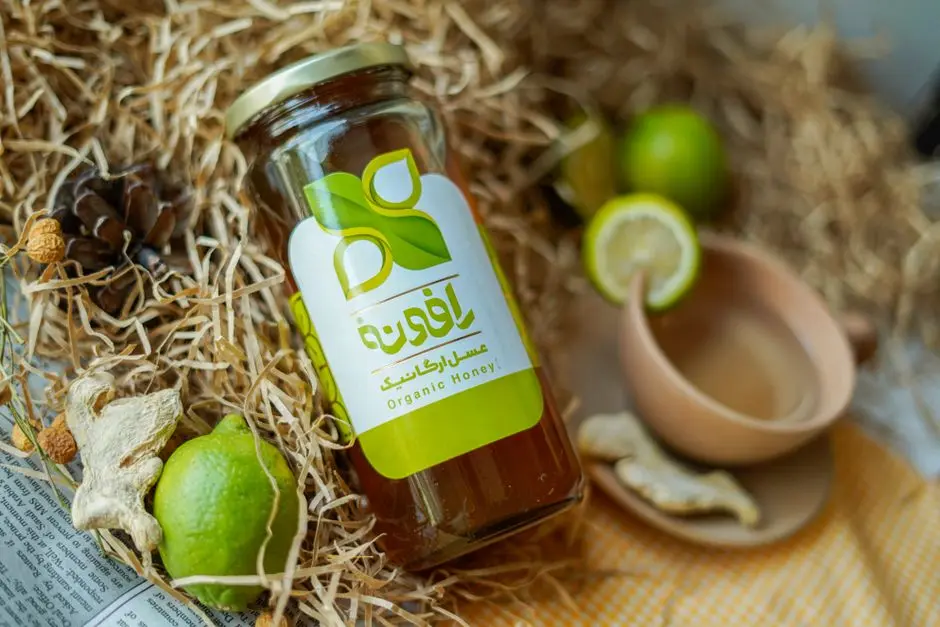
* Blend a tiny amount of **organic honey** (1 tsp) into the melted ghee for a mild sweetness—ideal for drizzling over warm roti.
3. Quick‑Version Ghee (30‑Minute Method)
* Start with **200 g of organic butter** and **2 L of A2 milk**.
* Melt butter, add milk, and follow steps 2‑4 above. The butter accelerates water evaporation, cutting the total time in half.
4. Ayurvedic “Triphala‑Infused” Ghee
* Add **½ tsp Triphala powder** during the final 5 minutes of simmering. This creates a digestive‑support ghee perfect for post‑Deepavali detox.
—
Storage Tips
* **Pantry:** Keep in an airtight glass jar away from direct sunlight. At ≤25 °C, ghee remains stable for **3‑4 months**.
* **Refrigerated:** Extends shelf‑life to **6‑9 months**; the texture becomes firmer, but it melts instantly when heated.
* **Freezer:** For ultra‑long storage (up to **12 months**), seal in a freezer‑safe container. Thaw at room temperature before use.
* **Avoid moisture:** Always use a clean, dry spoon; water promotes rancidity.
* **Smell test:** If you detect a sour or off‑note, discard – oxidation may have set in.
—
FAQ
—
Serving Suggestions – Make the Most of Your A2 Ghee
1. **Tadka (Tempering) for Dal & Sambar:** Heat 1 tsp ghee, add mustard seeds, curry leaves, and a pinch of asafoetida for a fragrant, gut‑friendly finish.
2. **Golden Roti Brush:** Melt a small amount of ghee and brush over hot whole‑wheat roti; the healthy fats enhance absorption of fat‑soluble vitamins from the grain.
3. **Night‑time “Ghee Milk”:** Warm 1 cup organic A2 milk, stir in ½ tsp ghee and a pinch of cardamom – a traditional Ayurvedic sleep aid that supports hormonal balance.
4. **Deep‑fried Snacks (Low‑Smoke):** Use ghee’s high smoke point for making crunchy **poha laddus** or **millet pakoras**—a healthier alternative during Deepavali when air quality is poor.
5. **Salad Dressing:** Whisk together 2 tbsp ghee, 1 tsp lemon juice, and a dash of sea salt for a rich, anti‑inflammatory dressing over mixed greens or sprouted moong.
—
References
- J. Kumar et al., “Conjugated Linoleic Acid and Breast Cancer Risk: A Systematic Review,” *Nutrition & Cancer*, 2022.
- R. Sharma & P. Patel, “A2 Milk and Hormonal Health: Emerging Evidence,” *Indian Journal of Clinical Nutrition*, 2023.
- World Health Organization, “Air Pollution and Respiratory Health,” 2024 – Deepavali smoke impact.
- S. Gupta, “Endometrial Cancer Trends in Indian Women,” *Journal of Gynecologic Oncology*, 2023.
- V. Mohan, “Traditional Clarified Butter (Ghee) – Composition and Health Benefits,” *Ayurvedic Research Review*, 2021.