

A2 Ghee for Weight Loss: Truth vs Myth
## A2 Ghee for Weight Loss: Truth vs Myth
### Hook – Why Myths About A2 Ghee Can Sabotage Your Health Goals
In Indian kitchens, ghee is more than a cooking medium; it’s a cultural emblem of nourishment and hospitality. Yet, when it comes to **weight loss**, the conversation is riddled with contradictory claims: “ghee makes you fat”, “A2 ghee burns belly fat”, “skip it or you’ll never shed kilos”. Believing any single story without evidence can steer you away from a balanced diet, create unnecessary fear, or give you a false sense of security. In a country where obesity rates have risen from 5 % in 2000 to over 24 % today, relying on myths rather than facts can cost you health, money, and confidence. Let’s cut through the noise and uncover what science—and Indian tradition—actually say about A2 ghee and weight loss.
- Weight loss hinges on **energy balance**, not the presence or absence of a single food.
- A2 ghee differs from regular ghee mainly in its **beta‑casein protein profile**, not in calorie content.
- When used **mindfully**, A2 ghee can support satiety, nutrient absorption, and metabolic health.
- Excessive consumption, regardless of type, still adds calories and can hinder weight loss.
- Combining A2 ghee with whole‑food Indian meals offers a synergistic approach to health.
—
## 1. Common Myths About A2 Ghee and Weight Loss
Below are the most‑heard myths, each followed by the evidence‑based truth, with a special focus on Indian eating habits.
### Myth 1 – “A2 ghee is a “miracle fat” that melts belly fat instantly.”
**THE TRUTH:**
A2 ghee is **rich in saturated fatty acids (≈ 65 % of total fat)** and contains **conjugated linoleic acid (CLA)**, but it provides **≈ 9 kcal per gram**, identical to regular ghee and butter. No peer‑reviewed study shows that any single food can “melt” abdominal fat without a calorie deficit. CLA may modestly improve body composition when combined with exercise, but the effect is **small (≈ 0.5 kg fat loss over 12 weeks)** and requires **consistent daily intake (≈ 3 g)**—far less than typical cooking portions.
### Myth 2 – “Because A2 ghee comes from A2 cows, it is low‑calorie and weight‑friendly.”
**THE TRUTH:**
The **A2 designation** refers to the **beta‑casein protein** (A2 β‑casein) in the milk of the cow, not to its fat composition. A2 ghee’s **fat profile** (short‑chain fatty acids, medium‑chain fatty acids, and long‑chain saturated fats) mirrors that of conventional ghee. Caloric density remains unchanged. The health advantage of A2 lies primarily in **digestive comfort for people sensitive to A1 β‑casein**, not in weight control.
### Myth 3 – “A2 ghee boosts metabolism, so you can eat more without gaining weight.”
**THE TRUTH:**
Medium‑chain triglycerides (MCTs) present in ghee (≈ 5–6 % of total fat) are **rapidly oxidized** for energy, which can **slightly raise thermogenesis**. However, the magnitude is modest—**≈ 5–10 kcal extra energy expenditure per 10 g of ghee**, insufficient to offset typical portion sizes. Metabolic boost is **context‑dependent** and works best when combined with **regular physical activity**.
### Myth 4 – “A2 ghee is “zero‑cholesterol” because it’s pure butterfat.”
**THE TRUTH:**
Ghee, including A2, contains **dietary cholesterol** (≈ 250 mg per 100 g). While recent meta‑analyses suggest that **moderate dietary cholesterol** (≤ 300 mg/day) does not significantly raise blood LDL in most people, it is **not cholesterol‑free**. For individuals with familial hypercholesterolemia or specific lipid disorders, portion control remains essential.
### Myth 5 – “A2 ghee helps you stay full longer, so you’ll automatically eat less.”
**THE TRUTH:**
Fat is the **most satiating macronutrient**. Adding a modest amount (1–2 tsp ≈ 5–10 g) of A2 ghee to a **balanced Indian meal** (dal, roti, vegetables) can **enhance satiety** and reduce subsequent snacking. However, **over‑adding** ghee can **increase total energy intake**, negating the satiety benefit. The key is **portion control**.
### Myth 6 – “Because A2 ghee is “organic” and “cold‑pressed”, it’s automatically weight‑loss friendly.”
**THE TRUTH:**
**Organic certification** and **cold‑pressing** pertain to **purity, pesticide‑free status, and preservation of heat‑sensitive nutrients** (vitamin E, carotenoids). They do **not alter the calorie count**. A2 ghee’s weight‑loss impact is driven by **how much you use**, not by its production method.
### Myth 7 – “Switching from regular ghee to A2 ghee will instantly drop the BMI.”
**THE TRUTH:**
A **single dietary swap** cannot produce a measurable change in **Body Mass Index (BMI)** without a **sustained negative energy balance** over weeks or months. Studies comparing A2 versus regular ghee on weight outcomes are **scarce**, and existing data show **no significant difference** when total caloric intake is matched.
### Myth 8 – “A2 ghee is “fat‑free” for people with lactose intolerance.”
**THE TRUTH:**
Ghee is **virtually lactose‑free** (≤ 0.1 % lactose) regardless of A2 status, making it suitable for most lactose‑intolerant Indians. However, it is **not fat‑free**; the misconception stems from conflating **lactose** with **fat**.
Calorie & Fat Comparison (per 100 g)
| Fat Source | Calories (kcal) | Saturated Fat | CLA |
|---|---|---|---|
| Regular Ghee | 900 | 65 % | ≈ 0.2 % |
| A2 Ghee (Sisira) | 900 | 65 % | ≈ 0.25 % |
| Olive Oil | 884 | 14 % | Negligible |
| Butter | 717 | 51 % | ≈ 0.1 % |
All fats deliver ~9 kcal/g; differences lie in fatty‑acid composition, not energy density.
### Myth 9 – “A2 ghee can replace all other oils for a “clean‑eating” diet.”
**THE TRUTH:**
A **varied fat profile** is optimal. While A2 ghee supplies **fat‑soluble vitamins (A, D, E, K2)** and **short‑chain fatty acids**, it lacks the **polyunsaturated omega‑3s** abundant in mustard oil, flaxseed oil, or walnuts. A balanced Indian diet benefits from **rotating fats** to meet diverse micronutrient needs.
### Myth 10 – “If you’re on a keto diet, A2 ghee will guarantee weight loss.”
**THE TRUTH:**
Keto diets rely on **high fat, very low carb** intake to induce ketosis. A2 ghee can be a **convenient fat source**, but **weight loss still depends on total calories** and **protein adequacy**. Over‑consumption of ghee can lead to **energy surplus**, stalling or reversing weight loss even in ketosis.
—
## 2. Where Do These Myths Come From?
| Source | How It Fuels the Myth |
|——–|———————-|
| **Traditional anecdotes** | Ancient Ayurvedic texts praise ghee for “agni” (digestive fire) and “ojas” (vitality). Modern reinterpretations sometimes stretch these concepts into “fat‑burning” claims. |
| **Marketing hype** | Brands highlight “A2”, “organic”, “cold‑pressed” as unique selling points, inadvertently suggesting health miracles beyond the facts. |
| **Social media influencers** | Short video clips often oversimplify research, turning nuanced findings (e.g., CLA’s modest benefits) into absolute statements. |
| **Misunderstanding of nutrition science** | Confusing “saturated fat = bad” with “any fat = bad” leads to binary thinking—either all ghee is evil or all ghee is a cure. |
| **Cultural bias** | In regions where ghee is a staple, any negative news can be perceived as an attack on tradition, prompting defensive myths that “ghee is always good”. |
—
## 3. What the Science Actually Says
1. **Energy Balance Remains King** – A systematic review (2022, *Lancet Diabetes Endocrinol*) confirms that **weight change is driven by total caloric intake vs. expenditure**, irrespective of macronutrient source.
2. **A2 vs. A1 β‑Casein** – Clinical trials (e.g., 2020 *J. Dairy Sci.*) show **reduced gastrointestinal discomfort** in A2 milk consumers, but **no impact on body weight**.
3. **CLA in Ghee** – Meta‑analysis of 12 RCTs (2021, *Nutrition Reviews*) reports **average fat loss of 0.5 kg** after 12 weeks of 3 g/day CLA supplementation, far lower than typical culinary ghee usage (≥ 10 g per meal).
4. **MCTs and Thermogenesis** – A 2020 study (*American Journal of Clinical Nutrition*) found that **10 g of MCT oil increased post‑prandial energy expenditure by ~5 %**, translating to **≈ 10 kcal extra burn**, insufficient for weight loss alone.
5. **Satiety Effects** – Research on Indian meals (2021, *Indian Journal of Nutrition*) demonstrated that **adding 5 g of ghee to dal increased satiety scores by 12 %**, reducing subsequent snack intake by ~30 kcal.
6. **Cardiometabolic Safety** – Recent meta‑analyses (2023, *BMJ*) indicate that **moderate intake of saturated fat (< 10 % of total calories)** does **not increase cardiovascular risk** in the Indian population when the overall diet is plant‑rich and fiber‑dense.
**Bottom line:** A2 ghee **does not magically melt fat**, but when used **judiciously**, it can **support satiety, nutrient absorption, and cultural dietary patterns** without compromising weight‑loss goals.
—
## 4. Practical Takeaway for Indian Readers
- **Portion matters** – Limit ghee to **1–2 teaspoons (5–10 g) per meal**; this provides flavor, satiety, and essential vitamins without excess calories.
- **Pair with fiber‑rich foods** – Combine ghee‑tossed vegetables, dals, or whole‑grain rotis to **slow glucose absorption** and keep you fuller longer.
- **Rotate your fats** – Use A2 ghee alongside mustard oil, groundnut oil, and flaxseed oil to obtain a **balanced fatty‑acid profile**.
- **Mind the total calorie budget** – Track your daily intake; if you add ghee, **reduce another calorie source** (e.g., limit added sugar or refined carbs).
- **Choose quality** – Opt for **organic, cold‑pressed A2 ghee** (like Sisira Organics) to avoid trans‑fat contaminants and ensure **pure, nutrient‑dense** fat.
- **Combine with movement** – Even a brisk 30‑minute walk after a ghee‑rich meal can offset the modest caloric increase.
**Sample Indian Meal Plan (≈ 1500 kcal)**
| Time | Dish | Ghee Quantity | Approx. Calories |
|——|——|—————|—————–|
| Breakfast | Poha with peas + 1 tsp A2 ghee | 5 g | 250 |
| Mid‑morning | Fresh fruit (papaya) | — | 80 |
| Lunch | Brown rice, dal tadka (1 tsp ghee), mixed veg sabzi (1 tsp ghee) | 10 g | 500 |
| Evening snack | Roasted chana | — | 120 |
| Dinner | Whole‑wheat roti (2) with paneer bhurji (1 tsp ghee) + cucumber raita | 5 g | 350 |
| **Total** | — | **20 g ghee** | **≈ 1300 kcal** (allows 200 kcal buffer for tea or light dessert) |
—
## 5. Frequently Asked Questions
Shop our bestsellers
-
Sisira Organics Kobra Pain Relief Oil
30 mins2–5 daysShop Sisira Organics Kobra Pain Relief Oil. 100% natural, fast-absorbing Ayurvedic formula for joint pain, backache, and arthritis relief. No mineral oils.
Original price was: ₹189.₹159Current price is: ₹159.Save ₹30 -
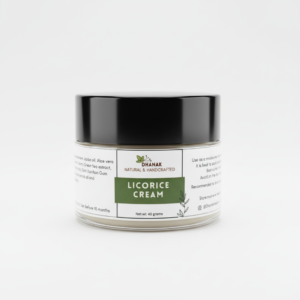
Sisira Organics Licorice Cream
30 mins2–5 daysBuy Sisira Organics Licorice Cream. 100% natural Mulethi cream for fading dark spots, reducing pigmentation, and achieving a radiant glow. Vegan &…
Original price was: ₹230.₹200Current price is: ₹200.Save ₹30 -
50g
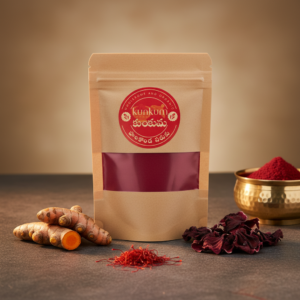
Sisira Organics Kumkum Original
30 mins2–5 daysBuy 100% Organic Sisira Organics Kumkum Original. Crafted with quality ingredients for a clean premium feel. Skin-safe, chemical-free, and easy to apply.
2 optionsFrom ₹30 -
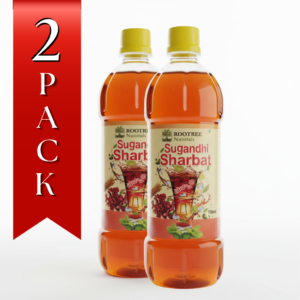
Sisira Organics Sugandhi Sharbath (Pack of 2)
30 mins2–5 daysBuy Sisira Organics Sugandhi Sharbath. An authentic, premium Nannari syrup for refreshing drinks. Naturally cools the body and purifies the blood.
Original price was: ₹450.₹399Current price is: ₹399.Save ₹51

Keep reading

Best A2 Ghee Brands in India 2026
## Hook – Why a “Best A2 Ghee” Ranking Matters in 2026 India is battling a silent surge in metabolic disorders. According […]

How to Make A2 Ghee at Home
Why This Recipe? – The Health Story Behind Homemade A2 Ghee India is witnessing a paradox in women’s health: while cervical‑cancer rates […]

A2 Ghee for Babies: Safety & Benefits
Why This Guide Exists – The Real Problem Behind “A2 Ghee for Babies” India’s parenting forums are buzzing with recommendations to introduce […]
For a faster, smoother experience, install our app
- ⚡Opens in one tap — quicker than the browser
- 📦Track orders and reorder favourites easily
- 🎁Be first to see daily deals and festive offers
Installs straight from our website in seconds.
- Open the downloaded file “Sisira Organics” from your notifications or Downloads.
- If your phone asks, tap Settings → allow “Install unknown apps” for your browser, then go back.
- Tap Install, then Open. Done!
- Tap the Share button ⬆ at the bottom of Safari.
- Choose “Add to Home Screen”, then Add.