
A2 Ghee for Babies: Safety & Benefits
In this article
- Why This Guide Exists – The Real Problem Behind “A2 Ghee for Babies”
- What to Look for When Buying A2 Ghee – 7 Critical Factors
- Red Flags & Adulteration Signs – What to Spot Before You Buy
- How to Use, Cook & Store A2 Ghee for Babies
- Price Range in INR Across Quality Tiers
- Recommended Brands & Reliable Sources in India
- Common Mistakes to Avoid When Introducing A2 Ghee to Babies
- FAQ – Your Top 5 Questions Answered
- Quick Summary Checklist – Your Baby‑Safe A2 Ghee Cheat Sheet
Why This Guide Exists – The Real Problem Behind “A2 Ghee for Babies”
India’s parenting forums are buzzing with recommendations to introduce **A2 ghee** to infants as early as six months. The hype is driven by:
* **Traditional belief** – A2 ghee is said to be “pure” and easier on a baby’s delicate gut.
* **Marketing surge** – Almost every organic brand now boasts “A2” on the label, creating confusion.
* **Safety concerns** – Reports of adulterated ghee, hidden trans‑fat, and mislabeled milk‑source are still common in Indian markets.
Parents need a **clear, evidence‑based, and market‑specific roadmap** to:
1. Verify that the ghee truly comes from A2‑type cows (Holstein‑Friesian, Jersey, Gir, etc.) and is free from harmful additives.
2. Choose a product that matches the nutritional needs of infants (high‑quality CLA, but low in saturated fat overload).
3. Store and use it safely to retain its health benefits.
This guide cuts through the noise, giving you a practical checklist for buying, spotting red flags, and using A2 ghee for babies with confidence.
- Not all “A2 ghee” on the shelf is genuinely A2 – verify certifications.
- Adulteration (hydrogenated oils, palm oil, synthetic colors) is a real risk in India.
- For babies, focus on purity, low‑temperature processing, and minimal additives.
- Proper storage (dark, airtight, cool) preserves CLA and antioxidants.
- Price reflects quality tiers – cheap ghee often compromises safety.
What to Look for When Buying A2 Ghee – 7 Critical Factors
1. Certified A2 Milk Source
* Look for **“A2 Certified”** logos from the National Dairy Development Board (NDDB) or reputable third‑party labs (e.g., **Food Safety and Standards Authority of India – FSSAI A2 Mark**).
* The label should state the **breed** (Gir, Sahiwal, Jersey) and **origin** of the milk.
2. Cold‑Pressed / Low‑Temperature Extraction
* Traditional “slow‑cooked” or **cold‑pressed** methods (≤ 120 °C) preserve **conjugated linoleic acid (CLA)** and **vitamin‑E** – crucial for a baby’s developing brain and immune system.
* Avoid ghee that mentions “high‑temperature” or “industrial” processing.
3. 100 % Pure Milk Fat – No Blends
* The ingredient list must read **“Milk Fat (A2 Cow Milk)”** only.
* Any mention of **hydrogenated oils, palm oil, soy oil, or vegetable fat** is a red flag.
4. Absence of Additives & Preservatives
* Babies are sensitive to **synthetic colors, flavor enhancers, and antioxidants** like BHT.
* Look for “No Added Preservatives” and “No Artificial Colors”.
5. Organic or Grass‑Fed Certification (Optional but Beneficial)
* **Organic certification (USDA‑Organic, India Organic)** ensures no antibiotics or growth hormones.
* **Grass‑fed** cows produce ghee richer in omega‑3 and CLA.
6. Transparent Packaging & Batch Information
* Trusted brands provide **batch numbers, manufacturing/expiry dates, and a QR code** linking to lab test reports.
* Dark glass jars or BPA‑free PET reduce oxidation.
7. Third‑Party Lab Test Report (Optional but Gold Standard)
* Some premium brands upload a **COA (Certificate of Analysis)** showing:
* % of A2 β‑casein
* Fatty acid profile (CLA, omega‑3/6 ratio)
* Absence of trans‑fat & heavy metals
| Factor | Ideal for Babies | Common Pitfalls in Indian Market |
|---|---|---|
| A2 Certification | NDDB/FSSAI mark, breed listed | Mis‑use of “A2” without proof |
| Processing | Cold‑pressed ≤120 °C | High‑temp industrial extraction |
| Purity | 100 % milk fat | Blend with palm/vegetable oil |
| Additives | None | Preservatives, synthetic colors |
| Organic/Grass‑Fed | Bonus for higher CLA | Unverified “organic” claims |
Red Flags & Adulteration Signs – What to Spot Before You Buy
| Red Flag | Why It Matters | How to Verify |
|———-|—————-|—————|
| **Bright Yellow or Orange Tint** | Indicates added **beta‑carotene** or **synthetic color**. | Compare with a known pure ghee – natural ghee is creamy‑gold, not neon. |
| **Hard, Crumbly Texture at Room Temp** | May contain **hydrogenated fats** that solidify. | Gently warm a small spoonful; pure ghee should melt smoothly. |
| **Unclear or Missing Batch Details** | Lack of traceability – common in counterfeit products. | Scan QR code; check for lab report. |
| **Price Too Low (< ₹250 per 500 g)** | Likely **adulterated** with cheap oils. | Cross‑check with market averages; cheap ghee often compromises quality. |
| **Strong Rancid Odor** | Oxidized fats – loss of CLA & vitamin‑E. | Smell a spoonful; should have a mild, nutty aroma. |
| **Label Claims “A2 Ghee” without “Milk Fat”** | Could be **A2 milk powder** blended with oil. | Ensure “Milk Fat” is the first (and only) ingredient. |
How to Use, Cook & Store A2 Ghee for Babies
Feeding Guidelines (6–12 Months)
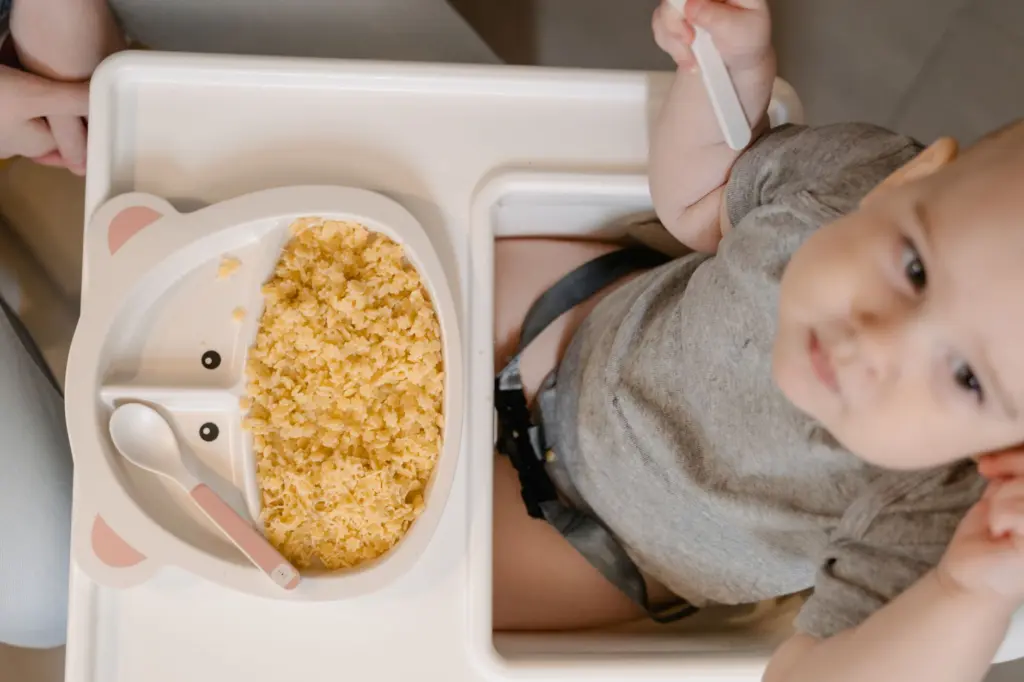
1. **Start Small** – ½ tsp (≈2 g) mixed into warm mashed vegetables or rice cereal, once a day.
2. **Gradual Increase** – Over 2–3 weeks, raise to 1 tsp (≈4 g) twice daily, monitoring for any digestive upset.
3. **Avoid Direct Spoon‑Feeding** – Mix into semi‑solid foods to reduce choking risk.
Cooking with Baby‑Safe A2 Ghee
* **Low‑heat sauté** – Ideal for tempering spices (cumin, turmeric) before adding pureed veggies.
* **Avoid Deep‑Frying** – High temperatures degrade CLA and generate trans‑fat.
* **No Re‑use** – Discard leftover ghee after cooking for infants; reheating repeatedly reduces nutrient integrity.
Storage Best Practices
| Condition | Recommended Action |
|———–|——————–|
| **Container** | Dark glass jar or BPA‑free PET with tight seal. |
| **Temperature** | Store at **room temperature (≤ 25 °C)** away from sunlight; for hot climates (> 30 °C), keep in the refrigerator (ghee solidifies but retains flavor). |
| **Shelf Life** | Unopened: **12 months** from manufacturing date. Opened: **3 months** at room temp, **6 months** refrigerated. |
| **Avoid Moisture** | Use a dry spoon; moisture accelerates rancidity. |
Price Range in INR Across Quality Tiers
| Tier | Brand Example | Approx. Price (500 g) | What You Get |
|——|—————|———————-|————–|
| **Budget** | Local “A2” store brand | ₹180 – ₹250 | May lack certification, higher risk of adulteration. |
| **Mid‑Range** | **Sisira Organics A2 Ghee** | ₹350 – ₹450 | NDDB A2 mark, cold‑pressed, no additives. |
| **Premium** | **Organic Valley A2 Ghee (Grass‑Fed)** | ₹620 – ₹720 | Organic, grass‑fed, third‑party COA, dark glass jar. |
| **Luxury** | **PureGold A2 Ultra‑Pure** | ₹950 – ₹1,150 | Ultra‑pure, limited batch, full lab report, hand‑crafted. |
*Note: Prices fluctuate with seasonal milk supply; always compare batch‑wise lab results rather than price alone.*
Recommended Brands & Reliable Sources in India
| Brand | Certification | Key Strength |
|——-|—————-|————–|
| **Sisira Organics** | NDDB A2, FSSAI, India Organic | Transparent COA, cold‑pressed, BPA‑free packaging. |
| **Organic Valley (India)** | USDA‑Organic, Grass‑Fed, A2 Mark | High CLA, grass‑fed, third‑party testing. |
| **Amul A2 Ghee** | NDDB A2, FSSAI | Widely available, consistent quality, affordable. |
| **Prakritik A2 Ghee** | FSSAI, ISO 22000 | No added color/preservatives, batch QR code. |
| **PureGold** | ISO 9001, Lab‑tested A2 | Luxury segment, limited edition, hand‑crafted. |
**Where to Buy:**
* **Official brand websites** (ensures authentic packaging).
* **Reputed e‑commerce platforms** – Amazon India “Seller Verified”, BigBasket “Brand Store”.
* **Organic stores** – Nature’s Basket, 24 Mantra, local organic cooperatives.
Common Mistakes to Avoid When Introducing A2 Ghee to Babies
1. **Starting Too Early** – Introducing ghee before 6 months can displace essential breast‑milk nutrients.
2. **Over‑Portioning** – More than 1 tsp twice daily can overload saturated fat, leading to constipation.
3. **Mixing with Processed Foods** – Adding ghee to packaged snacks defeats its health purpose.
4. **Re‑heating Multiple Times** – Each reheating reduces CLA and may form harmful compounds.
5. **Ignoring Allergic Reactions** – Though rare, monitor for rash, vomiting, or diarrhea in the first week.
6. **Choosing Cheap “A2” Labels Without Verification** – Saves money now but risks long‑term health.
7. **Storing Near Heat Sources** – Sunlight or kitchen stove heat accelerates oxidation.
FAQ – Your Top 5 Questions Answered
Quick Summary Checklist – Your Baby‑Safe A2 Ghee Cheat Sheet
- ✅ Verify **NDDB/FSSAI A2 certification** and breed details on the label.
- ✅ Ensure **100 % milk fat**, no vegetable oil blends.
- ✅ Choose **cold‑pressed** or low‑temperature processed ghee.
- ✅ Look for **no additives, preservatives, or synthetic colors**.
- ✅ Check **batch number & QR‑code** for a lab report.
- ✅ Store in a **dark, airtight jar**, away from heat; refrigerate in hot climates.
- ✅ Start with **½ tsp** mixed into pureed food after 6 months; increase gradually.
- ✅ Avoid deep‑frying, re‑heating, and mixing with processed snacks.
- ✅ Keep a **price vs. quality reference** – cheap ghee often means compromised purity.
References
- National Dairy Development Board (NDDB).

Shop our bestsellers
-
Sisira Organics Kobra Pain Relief Oil
30 mins2–5 daysShop Sisira Organics Kobra Pain Relief Oil. 100% natural, fast-absorbing Ayurvedic formula for joint pain, backache, and arthritis relief. No mineral oils.
Original price was: ₹189.₹159Current price is: ₹159.Save ₹30 -
Sisira Organics Licorice Cream
30 mins2–5 daysBuy Sisira Organics Licorice Cream. 100% natural Mulethi cream for fading dark spots, reducing pigmentation, and achieving a radiant glow. Vegan &…
Original price was: ₹230.₹200Current price is: ₹200.Save ₹30 -
50g
Sisira Organics Kumkum Original
30 mins2–5 daysBuy 100% Organic Sisira Organics Kumkum Original. Crafted with quality ingredients for a clean premium feel. Skin-safe, chemical-free, and easy to apply.
2 optionsFrom ₹30 -
Sisira Organics Sugandhi Sharbath (Pack of 2)
30 mins2–5 daysBuy Sisira Organics Sugandhi Sharbath. An authentic, premium Nannari syrup for refreshing drinks. Naturally cools the body and purifies the blood.
Original price was: ₹450.₹399Current price is: ₹399.Save ₹51


Keep reading

Best A2 Ghee Brands in India 2026
## Hook – Why a “Best A2 Ghee” Ranking Matters in 2026 India is battling a silent surge in metabolic disorders. According […]
How to Make A2 Ghee at Home
Why This Recipe? – The Health Story Behind Homemade A2 Ghee India is witnessing a paradox in women’s health: while cervical‑cancer rates […]
A2 Ghee for Weight Loss: Truth vs Myth
## A2 Ghee for Weight Loss: Truth vs Myth ### Hook – Why Myths About A2 Ghee Can Sabotage Your Health Goals […]
For a faster, smoother experience, install our app
- ⚡Opens in one tap — quicker than the browser
- 📦Track orders and reorder favourites easily
- 🎁Be first to see daily deals and festive offers
Installs straight from our website in seconds.
- Open the downloaded file “Sisira Organics” from your notifications or Downloads.
- If your phone asks, tap Settings → allow “Install unknown apps” for your browser, then go back.
- Tap Install, then Open. Done!
- Tap the Share button ⬆ at the bottom of Safari.
- Choose “Add to Home Screen”, then Add.