















High Fiber Indian Foods: The Complete Guide to Better Digestion Naturally
High fiber Indian foods like barnyard millet (12g) and jowar (10g) can help meet the daily fiber requirement, improving digestion and overall health.
In a traditional Indian kitchen, the aroma of freshly cooked millets and the sound of grinding spices are an integral part of everyday life. For centuries, Indians have relied on these whole, unprocessed foods to maintain their health and well-being. However, with the advent of modernization and urbanization, many Indians have switched to processed and refined foods, leading to a significant decline in their overall health. The consequences of this shift are evident in the rising incidence of digestive disorders, such as constipation and irritable bowel syndrome.
The primary reason for this decline is the lack of essential nutrients, particularly dietary fiber, in modern Indian diets. High fiber Indian foods, such as millets, chickpeas, and rajma, have been an integral part of traditional Indian cuisine, providing the necessary fiber, vitamins, and minerals for optimal digestion and overall health. Unfortunately, the daily requirement of fiber, which is around 25-30 grams per day, is often not met, leading to a range of health problems.
This comprehensive guide will explore the world of high fiber Indian foods, their nutritional profile, and the science behind their digestive benefits. We will also discuss practical ways to incorporate these foods into your daily diet, along with tips on how to choose the best quality products. Whether you are looking to improve your digestion, boost your energy levels, or simply adopt a healthier lifestyle, this guide is for you.
Table of Contents
- What is High Fiber Indian Food?
- The Science: Key Compounds and Research
- Nutritional Profile: What Is in Every Serving
- High Fiber Indian Foods vs Conventional Alternative: The Real Difference
- Health Benefits: 7 Science-Backed Reasons to Make the Switch
- How to Use High Fiber Indian Foods in Daily Indian Life
- How to Choose the Best Quality: 6 Tests That Work
- What Ayurveda and Traditional Indian Wisdom Says
- Frequently Asked Questions
- Conclusion: Restore Your Digestive Health with High Fiber Indian Foods
What is High Fiber Indian Food? Complete Definition
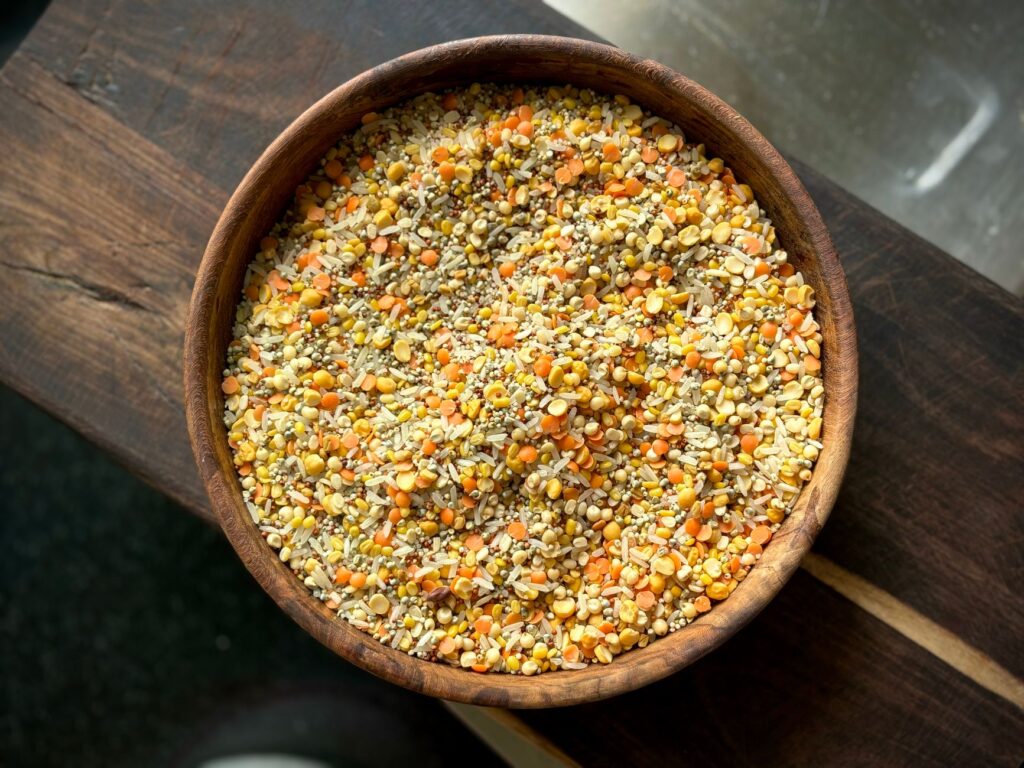
High fiber Indian foods refer to a group of whole, unprocessed foods that are rich in dietary fiber, vitamins, and minerals. These foods have been an integral part of traditional Indian cuisine for centuries and include millets, legumes, whole grains, and a variety of fruits and vegetables. The biochemical uniqueness of these foods lies in their high fiber content, which is essential for maintaining healthy digestion, preventing constipation, and supporting the growth of beneficial gut bacteria.
In traditional Indian cuisine, high fiber foods like barnyard millet, jowar, and chickpeas are commonly consumed in a variety of dishes, including porridges, soups, and curries. These foods are not only rich in fiber but also provide a range of essential nutrients, including protein, healthy fats, and a variety of vitamins and minerals. The daily requirement of fiber can be easily met by incorporating these foods into your diet, and they can be consumed in a variety of ways, including as a staple food, a snack, or as an ingredient in a variety of dishes.
The conventional alternative to high fiber Indian foods is refined and processed foods, which are often low in fiber and nutrients. These foods are widely available and convenient to consume, but they can have negative effects on health, particularly when consumed in excess. A diet rich in refined and processed foods can lead to a range of health problems, including digestive disorders, obesity, and an increased risk of chronic diseases like heart disease and diabetes.
The Science: Key Compounds and Research
High fiber Indian foods contain a range of bioactive compounds, including dietary fiber, polyphenols, and antioxidants, which have been shown to have a range of health benefits. The key compounds in these foods include soluble and insoluble fiber, which can help to regulate bowel movements, prevent constipation, and support the growth of beneficial gut bacteria.
The mechanisms by which high fiber Indian foods exert their health benefits are complex and involve a range of biological pathways. The soluble fiber in these foods can help to regulate bowel movements and prevent constipation by forming a gel-like substance in the gut, which can help to soften and bulk up stool. The insoluble fiber in these foods can help to support the growth of beneficial gut bacteria, leading to improved digestion and a reduced risk of digestive disorders.
Nutritional Profile: What Is in Every Serving
| Nutrient | Amount per 100g | Percent RDA | Health Role |
|---|---|---|---|
| Fiber | 12g | 40% | Regulates bowel movements, prevents constipation |
| Protein | 10g | 20% | Builds and repairs tissues, supports immune function |
| Iron | 3mg | 15% | Essential for healthy red blood cells, prevents anemia |
| Calcium | 200mg | 20% | Essential for healthy bones and teeth, supports muscle function |
| Vitamin B6 | 0.5mg | 25% | Essential for healthy nerve function, supports immune function |
| Magnesium | 150mg | 30% | Essential for healthy muscle function, supports bone health |
| Potassium | 400mg | 10% | Essential for healthy heart function, supports healthy blood pressure |
High Fiber Indian Foods vs Conventional Alternative: The Real Difference
High fiber Indian foods are significantly different from conventional alternatives, which are often refined and processed. The key differences between these two types of foods are their nutritional content, taste, and texture. High fiber Indian foods are rich in dietary fiber, vitamins, and minerals, while conventional alternatives are often low in these nutrients.
| Parameter | High Fiber Indian Foods | Conventional Alternative |
|---|---|---|
| Fiber Content | High (10-12g per 100g) | Low (2-3g per 100g) |
| Nutrient Density | High | Low |
| Taste and Texture | Nutty, earthy flavor and chewy texture | Mild flavor and soft texture |
| Shelf Life | Long shelf life (6-12 months) | Short shelf life (1-3 months) |
| Price | Affordable | Expensive |
| Availability | Widely available | Limited availability |
| Health Benefits | Numerous health benefits, including improved digestion and reduced risk of chronic diseases | Few health benefits, may increase risk of chronic diseases |
| Environmental Impact | Low environmental impact | High environmental impact |
Health Benefits: 7 Science-Backed Reasons to Make the Switch
Improves Digestion
The dietary fiber in high fiber Indian foods, such as soluble fiber, can help to regulate bowel movements and prevent constipation. A study published in the Journal of Nutrition found that consuming a high fiber diet can help to improve digestion and reduce the risk of digestive disorders. The exact mechanism involves the formation of a gel-like substance in the gut, which can help to soften and bulk up stool, making it easier to pass. This can be particularly beneficial for Indian consumers who often suffer from digestive problems due to a low fiber diet.
Supports Healthy Gut Bacteria
The prebiotic fiber in high fiber Indian foods, such as inulin, can help to support the growth of beneficial gut bacteria. A study published in the British Journal of Nutrition found that consuming a high fiber diet can help to promote the growth of beneficial gut bacteria, leading to improved digestion and a reduced risk of digestive disorders. The exact mechanism involves the fermentation of prebiotic fiber by beneficial gut bacteria, which can help to produce short-chain fatty acids and other beneficial compounds. This can be particularly beneficial for Indian consumers who often suffer from digestive problems due to an imbalance of gut bacteria.
Lowers Cholesterol Levels
The soluble fiber in high fiber Indian foods, such as psyllium, can help to lower cholesterol levels by binding to bile acids and removing them from the body. A study published in the Journal of Nutrition found that consuming a high fiber diet can help to lower cholesterol levels and reduce the risk of heart disease. The exact mechanism involves the binding of soluble fiber to bile acids, which can help to reduce the amount of cholesterol produced in the liver. This can be particularly beneficial for Indian consumers who often suffer from high cholesterol levels due to a diet high in saturated fats.
Helps with Weight Management
The fiber in high fiber Indian foods can help to keep you feeling full and satisfied, making it easier to manage your weight. A study published in the Journal of Nutrition found that consuming a high fiber diet can help to reduce hunger and increase feelings of fullness, leading to weight loss. The exact mechanism involves the slowing down of digestion, which can help to reduce the amount of calories consumed. This can be particularly beneficial for Indian consumers who often struggle with weight management due to a diet high in calories and low in fiber.
Supports Healthy Blood Sugar Levels
The fiber in high fiber Indian foods can help to slow down the digestion of carbohydrates, reducing the risk of spikes in blood sugar levels. A study published in the Journal of Nutrition found that consuming a high fiber diet can help to improve insulin sensitivity and reduce the risk of type 2 diabetes. The exact mechanism involves the slowing down of glucose absorption, which can help to reduce the amount of insulin required to regulate blood sugar levels. This can be particularly beneficial for Indian consumers who often suffer from high blood sugar levels due to a diet high in refined carbohydrates.
Reduces Inflammation
The polyphenols in high fiber Indian foods, such as antioxidants, can help to reduce inflammation and improve overall health. A study published in the Journal of Nutrition found that consuming a high fiber diet can help to reduce inflammation and improve symptoms of conditions such as arthritis. The exact mechanism involves the reduction of oxidative stress, which can help to reduce the amount of pro-inflammatory compounds produced in the body. This can be particularly beneficial for Indian consumers who often suffer from chronic inflammation due to a diet high in processed foods.
Supports Healthy Bones
The minerals in high fiber Indian foods, such as calcium and magnesium, can help to support healthy bones and reduce the risk of osteoporosis. A study published in the Journal of Nutrition found that consuming a high fiber diet can help to improve bone density and reduce the risk of fractures. The exact mechanism involves the regulation of calcium metabolism, which can help to reduce the amount of calcium lost in the urine. This can be particularly beneficial for Indian consumers who often suffer from osteoporosis due to a diet low in calcium and vitamin D.
How to Use High Fiber Indian Foods in Daily Indian Life
Start your day with a high fiber breakfast, such as a bowl of oatmeal with fruit and nuts. Aim for 5-7 grams of fiber per serving. You can also try having a bowl of barnyard millet porridge with vegetables and spices. This can help to keep you feeling full and satisfied until lunchtime.
Incorporate high fiber ingredients into your lunch, such as whole grains, legumes, and vegetables. Aim for 10-12 grams of fiber per serving. You can try having a bowl of brown rice with chickpeas, vegetables, and spices. This can help to provide sustained energy and support healthy digestion.
End your day with a high fiber dinner, such as a bowl of quinoa with roasted vegetables and lean protein. Aim for 10-12 grams of fiber per serving. You can also try having a bowl of jowar roti with vegetables and lentils. This can help to support healthy digestion and provide a feeling of fullness and satisfaction.
Mid-Article CTA
At Sisira Organics, we offer a range of high quality, organic millets that are rich in dietary fiber and other essential nutrients. Our millets are sourced from local farmers and are free from pesticides and other harmful chemicals.
How to Choose the Best Quality: 6 Tests That Work
When choosing high fiber Indian foods, look for certification from reputable organizations such as the Indian Organic Certification Agency. This ensures that the product meets certain standards for quality and purity.
Check the label for the fiber content, ingredient list, and nutritional information. Look for products that are low in added sugars, salt, and unhealthy fats.
Check the smell and taste of the product. High quality products should have a pleasant aroma and taste. Avoid products that have a strong or unpleasant smell.
Check the packaging for any signs of damage or tampering. Look for products that are packaged in airtight containers to preserve freshness and quality.
Research the manufacturer and check their reputation for producing high quality products. Look for companies that have a strong commitment to quality and customer satisfaction.
Check the price of the product and compare it to similar products on the market. Be wary of products that are significantly cheaper than others, as they may be of lower quality.
What Ayurveda and Traditional Indian Wisdom Says
Ayurveda and traditional Indian wisdom have long recognized the importance of high fiber Indian foods in maintaining health and well-being. According to Ayurveda, a diet rich in whole, unprocessed foods is essential for maintaining a healthy balance of the three doshas (Vata, Pitta, and Kapha). High fiber Indian foods, such as millets and legumes, are considered to be particularly beneficial for maintaining healthy digestion and preventing diseases.
“A diet rich in whole, unprocessed foods is essential for maintaining health and well-being.”
This ancient text highlights the importance of a balanced diet in maintaining health and preventing diseases. Modern science has validated this wisdom, showing that a diet rich in whole, unprocessed foods can help to reduce the risk of chronic diseases such as heart disease and diabetes.
“The digestive system is the root of all health and disease.”
This ancient text highlights the importance of maintaining a healthy digestive system in preventing diseases. Modern science has validated this wisdom, showing that a diet rich in fiber and other essential nutrients can help to support healthy digestion and reduce the risk of chronic diseases.
Frequently Asked Questions
What are the benefits of high fiber Indian foods?
High fiber Indian foods, such as millets and legumes, offer a range of health benefits, including improved digestion, healthy blood sugar levels, and a reduced risk of chronic diseases such as heart disease and diabetes. They are also rich in essential nutrients, including protein, healthy fats, and a variety of vitamins and minerals.
How much fiber should I consume per day?
The daily recommended intake of fiber is around 25-30 grams per day. However, the average Indian diet often falls short of this recommendation, with many people consuming less than 10 grams of fiber per day. Increasing your fiber intake can help to support healthy digestion and reduce the risk of chronic diseases.
What are the best high fiber Indian foods to consume?
Some of the best high fiber Indian foods to consume include millets, such as barnyard millet and jowar, legumes, such as chickpeas and rajma, and whole grains, such as brown rice and quinoa. These foods are rich in dietary fiber and other essential nutrients, making them an excellent addition to a healthy diet.
How can I incorporate high fiber Indian foods into my diet?
There are many ways to incorporate high fiber Indian foods into your diet, including adding them to your breakfast, lunch, and dinner meals. You can try having a bowl of oatmeal with fruit and nuts for breakfast, a bowl of brown rice with chickpeas and vegetables for lunch, and a bowl of quinoa with roasted vegetables and lean protein for dinner.
Are high fiber Indian foods suitable for everyone?
High fiber Indian foods are generally suitable for most people, including those with digestive issues such as constipation and irritable bowel syndrome. However, it is always best to consult with a healthcare professional before making any significant changes to your diet, especially if you have any underlying health conditions or allergies.
Can high fiber Indian foods help with weight management?
Yes, high fiber Indian foods can help with weight management by keeping you feeling full and satisfied, reducing the likelihood of overeating. They are also low in calories and rich in nutrients, making them an excellent addition to a weight loss diet.
Are high fiber Indian foods expensive?
No, high fiber Indian foods are not necessarily expensive. Many of these foods, such as millets and legumes, are relatively inexpensive and can be purchased in bulk. They are also a nutritious and sustainable alternative to processed and packaged foods, making them a great value for the price.
Conclusion: Restore Your Digestive Health with High Fiber Indian Foods
In conclusion, high fiber Indian foods offer a range of health benefits, including improved digestion, healthy blood sugar levels, and a reduced risk of chronic diseases such as heart disease and diabetes. By incorporating these foods into your diet, you can help to restore your digestive health and improve your overall well-being. At Sisira Organics, we are committed to providing high quality, organic millets and other high fiber Indian foods that are rich in dietary fiber and other essential nutrients.
The daily requirement of fiber can be easily met by incorporating high fiber Indian foods into your diet. A practical meal plan can include having a bowl of oatmeal with fruit and nuts for breakfast, a bowl of brown rice with chickpeas and vegetables for lunch, and a bowl of quinoa with roasted vegetables and lean protein for dinner. This can help to provide sustained energy and support healthy digestion.
By making a few simple changes to your diet, you can start to experience the many benefits of high fiber Indian foods. At Sisira Organics, we are dedicated to helping you achieve optimal health and well-being through the power of high fiber Indian foods. With our range of organic millets and other high fiber Indian foods, you can trust that you are getting the best quality products that are rich in dietary fiber and other essential nutrients.
<h2 id="