

Ghee Smoke Point: Safe for High Heat Cooking?
In this article
- Why This Guide Exists – The Real Problem with Ghee & High‑Heat Cooking
- What to Look for When Buying Ghee – 6 Crucial Factors
- Red Flags & Adulteration Signs – What to Avoid
- How to Use, Cook, & Store Ghee – Maximising Safety & Flavor
- Price Range in INR Across Quality Tiers
- Recommended Brands & Sources in India
- Common Mistakes to Avoid
- FAQ – Your Burning Questions Answered
- Quick Summary Checklist – Your Ghee Buying & Cooking Cheat‑Sheet
Why This Guide Exists – The Real Problem with Ghee & High‑Heat Cooking
India’s kitchens are a battlefield of heat. From the sizzling “tadka” of a dal to the roaring “tava” for roti, we routinely push fats to their limits. Ghee, long hailed as the “golden elixir” of Ayurveda, is now a staple on supermarket shelves alongside clarified butter from overseas, blends, and even “ghee‑like” spreads.
The confusion is real:
* **Smoke‑point myths** – Many claim that all ghee can handle 250 °C, while others warn that cheap ghee burns at 150 °C.
* **Adulteration** – In the Indian market, a significant share of “ghee” contains vegetable oil, butter‑oil blends, or hidden trans‑fats.
* **Label overload** – “A2 ghee,” “organic,” “grass‑fed,” “grass‑fed cows,” “cold‑extracted” – what truly matters for high‑heat stability?
This guide cuts through the noise. It equips you with the science of smoke points, the red‑flags of adulteration, and the practical steps to buy, store, and use ghee safely for frying, sautéing, and deep‑frying.
- Smoke point is a *function of purity, moisture content, and free fatty acids* – not just “ghee = high smoke point”.
- Indian‑market adulteration can drop the smoke point by up to 50 °C.
- Choosing the right ghee protects flavor, nutrition, and your health.
What to Look for When Buying Ghee – 6 Crucial Factors
1. Purity – 100 % Milk‑fat
A genuine ghee is made by clarifying butter until water and milk solids are removed. Look for statements such as “100 % pure milk‑fat” or “no added oils”. In India, the FSSAI mandates that “ghee” must contain ≥ 99.5 % milk fat; however, enforcement varies.
2. Source of Milk – A2 vs. A1, Grass‑Fed vs. Grain‑Fed
A2 cows (e.g., Gir, Sahiwal) produce β‑casein A2, which some studies link to better digestibility. Grass‑fed cows generally yield a richer profile of conjugated linoleic acid (CLA) and omega‑3s, which can slightly raise the smoke point.
3. Processing Method – Traditional vs. Industrial
*Traditional “slow‑cooked” ghee* (often labelled “hand‑crafted” or “artisan”) is simmered at low heat for 2‑3 hours, allowing complete removal of moisture.
*Industrial “continuous” ghee* may use high‑speed centrifugation; quality varies. Look for “cold‑extracted” or “low‑temperature clarified” if you prefer minimal heat exposure during production.
4. Color & Aroma
Pure ghee has a golden‑amber hue and a nutty, caramel‑like aroma. Pale or overly yellow ghee may indicate added colourants (e.g., annatto) or excessive heating that degraded the fats.
5. Packaging – Light‑Proof & Airtight
Exposure to light accelerates oxidation. Opt for **opaque glass jars, tin cans, or high‑density PET** with a tight seal. Some premium brands use **double‑layered packaging** (inner glass, outer tin) for extra protection.
6. Certifications & Lab Tests
– **FSSAI license** (mandatory)
– **Organic certification** (if claimed) – NPOP, India Organic, or USDA Organic.
– **Third‑party lab reports** – Some brands publish GC‑MS analysis showing absence of vegetable oil markers (e.g., linoleic acid peaks).
| Factor | Why It Matters for Smoke Point |
|---|---|
| Purity (100 % milk‑fat) | Eliminates low‑melting vegetable oils that smoke early. |
| Milk source (A2, grass‑fed) | Higher CLA & omega‑3 raise oxidative stability. |
| Processing method | Slow cooking removes more moisture → higher smoke point. |
| Color & aroma | Natural amber indicates proper caramelisation, not additives. |
| Packaging | Opaque, airtight prevents rancidity which lowers smoke point. |
| Certifications | Third‑party testing confirms purity & stability. |
Red Flags & Adulteration Signs – What to Avoid
1. **Unusually Low Price** – If a 500 g jar is priced below ₹250, suspect dilution with vegetable oil.
2. **“Mild Aroma” or “No Aroma”** – Authentic ghee should have a distinct nutty smell; a neutral scent often means butter‑oil blends.
3. **Cloudy or Grainy Texture** – Presence of residual milk solids indicates incomplete clarification.
4. **Yellow‑Green Tint** – May signal artificial colourants or excessive heating.
5. **Absence of FSSAI License Number** – Every packaged food in India must display the license; missing it is a legal red flag.
6. **No Lab Report on Website** – Reputable premium brands upload GC‑MS or HPLC data; absence can mean they have nothing to prove.
**Quick Test at Home:**
– **Water Drop Test:** Heat a small spoonful of ghee; it should melt cleanly without sputtering. Excess water (from adulterants) causes spattering.
– **Cold Solidification Test:** Refrigerate 20 g of ghee for 2 hours. Pure ghee solidifies uniformly; oily blends remain soft or separate.
How to Use, Cook, & Store Ghee – Maximising Safety & Flavor
Cooking Techniques & Smoke Point Ranges
| Cooking Method | Typical Temperature (°C) | Safe Ghee Type |
|—————-|————————–|—————-|
| Tempering (tadka) | 150‑180 | Any pure ghee |
| Sautéing vegetables | 180‑200 | Pure, low‑moisture ghee |
| Shallow frying (pakoras) | 190‑210 | Traditional slow‑cooked ghee |
| Deep‑frying (vada, samosa) | 210‑230 | Premium, high‑CLA, low‑FFA ghee |
| Stir‑fry (high‑heat wok) | 230‑250 | Top‑tier, certified organic ghee |
*Note:* The **average smoke point of authentic Indian ghee** is **210‑230 °C**. Adulterated ghee may start smoking at **150‑170 °C**.
Best Practices for High‑Heat Cooking
1. **Pre‑heat the pan first**, then add ghee – this reduces the time ghee spends at the edge of its smoke point.
2. **Avoid re‑using the same ghee** after deep‑frying more than twice; oxidative products accumulate, lowering the smoke point.
3. **Add aromatics after the ghee is hot** (e.g., cumin seeds) – they won’t drag the temperature down.
Storage Guidelines
– **Room temperature** (≤ 25 °C) in a dark cupboard for up to 3 months, if unopened.
– **Refrigerate** after opening for longer shelf‑life (up to 9 months). The ghee will solidify; simply warm before use.
– **Avoid moisture** – always use a dry spoon; never scoop with a wet utensil.
Extending Shelf Life Naturally
– **Add a pinch of turmeric** or **curry leaves** while cooking; their antioxidants slow oxidation.
– **Store with a silica gel packet** (food‑grade) in the jar to absorb any stray moisture.
Price Range in INR Across Quality Tiers
| Tier | Brand Example | Net Weight | Approx. Price (₹) | What You Get |
|——|—————|————|——————-|————–|
| **Budget** | Local supermarket “A2 Ghee” | 500 g | 250‑300 | May contain up to 5 % vegetable oil; lower smoke point. |
| **Mid‑Range** | *Organic Ghee* (NPOP) | 500 g | 450‑550 | Certified pure milk‑fat, moderate CLA, decent smoke point (≈ 200 °C). |
| **Premium** | *Artisan Cold‑Extracted Ghee* (Grass‑fed) | 500 g | 700‑950 | 100 % milk‑fat, high CLA, smoke point 220‑235 °C, airtight glass. |
| **Luxury** | *Single‑Origin A2 Ghee* (Sourced from Gir farms) | 500 g | 1,100‑1,400 | Traceable farm, organic, cold‑pressed, smoke point up to 250 °C. |
*Prices fluctuate seasonally; bulk purchases (1 kg) often give a 10‑15 % discount.*
Recommended Brands & Sources in India
1. **Sisira Organics A2 Ghee** – 100 % A2 cow milk, cold‑pressed, NPOP certified, packaged in amber glass. Smoke point ~ 230 °C.
2. **Organic India Grass‑Fed Ghee** – USDA Organic, third‑party lab reports available, sold in sealed tin cans.
3. **Amul Butter Ghee (Pure)** – Widely available, FSSAI licensed, moderate price; good for everyday cooking but check for occasional “oil blend” rumors.
4. **Patanjali A2 Ghee** – Budget-friendly, claims A2 source; verify with water‑drop test as some batches show oil dilution.
5. **Pure & Sure Artisan Ghee** – Small‑batch, sourced from Sahiwal farms in Maharashtra, sold through their own e‑store with QR code linking to lab analysis.
*Tip:* Purchase from **brand‑owned online stores** or **reputed supermarkets** (Nature’s Basket, BigBasket, Reliance Fresh). Avoid street‑side “ghee” packets unless you trust the vendor’s provenance.
Common Mistakes to Avoid
– **Assuming “ghee = high smoke point”** – Not true for adulterated or low‑quality variants.
– **Re‑using ghee after deep‑frying** – Oxidised fats produce harmful aldehydes; discard after 2–3 uses.
– **Storing near the stove** – Heat accelerates rancidity, dropping the smoke point.
– **Mixing ghee with oil** to “increase volume” – This defeats the purpose of pure ghee’s stability.
– **Neglecting label details** – Ignoring “fat content” or “added preservatives” can lead to hidden trans‑fats.
FAQ – Your Burning Questions Answered
Quick Summary Checklist – Your Ghee Buying & Cooking Cheat‑Sheet
- ✅ Verify **100 % milk‑fat** and **no added oils** on the label.
- ✅ Prefer **A2, grass‑fed, cold‑extracted** ghee for highest smoke point.
- ✅ Choose **opaque, airtight packaging**; avoid clear plastic.
- ✅ Look for **FSSAI license**, organic certifications, and **lab reports**.
- ✅ Perform the **water‑drop test** at home for authenticity.
- ✅ Use ghee up to **230 °C** for shallow frying; limit deep‑frying to **210‑220 °C**.
- ✅ Store unopened jars **cool, dark**, opened jars **refrigerated**.
- ✅ Discard after **2‑3 deep‑fry cycles** or if it smells off.
- ✅ Budget: ₹250‑₹300/500

Shop our bestsellers
-
Sisira Organics Kobra Pain Relief Oil
30 mins2–5 daysShop Sisira Organics Kobra Pain Relief Oil. 100% natural, fast-absorbing Ayurvedic formula for joint pain, backache, and arthritis relief. No mineral oils.
Original price was: ₹189.₹159Current price is: ₹159.Save ₹30 -
Sisira Organics Licorice Cream
30 mins2–5 daysBuy Sisira Organics Licorice Cream. 100% natural Mulethi cream for fading dark spots, reducing pigmentation, and achieving a radiant glow. Vegan &…
Original price was: ₹230.₹200Current price is: ₹200.Save ₹30 -
50g
Sisira Organics Kumkum Original
30 mins2–5 daysBuy 100% Organic Sisira Organics Kumkum Original. Crafted with quality ingredients for a clean premium feel. Skin-safe, chemical-free, and easy to apply.
2 optionsFrom ₹30 -
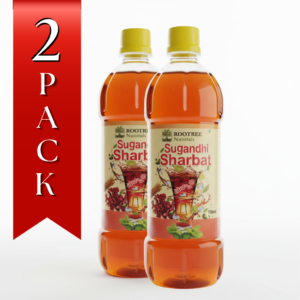
Sisira Organics Sugandhi Sharbath (Pack of 2)
30 mins2–5 daysBuy Sisira Organics Sugandhi Sharbath. An authentic, premium Nannari syrup for refreshing drinks. Naturally cools the body and purifies the blood.
Original price was: ₹450.₹399Current price is: ₹399.Save ₹51

Keep reading

Best A2 Ghee Brands in India 2026
## Hook – Why a “Best A2 Ghee” Ranking Matters in 2026 India is battling a silent surge in metabolic disorders. According […]

How to Make A2 Ghee at Home
Why This Recipe? – The Health Story Behind Homemade A2 Ghee India is witnessing a paradox in women’s health: while cervical‑cancer rates […]

A2 Ghee for Babies: Safety & Benefits
Why This Guide Exists – The Real Problem Behind “A2 Ghee for Babies” India’s parenting forums are buzzing with recommendations to introduce […]
For a faster, smoother experience, install our app
- ⚡Opens in one tap — quicker than the browser
- 📦Track orders and reorder favourites easily
- 🎁Be first to see daily deals and festive offers
Installs straight from our website in seconds.
- Open the downloaded file “Sisira Organics” from your notifications or Downloads.
- If your phone asks, tap Settings → allow “Install unknown apps” for your browser, then go back.
- Tap Install, then Open. Done!
- Tap the Share button ⬆ at the bottom of Safari.
- Choose “Add to Home Screen”, then Add.