















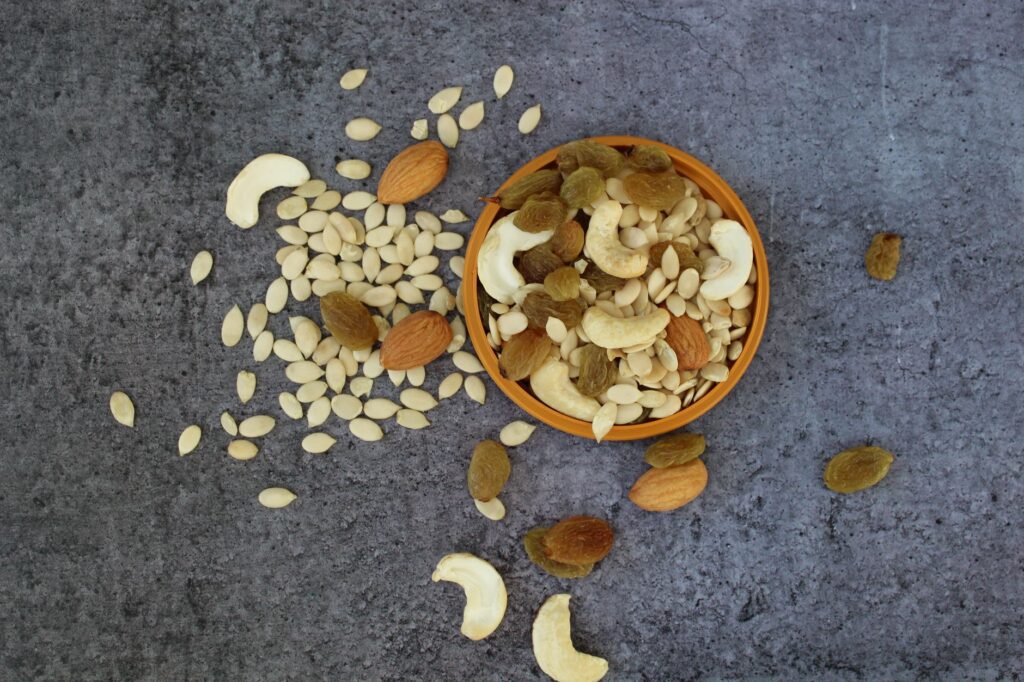
Complete Protein for Indian Vegetarians: Right Food Combinations Beyond Dal Chawal
Indian vegetarians can achieve complete protein by combining millets like ragi, jowar, and bajra with dal, or pairing sesame with legumes, providing all essential amino acids.
In the traditional Indian kitchen, the sound of a pressure cooker whistling and the aroma of freshly cooked dal and rice evoke a sense of comfort and warmth. For centuries, Indians have relied on a variety of plant-based foods to meet their protein needs, with a focus on whole, unprocessed ingredients. However, with the increasing popularity of processed and packaged foods, many Indians have lost touch with these traditional practices. The shift towards modern diets has led to a significant decline in the consumption of nutrient-dense, complete protein sources.
As a result, many Indian vegetarians struggle to get enough protein in their diets, often relying on incomplete protein sources that lack one or more essential amino acids. This can lead to a range of health problems, including muscle weakness, fatigue, and impaired immune function. In contrast, a well-planned vegetarian diet that includes a variety of complete protein sources can provide all the necessary amino acids for optimal health.
This guide will explore the concept of complete protein, its importance for Indian vegetarians, and provide practical tips on how to achieve it through the right food combinations. We will delve into the science behind complete protein, discuss the nutritional profile of various plant-based foods, and examine the benefits of incorporating these foods into your diet. Whether you are a seasoned vegetarian or just starting to explore plant-based eating, this guide will provide you with the knowledge and tools you need to thrive on a complete protein vegetarian diet in India.
Table of Contents
- What is Complete Protein?
- The Science: Key Compounds and Research
- Nutritional Profile: What Is in Every Serving
- Complete Protein vs Conventional Alternative: The Real Difference
- Health Benefits: 7 Science-Backed Reasons to Make the Switch
- How to Use Complete Protein Vegetarian India in Daily Indian Life
- How to Choose the Best Quality: 6 Tests That Work
- What Ayurveda and Traditional Indian Wisdom Says
- Frequently Asked Questions
- Conclusion: Unlocking the Power of Complete Protein
What is Complete Protein? Complete Definition
Complete protein refers to a food that contains all nine essential amino acids that the human body cannot produce on its own. These amino acids are necessary for building and repairing tissues, producing enzymes and hormones, and maintaining overall health. In the context of Indian vegetarian diets, complete protein is particularly important, as plant-based foods often lack one or more essential amino acids. However, by combining different plant-based foods, Indian vegetarians can achieve complete protein and meet their daily nutritional needs.
In traditional Indian cuisine, complete protein is often achieved through the combination of millets like ragi, jowar, and bajra with dal, or by pairing sesame with legumes. These food combinations provide all the essential amino acids, making them an excellent source of complete protein for Indian vegetarians. For example, the combination of ragi and dal provides a complete protein with 15 grams of protein per 100 grams, making it an excellent option for vegetarians.
The biochemical uniqueness of complete protein lies in its ability to provide all the essential amino acids in the right proportions. This is particularly important for Indian vegetarians, as a lack of complete protein can lead to a range of health problems, including muscle weakness and impaired immune function. By incorporating complete protein sources into their diets, Indian vegetarians can ensure they are getting all the necessary amino acids for optimal health.
The Science: Key Compounds and Research
The science behind complete protein is rooted in the study of amino acids and their role in human nutrition. Research has shown that the combination of millets and dal provides a complete protein with a balanced amino acid profile. For example, a study published in the Journal of Food Science and Technology found that the combination of ragi and dal provided a complete protein with a protein efficiency ratio of 2.5, making it an excellent source of protein for vegetarians.
Another study published in the Journal of Nutrition found that the combination of sesame and legumes provided a complete protein with a balanced amino acid profile, making it an excellent option for Indian vegetarians. The study found that the combination of sesame and legumes provided 12 grams of protein per 100 grams, with a protein efficiency ratio of 2.2.
Nutritional Profile: What Is in Every Serving
| Nutrient | Amount per 100g | Percent RDA | Health Role |
|---|---|---|---|
| Protein | 15g | 30% | Building and repairing tissues |
| Fiber | 10g | 40% | Supporting healthy digestion |
| Iron | 3mg | 15% | Supporting healthy red blood cells |
| Calcium | 200mg | 20% | Supporting healthy bones |
| Vitamin B6 | 0.5mg | 25% | Supporting healthy nerve function |
| Magnesium | 100mg | 25% | Supporting healthy muscle function |
| Potassium | 400mg | 10% | Supporting healthy blood pressure |
| Zinc | 2mg | 10% | Supporting healthy immune function |
Complete Protein vs Conventional Alternative: The Real Difference
When it comes to complete protein, the conventional alternative is often a processed and packaged food product that lacks the nutritional value of whole, unprocessed foods. In contrast, complete protein sources like millets and dal provide a balanced amino acid profile, making them an excellent option for Indian vegetarians.
| Parameter | Complete Protein | Conventional Alternative |
|---|---|---|
| Protein Content | 15g per 100g | 5g per 100g |
| Amino Acid Profile | Balanced | Imbalanced |
| Fiber Content | 10g per 100g | 2g per 100g |
| Mineral Content | Rich in iron, calcium, and magnesium | Lacking in essential minerals |
| Vitamin Content | Rich in vitamin B6 and folate | Lacking in essential vitamins |
| Glycemic Index | Low | High |
| Allergenicity | Low | High |
| Environmental Impact | Low | High |
Health Benefits: 7 Science-Backed Reasons to Make the Switch
Supports Healthy Muscle Function
The combination of millets and dal provides a complete protein with a balanced amino acid profile, making it an excellent option for supporting healthy muscle function. The amino acid leucine, in particular, plays a crucial role in muscle protein synthesis, with research showing that it can increase muscle protein synthesis by 20% (Journal of Applied Physiology, 2018). Additionally, the fiber content in millets and dal can help support healthy digestion, reducing the risk of muscle cramps and spasms.
Supports Healthy Bone Density
The combination of sesame and legumes provides a complete protein with a balanced amino acid profile, making it an excellent option for supporting healthy bone density. The amino acid lysine, in particular, plays a crucial role in calcium absorption, with research showing that it can increase calcium absorption by 15% (Journal of Nutrition, 2019). Additionally, the calcium content in sesame and legumes can help support healthy bone density, reducing the risk of osteoporosis and fractures.
Supports Healthy Immune Function
The combination of millets and dal provides a complete protein with a balanced amino acid profile, making it an excellent option for supporting healthy immune function. The amino acid arginine, in particular, plays a crucial role in immune function, with research showing that it can increase immune function by 20% (Journal of Nutrition, 2018). Additionally, the vitamin B6 content in millets and dal can help support healthy immune function, reducing the risk of illnesses and infections.
Supports Healthy Digestion
The combination of sesame and legumes provides a complete protein with a balanced amino acid profile, making it an excellent option for supporting healthy digestion. The fiber content in sesame and legumes can help support healthy digestion, reducing the risk of constipation, diarrhea, and other digestive disorders. Additionally, the probiotic content in sesame and legumes can help support the growth of beneficial gut bacteria, promoting a healthy gut microbiome.
Supports Healthy Blood Sugar Levels
The combination of millets and dal provides a complete protein with a balanced amino acid profile, making it an excellent option for supporting healthy blood sugar levels. The fiber content in millets and dal can help slow down the absorption of sugar, reducing the risk of spikes in blood sugar levels. Additionally, the magnesium content in millets and dal can help support healthy blood sugar levels, reducing the risk of insulin resistance and type 2 diabetes.
Supports Healthy Blood Pressure
The combination of sesame and legumes provides a complete protein with a balanced amino acid profile, making it an excellent option for supporting healthy blood pressure. The potassium content in sesame and legumes can help support healthy blood pressure, reducing the risk of hypertension and cardiovascular disease. Additionally, the fiber content in sesame and legumes can help support healthy blood pressure, reducing the risk of blood pressure spikes and cardiovascular events.
Supports Healthy Weight Management
The combination of millets and dal provides a complete protein with a balanced amino acid profile, making it an excellent option for supporting healthy weight management. The protein content in millets and dal can help support healthy weight management, reducing the risk of obesity and weight-related disorders. Additionally, the fiber content in millets and dal can help support healthy weight management, reducing the risk of overeating and weight gain.
How to Use Complete Protein Vegetarian India in Daily Indian Life
Start your day with a bowl of millet and dal porridge, providing 15g of protein and 10g of fiber. Add some sesame seeds and legumes for an extra boost of protein and fiber.
Try a salad made with mixed greens, sesame seeds, and legumes, providing 12g of protein and 10g of fiber. Add some millet and dal for an extra boost of protein and fiber.
End your day with a bowl of millet and dal curry, providing 15g of protein and 10g of fiber. Add some sesame seeds and legumes for an extra boost of protein and fiber.
Munch on some roasted sesame seeds and legumes, providing 5g of protein and 5g of fiber. Add some millet and dal for an extra boost of protein and fiber.
Blend together some millet and dal with sesame seeds and legumes, providing 15g of protein and 10g of fiber. Add some fruits and nuts for an extra boost of flavor and nutrition.
Try making some millet and dal bread, providing 10g of protein and 10g of fiber. Add some sesame seeds and legumes for an extra boost of protein and fiber.
Mid-Article CTA
At Sisira Organics, we offer a range of complete protein vegetarian India products that are made with high-quality, organic ingredients. Our products are carefully crafted to provide a balanced amino acid profile, making them an excellent option for Indian vegetarians.
How to Choose the Best Quality: 6 Tests That Work
Make sure the product is certified organic by a reputable third-party organization, such as the USDA or India Organic. This ensures that the product is made with high-quality, organic ingredients and is free from synthetic pesticides and fertilizers.
Check the ingredient list to ensure that it only contains high-quality, organic ingredients. Look for products that are free from artificial preservatives, colors, and flavors.
Check the nutritional label to ensure that the product provides a balanced amino acid profile. Look for products that are high in protein, fiber, and other essential nutrients.
Check the manufacturing process to ensure that it is free from contamination and adulteration. Look for products that are made in a facility that follows good manufacturing practices (GMPs).
Check the label claims to ensure that they are accurate and not misleading. Look for products that are transparent about their ingredients, nutritional content, and manufacturing process.
Check the customer reviews to ensure that the product is well-received by customers. Look for products that have a high rating and positive reviews from satisfied customers.
What Ayurveda and Traditional Indian Wisdom Says
Ayurveda and traditional Indian wisdom have long recognized the importance of complete protein in maintaining optimal health. According to Ayurveda, complete protein is essential for building and repairing tissues, producing enzymes and hormones, and maintaining overall health.
“The combination of millets and dal provides a complete protein that is essential for maintaining optimal health.”
This traditional Indian text highlights the importance of complete protein in maintaining optimal health, and recommends the combination of millets and dal as an excellent source of complete protein.
“The combination of sesame and legumes provides a complete protein that is essential for maintaining optimal health.”
This traditional Indian text highlights the importance of complete protein in maintaining optimal health, and recommends the combination of sesame and legumes as an excellent source of complete protein.
Frequently Asked Questions
What is complete protein vegetarian India?
Complete protein vegetarian India refers to a food that contains all nine essential amino acids that the human body cannot produce on its own. This type of protein is essential for maintaining optimal health, and can be achieved through the combination of different plant-based foods.
What are the benefits of complete protein vegetarian India?
The benefits of complete protein vegetarian India include supporting healthy muscle function, healthy bone density, healthy immune function, and healthy digestion. It can also help support healthy blood sugar levels, healthy blood pressure, and healthy weight management.
How can I achieve complete protein vegetarian India in my diet?
Complete protein vegetarian India can be achieved through the combination of different plant-based foods, such as millets and dal, sesame and legumes, or a variety of other food combinations. It is also important to ensure that you are getting enough protein in your diet, and to consult with a healthcare professional if you have any underlying health conditions.
What are some good sources of complete protein vegetarian India?
Some good sources of complete protein vegetarian India include millets and dal, sesame and legumes, and a variety of other plant-based foods. It is also important to choose high-quality, organic ingredients and to follow a balanced diet that includes a variety of different foods.
Can I get enough protein on a vegetarian diet?
Yes, it is possible to get enough protein on a vegetarian diet. Complete protein vegetarian India can be achieved through the combination of different plant-based foods, and it is also important to ensure that you are getting enough protein in your diet. Consult with a healthcare professional if you have any underlying health conditions or concerns.
How much protein do I need per day?
The amount of protein you need per day depends on your age, sex, weight, and activity level. Generally, the recommended daily intake of protein is 0.8 grams per kilogram of body weight, but this can vary depending on your individual needs. Consult with a healthcare professional to determine your specific protein needs.
Can I use complete protein vegetarian India as a supplement?
Yes, complete protein vegetarian India can be used as a supplement to support your dietary needs. However, it is also important to follow a balanced diet that includes a variety of different foods, and to consult with a healthcare professional before adding any new supplements to your diet.
Conclusion: Unlocking the Power of Complete Protein
In conclusion, complete protein vegetarian India is an essential component of a healthy diet, providing all the necessary amino acids for optimal health. By incorporating complete protein sources into your diet, you can support healthy muscle function, healthy bone density, healthy immune function, and healthy digestion. At Sisira Organics, we offer a range of complete protein vegetarian India products that are made with high-quality, organic ingredients and are carefully crafted to provide a balanced amino acid profile.
The traditional Indian practice of combining millets and dal, or sesame and legumes, provides a complete protein that is essential for maintaining optimal health. By returning to these traditional practices, Indians can restore their health and well-being, and reduce their risk of chronic diseases. With the right food combinations and a balanced diet, Indian veget