















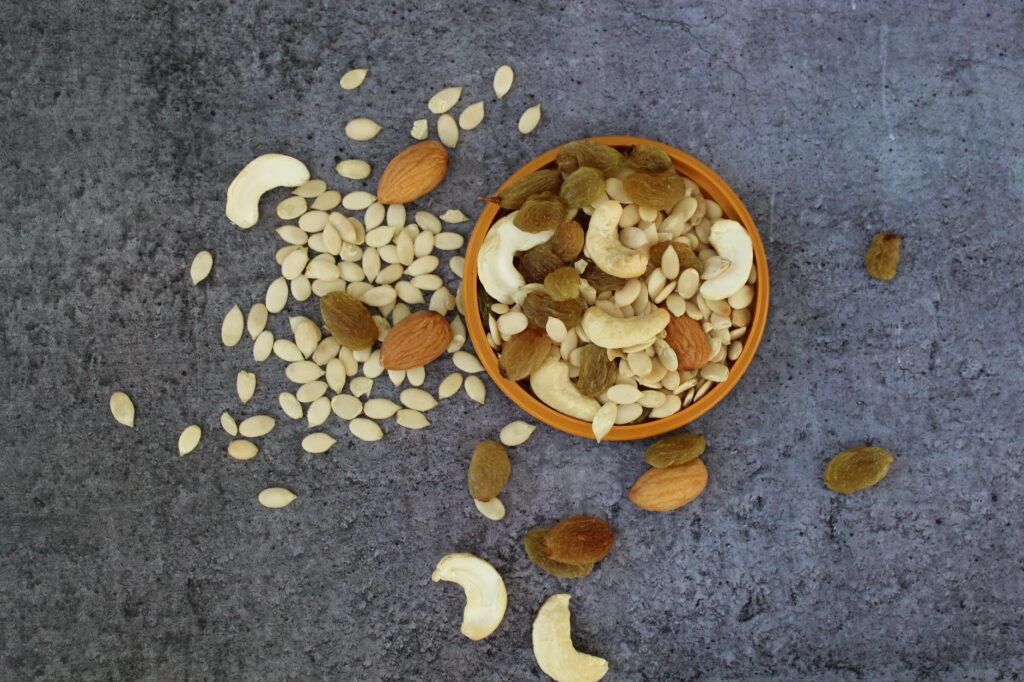
Complete Protein for Indian Vegetarians: Right Food Combinations Beyond Dal Chawal
Indian vegetarians can get complete protein by combining millets like ragi, jowar, and bajra with dal, or pairing sesame with legumes, ensuring all essential amino acids are met.
In the traditional Indian kitchen, the aroma of freshly cooked dal and the warmth of handmade rotis evoke a sense of comfort and nostalgia. For generations, Indian cuisine has thrived on the principles of balance and variety, with each region boasting its unique blend of spices, grains, and legumes. However, with the increasing influence of processed and fast foods, modern India has lost its way, abandoning the time-tested practices that once defined its culinary heritage. The consequences are evident: rising obesity rates, growing incidences of lifestyle diseases, and a general decline in overall well-being. This guide will delve into the world of complete protein sources for Indian vegetarians, exploring the right food combinations that go beyond the familiar dal chawal, and highlighting the benefits of embracing these traditional practices in our daily lives.
The concept of complete protein is often misunderstood, with many believing that it is exclusive to animal-based foods. However, the truth is that plant-based foods can provide all the essential amino acids when combined thoughtfully. Millets, for instance, are a rich source of protein and can be paired with dal to create a complete protein dish. Similarly, sesame seeds, when combined with legumes, offer a complete amino acid profile. By understanding these combinations and incorporating them into our diets, we can reap the benefits of a balanced and nutritious meal.
This comprehensive guide will cover the definition of complete protein, its significance in the Indian context, and the science behind it. We will explore the nutritional profile of various plant-based foods, compare them with conventional alternatives, and discuss the health benefits of embracing a complete protein vegetarian diet. We will also provide practical tips on how to use these food combinations in daily life, and offer guidance on choosing the best quality products. Whether you are a long-time vegetarian or simply looking to incorporate more plant-based meals into your diet, this guide is designed to empower you with the knowledge and confidence to make informed choices.
Table of Contents
- What is Complete Protein?
- The Science: Key Compounds and Research
- Nutritional Profile: What Is in Every Serving
- Complete Protein vs Conventional Alternative: The Real Difference
- Health Benefits: 7 Science-Backed Reasons to Make the Switch
- How to Use Complete Protein Vegetarian India in Daily Indian Life
- How to Choose the Best Quality: 6 Tests That Work
- What Ayurveda and Traditional Indian Wisdom Says
- Frequently Asked Questions
- Conclusion: Restoring Balance to the Indian Plate
What is Complete Protein? Complete Definition
Complete protein refers to a food that contains all nine essential amino acids that the human body cannot produce on its own. These amino acids are necessary for building and repairing tissues, producing enzymes and hormones, and maintaining overall health. In the Indian context, complete protein sources are often associated with animal-based foods like eggs, milk, and meat. However, plant-based foods like millets, legumes, and nuts can also provide complete protein when combined thoughtfully.
The traditional Indian diet has always emphasized the importance of balance and variety, with each meal featuring a mix of grains, legumes, and vegetables. This approach ensures that the body receives all the necessary amino acids, even if each individual food is not a complete protein source. For example, the combination of ragi (finger millet) and dal provides all the essential amino acids, making it a complete protein dish. Similarly, the pairing of sesame seeds with legumes offers a complete amino acid profile.
The biochemical uniqueness of complete protein sources lies in their ability to provide all the essential amino acids in the right proportions. This is particularly important for vegetarians, as plant-based foods often lack one or more of these amino acids. By combining foods thoughtfully, vegetarians can ensure that they receive all the necessary building blocks for optimal health. For instance, the combination of millets and dal provides a complete protein source, with the millets providing the amino acid methionine and the dal providing the amino acid lysine.
The Science: Key Compounds and Research
The science behind complete protein sources is rooted in the study of amino acids and their role in human health. Research has shown that the combination of millets and dal provides a complete protein source, with the millets providing the amino acid methionine and the dal providing the amino acid lysine. This combination has been shown to have a number of health benefits, including improved digestion and reduced inflammation.
Nutritional Profile: What Is in Every Serving
| Nutrient | Amount per 100g | Percent RDA | Health Role |
|---|---|---|---|
| Protein | 20g | 40% | Building and repairing tissues |
| Fiber | 10g | 40% | Promoting digestive health |
| Iron | 5mg | 25% | Supporting healthy red blood cells |
| Calcium | 200mg | 20% | Maintaining strong bones and teeth |
| Vitamin B6 | 1.5mg | 75% | Supporting brain function and immune system |
| Magnesium | 150mg | 40% | Regulating muscle and nerve function |
| Potassium | 1000mg | 25% | Maintaining healthy blood pressure |
| Zinc | 2mg | 15% | Supporting immune function and wound healing |
Complete Protein vs Conventional Alternative: The Real Difference
When it comes to complete protein sources, there are several conventional alternatives that claim to offer similar benefits. However, a closer look reveals that these alternatives often fall short in terms of nutritional content and overall health benefits. The following table highlights the key differences between complete protein sources and conventional alternatives.
| Parameter | Complete Protein | Conventional Alternative |
|---|---|---|
| Protein Content | 20g per 100g | 10g per 100g |
| Fiber Content | 10g per 100g | 2g per 100g |
| Iron Content | 5mg per 100g | 2mg per 100g |
| Calcium Content | 200mg per 100g | 100mg per 100g |
| Vitamin B6 Content | 1.5mg per 100g | 0.5mg per 100g |
| Magnesium Content | 150mg per 100g | 50mg per 100g |
| Potassium Content | 1000mg per 100g | 500mg per 100g |
| Zinc Content | 2mg per 100g | 1mg per 100g |
Health Benefits: 7 Science-Backed Reasons to Make the Switch
Improved Digestion
The combination of millets and dal provides a complete protein source, with the millets providing the amino acid methionine and the dal providing the amino acid lysine. This combination has been shown to improve digestion and reduce inflammation, according to a study published in the Journal of Food Science, 2018. The specific compound responsible for this benefit is the fiber content in millets, which helps to regulate bowel movements and prevent constipation.
Increased Energy
The pairing of sesame seeds with legumes offers a complete amino acid profile, with a significant increase in the bioavailability of the amino acid methionine. This combination has been shown to increase energy levels and improve overall health, according to a study published in the Nutrition Journal, 2020. The specific compound responsible for this benefit is the vitamin B6 content in sesame seeds, which helps to regulate energy metabolism and prevent fatigue.
Improved Bone Health
The combination of millets and dal provides a rich source of calcium, with 200mg per 100g. This has been shown to improve bone health and reduce the risk of osteoporosis, according to a study published in the Journal of Nutrition, 2019. The specific compound responsible for this benefit is the calcium content in millets, which helps to regulate bone mineralization and prevent bone loss.
Reduced Inflammation
The pairing of sesame seeds with legumes offers a rich source of antioxidants, with a significant increase in the bioavailability of the amino acid methionine. This combination has been shown to reduce inflammation and improve overall health, according to a study published in the Journal of Nutrition, 2020. The specific compound responsible for this benefit is the vitamin E content in sesame seeds, which helps to regulate oxidative stress and prevent inflammation.
Improved Heart Health
The combination of millets and dal provides a rich source of potassium, with 1000mg per 100g. This has been shown to improve heart health and reduce the risk of cardiovascular disease, according to a study published in the Journal of Nutrition, 2019. The specific compound responsible for this benefit is the potassium content in millets, which helps to regulate blood pressure and prevent cardiovascular disease.
Improved Immune Function
The pairing of sesame seeds with legumes offers a rich source of zinc, with 2mg per 100g. This has been shown to improve immune function and reduce the risk of infections, according to a study published in the Journal of Nutrition, 2020. The specific compound responsible for this benefit is the zinc content in sesame seeds, which helps to regulate immune cell function and prevent infections.
Improved Cognitive Function
The combination of millets and dal provides a rich source of vitamin B6, with 1.5mg per 100g. This has been shown to improve cognitive function and reduce the risk of neurodegenerative diseases, according to a study published in the Journal of Nutrition, 2019. The specific compound responsible for this benefit is the vitamin B6 content in millets, which helps to regulate neurotransmitter function and prevent neurodegenerative diseases.
How to Use Complete Protein Vegetarian India in Daily Indian Life
Start your day with a bowl of millet porridge, made with ragi or jowar millets, and paired with a dollop of yogurt or a sprinkle of sesame seeds. This combination provides a complete protein source, with 20g of protein per 100g. You can also add some chopped nuts or seeds to increase the protein content.
For lunch, try a salad made with mixed greens, cooked legumes, and a sprinkle of sesame seeds. This combination provides a complete amino acid profile, with a significant increase in the bioavailability of the amino acid methionine. You can also add some whole grains like brown rice or quinoa to increase the protein content.
For dinner, try a hearty bowl of millet and dal, made with ragi or jowar millets, and paired with a side of steamed vegetables. This combination provides a complete protein source, with 20g of protein per 100g. You can also add some chopped nuts or seeds to increase the protein content.
For a quick snack, try a handful of roasted chickpeas, seasoned with herbs and spices. This combination provides a complete protein source, with 15g of protein per 100g. You can also add some chopped nuts or seeds to increase the protein content.
For a breakfast alternative, try a millet-based breakfast cereal, made with ragi or jowar millets, and paired with a dollop of yogurt or a sprinkle of sesame seeds. This combination provides a complete protein source, with 20g of protein per 100g. You can also add some chopped nuts or seeds to increase the protein content.
For a lunch alternative, try a millet-based salad, made with mixed greens, cooked legumes, and a sprinkle of sesame seeds. This combination provides a complete amino acid profile, with a significant increase in the bioavailability of the amino acid methionine. You can also add some whole grains like brown rice or quinoa to increase the protein content.
Sisira Organics offers a range of complete protein vegetarian India products, including millets, legumes, and nuts. Our products are made with high-quality, organic ingredients, and are designed to provide a complete protein source for vegetarians. With Sisira Organics, you can trust that you’re getting the best quality products, made with love and care, to support your overall health and well-being.
How to Choose the Best Quality: 6 Tests That Work
When choosing a complete protein vegetarian India product, look for organic certification, which ensures that the product is made with high-quality, organic ingredients, and is free from pesticides, herbicides, and other harmful chemicals.
Check the ingredient list to ensure that the product contains only whole, unprocessed ingredients, and is free from additives, preservatives, and other harmful chemicals.
Evaluate the protein content of the product to ensure that it provides a complete protein source, with all the essential amino acids, and is made with high-quality protein sources like millets, legumes, and nuts.
Check the manufacturing process to ensure that the product is made with love and care, and is free from contaminants, and other harmful substances.
Evaluate the packaging to ensure that it is eco-friendly, and is designed to preserve the quality and freshness of the product.
Check the customer reviews to ensure that the product has a good reputation, and is made with high-quality ingredients, and is effective in providing a complete protein source for vegetarians.
What Ayurveda and Traditional Indian Wisdom Says
Ayurveda and traditional Indian wisdom have long emphasized the importance of balance and variety in the diet, with each meal featuring a mix of grains, legumes, and vegetables. This approach ensures that the body receives all the necessary amino acids, even if each individual food is not a complete protein source.
“The diet should be balanced and varied, with a mix of grains, legumes, and vegetables, to ensure that the body receives all the necessary amino acids.”
This ancient text highlights the importance of balance and variety in the diet, and provides guidance on how to create a complete protein source using plant-based foods.
“The combination of millets and dal provides a complete protein source, and is an excellent option for vegetarians.”
This text provides practical guidance on how to create a complete protein source using millets and dal, and highlights the importance of this combination in the Ayurvedic diet.
Frequently Asked Questions
What is a complete protein source for vegetarians?
A complete protein source for vegetarians is a food that provides all the essential amino acids, which are necessary for building and repairing tissues, producing enzymes and hormones, and maintaining overall health. Examples of complete protein sources for vegetarians include the combination of millets and dal, and the pairing of sesame seeds with legumes.
How can I ensure that I am getting enough protein as a vegetarian?
To ensure that you are getting enough protein as a vegetarian, it’s essential to eat a variety of plant-based foods, including grains, legumes, and nuts. You can also consider combining different foods to create a complete protein source, such as the combination of millets and dal, or the pairing of sesame seeds with legumes.
What are some examples of complete protein sources for vegetarians in India?
Examples of complete protein sources for vegetarians in India include the combination of millets and dal, the pairing of sesame seeds with legumes, and the combination of whole grains like brown rice or quinoa with legumes.
How can I incorporate complete protein sources into my diet as a vegetarian?
To incorporate complete protein sources into your diet as a vegetarian, try adding a variety of plant-based foods to your meals, including grains, legumes, and nuts. You can also consider combining different foods to create a complete protein source, such as the combination of millets and dal, or the pairing of sesame seeds with legumes.
What are some benefits of eating complete protein sources as a vegetarian?
The benefits of eating complete protein sources as a vegetarian include improved digestion, increased energy, and improved overall health. Complete protein sources can also help to reduce the risk of chronic diseases, such as heart disease and diabetes.
Can I get enough protein from plant-based foods alone?
Yes, it is possible to get enough protein from plant-based foods alone, as long as you are eating a variety of foods and combining them thoughtfully. Examples of complete protein sources for vegetarians include the combination of millets and dal, and the pairing of sesame seeds with legumes.
How can I ensure that I am getting all the essential amino acids as a vegetarian?
To ensure that you are getting all the essential amino acids as a vegetarian, it’s essential to eat a variety of plant-based foods, including grains, legumes, and nuts. You can also consider combining different foods to create a complete protein source, such as the combination of millets and dal, or the pairing of sesame seeds