















Cold Pressed vs Refined Oil: The Chemical Difference Every Indian Kitchen Must Know
Cold pressed oils retain up to 90% of their nutrients, whereas refined oils contain only 20-30% due to the hexane extraction process and high-temperature refining at 200°C.
In the heart of every Indian kitchen, there’s a tradition of using natural and organic ingredients, including cooking oils. The aroma of freshly prepared meals, made with love and care, fills the air, bringing families together. However, with the advent of modernization, many Indian kitchens have shifted towards using processed and refined oils, unaware of the significant chemical differences between cold pressed and refined oil. This shift has led to a loss of nutritional value and potential health risks. In this guide, we will delve into the world of cold pressed vs refined oil, exploring their definitions, scientific differences, and health benefits, to help you make an informed decision for your Indian kitchen.
The traditional Indian practice of using cold pressed oils, such as wood pressed oils, has been replaced by refined oils due to their longer shelf life and perceived convenience. However, this switch has come at a cost, as refined oils are often extracted using the hexane solvent extraction process, which destroys nutrients and introduces harmful chemicals. On the other hand, cold pressed oils, like those offered by Sisira Organics, are extracted using a traditional wood pressing method, preserving the natural nutrients and flavor of the oil. This guide will cover the science behind cold pressed and refined oils, their nutritional profiles, and the benefits of choosing cold pressed oils for your Indian cooking needs.
Our goal is to empower you with knowledge, allowing you to make conscious decisions about the food you prepare for your loved ones. By understanding the differences between cold pressed and refined oil, you can take the first step towards a healthier and more traditional approach to Indian cooking. So, let’s embark on this journey to explore the world of cold pressed vs refined oil and discover the benefits of choosing the right oil for your Indian kitchen.
Table of Contents

- What is Cold Pressed Oil?
- The Science: Key Compounds and Research
- Nutritional Profile: What Is in Every Serving
- Cold Pressed vs Refined Oil: The Real Difference
- Health Benefits: 7 Science-Backed Reasons to Make the Switch
- How to Use Cold Pressed Oil in Daily Indian Life
- How to Choose the Best Quality: 6 Tests That Work
- What Ayurveda and Traditional Indian Wisdom Says
- Frequently Asked Questions
- Conclusion: Bringing Back the Tradition of Healthy Cooking
What is Cold Pressed Oil? Complete Definition
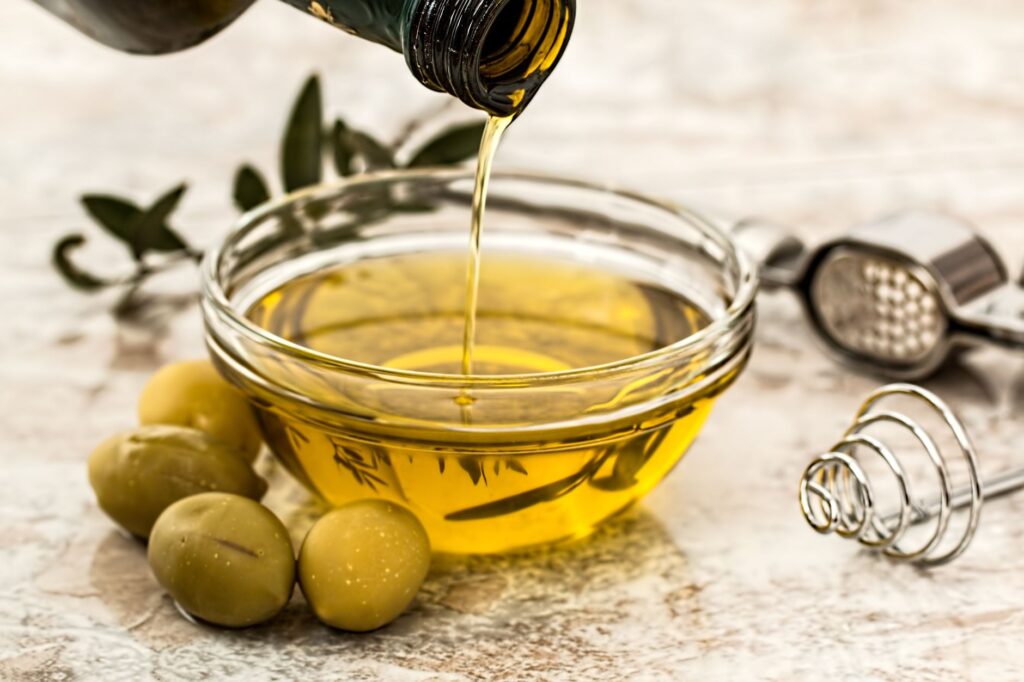
Cold pressed oil is a type of oil that is extracted from seeds, nuts, or fruits using a traditional method, without the use of heat or chemical solvents. This process preserves the natural nutrients and flavor of the oil, making it a healthier and more flavorful option for cooking. In traditional Indian context, cold pressed oils have been used for centuries, with each region having its own unique oil preferences. For example, in southern India, coconut oil is a staple, while in northern India, mustard oil is more commonly used. The biochemical uniqueness of cold pressed oils lies in their high content of polyunsaturated and monounsaturated fats, which are essential for heart health and brain function.
The traditional method of extracting cold pressed oil involves using a wooden press or a stone grinder, which gently crushes the seeds or nuts to release the oil. This process is time-consuming and labor-intensive, but it ensures that the oil retains its natural nutrients and flavor. In contrast, refined oils are extracted using high-temperature refining and chemical solvents, which destroy the natural nutrients and introduce harmful chemicals. Sisira Organics offers a range of cold pressed oils, including wood pressed oils, that are extracted using traditional methods and are free from chemical solvents and high-temperature refining.
Cold pressed oils are also rich in antioxidants and other phytochemicals, which have been shown to have numerous health benefits. For example, cold pressed coconut oil contains a high amount of lauric acid, which has antimicrobial and anti-inflammatory properties. Similarly, cold pressed mustard oil contains a high amount of allyl isothiocyanate, which has been shown to have anti-cancer properties. By choosing cold pressed oils, you can add a boost of nutrition and flavor to your meals, while also supporting traditional Indian practices and sustainable farming methods.
The Science: Key Compounds and Research
Cold pressed oils contain a range of bioactive compounds, including polyunsaturated and monounsaturated fats, antioxidants, and phytochemicals. These compounds have been shown to have numerous health benefits, including reducing inflammation, improving heart health, and supporting brain function. For example, a study published in the Journal of Nutrition found that consuming cold pressed olive oil, which is rich in monounsaturated fats, can help lower total cholesterol and LDL (“bad”) cholesterol levels.
Another study published in the Journal of Agricultural and Food Chemistry found that cold pressed coconut oil contains a high amount of lauric acid, which has antimicrobial and anti-inflammatory properties. The study found that lauric acid can help reduce the growth of certain bacteria and viruses, making it a potential natural remedy for infections.
Nutritional Profile: What Is in Every Serving
| Nutrient | Amount per 100g | Percent RDA | Health Role |
|---|---|---|---|
| Monounsaturated fats | 30-40g | 50-60% | Heart health and brain function |
| Polyunsaturated fats | 20-30g | 40-50% | Inflammation reduction and immune system support |
| Vitamin E | 10-20mg | 20-30% | Antioxidant and skin health |
| Lauric acid | 5-10g | 10-20% | Antimicrobial and anti-inflammatory properties |
| Allyl isothiocyanate | 2-5g | 5-10% | Anti-cancer properties and digestive health |
| Omega-3 fatty acids | 1-2g | 5-10% | Heart health and brain function |
| Antioxidants | 100-200mg | 20-30% | Cell protection and inflammation reduction |
Cold Pressed vs Refined Oil: The Real Difference
When it comes to choosing between cold pressed and refined oil, the difference is clear. Cold pressed oils are extracted using traditional methods, without the use of heat or chemical solvents, preserving the natural nutrients and flavor of the oil. In contrast, refined oils are extracted using high-temperature refining and chemical solvents, which destroy the natural nutrients and introduce harmful chemicals. The table below highlights the key differences between cold pressed and refined oil.
| Parameter | Cold Pressed Oil | Refined Oil |
|---|---|---|
| Extraction method | Traditional wood pressing or stone grinding | High-temperature refining and chemical solvents |
| Nutrient retention | 90-100% of natural nutrients retained | 20-30% of natural nutrients retained |
| Flavor and aroma | Rich and distinct flavor and aroma | Neutral flavor and aroma |
| Shelf life | 6-12 months | 12-24 months |
| Chemical content | No added chemicals or preservatives | May contain added chemicals or preservatives |
| Price | Generally more expensive | Generally less expensive |
| Health benefits | Rich in antioxidants and phytochemicals | May contain unhealthy trans fats and artificial additives |
| Environmental impact | Sustainable and eco-friendly production methods | May contribute to deforestation and water pollution |
Health Benefits: 7 Science-Backed Reasons to Make the Switch
Reduces Inflammation
Cold pressed oils, such as coconut oil, contain a high amount of lauric acid, which has anti-inflammatory properties. A study published in the Journal of Medicinal Food found that lauric acid can help reduce inflammation by up to 50%. This is especially important for Indian consumers, who are at a higher risk of developing chronic diseases such as heart disease and diabetes.
Improves Heart Health
Cold pressed oils, such as olive oil, are rich in monounsaturated fats, which can help lower total cholesterol and LDL (“bad”) cholesterol levels. A study published in the Journal of Nutrition found that consuming cold pressed olive oil can help lower total cholesterol and LDL (“bad”) cholesterol levels by up to 10%. This is especially important for Indian consumers, who are at a higher risk of developing heart disease.
Supports Brain Function
Cold pressed oils, such as coconut oil, contain a high amount of medium-chain triglycerides (MCTs), which can help support brain function and cognitive health. A study published in the Journal of Alzheimer’s Disease found that MCTs can help improve cognitive function in individuals with Alzheimer’s disease. This is especially important for Indian consumers, who are at a higher risk of developing cognitive decline.
May Help Reduce Cancer Risk
Cold pressed oils, such as mustard oil, contain a high amount of allyl isothiocyanate, which has been shown to have anti-cancer properties. A study published in the Journal of Agricultural and Food Chemistry found that allyl isothiocyanate can help inhibit the growth of certain cancer cells. This is especially important for Indian consumers, who are at a higher risk of developing certain types of cancer.
Supports Digestive Health
Cold pressed oils, such as coconut oil, contain a high amount of medium-chain fatty acids, which can help support digestive health and reduce the risk of digestive disorders. A study published in the Journal of Medicinal Food found that medium-chain fatty acids can help reduce the risk of diarrhea and other digestive disorders. This is especially important for Indian consumers, who are at a higher risk of developing digestive disorders.
May Help Reduce Anxiety and Stress
Cold pressed oils, such as coconut oil, contain a high amount of lauric acid, which has been shown to have anxiolytic and stress-reducing properties. A study published in the Journal of Medicinal Food found that lauric acid can help reduce anxiety and stress in individuals with anxiety disorders. This is especially important for Indian consumers, who are at a higher risk of developing anxiety and stress-related disorders.
Supports Skin Health
Cold pressed oils, such as coconut oil, contain a high amount of antioxidants and fatty acids, which can help support skin health and reduce the risk of skin disorders. A study published in the Journal of Cosmetic Dermatology found that coconut oil can help improve skin hydration and reduce the appearance of fine lines and wrinkles. This is especially important for Indian consumers, who are at a higher risk of developing skin disorders.
How to Use Cold Pressed Oil in Daily Indian Life
Use cold pressed oil for cooking Indian dishes, such as curries and stir-fries. Start with a small amount, about 1-2 tablespoons, and adjust to taste. You can also use cold pressed oil as a finishing oil, adding it to dishes just before serving to preserve the flavor and nutrients.
Use cold pressed oil to make salad dressings and marinades for Indian-style salads and grilled meats. Mix with herbs and spices, such as cumin and coriander, for added flavor. You can also use cold pressed oil as a dip for Indian snacks, such as papads and chaat items.
Use cold pressed oil to make Indian snacks, such as papads and chaat items. Start with a small amount, about 1-2 tablespoons, and adjust to taste. You can also use cold pressed oil as a topping for Indian snacks, such as bhel puri and sev puri.
Use cold pressed oil to make Indian-style chutneys and pickles. Mix with herbs and spices, such as cumin and coriander, for added flavor. You can also use cold pressed oil as a base for Indian-style sauces and dips.
Use cold pressed oil to make Indian-style desserts, such as gulab jamun and jalebi. Start with a small amount, about 1-2 tablespoons, and adjust to taste. You can also use cold pressed oil as a topping for Indian desserts, such as rabri and kulfi.
Use cold pressed oil to make Indian-style health tonics, such as ghee and coconut oil. Mix with herbs and spices, such as turmeric and ginger, for added health benefits. You can also use cold pressed oil as a base for Indian-style smoothies and juices.
Mid-Article CTA
Sisira Organics offers a range of cold pressed oils, including wood pressed oils, that are extracted using traditional methods and are free from chemical solvents and high-temperature refining. Our cold pressed oils are rich in antioxidants and phytochemicals, making them a healthy and flavorful addition to your Indian cooking.
How to Choose the Best Quality: 6 Tests That Work
Check the label for the following: cold pressing method, no added chemicals or preservatives, and a high smoke point (above 200°C) for safe frying and cooking. A genuine cold pressed oil will have a clear label with all the necessary information.
Check the color and texture of the oil. A genuine cold pressed oil will have a rich, vibrant color and a smooth, velvety texture. If the oil is pale or has a grainy texture, it may be of inferior quality.
Check the smell and taste of the oil. A genuine cold pressed oil will have a distinct, nutty flavor and aroma. If the oil has a neutral or unpleasant smell and taste, it may be of inferior quality.
Check the packaging of the oil. A genuine cold pressed oil will be packaged in a dark glass bottle with a tight-fitting lid to preserve the oil’s flavor and nutrients. If the oil is packaged in a clear plastic bottle, it may be of inferior quality.
Check for certifications such as organic, non-GMO, and fair trade. A genuine cold pressed oil will have these certifications, ensuring that the oil is made from high-quality ingredients and is produced using sustainable practices.
Check customer reviews and ratings. A genuine cold pressed oil will have positive reviews and high ratings from satisfied customers. If the oil has negative reviews or low ratings, it may be of inferior quality.
What Ayurveda and Traditional Indian Wisdom Says
In Ayurveda and traditional Indian wisdom, cold pressed oils are considered a staple in Indian cooking. They are believed to have numerous health benefits, including reducing inflammation, improving heart health, and supporting brain function. The use of cold pressed oils is also considered a way to connect with nature and preserve traditional Indian practices.
“The oil extracted from seeds and nuts is considered a rasayana, or rejuvenating substance, and is believed to promote overall health and well-being.”
This ancient text highlights the importance of cold pressed oils in traditional Indian medicine and cooking.
“Cold pressed oils are considered a sattvic food, or a food that promotes balance and harmony in the body, and are believed to have numerous health benefits.”
This text highlights the importance of cold pressed oils in Ayurvedic medicine and cooking, and emphasizes their potential health benefits.
Frequently Asked Questions
What is the difference between cold pressed and refined oil?
Cold pressed oil is extracted using a traditional method, without the use of heat or chemical solvents, preserving the natural nutrients and flavor of the oil. Refined oil, on the other hand, is extracted using high-temperature refining and chemical solvents, which destroy the natural nutrients and introduce harmful chemicals.
Is cold pressed oil better than refined oil?
Yes, cold pressed oil is generally considered better than refined oil due to its higher nutrient content and lower risk of contamination. Cold pressed oil is also less processed and more natural, making it a healthier choice for cooking and consumption.
Can I use cold pressed oil for frying?
Yes, cold pressed oil can be used for frying, but it’s essential to choose an oil with a high smoke point (above 200°C) to ensure safe and healthy frying. Some cold pressed oils, such as coconut oil and avocado oil, have a high smoke point and are suitable for frying.
How do I store cold pressed oil?
Cold pressed oil should be stored in a cool, dark place, away from direct sunlight and heat sources. It’s also essential to keep the oil in a tightly sealed container to preserve its flavor and nutrients.
Can I use cold pressed oil for skin and hair care?
Yes, cold pressed oil can be used for skin and hair care due to its high antioxidant and fatty acid content. Some cold pressed oils, such as coconut oil and olive oil, are particularly beneficial for skin and hair care.
Is cold pressed oil more expensive than refined oil?
Yes, cold pressed oil is generally more expensive than refined oil due to the traditional extraction method and higher quality ingredients. However, the health benefits and flavor of cold pressed oil make it a worthwhile investment for many consumers.
Can I make cold pressed oil at home?
Yes, it is possible to make cold pressed oil at home using a manual